How to Grow Kanlarn Orchids | Basics of Cultivating Japan's Traditional Eastern Orchids
An explanation of the characteristics and cultivation methods of Kanlarn, Japan's traditional Eastern orchid that blooms with elegant flowers in winter. From the basics of placement, watering, and repotting to tips for enjoying fragrance and leaf artistry.
Key Takeaways
An explanation of the characteristics and cultivation methods of Kanlarn, Japan's traditional Eastern orchid that blooms with elegant flowers in winter. From the basics of placement, watering, and repotting to tips for enjoying fragrance and leaf artistry.
Related Species
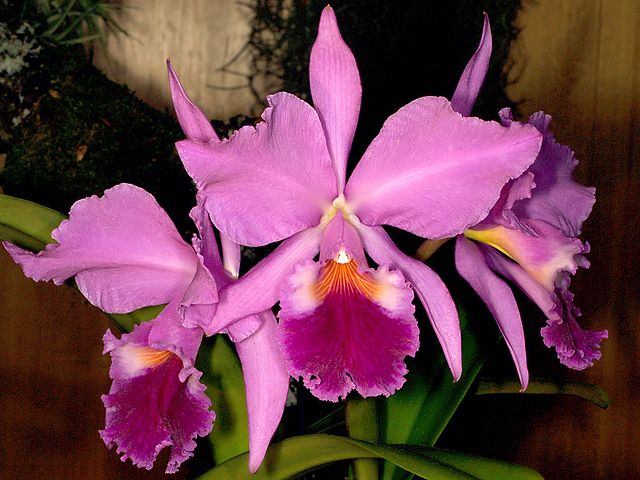
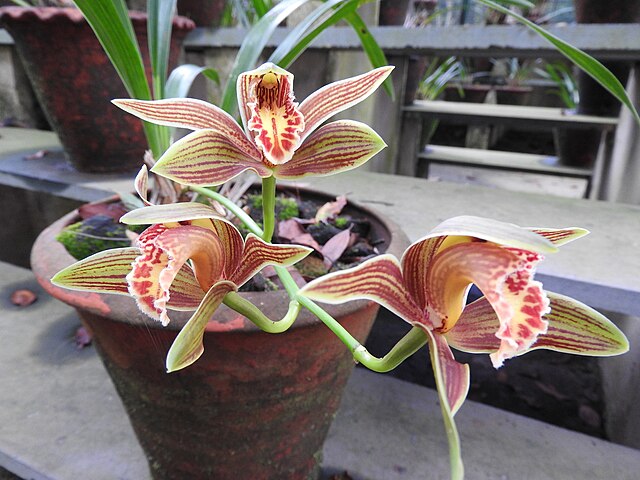
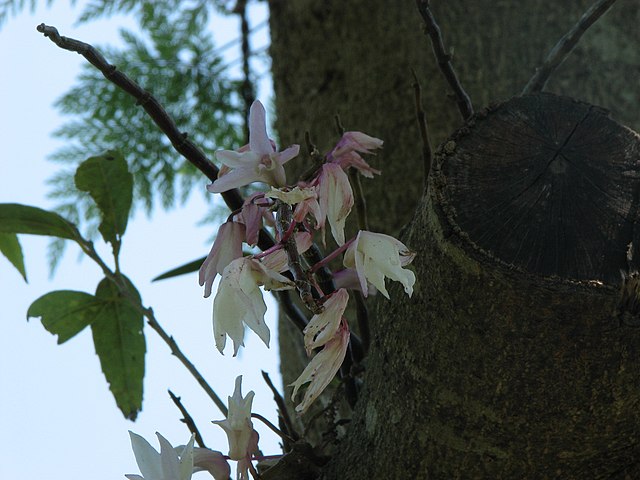
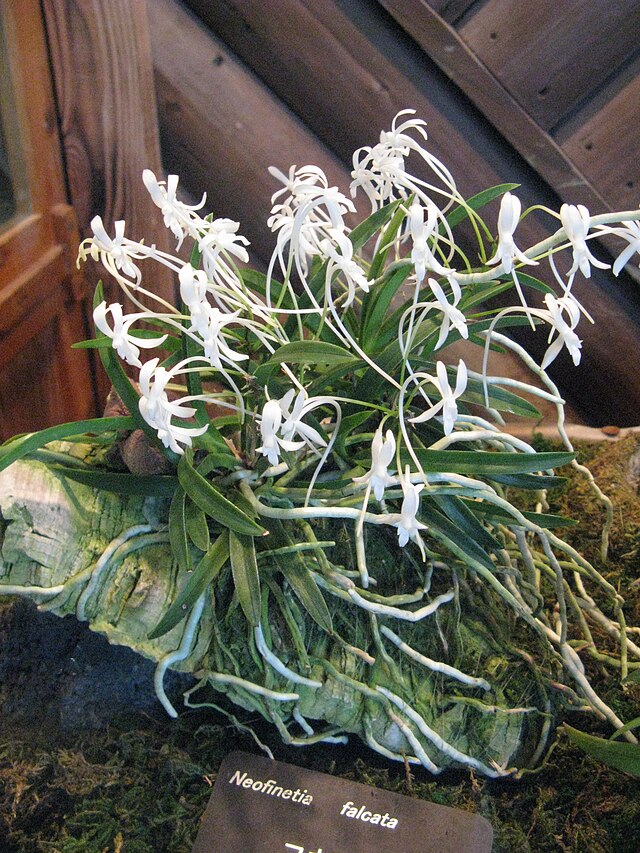
Kanlarn is an Eastern orchid that blooms from late autumn through winter. True to its name, it opens pristine flowers during the season of deepening winter cold, casting a clean fragrance—a form long held in high regard in Japan's horticultural culture. Unlike the lavishness of Western orchids such as moth orchids and cattleyas, Kanlarn is distinguished by its modest, understated blooms and a culture centered on "leaf artistry"—appreciation of the foliage itself. Alongside Fuuran (Neofinetia falcata) and Sekkoku, it is known as one of Japan's Eastern orchids long beloved in the country.
Kanlarn Characteristics and Diversity of Varieties
Kanlarn is a terrestrial orchid belonging to the genus Cymbidium, native to forest floors in mountainous regions of warm areas including Shikoku, Kyushu, and the Kii Peninsula. Unlike Fuuran and Sekkoku, which are also Eastern orchids but epiphytic in nature, Kanlarn roots itself in the ground to grow.
Flower colors range widely—green, brown, reddish purple—and vary subtly depending on the region and lineage of origin. The fact that individual plants of the same species differ in appearance has long been a major draw for enthusiasts. Beyond flower form alone, elements called "leaf artistry"—including leaf width, thickness, luster, and the shape of leaf tips—are important aspects of appreciation, and there is a culture of enjoying the plant's form even when flowers are not in bloom. Numerous cultivar lineages named after their regions of origin exist, and collecting, comparing, and exchanging specimens are deeply rooted traditions among growers.
It is worth noting that Spring Cymbidium is a closely related species of the Cymbidium genus but blooms slightly earlier in early spring than Kanlarn. Many enthusiasts keep both species and enjoy the relay of flowering times—a cultivation approach that has become standard among growers.
Placement and Seasonal Management
Kanlarn dislikes intense direct sunlight and prefers bright partial shade to semi-shade. Key management points for each season are as follows:
- Spring (new shoot growth period): Move the plant to a well-ventilated, partially shaded location outdoors, ensuring adequate light and air circulation. As new shoots begin to elongate, gradually increase watering.
- Summer (high temperature and humidity period): Place the plant under shade cloth or in a sheltered eave location to prevent leaf scorch and moisture stress. On days when temperatures rise excessively, misting the area around the plant in the evening is an effective way to lower temperature.
- Autumn (flower bud formation period): This season, when day and night temperature differences emerge, is essential for flower bud development. Reduce shading to ensure adequate light, and maintain conditions on the drier side to promote flower buds.
- Winter (flowering and dormancy period): While flowers are blooming, plants can be enjoyed in a frost-free, bright location under an eave or indoors. Prolonged exposure to freezing temperatures damages roots and leaves, so minimal protection is necessary during extremely cold periods.
Throughout the year, avoid both extreme heat and humidity and excessive dryness. Adjust placement to a well-ventilated, partially shaded location as the baseline to maintain healthy plants.
Watering, Potting Medium, and Repotting
Kanlarn is sensitive to both drought and excess moisture. Water thoroughly once the surface of the potting medium is dry, ensuring excess water drains completely from the bottom of the pot. Allowing water to pool in a saucer promotes root rot; develop a habit of checking after watering.
For potting medium, well-draining, well-aerated orchid potting mix is standard. Commercially available mixes of pumice or bark alone or in combination are common; maintaining an environment where roots can constantly breathe is fundamental to raising healthy plants.
The ideal time for repotting is after flowering, before new shoots begin to emerge. Signs that repotting is needed include roots protruding from pot drainage holes or noticeably poorer drainage following watering compared to before. During repotting, carefully remove old potting medium, trim damaged roots with clean scissors, and move the plant into fresh medium. When dividing plants simultaneously, keeping a minimum of 2–3 healthy pseudobulbs together ensures stable subsequent growth. Immediately after division, manage the plant in bright, indirect light and keep watering modest until roots stabilize.
Fertilizing and Managing Flower Buds
Fertilize Kanlarn during the growing season from spring through autumn with an Eastern orchid-specific slow-release fertilizer at slightly less than the recommended rate. Excess nitrogen causes elongated leaf growth and irregular plant shape, reducing flowering. Especially in varieties prized for leaf artistry, over-fertilizing can diminish the distinctive character of the foliage, so apply sparingly.
From mid-summer through early autumn, when flower buds are forming, switch to a fertilizer high in phosphorus and potassium to support flower stem development. Avoid fertilizing during peak summer heat and deep winter dormancy to prevent unnecessary stress on the plant.
Pest and Disease Management and Daily Observation
Though Kanlarn is relatively hardy, scale insects and spider mites can appear when air circulation is poor or plants are overcrowded. In early stages, populations are small, so regular inspection of leaf undersides combined with manual removal using a soft cloth or soft brush is an easy control method. Addressing problems before they spread reduces reliance on chemical pesticides.
Watch for soft rot caused by excess moisture. The condition develops readily when water remains in the pot after watering or when potting medium has deteriorated and drainage has declined. Check the condition of potting medium once yearly; if degradation has progressed, consider repotting. When using pesticides, select products registered for the specific pest or disease and the intended plant, and always follow label instructions carefully.
Enjoying Leaves and Flowers Year-Round in the Eastern Orchid World
The beauty of Kanlarn extends far beyond the blooming period from late autumn through winter. The sight of new shoots elongating in spring, foliage filling out through summer, the anticipation as flower buds emerge in autumn, and the winter flowers with their clear fragrance—observing the plant's transformation throughout the year and savoring it alongside the changing seasons is the true essence of Kanlarn cultivation.
As a traditional appreciation style, a single plant in an unglazed Eastern orchid pot is quietly placed in an alcove or entryway, allowing the flowers and foliage to speak for themselves without added decoration. The pot itself is cherished as part of the display, and selecting a pot with both breathability and character enhances both the plant's health and its beauty. Choose a pot size proportional to root volume—not excessively large—with air circulation and drainage as the primary criteria.
A quiet, deep beauty opposite to the showiness of Western orchids. Kanlarn rewards cultivation with new discoveries the more one tends to it. Through patient, long-term engagement, one comes to perceive the individuality of each region's lines, the subtleties of leaf artistry, and the delicate nuances of fragrance. And thus does the joy of cultivation deepen all the more.