Nepenthes vs. Venus Flytrap: Which Carnivorous Plant Is Easier to Grow?
A thorough comparison of two popular carnivorous plants: Nepenthes and Venus flytrap. We explain the key points for choosing, including growing conditions, temperature management, watering, dormancy, and beginner-friendly varieties.
Key Takeaways
A thorough comparison of two popular carnivorous plants: Nepenthes and Venus flytrap. We explain the key points for choosing, including growing conditions, temperature management, watering, dormancy, and beginner-friendly varieties.
Related Species
When people first become interested in carnivorous plants, many consider either Nepenthes (Pitcher Plant) or Venus flytrap (Dionaea muscipula). Although both share the unique characteristic of "catching insects," they differ significantly in their native habitats and cultivation methods. It's not uncommon to hear people say, "I bought one or the other somewhat on a whim, but couldn't grow it successfully." This article provides a thorough comparison of both to give you tips on selecting the right plant for your lifestyle.
Basic Profiles and Trap Mechanisms
Let's first cover the basic characteristics of each.
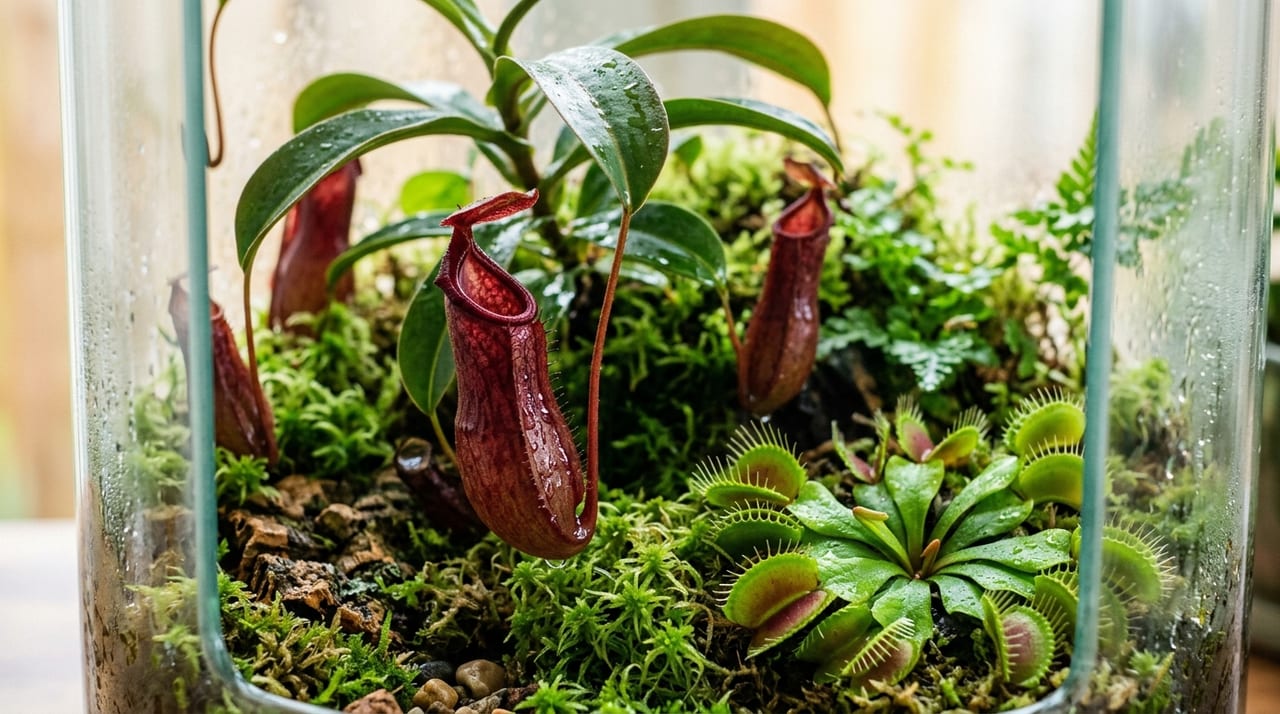
Nepenthes (Pitcher Plant) is found primarily throughout Southeast Asia, with approximately 170 species known worldwide. It features pitcher-shaped "pitchers" at the leaf tips and employs a "pitfall trap" insect-catching strategy: sweet nectar secreted near the pitcher opening lures insects, which then slip down the smooth interior walls and are dissolved by digestive enzymes. The pitchers vary widely in color, shape, and size depending on the species, which also contributes to their popularity among collectors.
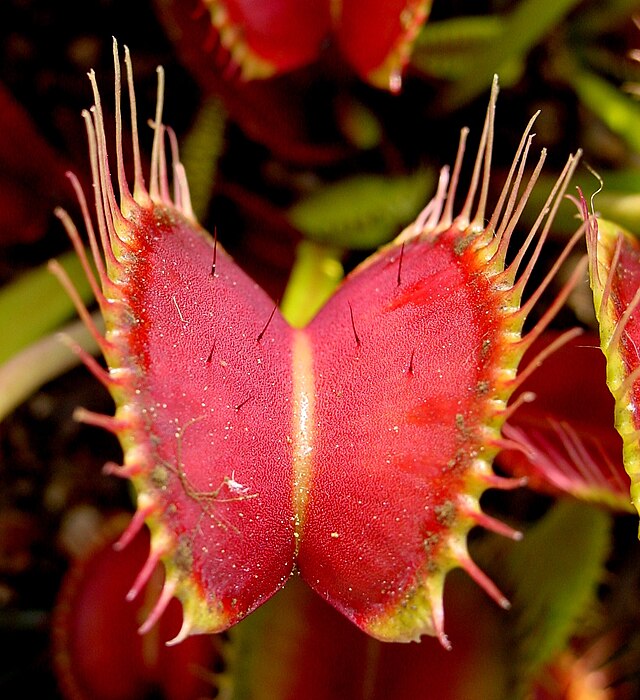
Venus flytrap is the world's only naturally occurring species of its kind, found solely in the wetlands near North Carolina in North America (though many cultivars exist). Its clam-shaped leaves have trigger hairs on the inside; when an insect touches these hairs twice, the leaf snaps shut in under 0.1 seconds using a "snap-trap" mechanism. Its swift motion captivates observers and appeals to people of all ages, from children to adults.
Differences in Temperature and Dormancy Management
The most significant factors affecting cultivation difficulty are "temperature management" and "dormancy requirements."
Temperature Management for Nepenthes
Nepenthes species fall into two main categories: "lowland" and "highland" types.
- Lowland species (from elevations below 1,000 m): Prefer temperatures of 20–35°C year-round. Similar to Japanese indoor environments, they're easy to manage year-round with air conditioning
- Highland species (from elevations above 1,000 m): Prefer a temperature differential of around 25°C during the day and 15°C at night. Summer heat control is necessary, making cultivation somewhat more challenging
Lowland species are recommended for beginners. Nepenthes lacks dormancy and grows continuously year-round, so no special seasonal management is needed.
Temperature and Dormancy Management for Venus Flytrap
Venus flytrap can tolerate a relatively wide temperature range of 5–35°C, but winter dormancy (roughly November to February) is essential. During this period, plants should be kept in cool temperatures of 5–10°C; even though the above-ground portions appear to wither, the roots remain alive. Mistakenly thinking the plant is dead and stopping watering or moving it to a warm location may prevent it from sprouting the following spring.
If you properly understand dormancy management, it's not difficult; however, for those who prefer to keep plants indoors in warm conditions year-round, Nepenthes is simpler to manage.
Comparison of Watering, Light, and Placement
The ease of daily care is also an important factor in choosing a species.
Watering
| Nepenthes | Venus Flytrap | |
|---|---|---|
| Method | Water thoroughly when sphagnum moss begins to dry | "Bottom watering" with constant water in a tray |
| Frequency | Adjust based on season and environment | Simply top up the water |
| Notes | Excessive moisture/bottom watering causes root rot | Water deprivation is fatal. Avoid tap water (distilled or rainwater recommended) |
In terms of watering convenience, Venus flytrap has the advantage. Bottom watering is as simple as "never letting the tray dry out," making it suitable even for forgetful growers. However, tap water minerals and chlorine can weaken plants, so use distilled water, rainwater, or filtered water.
Nepenthes requires high humidity; during dry seasons, misting the leaves and pitchers with a spray bottle helps maintain plant health.
Light and Placement
- Nepenthes: Prefers bright shade to partial shade. Direct sunlight causes leaf burn. A bright indoor windowsill is ideal
- Venus flytrap: Requires at least 4–6 hours of direct sunlight daily. Insufficient light causes elongated growth and reduced trap effectiveness. A sunny outdoor location is ideal
For indoor cultivation, Nepenthes is far more advantageous. If growing Venus flytrap indoors, consider using a plant growth light.
Availability and Price Range
Nepenthes
- Common lowland varieties: ¥1,000–3,000
- Popular highland varieties: ¥2,000–5,000
- Rare or large varieties: ¥5,000–50,000+
Price ranges vary widely by variety, and high-end plants for collectors are not uncommon. Propagation is primarily through cuttings, though rooting takes time and is somewhat difficult.
Venus Flytrap
- Common plants: ¥500–2,000
- Specialty varieties (red forms, large types, etc.): ¥1,000–5,000
Available in garden centers and nurseries, Venus flytrap offers an accessible price point for beginners. Propagation is primarily through division, with leaf propagation also possible with experience. Because it's easy to propagate, it suits those who enjoy growing multiple plants.
Which One Is Right for You?
Based on the comparisons above, here's a guide to choosing:
Nepenthes is recommended for those who:
- Want to grow year-round on an indoor windowsill
- Want to avoid winter cold management and dormancy care
- Want to enjoy the variety of pitcher shapes, colors, and patterns
- Want to add a tropical aesthetic to your decor
Venus flytrap is recommended for those who:
- Want to enjoy the dynamic movement of a living trap
- Have a sunny outdoor location available
- Want to start with carnivorous plants affordably
- Want to enjoy propagating and multiplying plants
Which is "easier to grow" depends on your environment and goals. Nepenthes suits indoor growers, while Venus flytrap suits outdoor enthusiasts.
Start Growing Carnivorous Plants with Confidence at GrowerDirect
One common reason for cultivation failure is purchasing plants in poor condition. Plants stressed during distribution may already be weakened by the time they arrive.
At GrowerDirect, you can purchase directly from growers who specialize in carnivorous plants. You can verify producer profiles and growing environments beforehand, allowing you to "inherit" plants cultivated in their specific conditions—providing significant peace of mind.
Expert packing also ensures delicate carnivorous plants arrive undamaged. Since you can consult directly with producers about cultivation questions after purchase, beginners can start with confidence. Whether you seek rare varieties or have preferences for specific growing conditions (highland or lowland types), we encourage you to find your ideal plant at GrowerDirect.