Post-Bloom Care: The Annual Cycle from New Growth to Flower Formation
Post-Bloom Care: The Annual Cycle from New Growth to Flower Formation。After the orchid's flowers fade, many growers wonder "what should I do now?
Key Takeaways
Post-Bloom Care: The Annual Cycle from New Growth to Flower Formation。After the orchid's flowers fade, many growers wonder "what should I do now?
Related Species
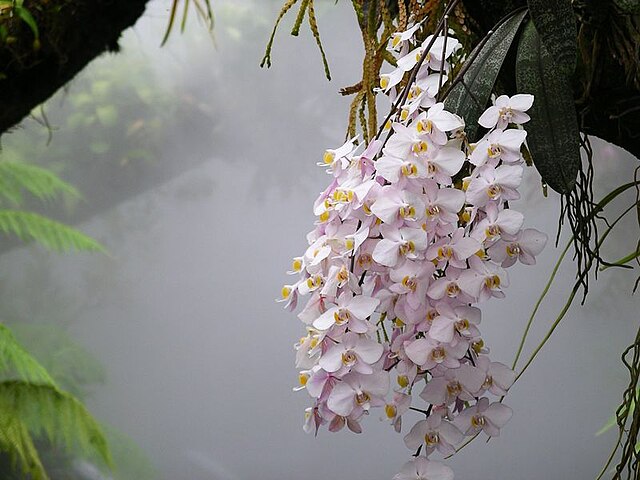
After the orchid's flowers fade, many growers wonder "what should I do now?" The year from the end of the flowering period to the next bloom is a crucial time for the plant to build strength and prepare for the next flowers. Understanding and managing this cycle is the key to achieving abundant blooms year after year.
Post-Bloom Care: An Ending That Begins the Next Cycle
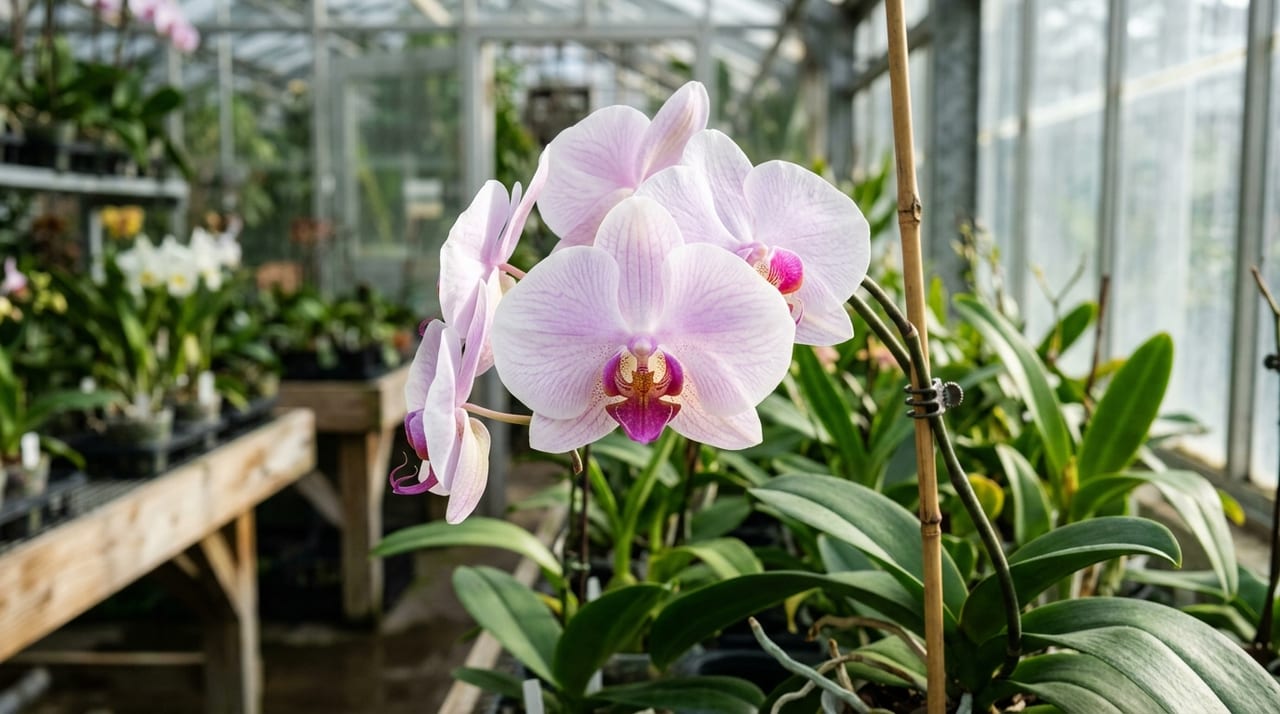
Once all the flowers have fallen, the first task is to manage the flower spike. In the case of Phalaenopsis, cutting the flower spike above a node can sometimes trigger reblooming from lateral buds. However, this only works when the plant has sufficient strength. For weakened plants, cut the spike back to the base and prioritize rest.
It is important to change your management approach immediately after blooming.
- Reduce watering frequency compared to the flowering period (water only after the medium has completely dried out)
- Switch to diluted liquid fertilizer or pause fertilizing temporarily
- Maintain a bright, semi-shaded location while avoiding direct sunlight
Right after cutting the flower spike, the plant is depleted. Overfeeding out of impatience can damage the roots, so I recommend treating this period as a "rest period for recovery" and managing accordingly.
The New Growth Period: Don't Miss the Signs of Growth
As temperatures begin to rise from spring into early summer, healthy plants will produce new leaves and buds. In Phalaenopsis, these appear at the center of the leaves; in Cattleya and Dendrobium, they emerge near the base of the plant. When you see this activity, it's a sign that the plant is beginning active growth again.
Once new growth is confirmed, proceed with the following steps:
- Gradually increase watering frequency (to approximately when the medium is still slightly moist, before it completely dries)
- Resume slow-release fertilizer or diluted liquid fertilizer
- Check the plant's condition once new leaves have appeared and consider repotting if necessary
Repotting is best done right after new growth appears or when root tips are changing from white to green—when "the roots are active." If the old medium has deteriorated, take this opportunity to switch to fresh bark or sphagnum moss. After repotting, avoid direct sunlight and let the plant settle for a while before returning to normal care for better root establishment.
Summer Care: The Peak Growth Period and Precautions
Summer is the most vigorous growth season for most orchids, but it's also when problems from high heat, direct sunlight, and poor air circulation are most likely to occur.
Temperature and Shading: Japanese summers can be too hot for orchids. Especially indoors, be careful not to let daytime temperatures continuously exceed 35°C. Direct sunlight through windows can cause leaf burn, so use lace curtains or shade cloth to filter the light.
Watering and Air Circulation: In summer, evaporation is rapid and the medium dries quickly. However, if the medium stays wet overnight, root rot risk increases. Ideally, water in the morning so the medium is dry by night, and ensure good air circulation to prevent disease from moisture buildup.
Fertilizing: During vigorous growth, appropriate fertilizer directly translates to plant strength. Applying nitrogen-containing liquid fertilizer about once a week helps build up the plant adequately for the next blooms.
The Mechanism of Flower Formation: Conditions for Inducing Flower Buds
As autumn arrives, flower bud differentiation for the next bloom begins. Many orchids form flower buds in response to triggers such as "day-night temperature differences" or "changes in day length."
For Phalaenopsis, a temperature difference where nights are roughly 5-10℃ cooler than days from autumn through early winter promotes flower bud formation. Indoors, it's effective to deliberately lower nighttime temperatures or place plants on a windowsill where a temperature difference occurs between day and night. However, many varieties are sensitive to temperatures below 10℃, so be careful not to chill them too much.
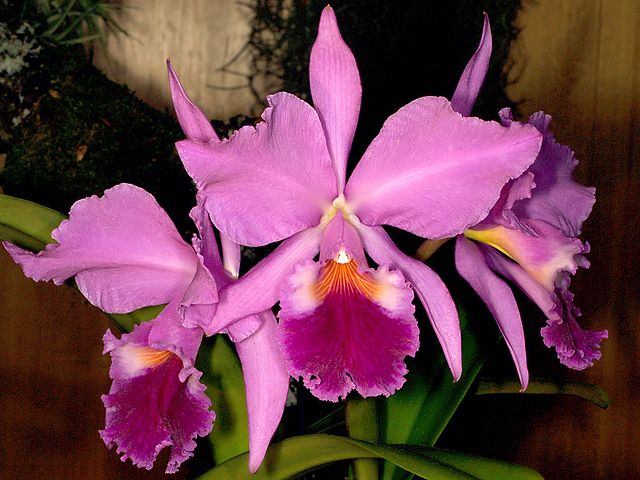
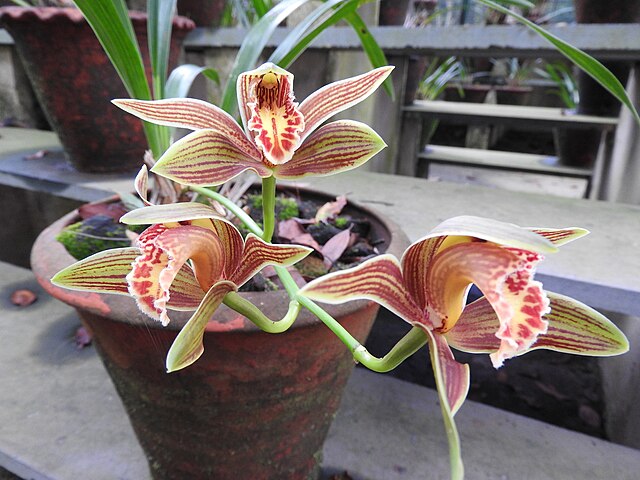
Other genera such as Cattleya and Cymbidium have their own specific flower bud formation conditions. Essentially, the flow of "robust summer growth → autumn changes in temperature and light → flower bud differentiation" is common. Since it's a prerequisite that the plant be well-grown and mature, it's no exaggeration to say that summer care determines whether flowering succeeds.
From Flower Bud Discovery to Bloom: Final Care
Once flower buds are confirmed, the goal is in sight. At this stage, avoiding sudden environmental changes is the top priority.
- Don't move the plant (flower buds remember the direction of light, and changing position can affect the flower's orientation)
- Continue watering and stake the flower stem as it begins to grow
- Lowering the concentration of liquid fertilizer or switching to a high-phosphorus type will enhance flower color
The rate of flower stem extension varies depending on temperature and plant condition. Since buds develop slowly over weeks to months, patience is important. Once buds begin to swell, watch for bud drop (blast) from temperature fluctuations or dryness. In rooms with strong heating and dry air, using a humidifier or misting the leaves is effective.
Mindful Year-Round Cultivation: Awareness of the Annual Cycle
The annual cycle of orchids flows as "flowering → rest period → growth period → flower bud formation → bloom." If you understand what to do in each period, you can avoid ad hoc management and cultivate the plant strategically.
The key is to keep observing the signals your plant sends. The color and luster of leaves, the movement of new growth, and the condition of roots are the best indicators of your plant's current health. By building up daily observation throughout the year, management practices suited to your environment will naturally develop. Even plants fresh from a grower, if you're mindful of this basic cycle, will show significantly improved blooming rates in subsequent years. Keep this complete cycle in mind as you carefully manage each season.