How to Grow Oncidium | The Charm of Yellow Flowers: The Dancing Lady
A guide to growing charming Oncidium with yellow flowers. Learn about ideal temperature and light levels, watering frequency, pseudobulb management, stem care after blooming, and differences from the related Odontoglossum.
Key Takeaways
A guide to growing charming Oncidium with yellow flowers. Learn about ideal temperature and light levels, watering frequency, pseudobulb management, stem care after blooming, and differences from the related Odontoglossum.
Related Species
What is Oncidium? The Charm of the Dancing Lady
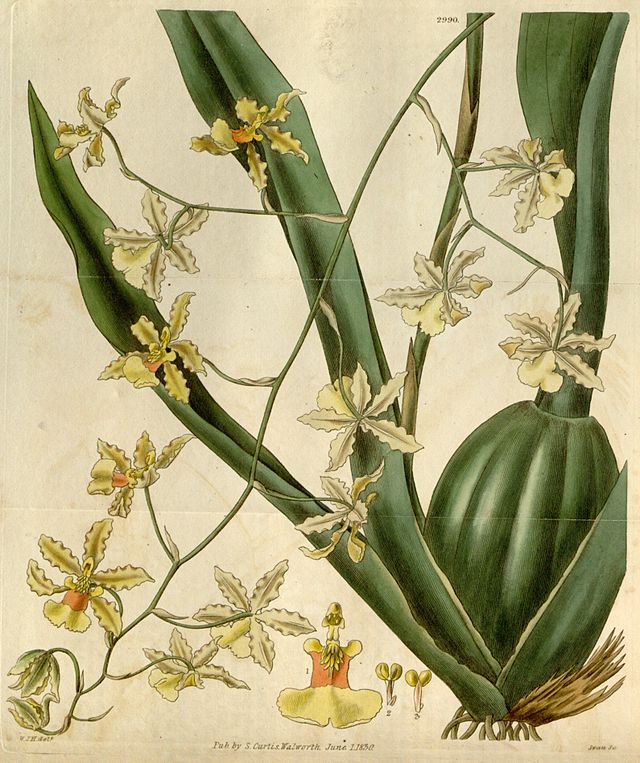
Oncidium is an orchid native to Central and South America, cherished for its delicate flowers under the affectionate name "Dancing Lady." The flowers earned this moniker because their petals seem to sway in the breeze like a woman in a flowing dance dress.
With over 1,000 varieties, the flowers range from vibrant yellow as the dominant color to bicolor forms combining brown, red, white, and pink. A single flower stem can bear dozens of small flowers in luxuriant sprays, instantly brightening any interior space. Compared to Cattleyas and Phalaenopsis, Oncidium is more resilient and easier to grow, making it increasingly popular as an orchid for beginners.
---
Location and Light Management
Oncidium prefers "bright shade." Avoid direct sunlight, especially intense afternoon sun or direct rays from the south side, as these cause leaf scorch. Ideal placement is by an east-facing window where soft morning light reaches the plant, or in bright light filtered through lace curtains.
Light intensity of approximately 15,000–30,000 lux is optimal. Insufficient light causes leaves to become etiolated and weak, reducing flower bud formation. Conversely, excessive light turns leaves a pale yellow-green. If leaves maintain a deep green color, light levels are appropriate.
Outdoor placement is possible from spring through autumn, but after the rainy season ends and through peak summer, use shade cloth (30–50% shade) to temper direct sun. Once autumn arrives, bring the plant indoors before night temperatures drop below 10°C.
---
Watering and Humidity Management
Oncidium requires a "dry-wet rhythm." Because pseudobulbs store water, overwatering causes root rot. The ideal cycle is "water 2–3 days after the soil is completely dry."
During the growing season (spring–autumn), water 1–2 times per week; reduce to 2–3 times per month in winter when dormancy intensifies. Water in the morning, giving the entire plant a thorough soaking until water flows freely from the pot's drainage holes. Never leave standing water in the saucer, as this invites root rot.
Ideal humidity is 50–70%. During dry winter months indoors, use a humidifier or mist around the plant base. When misting, avoid leaving water on leaf surfaces—perform it in well-ventilated areas. Water accumulating in leaf bases or at flower buds promotes rot.
---
Repotting and Substrate
Repot Oncidium every 2–3 years in spring (March–May) when new growth begins. Signs include roots emerging from the pot or declining drainage. If uncertain about timing, the orchid repotting checklist offers helpful guidance.
Use bark alone or a mix of bark, pumice, and expanded clay soil. Terracotta or slit pots offer excellent drainage and are highly recommended to prevent root rot. If using plastic pots, select a size one increment smaller and manage watering carefully with drainage in mind.
Follow these repotting steps: Remove old substrate as much as possible, then use clean scissors to trim decayed or dead roots. Dust the cut surfaces with fungicide (Orthocide, Benomyl, etc.) and let dry before potting in fresh substrate. For 1–2 weeks after repotting, shield from direct sun and water sparingly to encourage root establishment.
---
Fertilizing and Flowering Tips
Proper fertilization significantly improves Oncidium's flower bud formation. During the growing season (April–September), apply slow-release fertilizer (IB compound, etc.) once monthly, or liquid orchid fertilizer (such as Hyponex orchid formula) every two weeks. Choose a balanced formulation with nitrogen, phosphorus, and potassium.
Triggering flowering depends on autumn's diurnal temperature difference (October–November). Placing the plant where night temperatures drop to around 15°C signals "autumn" to the plant, promoting flower bud initiation. During this period, reduce watering slightly and stop fertilizing to build robust pseudobulbs—the foundation for blooming.
Pseudobulb condition is key to flowering. Wrinkled bulbs indicate insufficient water or nutrients. When the plant develops several plump pseudobulbs with 5–7 well-established leaves each, next year's flower buds emerge readily.
---
Pests, Diseases, and Daily Care Tips
Three main pests threaten Oncidium: scale insects, aphids, and spider mites. Scale insects appear as white cottony masses on leaf undersides and stems—remove them early with a soft brush or cotton swab, then spray with an insecticide like Orthene. Spider mites thrive in dry conditions; regular misting on leaf undersides and frequent leaf watering prevent infestations.
Watch for fungal diseases: black spot and soft rot, both triggered by excess moisture, high heat, and poor airflow. Ensuring good ventilation and proper watering management are the best preventive measures. New growth is especially vulnerable to rot if wet; take particular care in summer. If a plant weakens, the orchid recovery guide outlines restoration steps.
In daily care, remove spent flower stems at the base once blooms fade. Leaving them wastes the plant's energy without producing more flowers. Instead, direct your efforts toward building robust pseudobulbs for next year's display. Managed correctly, Oncidium rewards you with reliable annual flowers, deepening your attachment to this extraordinary orchid.
Related Articles
- 5 Beginner-Friendly Orchids | Comparing Varieties by Ease and Appeal — complementary beginner species to pair with Oncidium
- Orchid Repotting Checklist | Timing and Step-by-Step Procedure — recognizing repotting signals
- Orchid Recovery Guide | Restoring Plants from Root Rot and Leaf Scorch — troubleshooting and recovery steps