Species Orchids (Botanical Orchids) vs. Hybrids: The Joy of Collecting Nature's Individuality
What is the difference between species orchids and hybrid orchids? This article explains the appeal of each, cultivation considerations, the unique collecting experience with species orchids, and key points about CITES regulations to know when purchasing.
Key Takeaways
What is the difference between species orchids and hybrid orchids? This article explains the appeal of each, cultivation considerations, the unique collecting experience with species orchids, and key points about CITES regulations to know when purchasing.
Related Species
Hybrids and Species: What's the Difference?
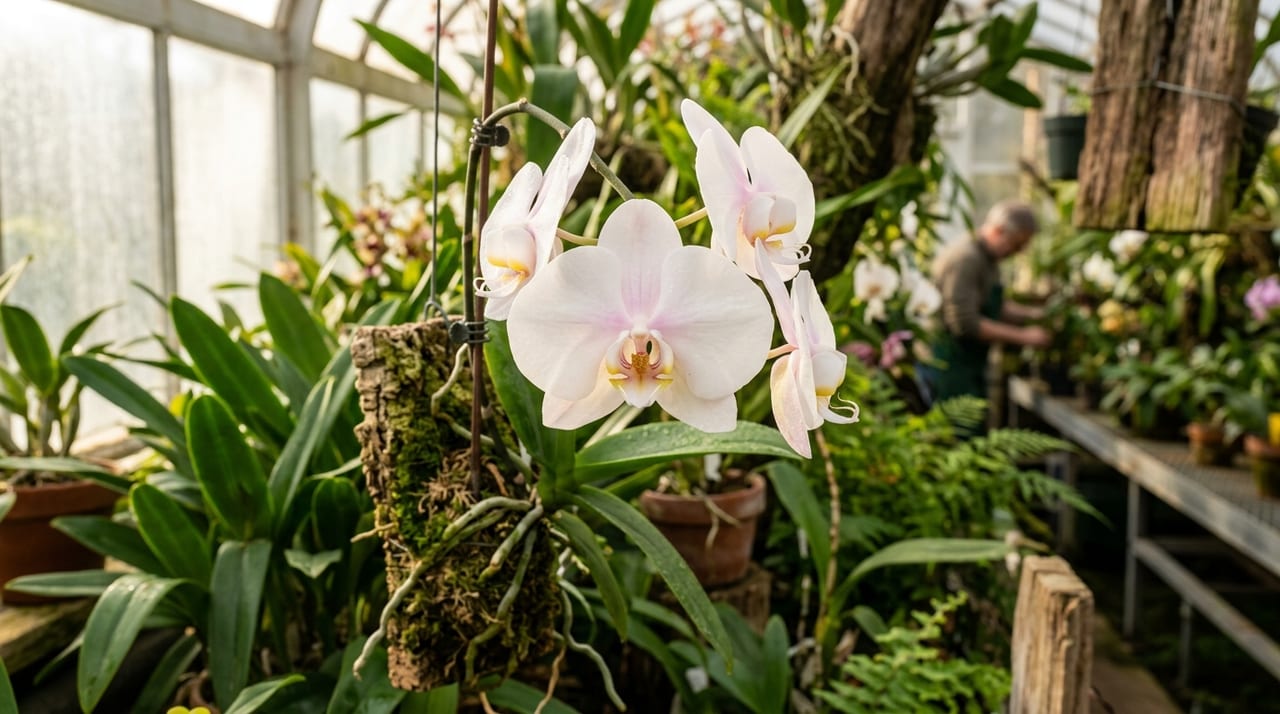
When entering the world of orchids, most people first encounter hybrid orchids such as phalaenopsis and cymbidium. With abundant flower colors, long blooming periods, and having been selectively bred for relatively easy cultivation, these hybrids are widely beloved as gift orchids.
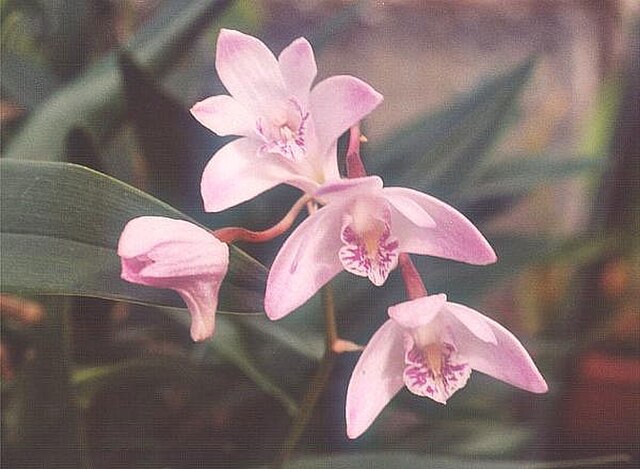
On the other hand, species orchids (botanical orchids) refer to wild varieties that exist naturally without having undergone human-made hybridization. If hybrids represent "the optimal solution created by humans," species orchids represent "the form nature has shaped over long periods of time"—and this difference brings tremendous breadth to how orchids can be enjoyed.
The Appeal of Hybrids: Stability and Elegance
Hybrids have the advantage of being highly predictable in cultivation results, since flower size, color, form, and disease resistance are deliberately combined. For those growing orchids for the first time, there is clear visibility toward blooming and a reassuring sense that failures are less likely.
Moreover, many hybrids have better flower longevity than species orchids and are consistently available year-round. With abundant color variations, they offer a wide range of possibilities for interior decoration. It is precisely this combination of "ease of handling" and "visual appeal" that has made hybrids so widely popular.
The Appeal of Species Orchids: Nature's Individuality
The greatest appeal of species orchids lies in their irreplaceable individuality—evolved through the climate, altitude, and ecological relationships of their native regions. Even within the same genus, flower size, fragrance, and blooming timing vary depending on the habitat, each carrying a "story unique to that species" that cannot be replicated through artificial hybridization.
Growing species orchids is not simply about enjoying beautiful flowers; the real pleasure lies in the process itself—imagining the original environment where the species thrived and working to recreate conditions as close as possible. While hybrids represent a "perfected answer," species orchids offer a "process of deepening understanding of nature."
Cultivation Considerations Specific to Species Orchids
Species orchids more distinctly reflect the environmental conditions of their native habitats compared to hybrids, so there are several cultivation considerations to keep in mind.
- Be mindful of the species' native climate: High-altitude species tend to be sensitive to summer heat and humidity, while lowland species tend to be sensitive to cold. Understanding what environment the species prefers—based on labels and information at the time of purchase—is the first step to successful cultivation.
- Understand the difference between epiphytic and terrestrial species: Species that grow as epiphytes on trees and rocks prefer well-draining potting media with distinct wet-dry cycles. Terrestrial species that root in soil, on the other hand, tend to prefer more moisture-retentive media.
- Don't rush the blooming cycle: Unlike hybrids, species orchids have not been bred to flower year-round. Respect the species' natural blooming period and cultivate with patience, appreciating the seasonal changes.
The Joy of Collecting: Following One Genus at a Time
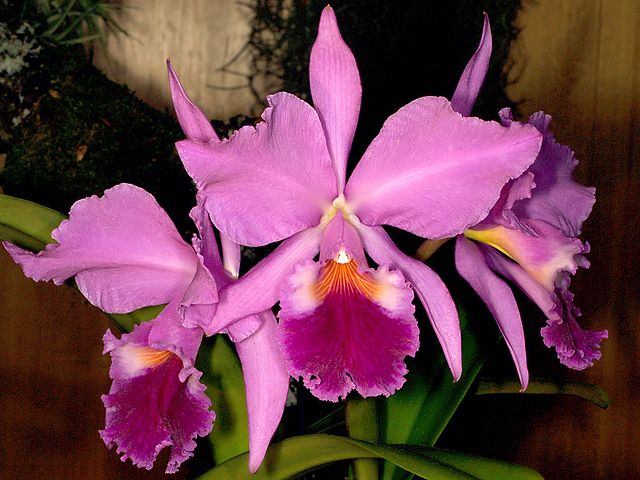
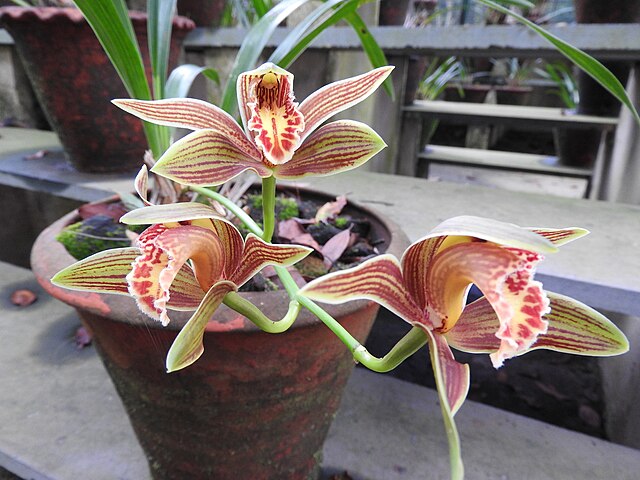
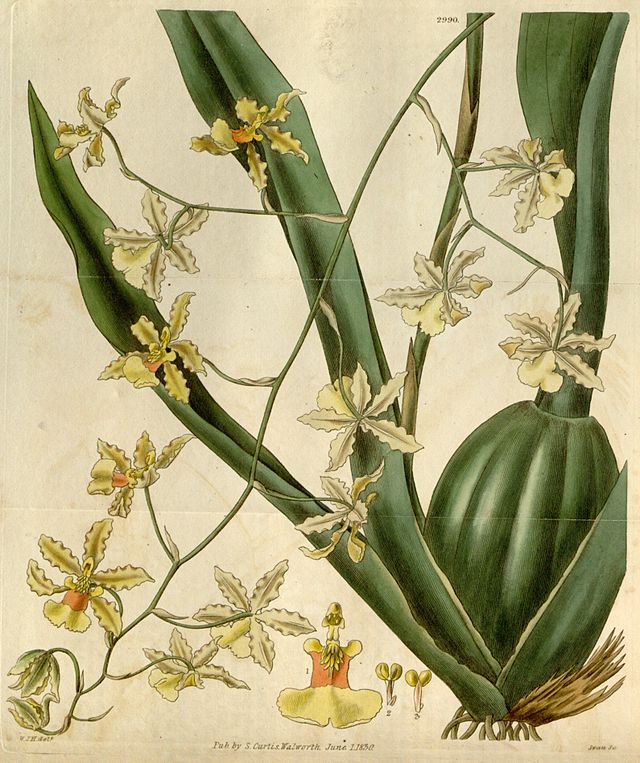
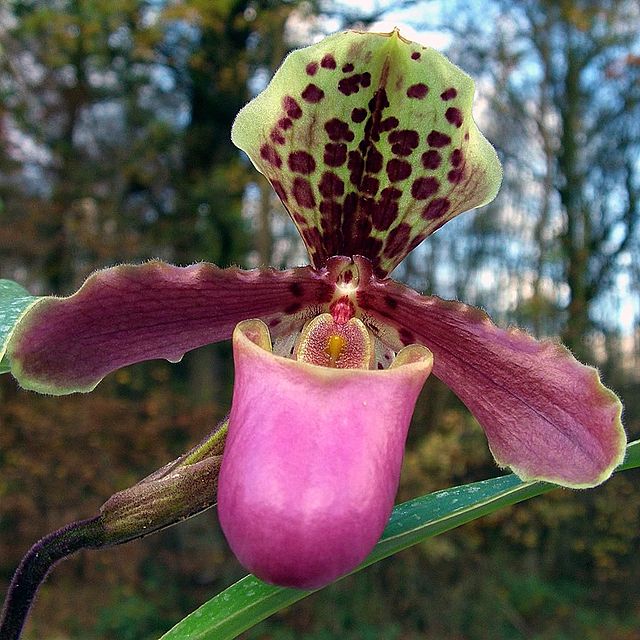
Species orchid collecting offers a unique joy distinct from hybrids. Within a single genus—such as Dendrobium, Cattleya, or the terrestrial-species favorite Paphiopedilum—there exists astonishing diversity of species, each with different flower forms and growing conditions. Many collectors systematically gather species within a particular genus and enjoy comparing and cultivating them together.
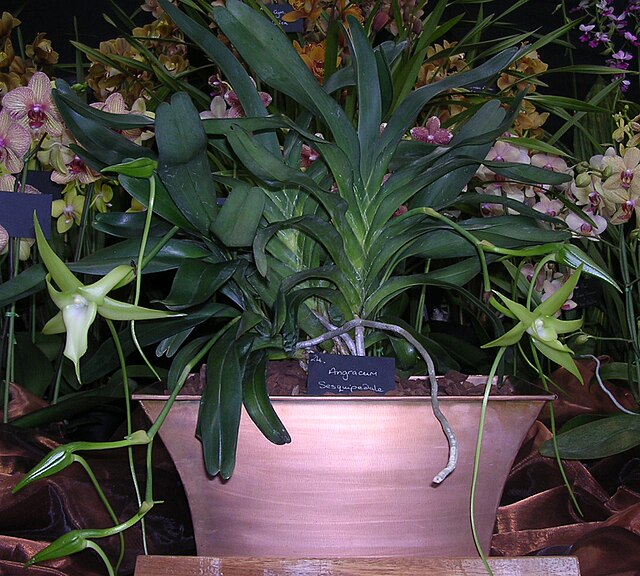
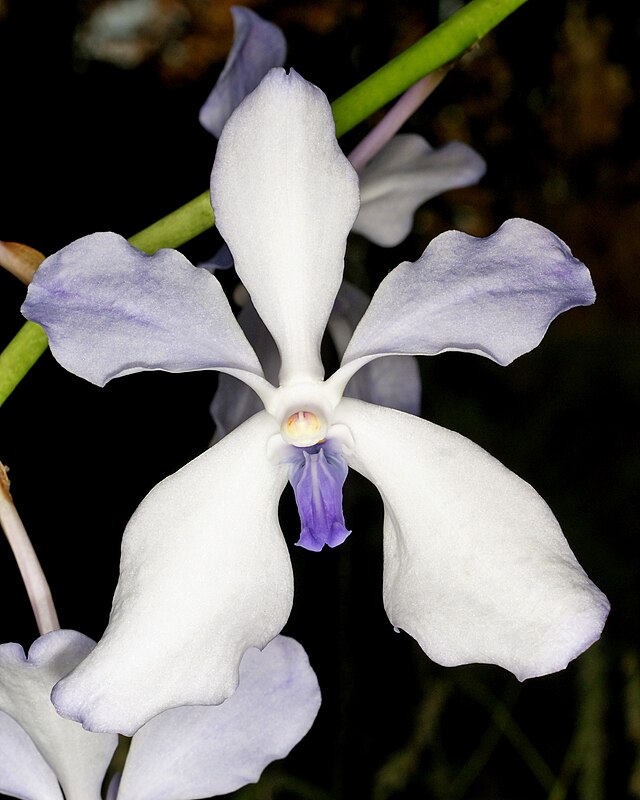
This collecting style offers more than simply "gathering rare things"; it provides a three-dimensional learning experience—experiencing the evolutionary diversity of a genus within your own growing space in a way that looking at a field guide cannot. The emotion when flowers bloom is accompanied by the joy of discovery: "How will this species flower in this environment?"—different from the "beauty as expected" of hybrids. You might focus on epiphytic species like Vanda and Oncidium, or choose Anguloa if you want to enjoy fragrance, building your collection around a chosen theme.
The Choice to Enjoy Both Hybrids and Species
There is no need to abandon hybrids just because species orchids appeal to you. Many enthusiasts, in fact, adopt a style that makes use of both: enjoying the easy-to-handle, showy hybrids in their daily cultivation while savoring the depth of nature through species orchids.
Hybrids deepen the "joy of displaying" orchids, while species orchids deepen the "joy of understanding" orchids—each playing its own role. If you wish to enjoy the world of orchids more deeply going forward, you might consider adding a species orchid alongside your familiar hybrids. By tending to your plant while contemplating the natural environment where the species evolved, you will discover a new way of engaging with orchids.
CITES Regulations and What to Know When Purchasing
Most species orchids are subject to the Washington Convention (CITES), and the level of international trade regulation varies by species. While wild-collected specimens are subject to strict trade restrictions, artificially propagated specimens are relatively easier to obtain.
When selecting species orchids, it is advisable to confirm that the specimen is artificially propagated rather than wild-collected. With artificially propagated plants, you can enjoy the unique appeal of species orchids while supporting species conservation. Whether propagation method and provenance are clearly stated in the product information is an important factor when choosing species orchids.
Finding Species Orchids on GrowerDirect
Species orchids are less readily available in the trade than hybrids, and in-store encounters are limited. On GrowerDirect, you can purchase from growers specializing in species orchids while directly confirming whether the plant is artificially propagated and its provenance. If you are interested in a particular genus or species, you can ask about cultivation environment details on the product page.