Guide to Acquiring and Growing Rare Orchids | Species Orchids & Miniature Orchids
A comprehensive guide to sourcing and cultivating rare species orchids. Learn about their charm, how to find them domestically and internationally, CITES appendix fundamentals, 5 species orchids recommended for beginners, cultivation tips, and strategies for expanding your collection.
Key Takeaways
A comprehensive guide to sourcing and cultivating rare species orchids. Learn about their charm, how to find them domestically and internationally, CITES appendix fundamentals, 5 species orchids recommended for beginners, cultivation tips, and strategies for expanding your collection.
Related Species
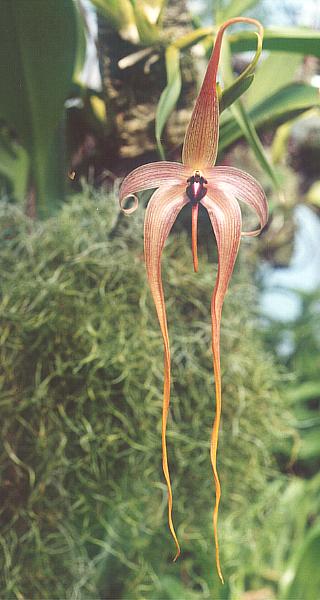
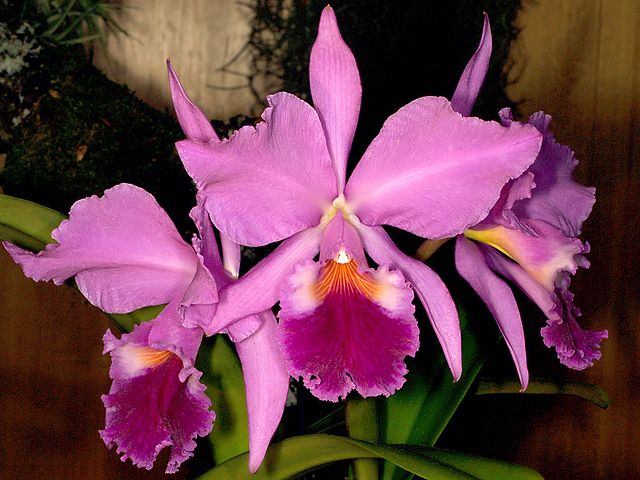
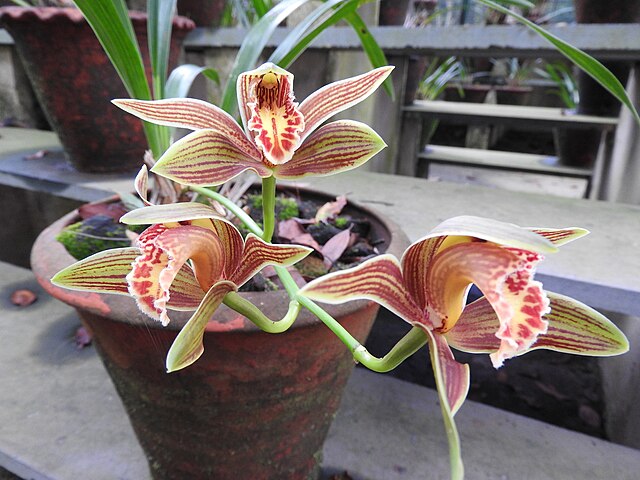
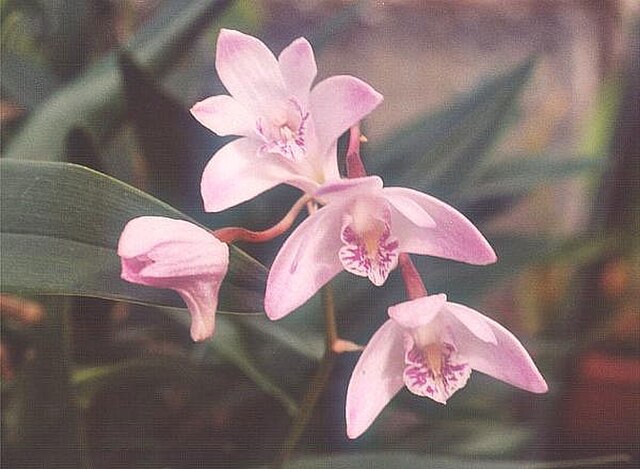
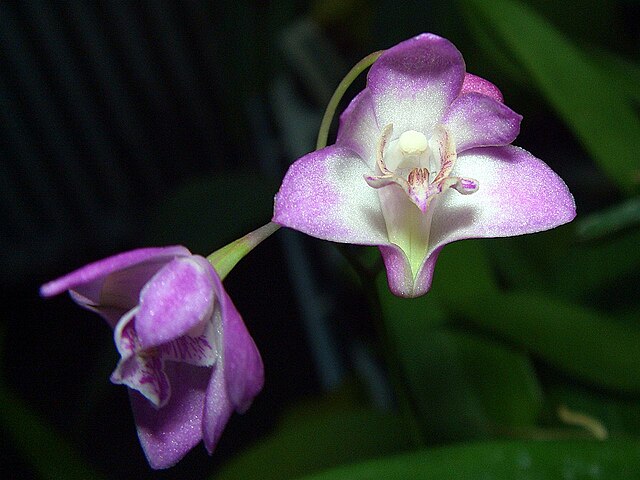
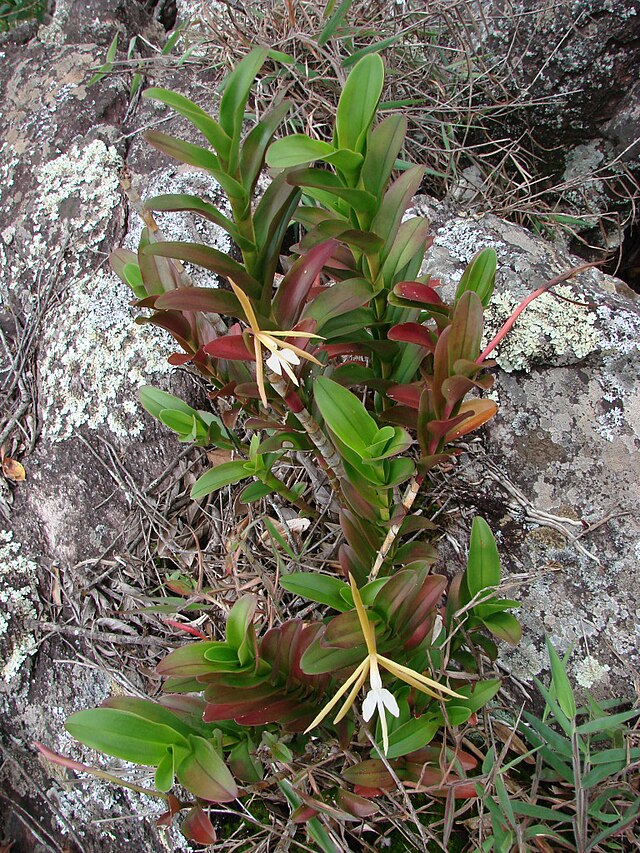
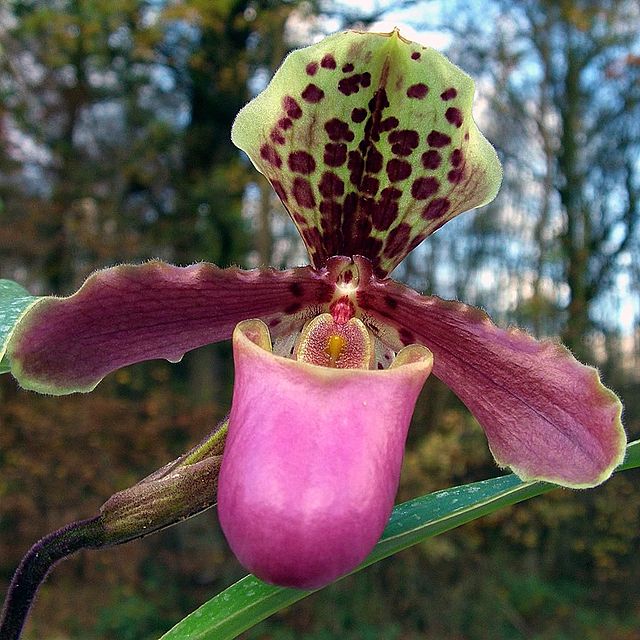
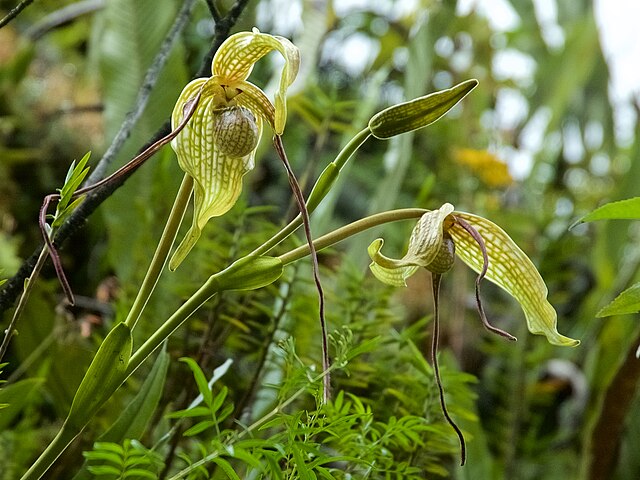
The world of orchids is home to over 25,000 wild species, a diversity unmatched in the plant kingdom. While the orchids found in garden centers—such as phalaenopsis and cymbidiums—are primarily hybrids, species orchids possess a wild beauty and natural sculptural form that hybrids cannot replicate. In recent years, interest in wild orchid species and miniature orchids has grown, and the collector base has expanded accordingly.
The Appeal of Wild Orchid Species
Species orchids are orchids in their natural state, unadulterated by human hybridization. They possess appeal on multiple fronts:
- Natural sculptural beauty: The unique flower forms and colors acquired through evolution carry an aesthetic depth that artificial hybrids cannot match
- Diversity: Species exist adapted to every environment—from canopy perches in tropical rainforests to rocky outcrops in alpine regions
- Collectibility: Variations by origin and individual variation can be enjoyed. The same species may display different flower colors or forms depending on its habitat
- Academic value: Observing species orchids is essential for understanding orchid evolution and ecosystem dynamics
- Breeding material: Superior wild species serve as parent plants for creating new hybrid varieties
Miniature orchids are collectively small orchid species, where the flowers or entire plant may be extremely diminutive. Some species, such as Restrepia and Stelis, bear flowers mere millimeters across; examining them under a magnifying glass reveals their intricate structure.
Methods for Acquiring Species Orchids
There are multiple channels for acquiring rare wild orchid species. Understanding each method's characteristics will help you choose the approach that suits you best.
- Orchid exhibitions and sale events: Major world orchid shows and regional exhibitions are the premier gatherings where specialist vendors congregate. There is reassurance in being able to inspect plants in person before purchasing. Plan your schedule around events held several times annually
- Specialty orchid nurseries: Retail orchid nurseries exist throughout the country. The greatest benefit is receiving direct cultivation advice from knowledgeable shop owners
- Online specialty retailers: More orchid specialists are operating web shops. The wide selection and convenience of ordering from home make this increasingly popular
- Orchid societies and exchange meetings: Joining local orchid societies connects you with opportunities to acquire rare species through member plant exchanges and sale events
- International imports: Direct purchase from overseas orchid nurseries is possible, but requires careful attention to phytosanitary certificates and CITES (Convention on International Trade in Endangered Species) regulations
Personal imports from abroad are suited to advanced cultivators. Understanding plant quarantine documentation, import inspection procedures, and post-arrival acclimatization requires multiple procedural steps and can lead to complications if overlooked.
Fundamental Knowledge of CITES (Convention on International Trade in Endangered Species)
Many orchid species are subject to international trade regulations. Understanding CITES is essential for anyone trading in wild orchids.
- Appendix I: Subject to the strictest regulations. International commercial trade is generally prohibited. All species in the Paphiopedilum genus fall under this category, as do all Phragmipedium species (with exceptions for artificially propagated specimens)
- Appendix II: Nearly all orchid family plants are classified here. Trade is permitted with export permits issued by the exporting country's government
- Artificially propagated specimens: Orchids propagated by human cultivation are subject to relaxed regulations compared to wild-collected plants
- Checking national laws: Beyond CITES, individual countries may have domestic protections. In Japan, certain orchids are designated under the Species Conservation Law
- Verification at purchase: Confirm that stock has been acquired through legitimate channels. Plants of unknown origin can become problematic
Sourcing from legal channels contributes to orchid conservation efforts. Unsustainable wild collection threatens species survival, making artificially propagated specimens the recommended choice.
5 Beginner-Friendly Species Orchids
Among species orchids, some are comparatively easy to grow and readily available. Start your collection with these.
- Dendrobium kingianum: A hardy Australian native species. Cold-tolerant (withstanding temperatures near freezing) and well-adapted to Japan's climate. In spring, it produces charming pale pink to white flowers in clusters. This is the premier species orchid for beginners
- Bulbophyllum lobbii: An epiphytic orchid widely distributed across Southeast Asia. Distinguished by its solitary large flowers and distinctive fragrance. An excellent entry point to the Bulbophyllum genus. It thrives in heat and high humidity and presents no difficulty if kept from drying out
- Epidendrum porpax: An ultra-miniature epiphytic orchid native to Central and South America. With a plant size of roughly 5 cm, it is exceptionally compact. Mount on cork or tree fern fiber and cultivate. Vigorous and easy to propagate
- Pleurothallis grobyi: A small species widely distributed across Central and South America. Easy to cultivate and flowers proliferate in succession. Suitable for terrarium cultivation
- Cattleya walkeriana: A Brazilian native species cattleya. Produces large, impressive flowers on compact plants. The fragrance is exceptional. Slightly more advanced, yet popular as an entry point to species cattleyas
These species are relatively easy to source from specialty shops and online retailers, with reasonably priced specimens in circulation.
Key Cultivation Points for Species Orchids
The most important aspect of growing species orchids is understanding their native habitat and recreating those conditions.
- Elevation and temperature range: Species are broadly categorized into three groups: lowland tropical (warm), mid-elevation (intermediate), and cloud forest (cool). Success hinges on selecting species suited to your growing environment
- Distinguishing epiphytic, terrestrial, and lithophytic orchids: Grow epiphytic orchids on tree fern fiber, cork, or bark. Grow terrestrial orchids in standard potting mix. Grow lithophytic orchids in substrate rich with gravel and sand
- Recreating seasonal variation: Most species orchids originate in regions with distinct dry and wet seasons. Provide ample water during the growing season and reduce watering during the dormant period; this rhythm is crucial
- Light management: Light requirements vary significantly by species. Some prefer direct sun; others prefer deep shade
- Fertilization: Species orchids generally require modest feeding. Apply dilute liquid fertilizer two to three times monthly during the growing season
- Patience: Species orchids tend to grow more slowly than hybrids. Resist rushing; allow the plant time to acclimate to its environment
In the beginning, grouping species that share the same temperature range and cultivation conditions simplifies management. As you gain experience, gradually introduce species with different environmental needs.
Expanding Your Species Orchid Collection
Building your collection should proceed strategically.
- Deep dive into a single genus: Identify a genus that appeals to you, then collect different species within that genus. Doing so reveals the genus's distinguishing characteristics and shared cultivation principles
- Keep cultivation records: Document which species thrived under which conditions and whether they flowered. This record-keeping builds your cultivation expertise steadily
- Connect with other enthusiasts: Participation in orchid societies and online communities creates opportunities for information exchange and plant divisions
- Collect by origin: The same species displays different flower colors and forms depending on its habitat. Plants with origin labels carry higher collector value
GrowerDirect connects you directly with growers specializing in species orchids. Sourcing from growers provides access to plants with clear cultivation histories and origin information, and you can receive cultivation guidance directly. Working with trustworthy growers is the first step to expanding your species orchid collection.