Roridula Care Guide
From Roridula's unique ecology of sticky traps and symbiosis with minute pirate bugs, this guide explains key cultivation points including location, watering, soil, and propagation.
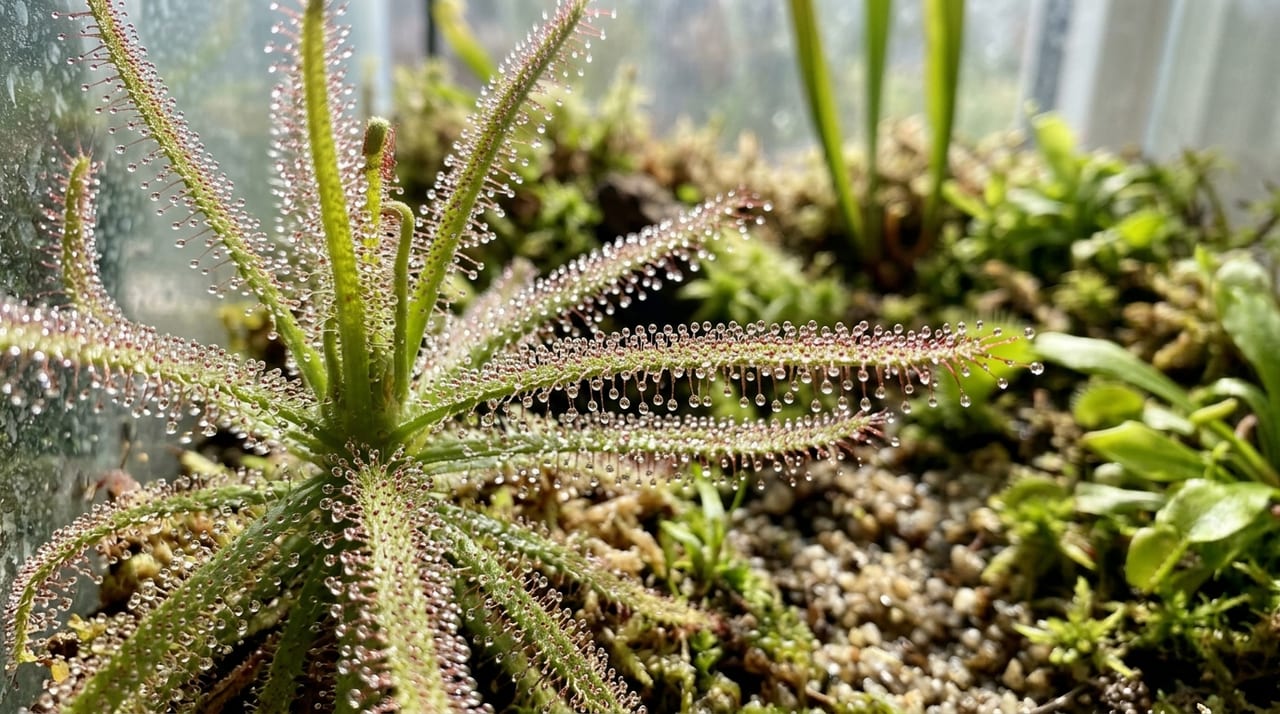
Key Takeaways
From Roridula's unique ecology of sticky traps and symbiosis with minute pirate bugs, this guide explains key cultivation points including location, watering, soil, and propagation.
Related Species
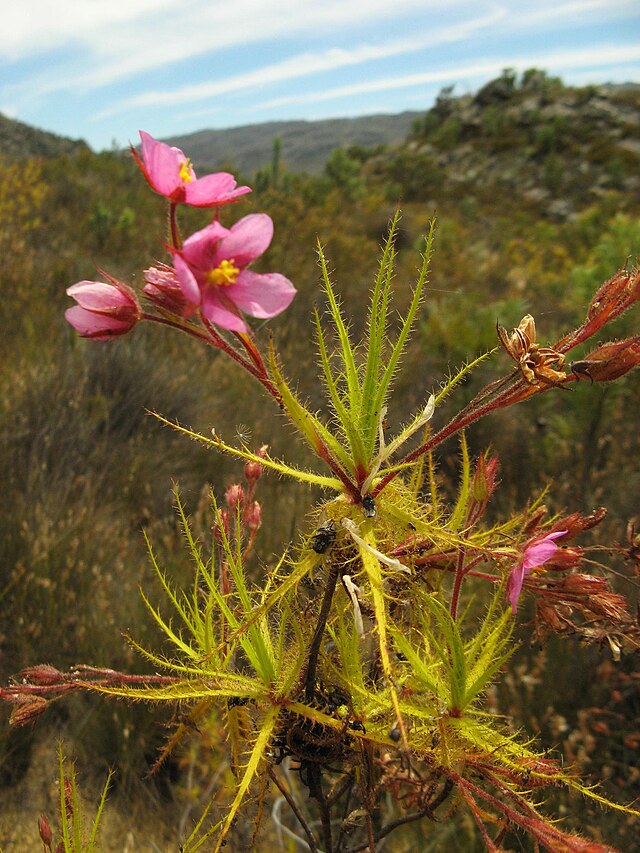
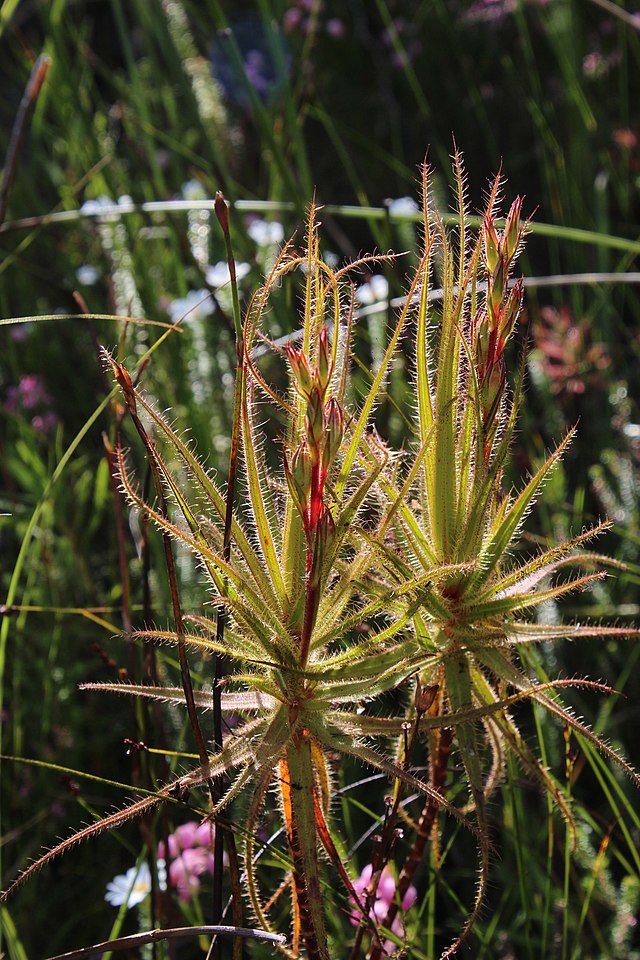
Roridula is a carnivorous plant native to the Cape Region of South Africa, characterized by sticky traps that capture insects using powerful mucilage secreted from the leaf surface. Unlike active types such as Venus flytraps and pitcher plants that move their leaves to capture prey, Roridula is characterized by a waiting strategy to capture small insects. Furthermore, a major characteristic of Roridula is its unique ecology—rarely seen in other carnivorous plants—in which it does not digest the insects it captures itself, but instead allows a symbiotic minute pirate bug to live on the insect-trapping leaves, and absorbs nutrients from the bug's feces after the bug feeds on the prey. Because the number of cultivated specimens is limited worldwide, the distribution volume is restricted, but this has also made it a plant of great interest to cultivators.
Basic Characteristics of Roridula
Several species of Roridula are known, but the ones most commonly introduced in cultivation are Roridula gorgonias and Roridula dentata.
| Species | Leaf Characteristics |
|---|---|
| Roridula gorgonias | Characterized by radiating narrow leaves; the entire leaf surface is covered with glandular hairs that secrete mucilage |
| Roridula dentata | Its name derives from the serrated, saw-tooth projections on the leaf margins; the insect capture method using mucilage is common to both |
Both species are adapted to the Fynbos vegetation environment unique to South Africa, and unlike many other carnivorous plants, they possess a degree of tolerance to dryness, which becomes an important point in cultivation. As the plant matures, the stem becomes woody and elongates into a shrubby form, which is another major characteristic.
Location and Light Management
Roridula is a plant that prefers bright environments. Outdoors, it should be placed in a well-lit location; indoors, near a bright window or balcony where sufficient light can be ensured. Since the Fynbos, its native habitat, is an environment with strong sunlight and good air circulation, similar conditions—bright and well-ventilated—are important in cultivation to promote healthy growth and mucilage secretion. If light is insufficient, the amount of mucilage on the leaves decreases, and the insect capture ability may decline, so it is worth reconsidering the location during seasons when daylight hours become shorter. During peak summer, intense direct sunlight can cause leaves to dry out excessively, so during extremely hot periods, it is important to adjust conditions as needed, such as moving the plant to a semi-shaded location.
Watering and Soil Management
While most carnivorous plants are native to wetlands and prefer high moisture, Roridula differs in that it dislikes excessive moisture compared to other carnivorous plants. The basic approach is to water only after the soil surface has dried out, and to avoid methods such as constantly maintaining standing water. Soil is typically composed of the following well-draining materials, and selecting soil with good drainage is essential to prevent root rot.
- Peat moss
- River sand
- Perlite
Regarding water quality, as with other carnivorous plants, rainwater or distilled water with low mineral content is recommended. If using tap water, it is advisable to monitor the effects of water quality while managing the plant.
Propagation and Daily Care
The typical method of propagating Roridula is from seed and seedlings. Although germination can take some time, germination rates can be improved by managing the plant in a bright, well-ventilated environment. In daily care, observing the mucilage secretion state and color of the leaves provides clues to the plant's health. When mucilage dries and decreases, it often signals that light exposure or watering balance needs adjustment, so making observation a habit allows early detection of changes. Also, when a symbiotic minute pirate bug is present, observing the presence of this bug as part of Roridula's unique ecosystem is one of the special pleasures of growing this plant.
Seasonal Care Considerations
Roridula prefers a relatively warm climate, so careful attention to winter temperature management is necessary.
- Winter: In regions where minimum temperatures drop significantly, it is advisable to bring the plant indoors to a bright location and protect it from extreme cold and frost.
- Summer: In hot and humid summer environments, ensuring good air circulation to prevent dampness is essential to keep the plant healthy.
At seasonal transitions, adjust watering frequency and location gradually while flexibly managing the plant according to its condition. This is the key to stably growing Roridula long-term.
Summary
Roridula is an individualistic presence among carnivorous plants, with its unique ecology of sticky traps for insect capture and symbiosis with minute pirate bugs. Understanding and managing the plant based on its characteristics—disliking excess moisture and preferring sunlight, unlike many other carnivorous plants—leads to healthy growth. Like Roridula gorgonias and Roridula dentata, the leaf shape varies by species, providing plenty of observation enjoyment. This site publishes an online catalog of carnivorous plants including Roridula grown by growers, so please feel free to explore if you are interested.