Complete Guide to Growing Sansevieria | Care and Management of a Hardy and Easy-to-Grow Houseplant Standard
A guide to growing Sansevieria, a classic houseplant recommended for beginners. Covers light, watering, repotting, and propagation methods including division and leaf cuttings.
Key Takeaways
A guide to growing Sansevieria, a classic houseplant recommended for beginners. Covers light, watering, repotting, and propagation methods including division and leaf cuttings.
Related Species
What Kind of Houseplant Is Sansevieria?
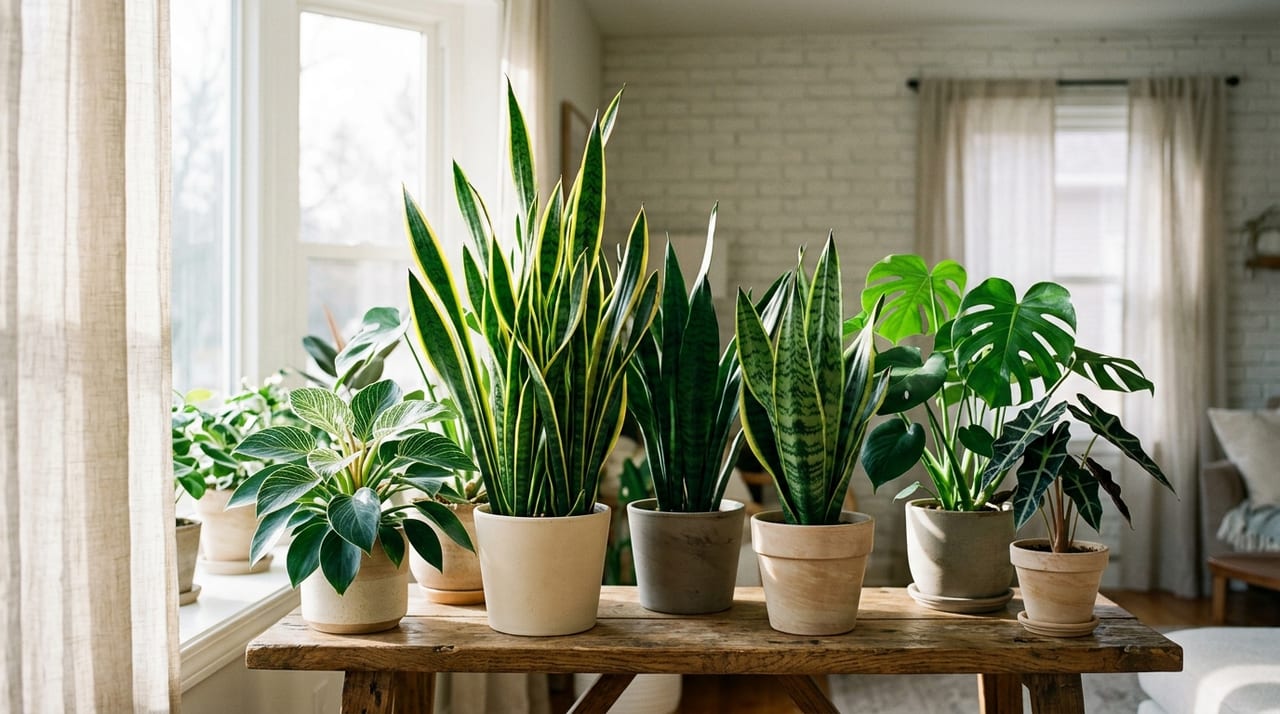
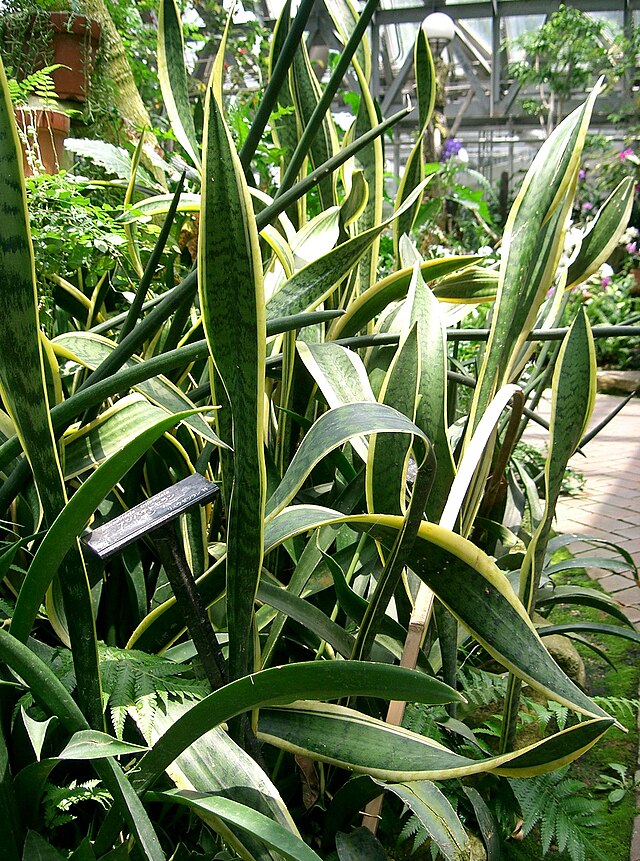
Sansevieria is a houseplant characterized by thick, upright leaves, and because it is hardy and easy to grow, it is a standard variety embraced by everyone from beginners to experienced growers. It is often introduced as a plant that can purify the air, and its ease of placement in various spaces such as living rooms and offices is one of the reasons for its popularity. Because it is also resistant to drought and requires little maintenance, it is easy to incorporate into homes that are frequently away or as greenery in offices.
Even within the same family, there is the pleasure of comparing different varieties with different forms. There are individual variations in leaf patterns and variegation, which also expands the enjoyment of choosing it as an interior accent.
- Classic type with the appeal of straight, upright leaves
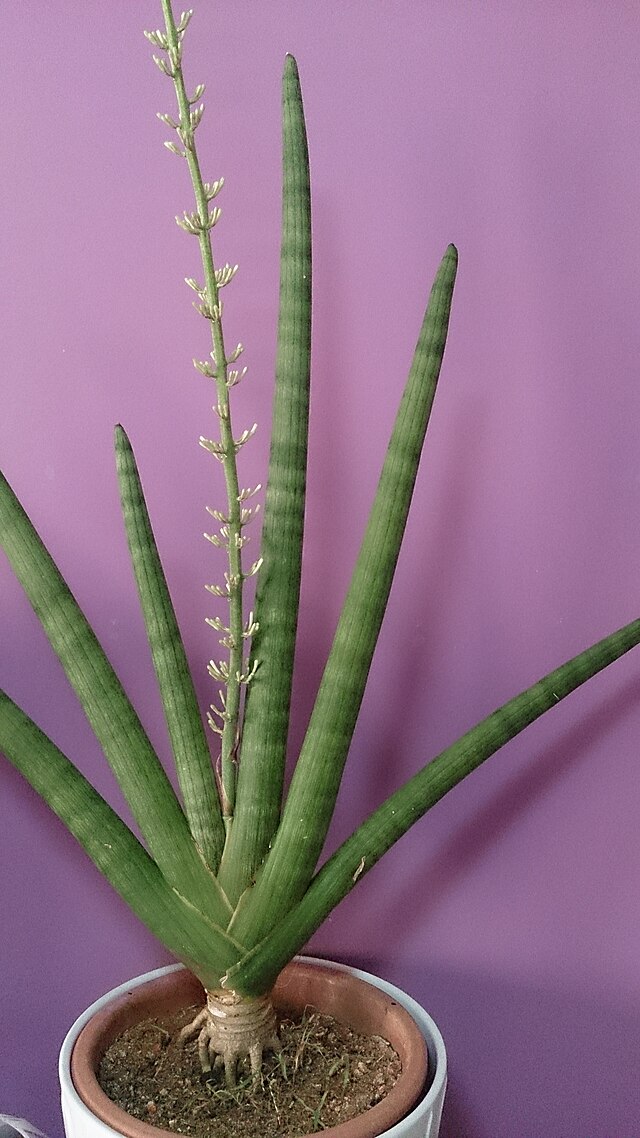
- Types with cylindrical leaves that spread radially, like Sansevieria cylindrica
- Plants with sharp vertical lines
- Plants with yellow-edged leaves
Location and Light
Sansevieria prefers bright locations but also has relatively high shade tolerance and can be grown in bright indoor spaces without direct sunlight. Here are the key points to watch regarding location and season.
- Bright indoor spaces: A location where light filters through lace curtains is recommended. If kept in an excessively dark location for an extended period, the leaves may lose their luster and growth may slow.
- Direct outdoor sunlight: While it has a relatively strong nature, sudden exposure to intense summer sun can damage the leaves, so it is safer to acclimate it gradually when moving from indoors to outdoors.
- Winter: Since it is not very cold-hardy, when temperatures drop, move it to a warm location indoors and do not leave it in a cold window or entryway.
Watering and Seasonal Management
Sansevieria is a drought-tolerant plant and is better suited to drier management than moist conditions. Here are watering guidelines by season.
| Season | Watering Guide |
|---|---|
| Spring to fall (growth season) | It is sufficient to water only after the soil surface dries. Overwatering can lead to root rot. |
| Winter (when temperatures drop) | Growth slows considerably, so reduce watering frequency significantly and keep the soil slightly dry. |
When uncertain about watering intervals, use leaf firmness as a guide and be mindful not to overwater. On the other hand, while drought-tolerant, prolonged extreme drying can cause leaf wrinkles. The key to maintaining a healthy plant is to be aware of seasonal variation and adjust watering frequency based on observation.
Soil and Repotting
Choosing a well-draining soil is essential for healthy Sansevieria growth. It is good to mix perlite or volcanic rock into potting soil for houseplants to prevent excess moisture from accumulating around the roots. Since this is a vigorously growing plant that tends to become root-bound, repotting into a slightly larger pot should be considered when roots begin to emerge from the pot's drainage holes. Because the roots are strong and excessive crowding can cause the pot itself to crack, be careful not to leave the plant in a pot that is disproportionately small for an extended period.
Repotting steps are as follows.
- Repot at the beginning of the growth season
- Remove old soil and prune any damaged roots
- Plant in fresh soil
- After repotting, withhold watering for a while and wait for the roots to adjust to the new environment before returning to normal care
Propagation
Sansevieria can be propagated relatively easily through division or leaf cuttings. Propagated plants often inherit the same hardiness as the original plant, and there is also the pleasure of expanding where you can place plants throughout the room. The fact that propagation method affects the expression of characteristics is an interesting point unique to Sansevieria cultivation.
- Division: When the plant becomes established, new shoots emerge from the rhizome, and at that point they can be separated and planted in a new pot. Division is the safer choice when you want to ensure the pattern is inherited.
- Leaf cuttings: Cut a healthy leaf and divide it to an appropriate length, then insert it into soil. Allowing the cut end to dry for a few days before inserting into soil promotes rooting while reducing the risk of rot. However, when propagating variegated varieties through leaf cuttings, leaves without variegation may occasionally appear.
Selection and Enjoyment
When selecting Sansevieria, choose plants with firm leaves and no discoloration or damage. In addition to the classic upright type, there are also varieties with distinctive leaf shapes, like Sansevieria cylindrica, so there is also the pleasure of choosing based on the atmosphere of the space where you want to display it. If you have the opportunity to purchase plants that have been carefully grown by growers, you can easily choose your preferred plant while checking its condition. Due to its hardy and low-maintenance nature, it is easy to recommend even for those growing houseplants for the first time, but by simply being careful not to overwater, you can enjoy a long-lived, healthy plant.
Since the way leaves grow and their color and luster change slightly depending on the location, one way to enjoy Sansevieria is to reassess placement during decorating changes and find how it grows best in your home's environment. Because it is hardy, it is a plant you can enjoy for a long time. Take the time to savor the pleasure of cultivating the plant over the long term.