Autumn–Winter Color Display and Styling Strategy | Color-Change Mechanisms and Management Techniques for Red, Purple, and Black Hues
A guide to the light, temperature fluctuation, and watering management techniques for bringing out autumn colors in succulents. Includes causes of weak or failed coloration, troubleshooting solutions, and how to select varieties with beautiful autumn displays.
Key Takeaways
A guide to the light, temperature fluctuation, and watering management techniques for bringing out autumn colors in succulents. Includes causes of weak or failed coloration, troubleshooting solutions, and how to select varieties with beautiful autumn displays.
Related Species
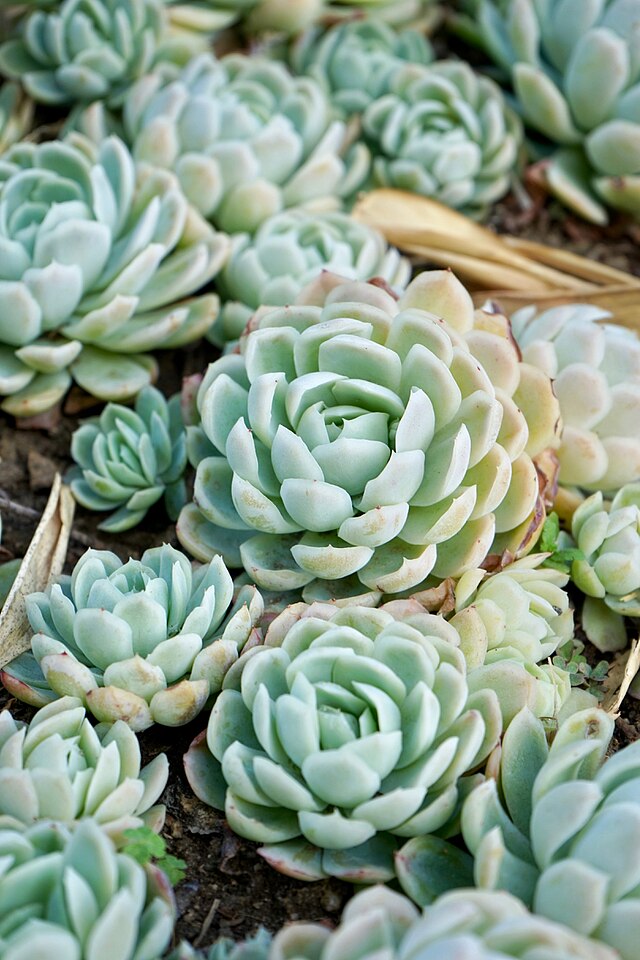
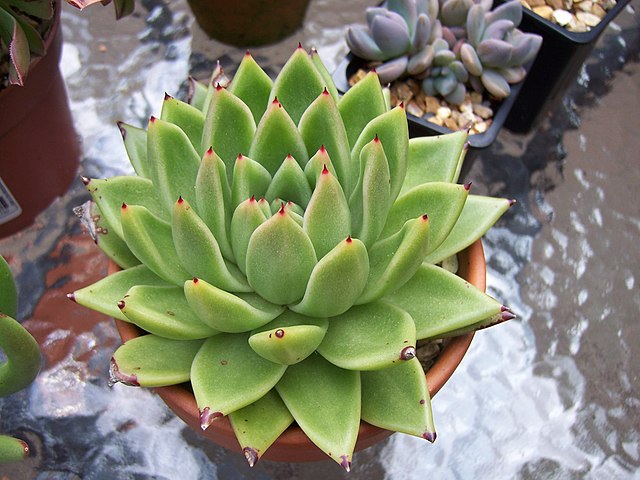
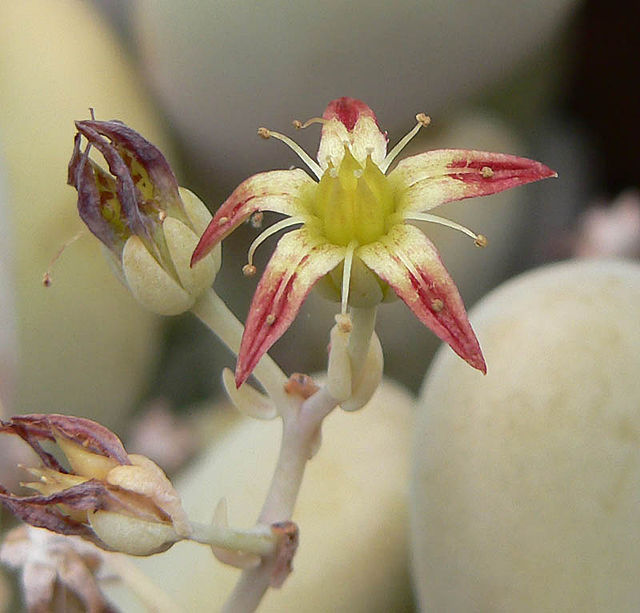
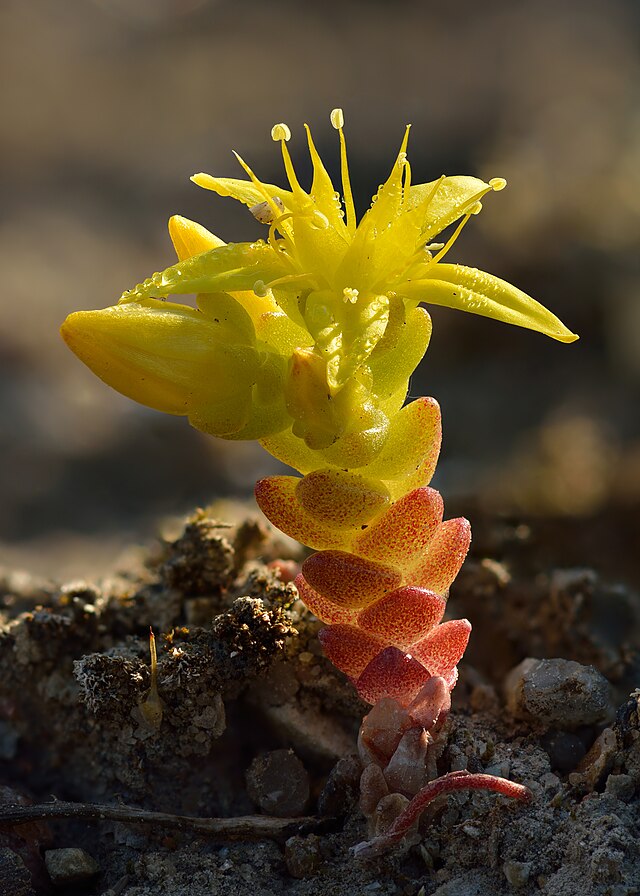
The autumn coloring of succulents is a dramatic transformation in which plants that were solid green throughout the summer shift to shades of red, purple, orange, and black as temperatures drop. One of the great joys of succulent cultivation is taking a plant purchased directly from a grower and coaxing it to display its full color palette in your own care. However, drawing out beautiful color requires consciously managing three key elements: light, temperature fluctuations, and watering. This article provides a systematic explanation of the scientific mechanisms behind color change, practical management techniques, approaches to variety selection, and solutions to common problems.
How Autumn Coloring Occurs | Pigment Dynamics and Accumulation
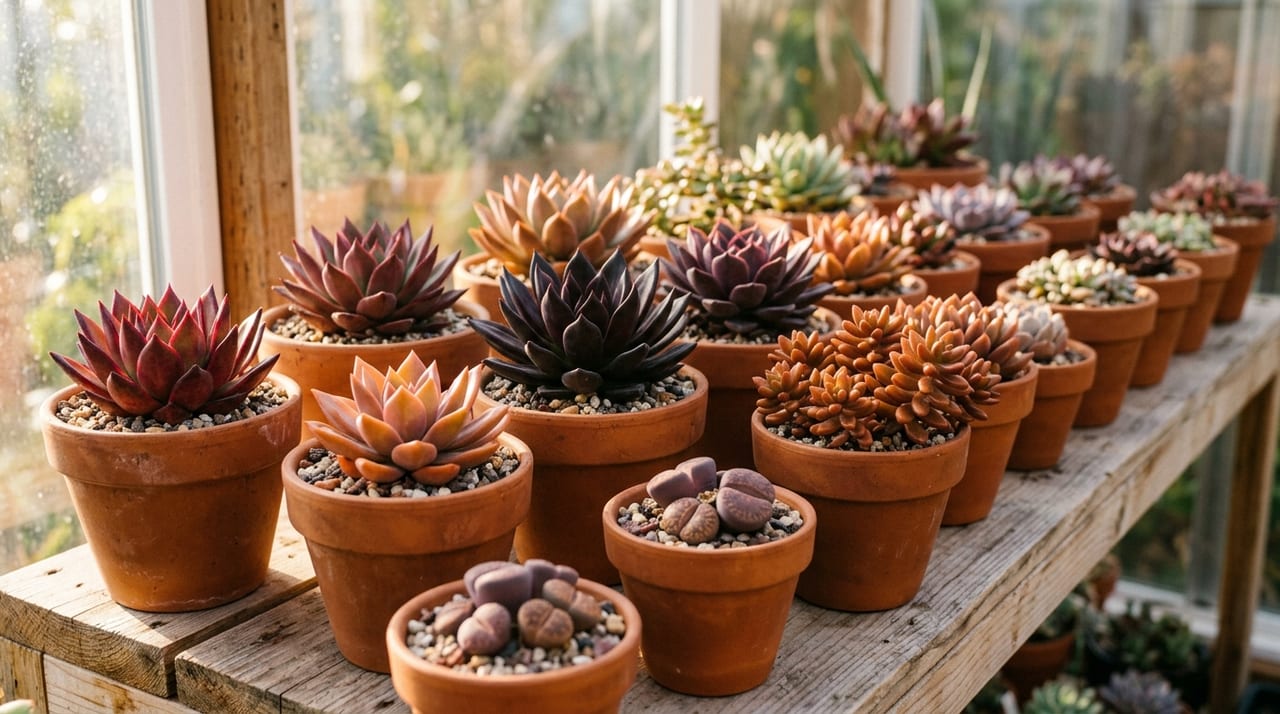
Succulent autumn coloring occurs through changes in the balance of pigments within the leaves. During summer's vigorous growth phase, abundant green chlorophyll drives active photosynthesis. As temperatures drop and daylight hours shorten, most succulents slow their growth and chlorophyll synthesis decreases. As a result, carotenoids (yellow to orange pigments) that were masked during summer become relatively prominent, and anthocyanins (red to purple pigments) are newly synthesized and accumulated.
Anthocyanins are believed to play a protective role against intense ultraviolet light and cold stress, and are generated as a defensive response by the plant. In other words, autumn coloring is "a plant's self-defense response to appropriate stress," and controlling the type and degree of environmental stress is the key to achieving beautiful coloration.
Color tones can be roughly classified into three types.
- Red tones: A state in which anthocyanins accumulate dominantly. Examples include the red-tipped leaves of Echeveria agavoides.
- Yellow to orange tones: A state in which carotenoids come relatively to the fore. Common in clustering Sedum species.
- Black-purple tones: A state in which both pigments accumulate in high concentrations, creating deeper color. Particularly prominent in varieties that are naturally dark, such as Echeveria 'Black Prince'.
Because the expression of color varies greatly with genetic traits, envisioning "what kind of autumn colors you want to enjoy" at the stage of variety selection helps maintain motivation during the management process.
Three Key Management Elements for Autumn Coloring
In practice, the three most influential elements for achieving autumn coloring are light, temperature fluctuations, and watering. By managing these in combination, you can maximize the plant's color potential.
Light Management
From late summer through late autumn as plants enter the coloring period, it is important to expose them to direct outdoor sunlight as much as possible. Light from indoors through a window is insufficient for pigment accumulation, and leaves will remain green through winter. Placing plants where they receive sunlight throughout the day significantly improves color development. However, intense direct sunlight in peak summer risks sunburn, so it is safest to begin intentional sun exposure once temperatures moderate in early autumn.
Leveraging Temperature Fluctuations
Environments with greater temperature fluctuations—warmer during the day and cool at night—promote anthocyanin accumulation. The ideal condition is when nighttime temperatures drop to around 5°C; exposing plants to morning and evening chill deepens color richness. However, in regions where freezing occurs, there is risk of frost damage, so bring plants under an eave or indoors on nights when frost is forecast.
Adjusting Watering (Water Stress)
Once plants enter the coloring period, reduce watering frequency significantly from the growing season. Slightly stringent management—waiting several days after the soil is completely dry before watering—promotes color development. This takes advantage of the mechanism whereby plants accumulate pigments to survive in low-water environments. However, prolonged complete drought will severely weaken the plant, so give small amounts of water several times a month to avoid extreme desiccation.
Fertilizer Management and Soil Selection
In autumn coloring cultivation, fertilizer control is equally important. Continuing to apply nitrogen-rich fertilizer into autumn will cause plants to continue expanding leaves vigorously, maintaining chlorophyll levels and inhibiting color development. From early autumn onward, either reduce fertilization or consider switching to a slow-release fertilizer higher in phosphorus and potassium.
Regarding soil, a well-draining composition is ideal for autumn coloring management. Soil that drains quickly allows easier control of "water stress" and reduces the risk of root rot from excessive moisture. A widely used approach is to add pumice or akadama to commercial succulent and cactus potting soil to further improve drainage.
Selecting Varieties with Beautiful Autumn Colors
When selecting plants with autumn coloring in mind, confirming the color potential of a variety beforehand reduces the chance of disappointment. Below are representative varieties known for beautiful autumn colors and their characteristics.
- Echeveria agavoides: A variety with red-trimmed leaf tips that deepen and spread during the coloring period. The contrast is striking, and it is an approachable introduction variety for beginners.
- Echeveria 'Black Prince': A variety with naturally dark-tinted leaves that shift to deep black-purple in winter. It has a sophisticated and distinctive presence.
- Sedum species: These tend to cluster readily, with many varieties turning orange to red across the entire plant. They are relatively affordable and readily available, and work well as accents in mixed plantings.
- Graptopetalum paraguayense (Ghost Plant): Leaves turn pink to orange throughout autumn and winter. It is hardy, easy to grow, and well-suited to outdoor hands-off cultivation.
When selecting plants, if possible, confirm the actual appearance of a plant after it has colored in autumn before purchasing, so you can directly assess its color potential. Plants sold directly by growers provide easy access to background information on growing conditions and management methods, which also serves as a useful reference for autumn coloring management.
Troubleshooting | Common Problems and Solutions
In autumn coloring management, several typical problems arise. Here are the causes and solutions organized for each.
Fails to Color, or Colors Weakly
The most common cause is insufficient light. In indoor settings or shady locations, pigment accumulation does not progress even if temperatures drop. The priority is to reconsider the plant's location and move it to a south-facing window or a well-lit outdoor spot. At the same time, reduce watering and keep the soil on the dry side.
Uneven Coloring Across the Plant
A situation in which only some leaves color while others remain green is often due to the pot's fixed orientation preventing even light exposure across the plant. Rotating the pot every few days ensures the plant receives light from all directions and achieves more uniform coloration.
Leaves Wilt or Become Soft During Coloring
Either excessive drying from water restriction or frost damage from cold temperatures may be the cause. If you have been withholding water for an extended period, provide small amounts of water and monitor the plant. If temperatures are near freezing, frost protection or bringing the plant indoors should take priority.
Leaves Turn Black and Appear Damaged
Beautiful black-purple coloration and frost-induced blackening can appear similar at first glance, but with frost damage, leaves become soft and mushy as if they have lost moisture. Check both appearance and leaf texture; if softening is evident, consider it frost damage and prioritize frost protection.
Enjoying Autumn Coloring Long-Term
Autumn coloring of succulents is a cultivation technique that beginners can master by consciously adjusting three elements: light, temperature fluctuations, and watering. Observing in real time how a plant that showed little change over summer undergoes dramatic transformation from autumn through winter is a joy available only to those who cultivate it themselves.
In terms of order of implementation, proceeding from relocating to a sunny outdoor spot, to adjusting watering frequency, to adapting the plant to an environment with temperature fluctuations, reduces missteps. Remember also to reduce fertilization from early autumn onward.
Autumn coloring varies slightly each year as a combination of variety and environment. As your management skills accumulate, you will be able to coax out increasingly vivid and deep colors. This autumn and winter, enjoy managing your succulents while carefully observing what colors they display.