Complete Guide to Pot and Planter Selection for Succulents: Materials, Size, and Design
Explains the differences between terracotta, plastic, and ceramic, the importance of drainage holes, size selection criteria, and stylish pots.
Key Takeaways
Explains the differences between terracotta, plastic, and ceramic, the importance of drainage holes, size selection criteria, and stylish pots.
Related Species
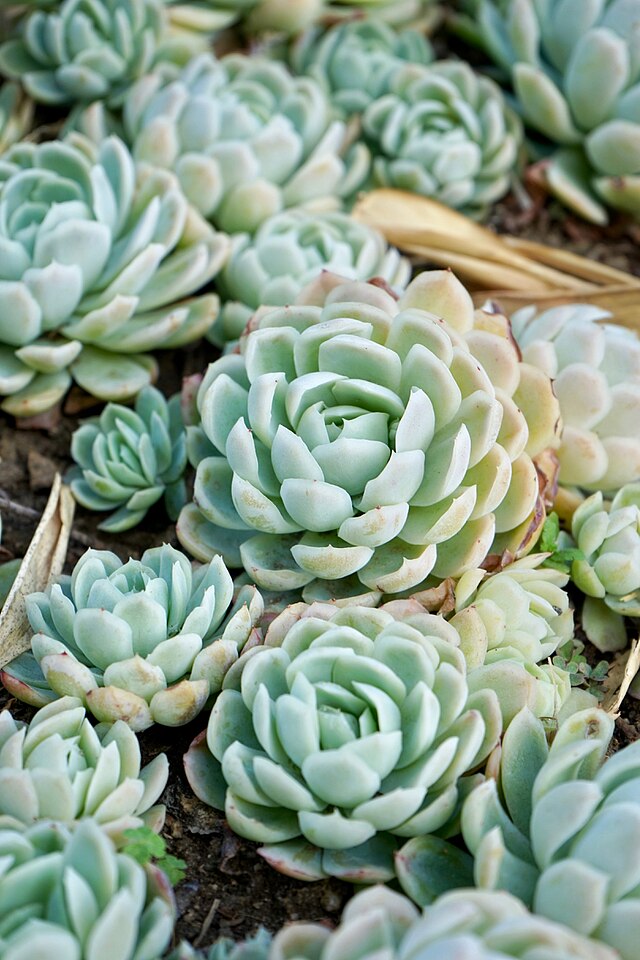
The health of succulents is greatly determined by "pot selection." No matter how good the soil is, if the pot doesn't suit the plant, it can cause root rot or etiolation. Conversely, choosing an appropriate pot makes watering management much easier, and plant growth becomes stable. This article comprehensively explains knowledge related to pot selection, from material-specific characteristics to size selection and stylish pot designs.
Why Pot Selection Determines Succulent Growth
The greatest risk for succulents is "excess moisture." When roots are constantly in a wet state, they suffer from oxygen deficiency and develop root rot. The pot is a crucial element in regulating soil moisture, and drying speed varies greatly depending on material, size, and drainage structure.
- Breathability: Whether air passes through the pot walls affects how quickly the soil dries
- Drainage: The presence, size, and number of drainage holes directly impact drainage efficiency
- Heat Retention: Soil temperature changes vary by material, affecting root activity
- Weight and Stability: For large plants or outdoor management, heavy pots offer better stability
- Appearance: If you want to enjoy succulents as interior décor, design is also an important selection criterion
Material-Specific Characteristics and Selection Methods
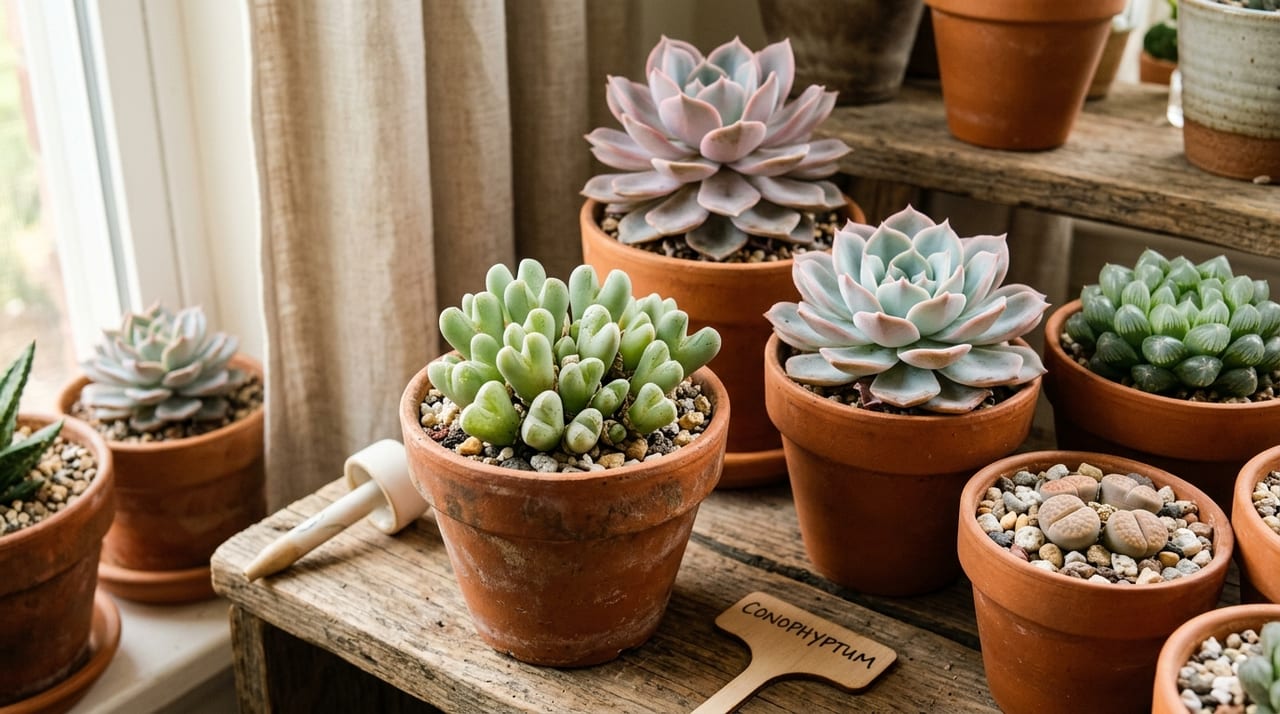
Terracotta Pots (Unglazed)
- Greatest Advantage: Excellent breathability and drainage, with soil drying quickly. This is the most ideal material for succulents
- Disadvantages: Fragile and heavy. Watering frequency tends to be somewhat higher
- Recommended for: Ideal for beginners who haven't yet developed a watering sense. Even if you overwater slightly, the pot absorbs water and helps it evaporate
Plastic Pots
- Advantages: Lightweight, inexpensive, and perfect for large-scale cultivation. High water retention reduces watering frequency
- Disadvantages: No breathability, making it prone to excess moisture. In summer, pot interiors tend to get hot
- Slitted pots recommended: Pots with slits on the sides significantly improve drainage and breathability, making them a practical choice for succulents
Ceramic Pots (Glazed)
- Advantages: High design quality and beautiful as interior décor. Substantial weight provides excellent stability
- Disadvantages: Glaze blocks breathability, so they don't dry as quickly as unglazed terracotta. Always choose pots with drainage holes
- Bottom Hole Modification: It's possible to drill holes in ceramic pots without drainage holes using a diamond drill, but there is a risk of cracking
Cement and Tin Pots
- Cement Pots: Modern design with adequate breathability. New pots may be strongly alkaline, so soaking is necessary to remove excess alkali
- Tin Pots: Perfect for creating a junk style or antique aesthetic. They rust easily and most lack drainage holes, so using them as decorative cover pots is safer
Importance of Drainage Holes and Role of Bottom Stones
When selecting a pot for succulents, drainage holes are absolutely non-negotiable.
- Drainage holes are essential: Planting directly in a container without holes greatly increases the risk of root rot
- Hole size: A diameter of 8mm or larger is desirable, and multiple holes provide better drainage efficiency
- Pot screen: Always place a screen over the holes to prevent soil from falling through
- Pot bottom stones: Laying 1–2cm of pumice or large perlite at the bottom further improves drainage. However, for small pots, this may be unnecessary as it takes up root space
If you want to use a container without holes, the "cover pot method" is recommended, where you plant in a plastic inner pot and place it inside a decorative cover pot. If you want to reconsider soil composition alongside pot selection, checking the drainage-focused recipes in our Succulent Soil and Soil Selection Guide will help you maximize the benefits of pot selection.
Size Selection Criteria
Pots that are either too large or too small create problems.
- Basic Rule: Select a pot that is one size (1–2cm) larger than the plant's diameter
- Risk of Oversized Pots: A larger volume of soil remains at a moisture level the roots cannot absorb, leading to root rot
- Risk of Undersized Pots: Roots become bound, stunting growth
- Depth Guidelines: Echeveria and Sedum are sufficient with 5–8cm depth. Varieties with thick roots should use slightly deeper pots
- Pot Size Number Guidelines: Mini succulents work with 2–2.5 pot sizes, standard Echeveria with 3–4, and large plants with size 5 or larger
Latest Trends in Stylish Pots
- Artisan Pots (Handmade Ceramics): Pots handcrafted by ceramic artists have unique texture and color. They are popular items that sell out instantly at events
- Black Plastic Pots (Prestera/Miniran): Popular among collectors who prioritize functionality. They create a unified, clean aesthetic
- Upcycled Pots: DIY upcycling such as painting or stenciling unglazed pots has become an established hobby
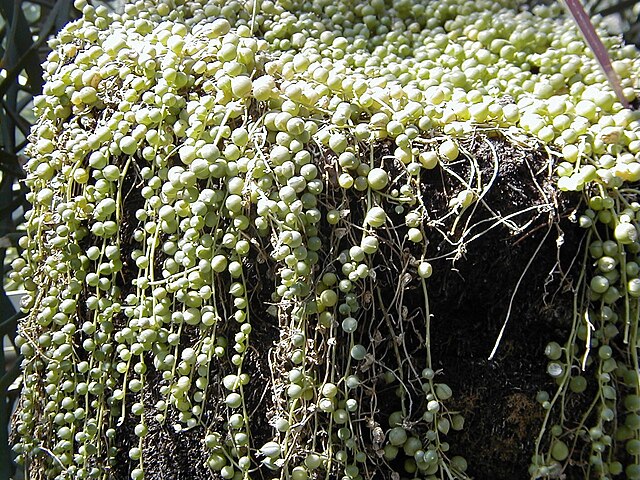
- Hanging Pots: Perfect for trailing varieties like String of Pearls. Pairing them with macramé hangers is also stylish
- Wooden Planters: Box-style planters made from reclaimed wood are popular for mixed plantings. Use them with waterproofing treatment and vinyl lining
Tips for Easier Management Through Pot Differentiation
In fact, many experienced enthusiasts differentiate between pots for cultivation and pots for display. They typically manage plants efficiently in plastic or slitted pots, and switch to stylish pots only when guests visit or when taking photos for social media. Using the double-pot method (placing a plastic pot inside a decorative cover pot) makes it much easier to lift and drain water after each watering. If you're reluctant to own multiple pots, unglazed terracotta pots are a well-balanced option that combines design and functionality.
Tips for Successful Post-Repotting Management
Post-repotting care is just as important as the repotting work itself. If you make mistakes during this period, repotting can actually be counterproductive. Detailed steps are covered in our Complete Guide to Succulent Repotting, but three particularly important points to remember alongside pot selection are:
Timing for Resuming Watering: After repotting, refrain from watering for 3–7 days to promote drying and recovery of damaged roots. Give plenty of water at the first watering afterward, ensuring moisture reaches the entire soil. From the second watering onward, return to your normal cycle.
Shading Management: After repotting, manage the plant under approximately 50% shade for 1–2 weeks. Strong light before roots establish can cause water absorption to lag, resulting in leaf burn or wilting.
Resuming Fertilization: Wait 2–3 weeks after repotting before resuming fertilization. Damaged roots are sensitive to nutrients, and high-concentration fertilizer can damage roots (fertilizer burn). When resuming, start at about half the normal concentration.
Repotting is a stressful event for plants, but with proper aftercare, they will thrive in their new soil and pot.
Find the Perfect Pot Combination on GrowerDirect
Pot selection is both the foundation for raising healthy succulents and a way to add color to your home through interior decoration. Understanding the characteristics of each material and choosing pots suited to your growing environment is the first step to a successful succulent life. GrowerDirect makes it easy to purchase carefully selected plants directly from specialized growers, and you can also consult directly with growers about pot recommendations suited to each variety. Find the perfect pot for your precious plant and enjoy living with succulents.