Succulent Soil & Soil Selection Guide | Drainage-Focused Potting Mix Recipes
Explains types of soil suitable for succulents and their mixing ratios. Features high-drainage potting mix recipes using akadama, pumice, Kanuma soil, and Hyuga soil, plus how to choose commercial succulent soils.
Key Takeaways
Explains types of soil suitable for succulents and their mixing ratios. Features high-drainage potting mix recipes using akadama, pumice, Kanuma soil, and Hyuga soil, plus how to choose commercial succulent soils.
Related Species
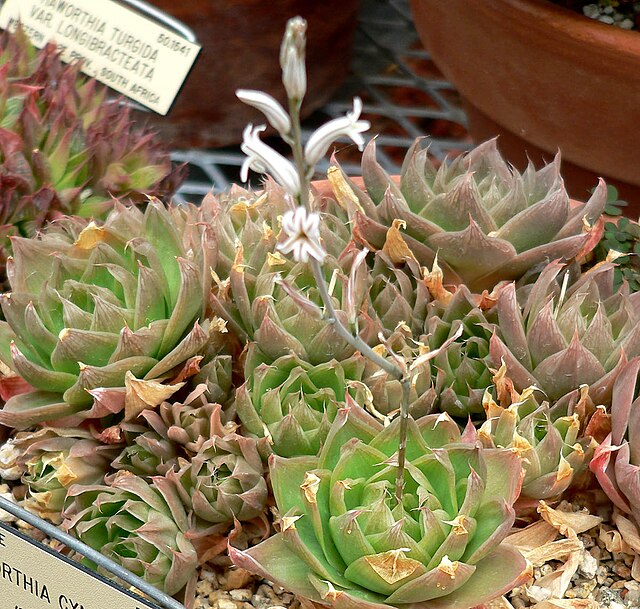
Many growers who have killed succulents mistakenly blame "overwatering," but the real culprit is often "poor soil selection." No matter how infrequently you water, poor drainage will still cause root rot. Conversely, once you select the right potting soil, minor watering mistakes are easily recoverable. This article covers everything from soil selection basics, DIY mixing recipes, to how to use commercial products wisely.
4 Essential Properties of Soil for Succulents
Succulents naturally grow in arid deserts and rocky terrain. In their native environments, the soil condition is simple: "rain drains away quickly once it falls." Recreating this environment indoors or in pots is the fastest path to successful cultivation.
1. Drainage (Water Drainage)
The top priority is that excess water drains quickly from the pot bottom after watering. If soil particles are too fine, capillary action keeps water in the soil for extended periods, leaving roots constantly moist. Succulent roots are extremely sensitive to excess moisture and rot quickly.
2. Aeration
Roots require oxygen. Soil should have uniform spacing with adequate gaps to allow air circulation around the roots. Poor aeration typically correlates with poor drainage, so think of both as a paired concern.
3. Proportion of Inorganic Materials
Organic materials like leaf mold and peat moss retain moisture for long periods—ideal for garden plants and vegetables, but unsuitable for succulents. Using primarily inorganic materials (akadama, Kanuma soil, perlite, etc.) eliminates excess moisture.
4. Minimize Fertilizer Content
Succulents are adapted to grow in nutrient-poor environments. High-fertilizer soil causes "etiolation" (徒長)—weak, lanky growth. Instead of enriched soil, the easier approach is to supplement with liquid fertilizer as needed.
DIY Mix Recipes | 3 Patterns by Purpose
You can easily create custom soil at any home improvement store. Here are three proven approaches:
General-Purpose Mix (Beginner / Indoor Management)
- Akadama (small grain): 40%
- Kanuma soil (small grain): 30%
- Perlite: 20%
- Charcoal: 10%
A balanced, standard formulation. For indoor cultivation, start here and adjust to suit your environment. Akadama is neutral in pH and works for most succulents, while Kanuma soil is slightly acidic and offers excellent aeration. Perlite is lightweight and boosts drainage; charcoal adds deodorizing and antimicrobial properties while improving drainage.
Enhanced-Drainage Mix (Hot/Humid Summer / Outdoor)
- Akadama (small grain): 30%
- Kanuma soil (small grain): 30%
- Perlite: 30%
- Charcoal: 10%
Japanese summers are harsh for succulents. From early rainy season through summer, increasing perlite ratio significantly reduces root rot risk from excess moisture. This mix is especially reliable for outdoor plants exposed to rain.
Haworthia / Aloe-Specific (When Slight Water Retention is Desired)
- Akadama (small grain): 40%
- Leaf mold: 20%
- Kanuma soil (small grain): 20%
- Perlite: 20%
Haworthias and Aloe species prefer slightly more moisture-retentive soil than other succulents. Complete dryness causes leaf shrinkeling; adding modest organic material helps retain appropriate moisture. Keep leaf mold to 20% maximum. Haworthia obtusa, particularly popular, is moisture-sensitive and prone to shriveling; use this base formula and fine-tune seasonally—for example, slightly increase perlite in midsummer—to minimize failures.
How to Wisely Use Commercial Succulent Potting Soils
If custom mixing feels tedious, commercial succulent-specific potting soils are convenient. However, quality varies significantly by product, so know what to look for.
Selection Tips
- Choose granular / pellet-form products: Uniformly-sized particles provide even drainage and easier management
- Prioritize low organic content: Check the ingredient list; products with minimal leaf mold or peat moss are best
- Look for "Cactus & Succulent-specific" labeling: Avoid confusing it with general-purpose potting soil
Techniques for Improving Commercial Soil
If purchased mix feels "a bit too water-retentive," simply mix in an extra 20–30% perlite or Kanuma soil—drainage improves dramatically. Conversely, if it "dries too fast," add some akadama for balance. Perfect soil doesn't exist; flexibility to adapt your mix to your growing environment is key.
Compatibility Between Pot Material and Potting Soil
Pot material is equally important as soil selection; pot type dramatically affects drying speed, requiring soil adjustments accordingly.
| Pot Material | Characteristics | Compatible Soil |
|---|---|---|
| Terracotta | Moisture evaporates readily through pot walls | Slightly water-retentive mixes are acceptable |
| Plastic | Moisture retention is high | Choose high-drainage formulas |
| Ceramic / Stoneware | Intermediate between terracotta and plastic | Verify drainage holes and adjust accordingly |
| Wooden slatted pots | High airflow | General-purpose mix works well |
Terracotta is popular for its natural aesthetic but dries quickly, requiring more frequent watering. Plastic pots are lightweight and convenient but slow to dry, demanding restraint with winter watering especially.
Summary | Find Carefully-Selected Succulents on GrowerDirect
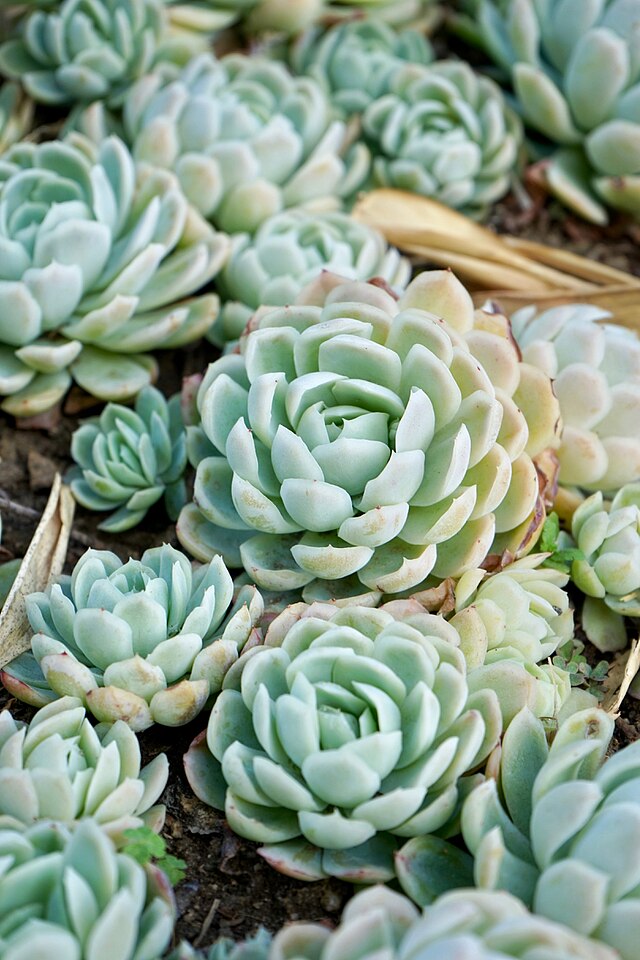
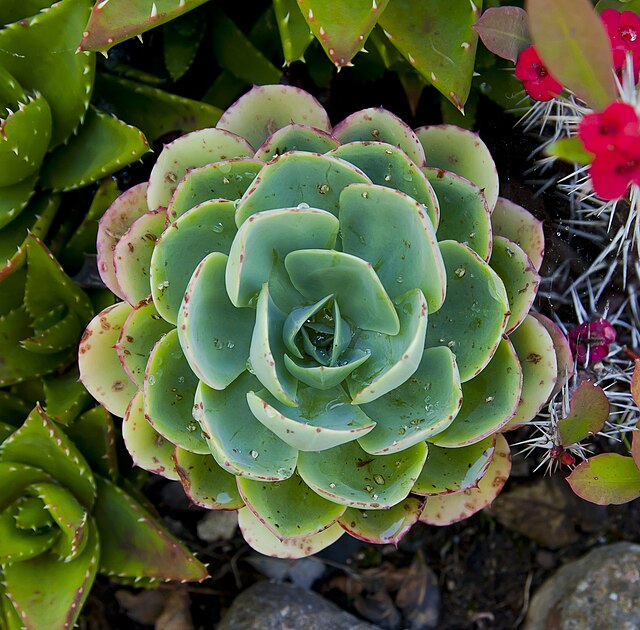
Succulent soil selection isn't difficult if you master three principles: "drainage," "aeration," and "inorganic-focused." Start by adding perlite to commercial succulent soil, then progress to custom mixes as you gain experience. Even popular rosette varieties like Echeveria elegans can be kept compact and thriving by any beginner who follows these three rules.
However, even the best soil cannot compensate if the original plant's roots are compromised—recovery takes time. Sourcing healthy, vigorous seedlings from reliable growers is another critical factor in long-term success.
On GrowerDirect, you can purchase succulents directly from growers who carefully select soil and cultivation conditions, nurturing each plant with dedication. Because you see the production location and growing practices, you'll find it easier to get cultivation advice after purchase—reassuring for beginners. Explore the succulent category and find your perfect plant today.