Succulent Arrangement Guide | Tips for Combinations and Design
A detailed guide to creating succulent arrangements. Covers compatible variety pairings, color scheme tips, container selection, planting steps, and care methods.
Key Takeaways
A detailed guide to creating succulent arrangements. Covers compatible variety pairings, color scheme tips, container selection, planting steps, and care methods.
Related Species
What Are Succulent Arrangements? Their Appeal and Basic Approach
The appeal of succulent arrangements lies in combining varieties with different shapes, colors, and textures in a single container to create a miniature garden. Unlike growing individual plants, the real charm is that you can create endless visual variations depending on how you combine them.
Even beginners can achieve an attractive arrangement without failure by following a few basic rules. The most important is to "match growth types." In addition, focus on the design fundamentals: "height variation," "color scheme," and "balance in number of plants." This article walks through the entire process of succulent arrangements—from variety selection and design tips to planting steps and daily care methods.
The Basics of Variety Selection | Matching Growth Types Is the Key to Success
The most important aspect of arrangements is combining varieties with similar growing conditions. Succulents are broadly divided into three growth types—"spring-autumn," "summer," and "winter" types—each with different watering timing and ideal environments. If you mix different growth types in the same pot, one will receive too much water while the other receives too little, causing one to weaken.
Recommended Varieties by Growth Type
Spring-Autumn Type (growing period: spring and autumn)
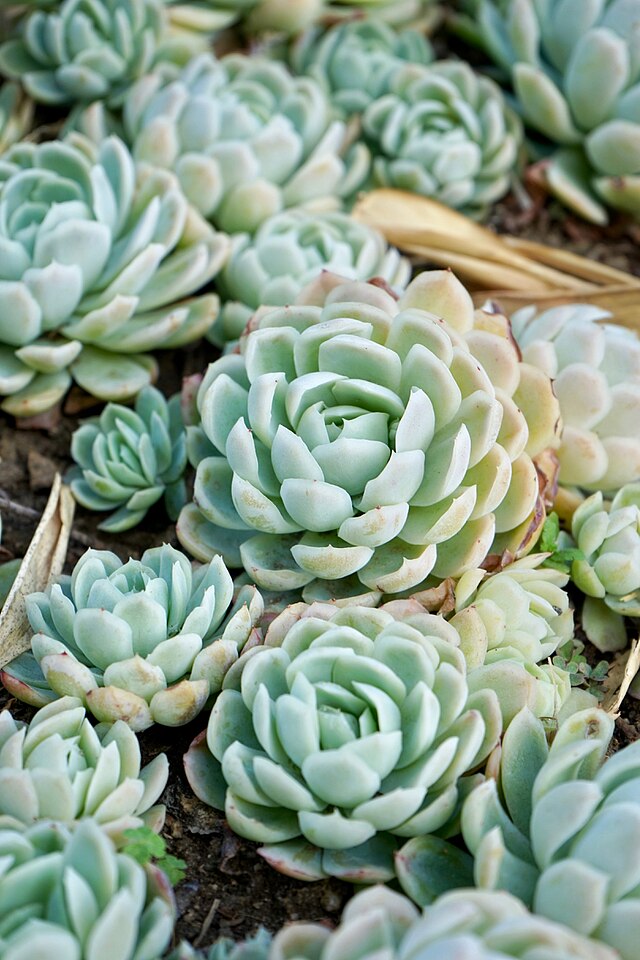
- Echeveria genus: Rosette-shaped with a wide variety of colors. Ideal as the main focal point of an arrangement
- Sedum genus: Small leaves that are perfect for filling gaps. Range from green to yellow in color
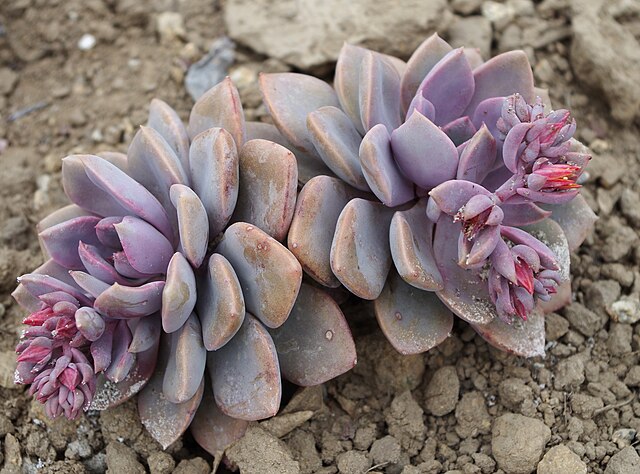
- Graptopetalum genus: Plump leaves with strong visual presence. Hardy and easy to grow
Summer Type (growing period: summer)
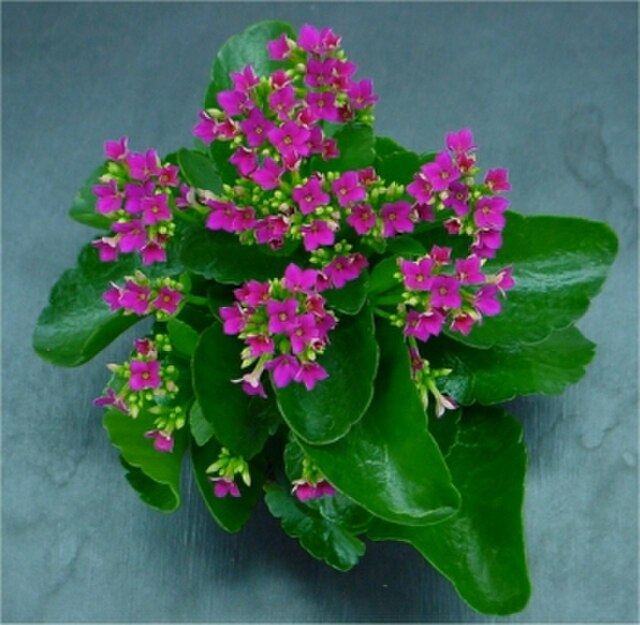
- Kalanchoe genus: Many varieties produce colorful flowers, great for adding vibrancy
- Agave genus: Sharp form creates a wild impression. Suitable for larger arrangements
Winter Type (growing period: winter)
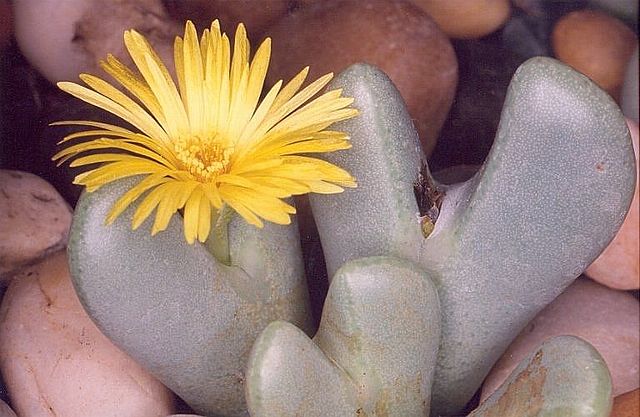
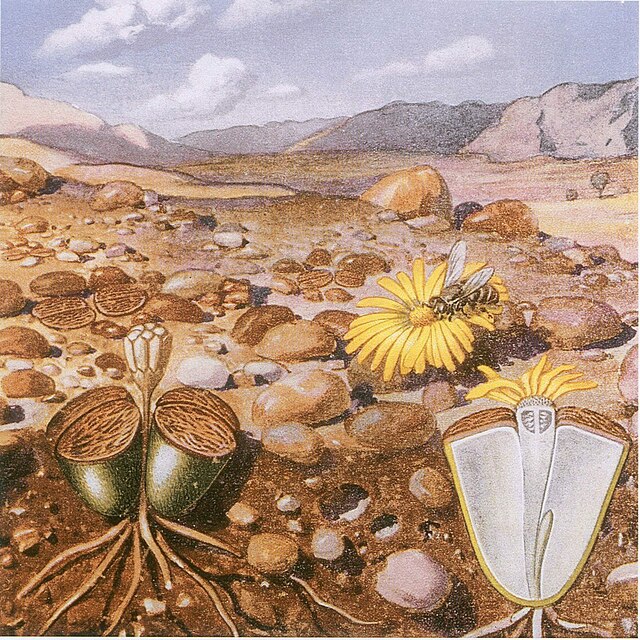
- Lithops and Conophytum genera: Distinctive "living stone" appearance is truly unique
For beginners with arrangements, combining spring-autumn types together is especially recommended for their ease of care and variety of options. Since spring-autumn and winter types have very different watering schedules, avoid mixing them in the same pot.
Design Tips | Boost Your Sense with Color, Height Variation, and Plant Count
Equally important as variety selection is the visual design. Being mindful of just a few points will bring your arrangement noticeably closer to a professional finish.
Color Scheme Considerations
- Stick to a single color family: A gradient of greens creates a calm atmosphere and is the least likely to fail. Most recommended for beginners
- Use complementary colors: Pairing contrasting colors like green and red-purple, or gray and yellow-green, creates striking visual contrast
- Consider the season: In autumn and winter, incorporating varieties that change color (like Rainbow Jade or Princess Autumn Red) lets you enjoy seasonal gradations
Creating Height Variation
A flat, even surface creates a monotonous look. Position taller varieties (like agave or large rosette types) in the center or back, and place low-growing, spreading types (like sedum or graptobyria) in the front or around the edges to create dimension and depth.
Plant Count Balance
Planting an odd number of plants (3, 5, or 7) creates a naturally balanced look. This is an aesthetic principle shared in landscaping and floral design. Filling gaps between plants with small-leaved varieties like sedum creates a full, dense appearance.
Preparing Containers, Soil, and Tools
Container Selection
Always choose a container with drainage holes. Poor drainage causes root rot. Here are the characteristics of each material:
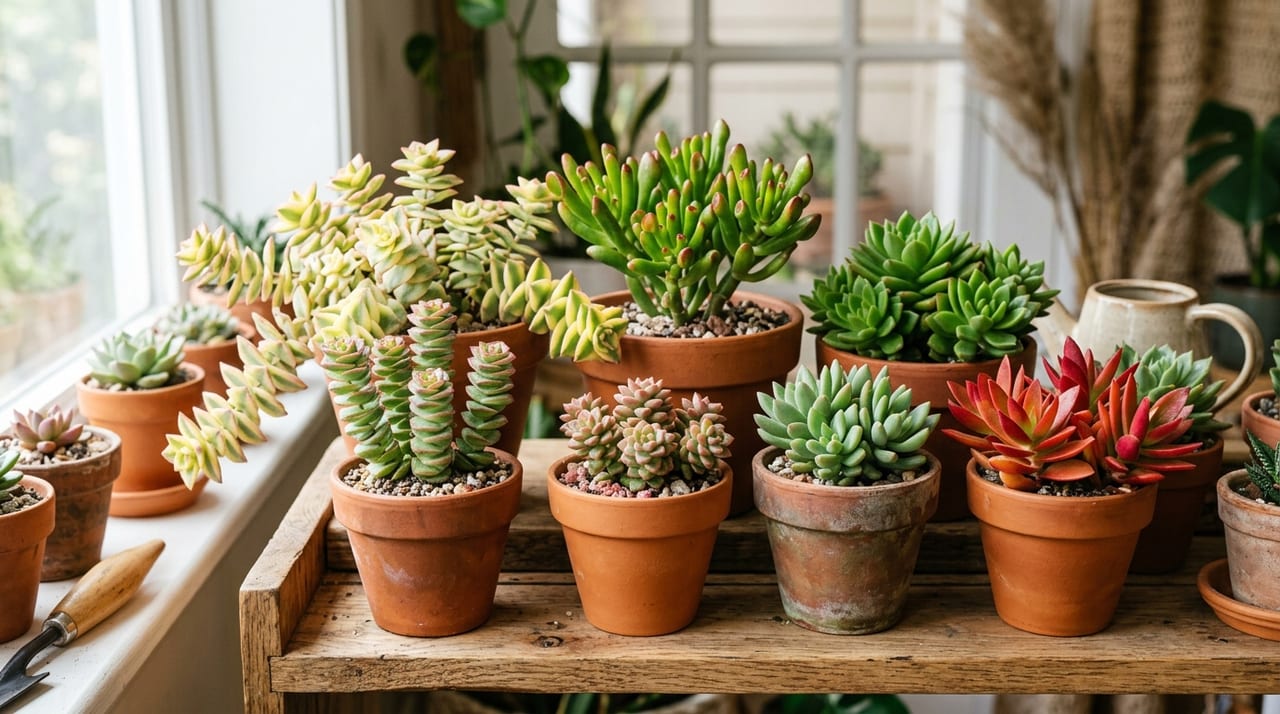
- Terracotta pot: Excellent air circulation and drainage, least prone to root rot. The most suitable material for succulents
- Ceramic or glazed pot: High design appeal and decorative as décor. However, air circulation is limited
- Wooden box: Creates a natural feel, but watch for decay. Lining the inside with plastic increases its lifespan
Soil Mix
Using a commercial succulent potting mix straight from the bag is easiest and recommended. If mixing yourself, a ratio of red clay soil 3 : pumice soil 2 : perlite 1 is the standard. This ratio balances drainage and water retention. Adding a layer of perlite at the bottom further improves drainage.
Handy Tools
- Tweezers (for planting small plants)
- Fine-spout watering can (for watering at the base of plants)
- Wooden stick or spoon (for pressing soil into gaps)
Planting Steps | 5 Steps to Avoid Failure
- Prepare the seedlings: Remove seedlings from their pots and gently shake off old soil. Remove damaged roots and dead lower leaves
- Prepare the pot bottom: Place netting over the drainage hole and add 2–3 cm of perlite (or pot bottom stones)
- Add soil and position main plants: Fill the pot halfway with soil and start planting with the tallest, main plants in the center or back
- Arrange smaller plants around: Using tweezers, position smaller plants while checking balance. Do not add soil at this stage
- Fill in soil and finish: Use a wooden stick to firmly press soil into gaps between plants. Avoid watering for about a week after planting (to allow roots to settle into their new environment)
Daily Care | Watering, Placement, and Fertilizing
Watering
The most common mistake with succulent arrangements is overwatering, which causes root rot. The basic rule is to water thoroughly only after the soil has dried completely. During the active growing season (spring and autumn), water once every 2–3 weeks; during dormancy (summer and winter), extend the interval to about once a month. Wrinkled leaves signal that it's time to water. For more detailed watering techniques, including bottom watering and misting, see Succulent Watering Techniques.
Placement
A bright location with good air circulation is ideal. Outdoors, an eave or similar location where rain doesn't fall directly is best. Indoors, position near a south-facing window to ensure adequate light. Insufficient light causes "etiolation"—thin, stretched stems—so move to a brighter location if this occurs.
Fertilizing and Seasonal Care
Apply diluted liquid fertilizer about once a month during the growing season (spring and autumn) to promote growth. No fertilizer is needed during dormancy in winter and peak summer. Remove plants with fallen leaves or poor coloring early, and balance the arrangement. Periodically adding fresh plants keeps your arrangement enjoyable long-term.
Summary | Find Your Ideal Succulents at GrowerDirect
Succulent arrangements stay beautiful and enjoyable long-term when you master these three elements: matching growth types when selecting varieties, creating visual interest through height variation and color schemes, and providing proper watering care. Starting with spring-autumn type varieties arranged simply in 5–7 plants makes it easier to build confidence through successful results.
An arrangement doesn't end once it's complete—watching it change and grow is part of the enjoyment. For tips on adjusting your arrangement as it matures months later, see Long-Term Care Guide for Succulent Arrangements.
Once you gain experience, try experimenting with unique varieties and unusual colors of echeveria that become the centerpiece of an arrangement. At GrowerDirect, you can purchase succulents perfect for arrangements directly from growers. A wide selection of rare varieties and healthy plants grown with care—unavailable at large retailers—awaits you. Visit the succulents category to find your favorite plants today.