Long-Term Care Guide for Succulent Arrangements | Managing Growth Differences and Timing Replacements
This guide explains how to keep succulent arrangements beautiful for an extended period. We detail how to manage growth differences among varieties, the timing for repotting, watering and light adjustment techniques, and tips for redesigning arrangements.
Key Takeaways
This guide explains how to keep succulent arrangements beautiful for an extended period. We detail how to manage growth differences among varieties, the timing for repotting, watering and light adjustment techniques, and tips for redesigning arrangements.
Related Species
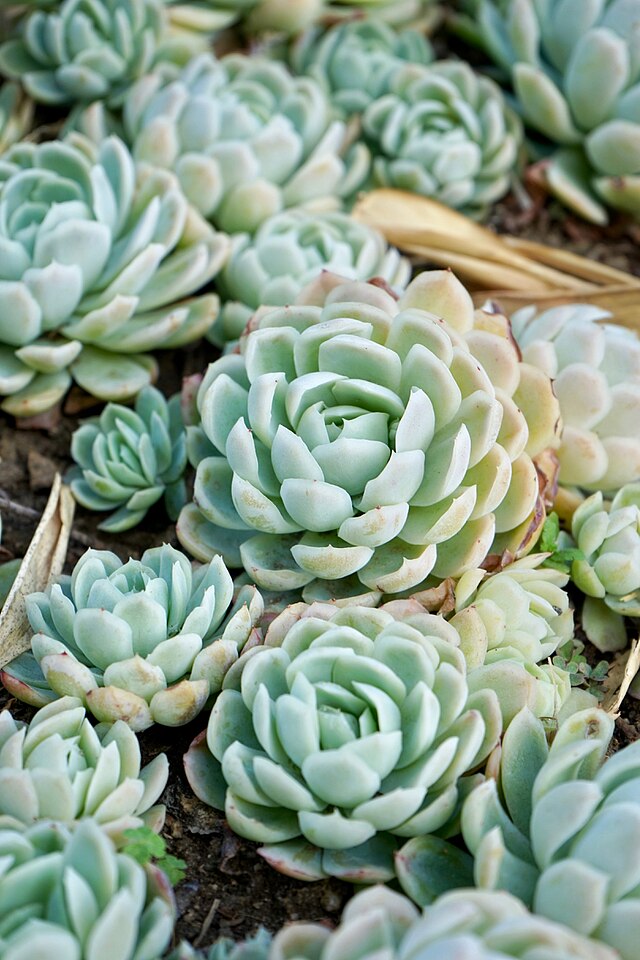
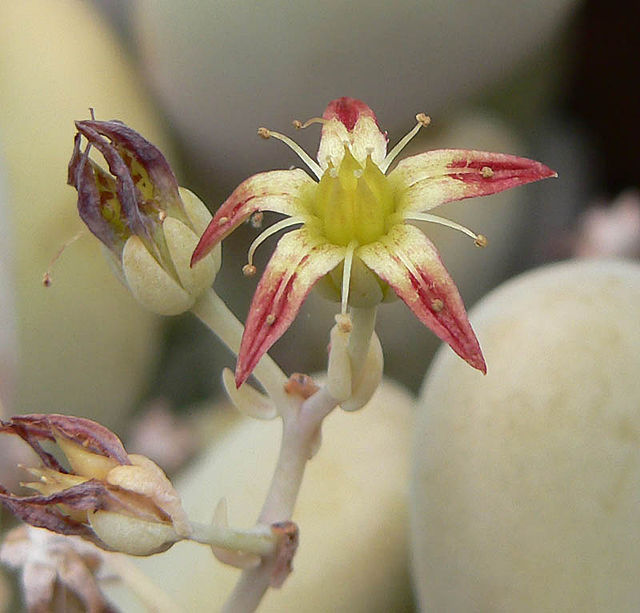
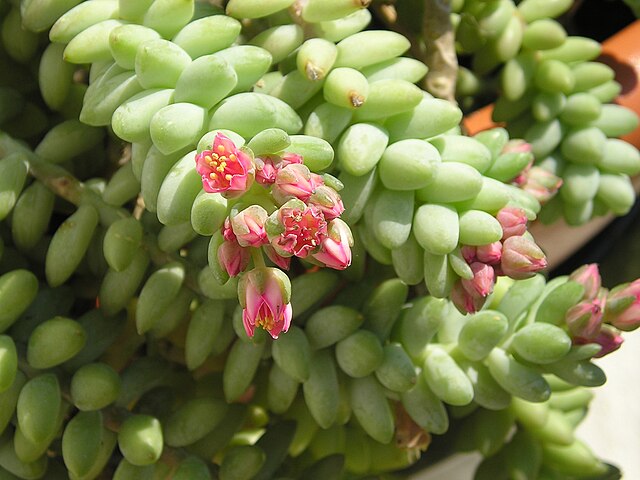
Succulent arrangements are most beautiful immediately after completion, and viewing them brings a sense of achievement. However, after a few months, the differences in growth rates among varieties become noticeable, and you'll realize that the overall balance gradually falls apart. Many people have experienced the frustration of having their carefully created arrangement change shape so quickly.
In fact, by continuing proper care and maintenance with an awareness of timing, succulent arrangements can remain beautiful for six months to over a year. This article provides practical knowledge for keeping arrangements looking good, explained in a way that's easy for beginners to understand. If you're about to create an arrangement for the first time, it's helpful to first review the Succulent Arrangement Guide to understand the basics of variety selection and design.
Causes of Growth Differences and Design Strategies
The primary reason arrangements lose balance is the difference in growth rates among varieties. For example, Sedum species grow quickly and will soon cover other plants if left unattended. Meanwhile, Echeveria and Pachyphytum grow relatively slowly, so when mixed in the same pot, significant size differences develop within months.
Light exposure also affects growth differences. Since the front and back of the pot receive different amounts of light, plants in the back are more prone to etiolation—stretching upward in search of light. Rotate your arrangement regularly to ensure all plants receive even light distribution.
How to Select Compatible Varieties
Choosing varieties with similar growth rates is the first step to creating an arrangement that lasts.
- Spring-and-fall type combinations: Echeveria, Graptopetalum, and Pachyphytum have similar growth rhythms and rates, making them excellent companions
- When adding Sedum: Choosing slower-growing varieties (such as Chiastophyllum and String of Pearls) minimizes size differences
- Match plant sizes: If seedling sizes differ greatly, larger plants easily deprive smaller ones of light and nutrients
Preventing Deterioration Through Daily Care
Maintaining the beauty of an arrangement requires consistent daily care and attention to detail.
Watering Basics
The basic principle for watering arrangements is to base your schedule on the variety most sensitive to dryness. Water thoroughly until it drains from the bottom of the pot, about 2-3 days after the soil completely dries. Since plants are densely packed together, they are prone to rot, and overwatering can lead to root damage. In summer and winter, growth slows, so it's important to reduce watering frequency from normal levels.
Air Circulation and Placement Management
Air circulation is especially important for densely planted arrangements as they are prone to rot. Ideally, place outdoor arrangements under an eave where they won't get rained on. For indoor care, use a fan to circulate air. Additionally, direct sunlight through glass can cause leaf burn, so diffuse the light with sheer curtains or similar.
Regular Maintenance Keeps Arrangements Beautiful
For plants beginning to etiolate, trimming the tips early to control height is effective. After cutting, multiple side shoots typically emerge, resulting in a fuller, more compact appearance. Additionally, dead lower leaves and fallen foliage should be removed promptly, as they can become breeding grounds for mold and pests. Develop the habit of removing them regularly with tweezers.
Repotting Timing and Proper Steps
No matter how carefully you maintain them, after six months to a year, root-bound conditions and soil degradation occur, and overall vigor declines. This is the signal for repotting. For comprehensive repotting procedures and detailed soil composition information, also consult the Complete Succulent Repotting Guide.
Signs That Repotting Is Needed
- Roots are protruding from the drainage holes
- Water absorption has noticeably declined after watering
- Leaf color appears dull and overall vitality is diminished
- The soil surface has become compacted and hard
Optimal Timing and Procedure for Repotting
The ideal times for repotting are spring (March-May) or fall (September-November). Choosing these periods, when temperatures are mild and roots recover more easily from damage, minimizes stress to the plants.
Step-by-step process:
- Carefully remove all plants and gently loosen old soil to examine the roots
- Trim damaged or rotted roots with scissors and allow cut surfaces to dry
- Place gravel at the bottom of the pot and add fresh succulent potting mix
- Replant while reviewing placement, filling gaps with soil
- Refrain from watering for one week after planting to allow roots to establish
This is also an opportunity to replace damaged plants with new specimens or completely redesign the layout. Repotting isn't a "reset"—it's a positive step toward further developing your arrangement.
Redesigning Arrangements That Have Lost Their Shape
Arrangements that have lost their shape due to growth differences can be restored to like-new beauty through redesign. There's no need to discard them. Consider it an opportunity to create a new arrangement while making use of the parts in good condition.
Basic Redesign Steps
- Remove all plants and assess their condition: Examine roots and leaves to select which plants can be reused
- Trim etiolated plants: Cut portions can be reused as cuttings. Allow cut surfaces to dry for 2-3 days before inserting them in soil
- Use offsets: Rosettes growing around parent plants can be separated and used as new material
- Fill gaps with new plants: Add newly acquired specimens to replace those in poor condition and restore overall balance
By redesigning repeatedly, your skill and eye for arrangements will steadily improve. Even if your first attempt isn't perfect, that experience itself becomes valuable learning.
Summary | Mindset for Long-Term Enjoyment and Using GrowerDirect
The key points for keeping succulent arrangements beautiful over an extended period can be summed up in three main principles:
- Choose compatible combinations: Select varieties with similar growth rates and growth types
- Practice careful daily care: Make proper watering, air circulation, and regular maintenance a habit
- Repot regularly: Refresh roots and soil approximately every six months to a year
Additionally, it's important to have a reliable source for replenishment plants if you want to enjoy arrangements long-term. GrowerDirect lets you purchase cut-plant sets and small plants suited for arrangements directly from succulent specialists. It's convenient for replacing plants that have died and for adding new varieties when redesigning.
Another advantage unique to GrowerDirect is the ability to consult directly with growers about variety compatibility and growth rates. Since they can suggest seasonal replacements suited to each season, even beginners can confidently enjoy arrangements long-term. Continue nurturing your own unique arrangement while enjoying the growing process itself.