Succulent Plant Watering Techniques | Choosing Between Overhead Watering, Bottom Watering, and Misting
Misting (foliar watering) is not a substitute for watering succulents. Delivering water to the roots requires overhead watering or bottom watering; foliar watering is an auxiliary method for spider mite prevention and supporting root development. This guide covers how to choose among the four methods, a seasonal calendar, and variety-specific considerations.
Key Takeaways
Misting (foliar watering) is not a substitute for watering succulents. Delivering water to the roots requires overhead watering or bottom watering; foliar watering is an auxiliary method for spider mite prevention and supporting root development. This guide covers how to choose among the four methods, a seasonal calendar, and variety-specific considerations.
Related Species
Watering succulents is about more than just frequency—the method matters too. Even when applying the same amount of water, the way it is delivered—whether from above or from below—affects root development and plant health. Especially for varieties whose leaves easily trap water or those with delicate powder (bloom), it's important to use thoughtful watering techniques. Here we explain four watering methods suited to succulents and how to choose between them.
- Overhead watering (watering can or water dipper)
- Bottom watering
- Wicking (constant immersion watering)
- Misting (foliar watering)
Overhead Watering (Watering Can or Water Dipper) Basics
The most common watering method is overhead watering, where water is poured directly onto the soil from above. Using a watering can or water dipper, water is poured slowly onto the soil surface and applied generously until water flows out of the drainage hole.
The benefit of this method is its ability to flush out old water and waste products. Excess fertilizer accumulated in the soil and waste matter expelled from roots are washed away, refreshing the root environment. Additionally, because the amount of water and infiltration can be easily observed, it is an accessible method for beginners.
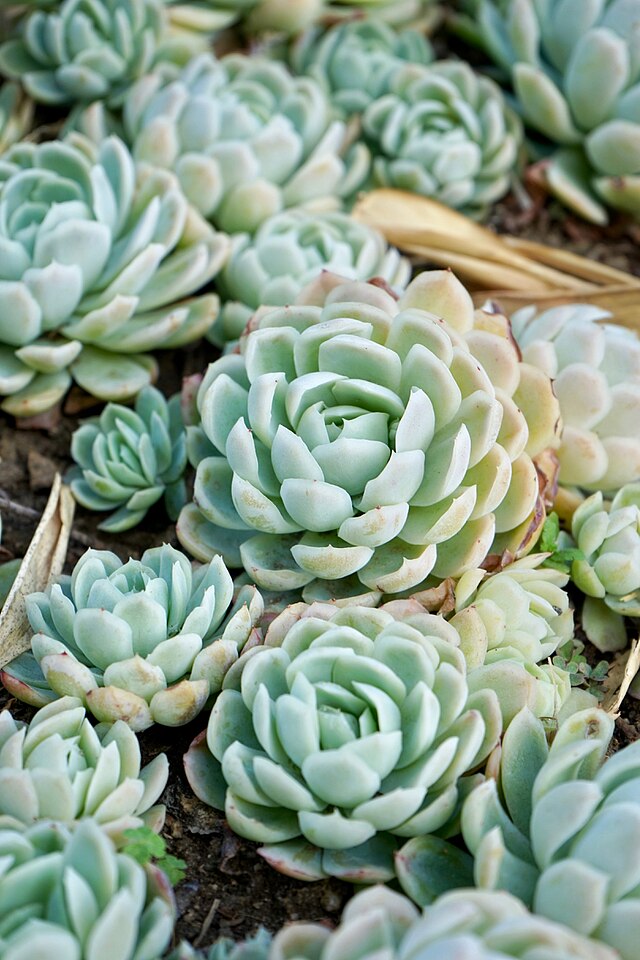
A consideration is that rosette-type succulents (such as Echeveria) easily trap water between leaves. Especially in summer, trapped water can cause leaf scorch through a lens effect or lead to mold from moisture. To address this, pour water in a fine stream directed at the base of the plant, or bring the tip of the water dipper close to the soil when watering.
For varieties with powder (bloom), if water contacts the leaves directly, the powder washes away and appearance is diminished. Species like Echeveria 'Laulei' or 'Lilacina' with beautiful white powder require special care.
Morning is the best time to water. As temperatures rise during the day, excess moisture evaporates, preventing the pot from becoming overly wet at night. In summer, evening or later is appropriate; in winter, the morning of a warm day is suitable.
Methods and Benefits of Bottom Watering
Bottom watering is a method where a pot is placed in a container of water and water is drawn up through the drainage hole via capillary action. It is a highly effective technique for cultivating succulents.
Fill a container with water to about 1–3 cm, place the pot in it, and wait 15–30 minutes. When the soil surface becomes moist, lift the pot to remove excess water. To prevent overwatering from prolonged soaking, setting a timer is reassuring.
Bottom watering offers multiple benefits.
- Water does not contact leaves, making it ideal for powder (bloom) species and rosette varieties prone to water pooling
- Roots develop downward, resulting in robust root development
- The soil surface remains dry, suppressing fungus gnats and mold
A drawback is that excess salts in the soil are not flushed away, so fertilizer components accumulate easily. It is recommended to perform overhead watering about once a month to flush (rinse) the soil.
Varieties suited to bottom watering include powder-type Echeveria, Haworthia, and small Sedum. Large or deep pots take longer to absorb water, so this method works best with shallow to medium-sized pots.
Using Wicking (Constant Immersion Watering)
Wicking is a method where a pot remains constantly immersed in shallow water, used for succulents only in specific situations. While not suitable for routine care, it is effective in the following cases.
Wicking is most commonly used during seeding. Succulent seeds are extremely tiny and can be washed away by overhead watering. Maintaining constant soil moisture via wicking significantly improves germination rates. After germination, continue wicking until seedlings are stable, then gradually transition to regular watering once true leaves begin to develop.
Wicking can also be effective for rooting cuttings and divisions. For cut propagations and cuttings, moderate soil moisture promotes rooting. However, keep the water level very shallow—about 1 cm deep—to avoid overwatering.
Key considerations for wicking are as follows.
- Change the water daily to every two days, as old water promotes bacterial growth
- In summer, keep the pot out of direct sunlight to prevent water temperature from rising too much
- Prolonged wicking can cause roots to develop as water roots, which may be damaged when transitioning to regular watering; switch to routine care promptly once the goal is achieved
Effects and Cautions for Foliar Misting
To be clear, misting (foliar watering) is not a substitute for watering. Even if leaves and soil surface are wetted with a mist, water does not reach deep into the pot and does not provide the amount roots need. Most complaints of plants declining despite daily misting or lower leaves dying stem from relying on foliar watering alone instead of proper watering.
Delivering water to the roots is the role of overhead watering or bottom watering. Beyond that, use misting for the following supplementary purposes.
One benefit of foliar watering is spider mite prevention during dry periods. Spider mites thrive in dry conditions, so regular misting suppresses their appearance. However, succulents do not require as much foliar watering as typical houseplants, and excessive misting can cause moisture buildup and rot, so caution is needed.
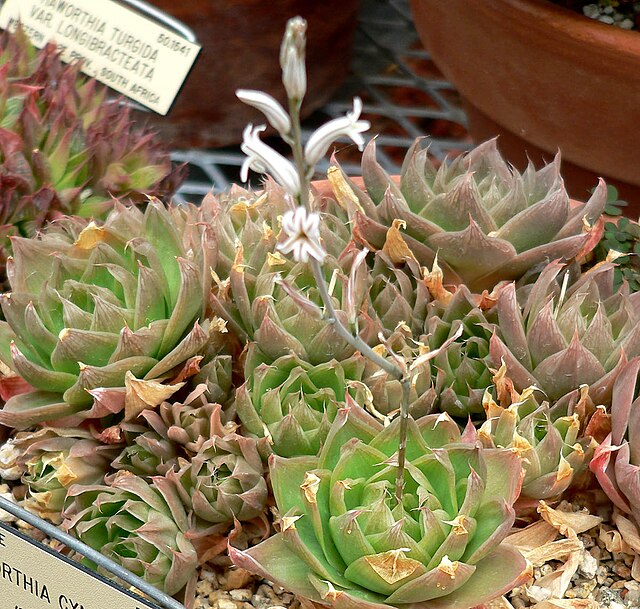
For epiphytic cacti with air plant characteristics (such as Rhipsalis) and humidity-loving Haworthia, foliar watering has a positive effect on growth. Particularly for Haworthia window varieties, moderate air humidity enhances the clarity of the window.
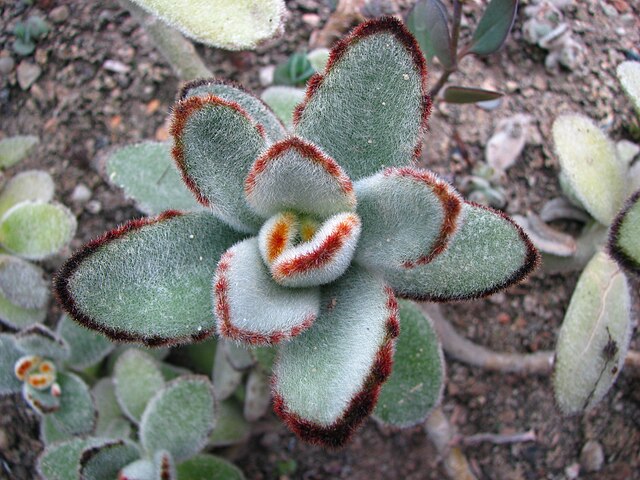
Certain varieties require caution with misting. Powder (bloom) on Echeveria can wash away even with misting. Additionally, densely hairy Kalanchoe varieties (such as 'Rabbit Ears') tend to retain moisture between the hairs, promoting mold.
Practically, misting is convenient for lightly moistening the soil surface while waiting for roots to develop after repotting. Providing large amounts of water before roots are functional risks root rot, so misting supplies the minimum necessary moisture.
Watering Methods by Variety
Different succulent varieties require different optimal watering methods. The following summarizes recommended methods for major variety groups.
| Variety Group | Recommended Watering Method | Key Points |
|---|---|---|
| Echeveria (particularly powder types) | Bottom watering | Allows watering without damaging bloom and avoids water pooling in rosette centers. Perform overhead watering once monthly to flush |
| Haworthia | Bottom watering or fine watering at the base | For window varieties, supplement with misting about once weekly to maintain window clarity |
| Sedum and Graptopetalum types | Overhead watering | Many species are vigorous growers that prefer water, so they benefit from slightly more frequent watering than other succulents |
| Cacti | Overhead watering | Water thoroughly only after soil is completely dry; maintain a contrasting watering rhythm |
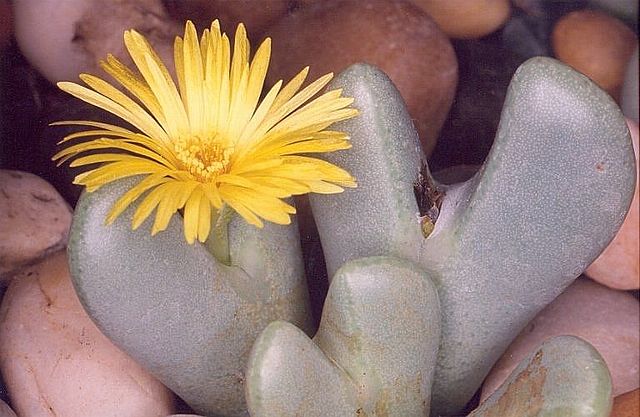
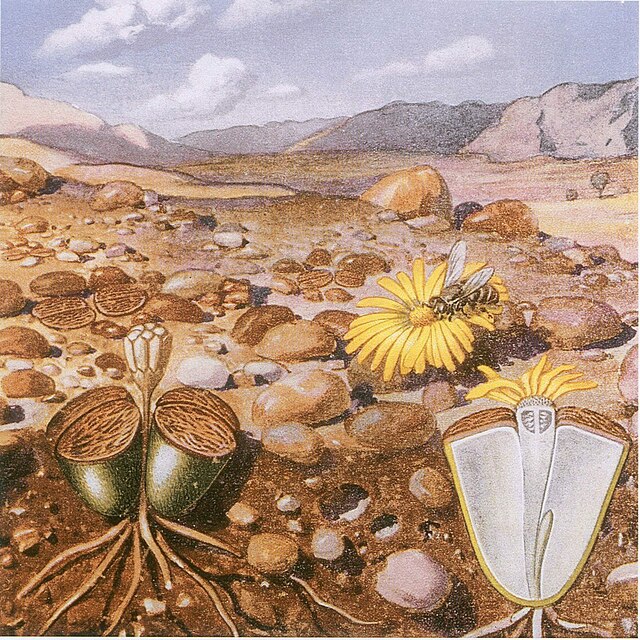
| Lithops and Conophytum | Overhead watering (completely avoid during shedding) | Water at the base only during the growing season. Strictly maintain drought during dormancy |
If you lack confidence in watering, asking a grower directly on GrowerDirect is also recommended. Learning variety-specific watering methods at the time of purchase can greatly reduce mistakes even for beginners.