Succulent Plant Autumn Coloring Techniques | How to Bring Out Stress Colors
Explanation of techniques for beautifully coloring succulents in autumn. Introduction to the mechanism of autumn coloring, conditions such as temperature differences, water restriction, and sunlight, how different varieties display color, and how to apply stress without failure.
Key Takeaways
Explanation of techniques for beautifully coloring succulents in autumn. Introduction to the mechanism of autumn coloring, conditions such as temperature differences, water restriction, and sunlight, how different varieties display color, and how to apply stress without failure.
Related Species
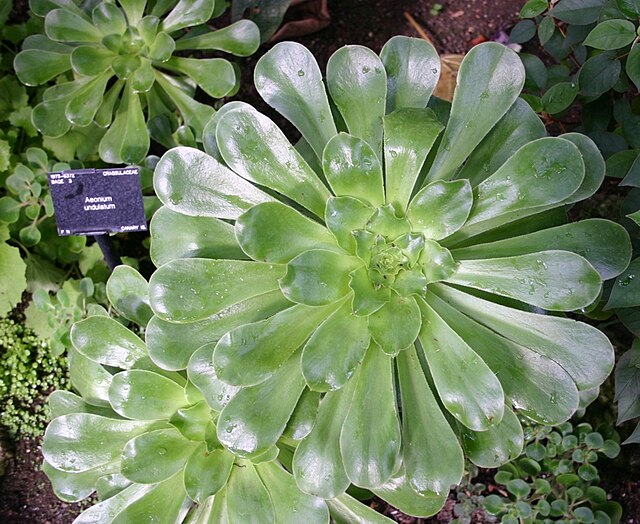
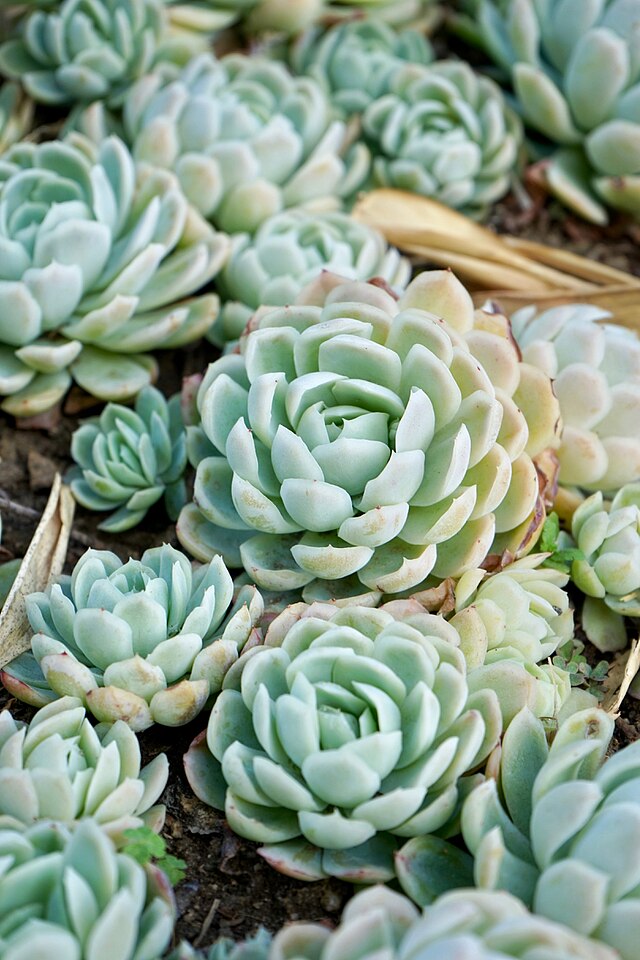
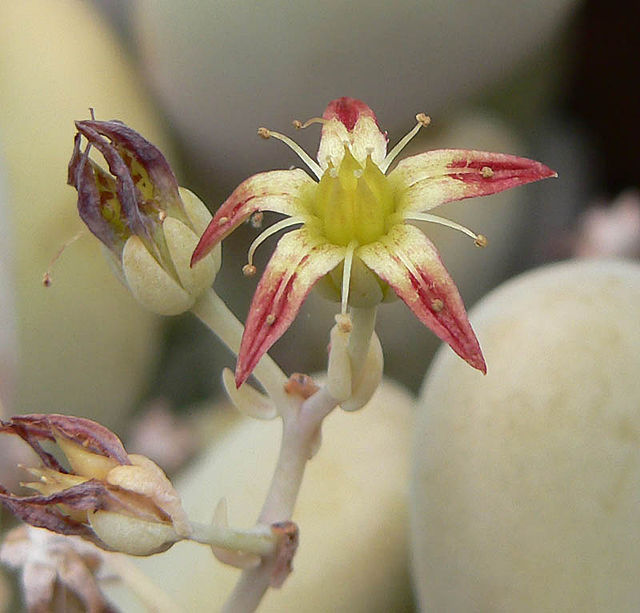
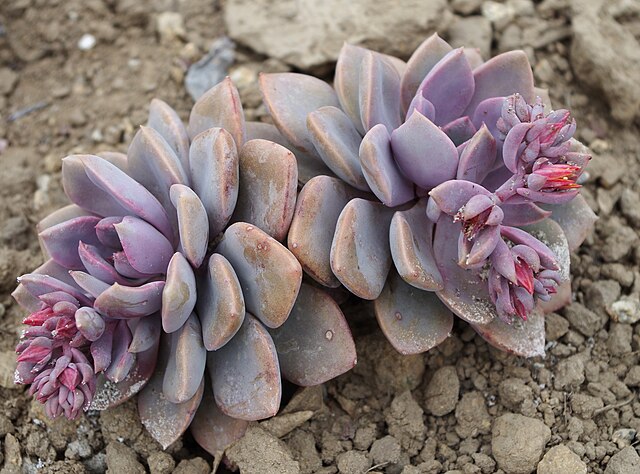
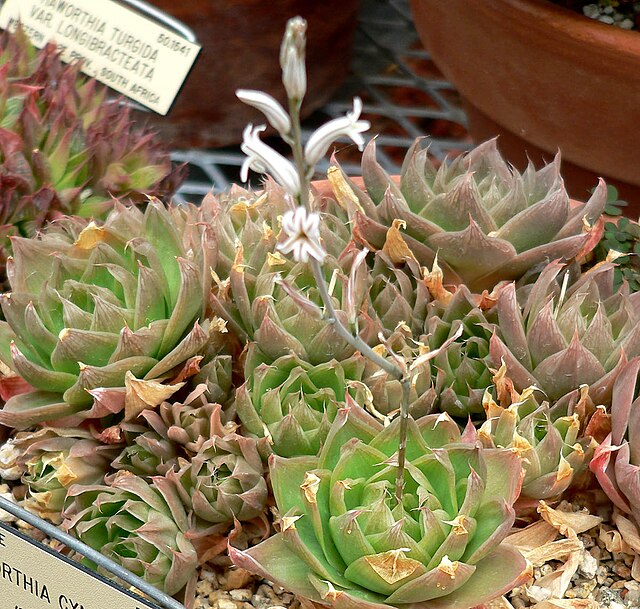
One of the attractions of succulent plants is "autumn coloring." From fall to winter, the sight of leaf edges turning pink, red, orange, and purple is as beautiful as gemstones. This autumn coloring occurs when plants experience stress, and is also called "stress color." This article explains techniques for beautifully coloring your succulent plants.
How Succulents Develop Autumn Colors
Succulent autumn coloring occurs as a pigment called anthocyanin increases within the plant. Anthocyanin is a pigment that protects cells from ultraviolet rays, and is produced as a defensive response when plants experience stress.
The three main stress factors that promote autumn coloring are:
Temperature Difference (Cold Stress) Autumn coloring is promoted the greater the temperature difference between day and night. An environment with temperatures around 15–20°C during the day and 5–10°C at night from fall through winter is ideal. However, freezing below 0°C causes damage to succulents, so keep them in a frost-free environment.
Strong Sunlight (UV Stress) Sufficient sunlight is an essential condition for autumn coloring. Ultraviolet rays in sunlight stimulate anthocyanin production. Direct outdoor sunlight produces much stronger autumn coloring than light through an indoor window.
Water Restriction (Drought Stress) Limiting watering and drying out the soil causes the plant to enter water-conservation mode, promoting autumn coloring. However, extreme drought weakens the plant, so keep water restriction to a moderate level.
Practical Techniques for Bringing Out Beautiful Autumn Colors
Management Schedule from Fall
September through October is the preparation period for autumn coloring. During this period, switch to the following management practices:
- Move to a sunny outdoor location: If possible, place in an outdoor location such as a balcony or eave that doesn't receive rain. The longer the daylight hours, the more effective.
- Reduce watering: Cut the frequency of summer watering to half or less, watering only about 3–5 days after the soil is completely dry.
- Stop fertilizing completely: Fertilizing promotes leaf growth in growth mode, making autumn coloring difficult.
- Expose to cool nighttime temperatures: Once nighttime temperatures reach around 10°C, actively expose plants to outdoor air. However, in regions where freezing occurs, bring plants inside when temperatures drop below about 3°C.
Tips for Bringing Out Strong Autumn Colors
- Nitrogen fertilizer is the enemy: Nitrogen increases leaf chlorophyll (green color), hindering autumn coloring. Never apply nitrogen-containing fertilizer after fall.
- Root-bound conditions also promote autumn coloring: When roots fill the pot, the plant experiences stress and autumn coloring becomes more likely. Repotting during the coloring season is counterproductive.
- A well-ventilated location: Exposure to wind also creates mild stress and promotes autumn coloring.
- Choose soil with good drainage: Using highly draining soil combined with water restriction effectively creates drought stress.
Color Variations by Variety
Succulent plants display different autumn colors depending on the variety.
Varieties That Color Red to Pink
- Echeveria 'Lilacina': A refined autumn coloring where the entire leaf tinges faintly pink.
- Echeveria 'Bluebird': Leaf edges are trimmed in pink.
- Graptopetalum 'Oborozuki': The entire leaf transitions from pink to red.
- Sedum 'Niji-no-tama': Colors red from the tips, becoming deep red by winter.
Varieties That Color Orange to Yellow
- Echeveria 'Tippy': Leaf tips color orange.
- Graptoveria 'Debbie': Transforms to purplish orange.
Varieties That Color Purple to Black
- Echeveria 'Black Prince': Transforms from deep purple to nearly black.
- Aeonium 'Kuro-houshi': Becomes darker and deeper in color with increased sunlight exposure.
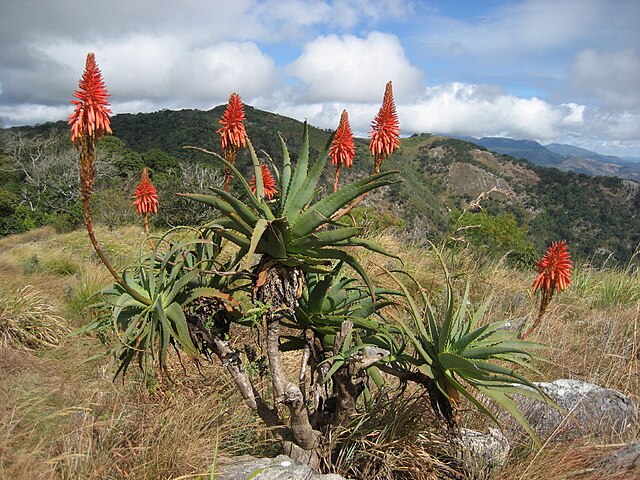
Varieties Difficult to Color Most Haworthia varieties are difficult to color and can suffer leaf burn if exposed to strong sunlight, requiring care. Aloe species also tend to be types that maintain green color rather than coloring.
Why Autumn Coloring Fades
Beautifully colored succulents can turn green again if the environment changes.
- Brought indoors: Moving to a warm indoor space results in insufficient temperature difference and sunlight, causing the coloring to fade to green within several weeks.
- Increased watering: As spring arrives and watering increases, the plant switches to growth mode and autumn coloring fades.
- Fertilizer applied: Fertilization promotes new green leaf growth, and colored older leaves gradually fall off from the bottom.
Autumn coloring is part of the succulent's natural cycle, and returning to green in spring is normal. Continue seasonal management, enjoying the autumn coloring each year.
Be Careful Not to Overdo Stress
Applying excessive stress in pursuit of autumn coloring can damage the plant.
- Avoid complete drought: Withholding water for more than a month risks killing roots.
- Freezing is prohibited: Most succulents suffer irreversible damage when frozen below 0°C as cells crystallize.
- Avoid sudden environmental changes: Placing plants directly outdoors in the depths of winter from an indoor setting is absolutely forbidden. Acclimate gradually.
- Distinguish from leaf burn: Brown, scorched discoloration is leaf burn, not autumn coloring. Direct sunlight is too strong.
The ideal is to maintain healthy plants and bring out beautiful autumn coloring through appropriate stress.
Finding Varieties That Color on GrowerDirect
On GrowerDirect, you can view offerings from growers who carry many varieties with beautiful autumn coloring. Since growers can teach you about autumn coloring techniques and varieties suited to your growing environment, even beginners attempting autumn coloring for the first time can feel secure.