Complete Guide to Growing Gasteria | Species, Watering, and Propagation Explained
Complete guide to basic Gasteria care. This guide introduces popular varieties and their characteristics, location selection that makes use of strong shade tolerance, watering and fertilizer application, and propagation through leaf propagation and division.
Key Takeaways
Complete guide to basic Gasteria care. This guide introduces popular varieties and their characteristics, location selection that makes use of strong shade tolerance, watering and fertilizer application, and propagation through leaf propagation and division.
Related Species
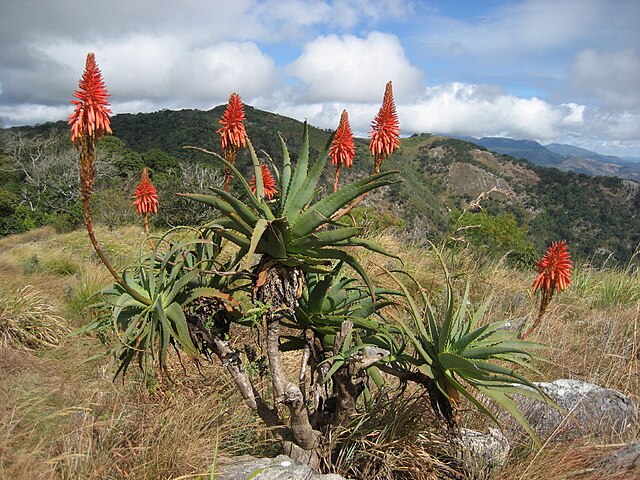
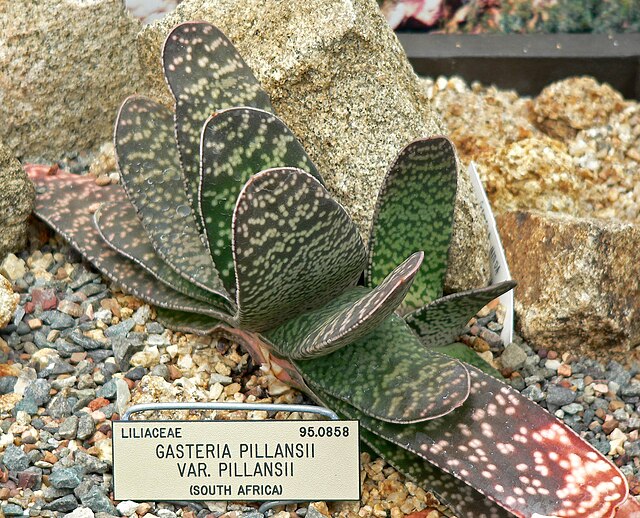
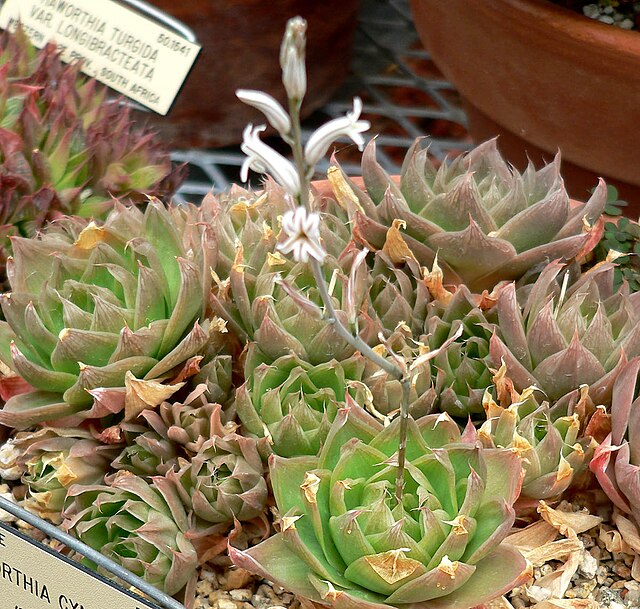
Gasteria is a succulent plant belonging to the Aloe family (broadly Asphodelaceae) native to South Africa. Like Haworthia, it is a hardy plant that prefers partial shade and is relatively easy to grow indoors, which is the reason for its popularity. However, in Japan, there is less information compared to Haworthia and succulents in general, and many people are managing them without understanding how to grow them properly.
This guide systematically explains everything from basic knowledge about Gasteria to daily care and propagation methods.
Gasteria Characteristics and Appeal
Basic Plant Information
Gasteria grows naturally in rocky areas, under rocks, and on dry slopes in South Africa. In its natural habitat, it grows in environments where direct sunlight doesn't reach much, such as under rocks or beneath low shrubs. This natural habitat is why Gasteria is more shade-tolerant than other succulents.
Origin of the name: Named after the tubular flower shape that resembles a stomach (Latin: gaster).
Morphological features:
- The basic form has hard, somewhat thick leaves arranged in two rows (distichous arrangement)
- The leaf surface often has white spots or stripe patterns, giving it high ornamental value
- Some plants spiral outward as they grow
- Flowers bloom in a tubular form in orange to red color at the tip of slender stems (inflorescences) that extend from winter to spring
Differences from Haworthia
Gasteria and Haworthia are often confused, but there are ways to distinguish them.
| Feature | Gasteria | Haworthia |
|---|---|---|
| Leaf arrangement | Basically distichous | Radiates outward |
| Leaf texture | Hard with gloss | Hard to varied (window-bearing types) |
| Flower shape | Tubular, asymmetrical | Nearly symmetrical |
| Shade tolerance | Very strong | Strong |
| Growth rate | Slow | Slow |
Main Species and Varieties
Gasteria batesiana
A popular species with triangular-shaped leaves densely marked with white spots. Its compact growth habit makes it easy to place indoors.
Gasteria carinata
Leaves are somewhat elongated with fine serrated edges. It has many variations and is popular among collectors.
Gasteria obliqua
A large-growing species with wide leaves. The spot patterns are beautiful.
Gasteria glomerata
One of the most compact species, with short, rounded leaves. It is rare and can be difficult to obtain.
Hybrid and Horticultural Varieties
Gasteria hybridizes easily with Haworthia at the generic level, and various hybrids such as "Gasteraloe" are in circulation. Additionally, overseas-bred varieties available through the internet are increasing, allowing enjoyment of diverse varieties with different leaf colors and spot patterns.
Location and Light Management
Basic Placement
Gasteria does not tolerate strong direct sunlight well. If exposed to direct summer sunlight outdoors, leaves scorch easily, and in the worst case, the plant is damaged.
Ideal placement:
- Bright window indoors (through lace curtains)
- Bright shade outdoors (such as under eaves where direct sunlight doesn't reach)
- North or east-facing windows
Environments to avoid:
- Direct summer sunlight (especially west-facing)
- Excessively dark interiors (leaves become elongated and etiolated)
Light Level Guidelines
"Bright shade" is the basic requirement, but in complete darkness, plants become etiolated and growth becomes uneven. Indoors, they can grow in places where fluorescent or LED light reaches, but ideally they should receive natural light from a window.
Watering Methods and Timing
Gasteria is a spring-autumn grower succulent. Spring (March–May) and autumn (September–November) are the growing seasons, while summer and winter are somewhat dormant.
Seasonal Watering
Spring and autumn (growing season): Water thoroughly 2–3 days after the soil dries completely. Similar to watering Haworthia, aim for once or twice per week. Water generously until water drains from the pot's drainage hole, and do not let water accumulate in the saucer.
Summer (partial dormancy): Reduce watering. Keep it to about 2–3 times per month, and be careful of moisture rot during the rainy season. Complete water withholding is not necessary, but avoid watering multiple times per week.
Winter (partial dormancy): In environments where temperature drops below 5°C, reduce watering to once or twice per month. In warm indoor locations, it can be maintained with watering about 2–3 times per month.
Watering Precautions
- Avoid pouring water forcefully from above, as water accumulating between leaves (at growth points) can cause rot
- Do not leave water standing in the saucer (a direct cause of root rot)
- Ideally, water in the morning and the soil should begin to dry by evening
Soil and Pot Selection
Soil Mix
Gasteria prefers well-draining soil, but does not require soil as extremely dry as other succulents. A soil mix with some water-holding capacity is appropriate.
Recommended mix:
- Succulent potting soil : Red lava soil (small grain) : Perlite = 4:3:3
- Or use commercially available "Haworthia and Gasteria potting soil" as-is
Standard "succulent soil" mixes will work, but it is safer to add 20–30% perlite to improve drainage.
Choosing a Pot
Terracotta pot: High aeration and drainage, resistant to root rot. Suitable for long-term management.
Plastic pot: Lightweight and easy to handle. However, due to lower aeration, watering frequency should be slightly reduced.
The pot should be one size larger than the plant (approximately 2–3 cm larger in diameter). Pots that are too large retain excess moisture, increasing the risk of root rot.
Fertilizer Application
Gasteria grows slowly, so excessive fertilizing is counterproductive. During the growing season (spring and autumn), it is sufficient to apply diluted liquid fertilizer about once or twice per month in place of regular watering.
- Fertilizers low in nitrogen, emphasizing potassium and phosphorus, are appropriate
- Stop fertilizing during winter and summer dormancy
- Solid fertilizers can damage roots through fermentation heat and salt accumulation, so use them cautiously
Propagation Methods
Removing Offsets
As Gasteria grows, it forms offsets at the base of the plant. Once the offset is well developed (as a rule of thumb, at least one-third the size of the parent), it can be divided.
- Remove the parent plant from its pot and gently loosen the root ball
- Separate the offset from the parent using clean scissors or a knife at the connection point
- Allow the cut surface to dry for a few days (to promote callus formation)
- Plant in dry soil and begin watering lightly after about a week
Leaf Propagation
Leaf propagation is possible with Gasteria, but the success rate is lower than with Haworthia or other succulents, and rooting takes longer.
- Carefully remove a healthy leaf by twisting at the base (taking care not to damage the leaf base)
- Air-dry the leaf in a dry location for 2–3 days
- Place the leaf on moist vermiculite or succulent soil (insert lightly or just lay it on top)
- Place in a bright location out of direct sunlight and wait for roots to develop
Rooting takes several weeks to months. Once roots appear, lightly cover with soil, and transition to normal care once the sprouted plantlet develops.
Disease and Pest Management
Common Diseases
Root rot: The most common problem. Caused by overwatering or poor drainage. If leaves become limp and soft, suspect root rot—check the roots and repot, keeping only healthy portions to re-establish roots.
Soft rot: A bacterial disease causing parts of the plant to decay. Remove the affected portion, sterilize the cut surface, and let it dry.
Common Pests
Scale insects: If you see white cottony clusters between leaves, that is a sign of scale insects. Scrub them off with an old toothbrush or cotton swab and treat with a systemic insecticide.
Mealybugs (root mealybugs): Difficult to detect as they parasitize roots. If leaves lose vigor and growth declines, check the roots, rinse them, and repot with fresh soil.
Points to Check When Purchasing
When purchasing Gasteria, check the following:
- Do the leaves have firm turgor and shine?
- Is the base free of rot?
- Are there no pests such as scale insects?
- Do the spot or stripe patterns match the variety's characteristics?
On GrowerDirect, growers specializing in Gasteria offer their plants for sale, allowing you to ask growers directly about care and variety details before purchasing. The platform is also convenient for obtaining rare varieties and large specimens. Take your time to select a plant you love and enjoy the quiet beauty of Gasteria.