Growth Rate and Size of Succulents | Species-Specific Guide
Explaining the growth rate and expected size of succulents like Echeveria, Haworthia, and Sedum. Also introducing tips for preventing etiolation and growing healthy plants to full size.
Key Takeaways
Explaining the growth rate and expected size of succulents like Echeveria, Haworthia, and Sedum. Also introducing tips for preventing etiolation and growing healthy plants to full size.
Related Species
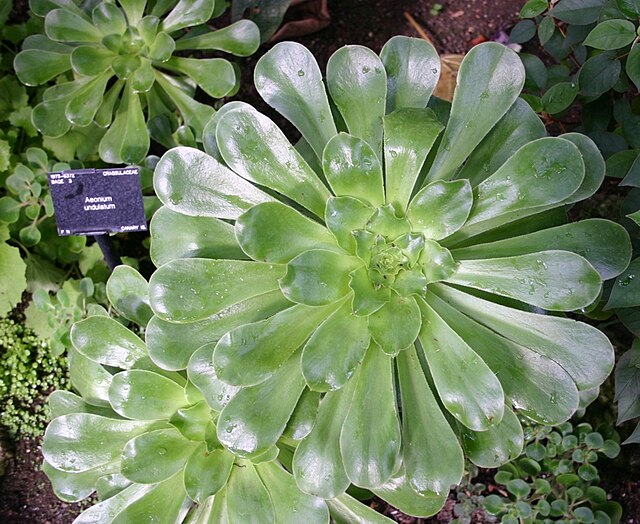
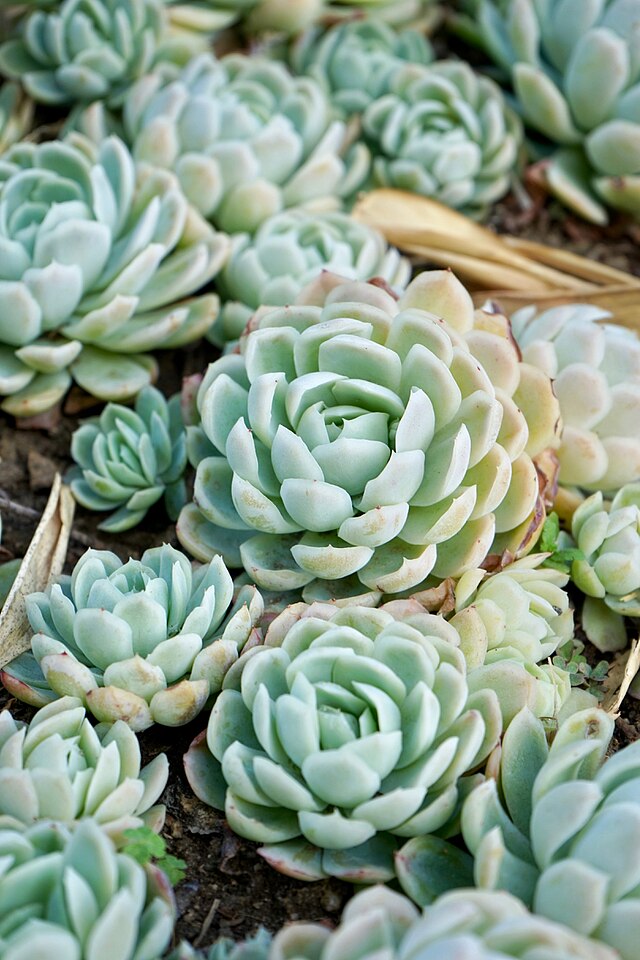
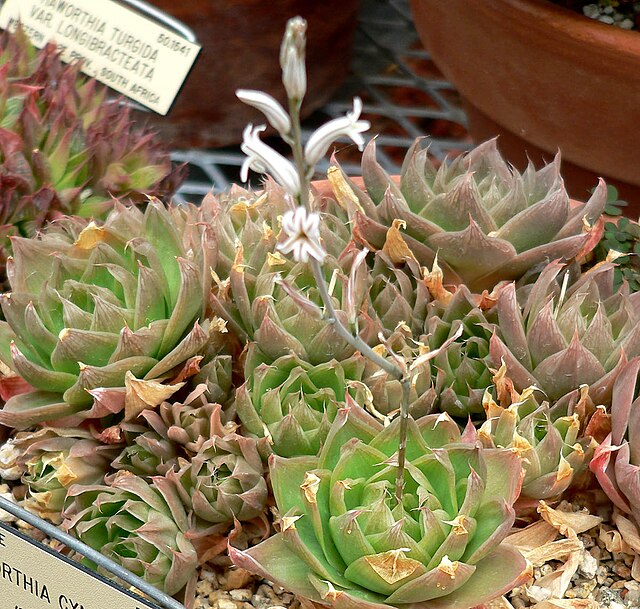
While succulents are often described as "easy to grow," their growth rate and final size vary significantly depending on the species. Some, like Echeveria, develop into impressive rosettes within a few years, while others like Haworthia grow slowly over time. Without understanding these differences, you may encounter problems such as plants not growing as large as expected or unexpectedly becoming etiolated.
This article summarizes the growth rate and expected final size of representative succulent species and explains key management practices for healthy growth.
Growth Rate and Maximum Size by Species
Succulents are broadly divided into three growth types: "spring/autumn growers," "summer growers," and "winter growers," each with different periods of active growth. Growth rate varies by species, and understanding these basics is essential for beginners.
Echeveria (Spring/Autumn Grower)
Growth speed is moderate. During the growing season (spring and autumn), new leaves emerge at a rate of 1-2 per month, and with proper conditions, they form attractive rosette shapes within 1-2 years. The diameter at maturity varies by cultivar but is generally around 10-20 cm. They readily produce offsets and are easy to propagate through division. With adequate sunlight and air circulation, they are beginner-friendly.
Haworthia (Spring/Autumn Grower)
Growth speed is slow. They produce only 2-3 offsets per year, and most are compact varieties with rosette diameters of 5-15 cm. Their slow growth means fewer management mistakes and good tolerance for low indoor light. Popular with collectors for the pleasure of slowly cultivating them over years.
Sedum (Spring/Autumn to Summer Grower)
Growth speed is very fast. Most spread low across the ground and can form groundcover in short periods under favorable conditions. Potted specimens often fill their containers within a single season. While hardy, they require careful attention to prevent rot and excess moisture.
Aeonium (Winter Grower)
Growth speed is moderate. These winter growers actively grow from fall through spring and rest during summer. They're characterized by upright stems and distinctive silhouettes, with large varieties reaching heights of 50 cm to 1 m. Incorrect summer care can easily damage them, making understanding their growth type especially important.
Agave (Summer Grower)
Growth speed is slow to moderate. While hardy and long-lived, some cultivars take years to decades to mature. Even small species reach 20-30 cm in diameter, while large species can exceed 1 m. They develop vigorous root systems requiring regular repotting. Their sharp forms are popular for interior design, and many breeder-cultivated hybrids are now available.
Three Key Points for Preventing Etiolation
Etiolation is when stems and leaves become elongated and leggy. It's one of the biggest problems for succulents and is irreversible—once etiolated, they never return to their compact form. The causes are almost always "insufficient light," "overwatering," or "poor air circulation."
Ensure Adequate Sunlight
Most succulents prefer at least 4-6 hours of direct sunlight daily. When growing indoors, a south-facing windowsill is ideal, and light through glass is often sufficient. However, intense afternoon sun in summer can cause leaf burn, so adjust with shade cloth or curtains.
Water Only After Drying Out Completely
The basic rule is to water thoroughly only after soil has completely dried, then wait another 2-3 days. Rather than frequent light watering, water thoroughly until it drains from the bottom, but water less frequently—this promotes healthy root development. Never leave standing water in saucers.
Choose a Location with Good Air Circulation
Poor air circulation causes not only etiolation but also root rot and pest problems. A simple fan circulating air indoors is effective. Outdoors, an eave where rain won't hit directly is ideal, with special attention needed during humid periods from early summer through summer.
Seasonal Management Calendar
Succulents have different growing and dormant periods depending on their type. Seasonal adjustments are key to healthy plant development.
| Season | Spring/Autumn Growers (Echeveria, Haworthia, etc.) | Summer Growers (Agave, Sedum, etc.) | Winter Growers (Aeonium, etc.) |
|---|---|---|---|
| Spring (Mar–May) | Growing season. Provide light, water, and fertilizer | Growth begins. Increase watering | End of growing season. Begin reducing water |
| Summer (Jun–Aug) | Semi-dormant. Provide shade and minimal water | Growing season. Full light and water | Dormant. Minimal to no water |
| Fall (Sep–Nov) | Growing season. Provide light, water, and fertilizer | End of growing season. Reduce water | Growth begins. Resume watering |
| Winter (Dec–Feb) | Dormant. Water 1-2 times monthly; protect from frost | Dormant to low activity. Minimal water | Growing season. Ensure light and moderate watering |
Fertilize during growing season at once monthly with dilute liquid fertilizer (about half the recommended strength). Avoid fertilizing during dormancy as it strains roots.
Repotting and Division for Enjoying Growth
Regular repotting is essential for healthy succulent growth. When roots fill the pot, growth stops and root rot risk increases. Ideally, repot once every 1-2 years at the start of the growing season.
When offsets appear, it's time to divide. After separating offsets from the parent plant, let the cut dry before planting in fresh soil. Haworthia and Echeveria are easily propagated this way, allowing you to grow multiple pots of your favorite varieties.
Many species can also be propagated by leaf cuttings or beheading, making propagation a major source of joy in succulent cultivation. Success rates vary by species and season, but attempting during the growing season gives the best results.
Finding Succulents on GrowerDirect
On GrowerDirect, you can purchase succulents directly from specialized growers and growers. Rare varieties, hybrids, and collector specimens difficult to find at typical garden centers are often available, and you can obtain healthy, compact plants without etiolation—a major advantage.
You can message sellers directly to ask questions like "How fast does this variety grow?" or "Can beginners grow this?" You can also confirm origin information and growing history, ensuring a reliable purchasing experience.
The appeal of succulents lies in watching them grow slowly over time. Invite these plants into your home from trustworthy producers and enjoy them at your own pace.