Creating Succulent Mini Gardens | Bonsai-style Arrangements and the Joy of Dioramas
A guide to creating mini gardens with succulents. This article explains bonsai-style arrangements, diorama composition techniques, plant selection, and long-term maintenance tips to help you create a charming miniature world.
Key Takeaways
A guide to creating mini gardens with succulents. This article explains bonsai-style arrangements, diorama composition techniques, plant selection, and long-term maintenance tips to help you create a charming miniature world.
Related Species
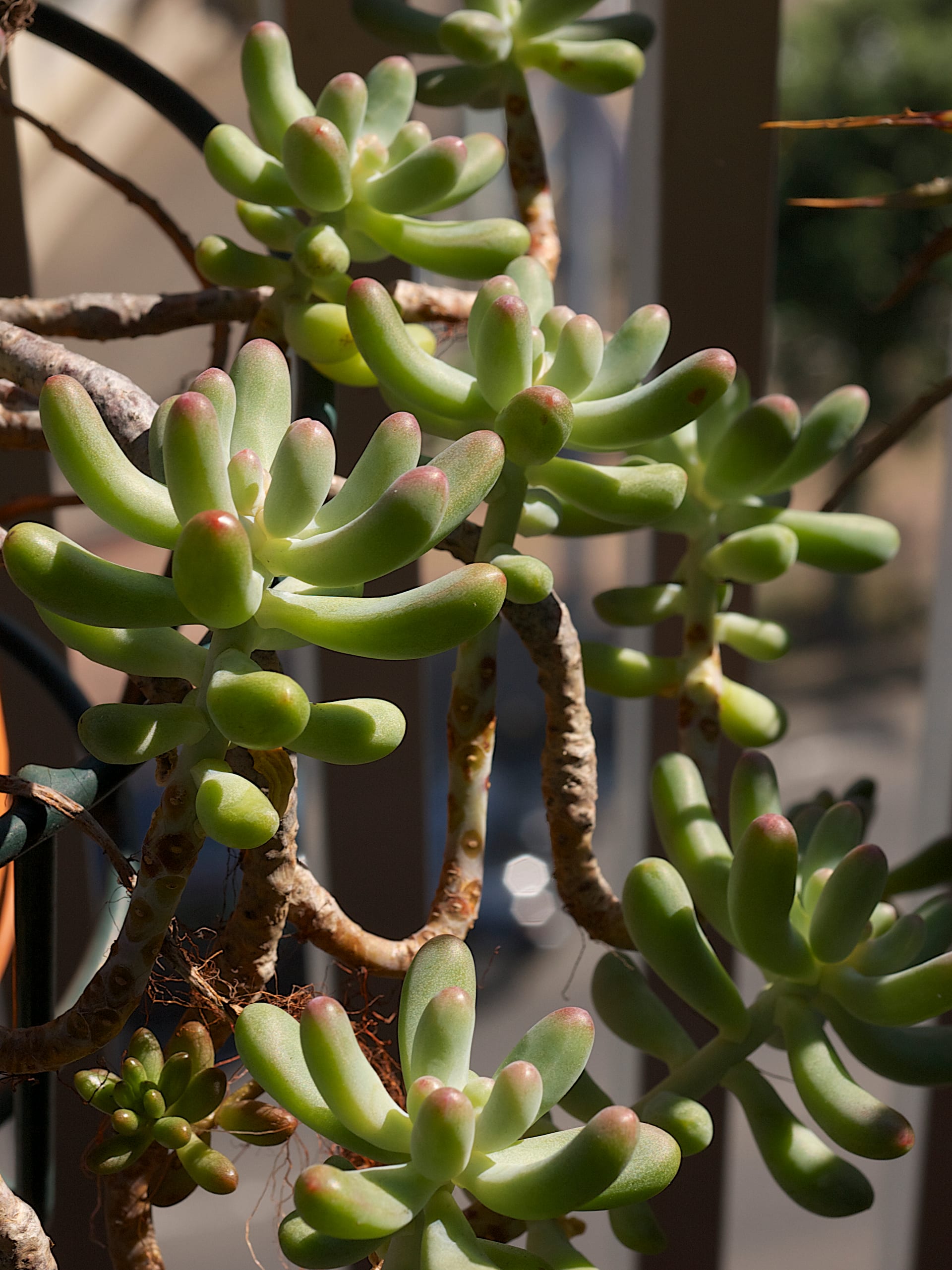
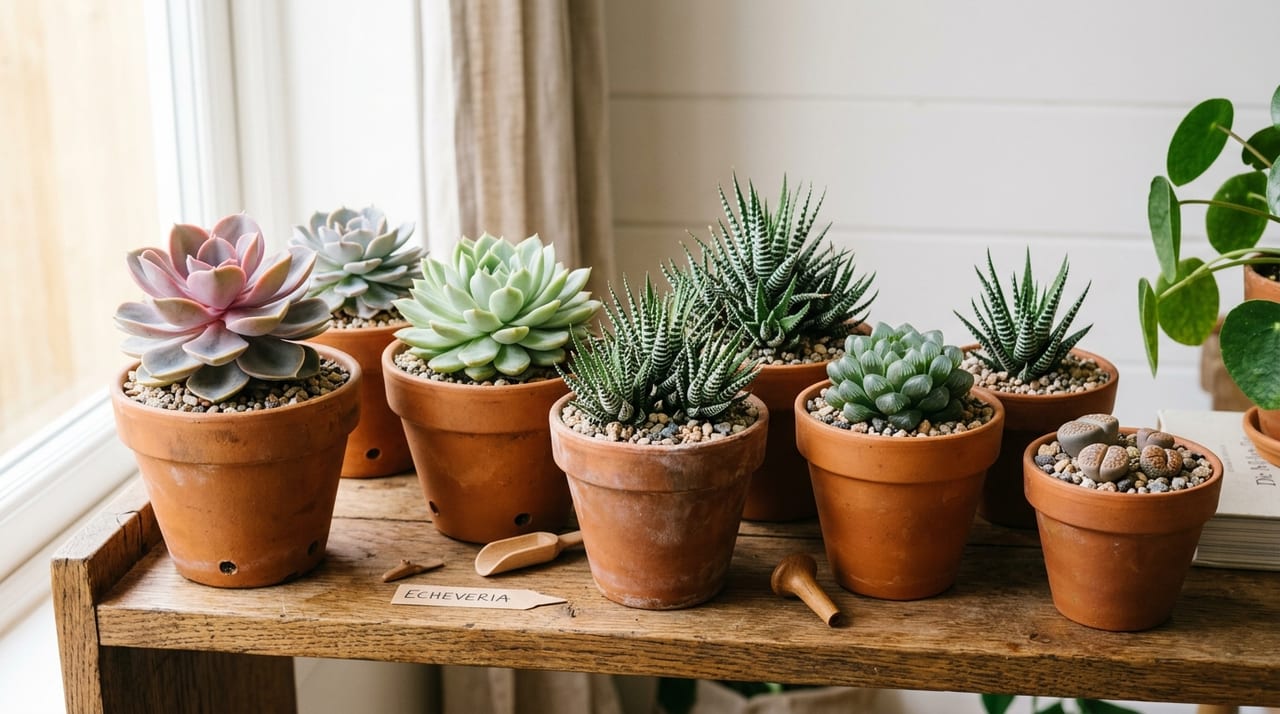
A succulent mini garden creates small landscapes within limited spaces—a modern take on the traditional art of bonsai gardens. By combining plants with stones, sand, and miniature accessories, you can express a complete and cohesive world within your miniature garden. It's a sophisticated hobby blending the aesthetic sensibilities of bonsai with modern interior design, yet accessible enough for beginners to start with just a few plants. Despite its compact size that fits in a corner of your room, each glance reveals something new—this guide walks you through creating such a mini garden, from choosing a container to ongoing maintenance.
Choosing the Right Container for Your Mini Garden
The container is your first critical decision and determines the overall aesthetic of your mini garden. Since different materials and shapes create distinctly different atmospheres, it's best to visualize your finished design before selecting a container.
Characteristics by Material
- Terracotta Trays (shallow): The natural texture of unglazed terracotta pairs beautifully with soil and stones, making it ideal for natural landscapes and rural scenery arrangements. High breathability reduces the risk of root rot.
- Wooden Boxes: Perfect for café-style or natural vintage arrangements. Line the interior with waterproofing or vinyl to extend the box's lifespan.
- Tin Trays and Cans: Ideal for industrial and vintage junk-style designs. The patina of rust adds character.
- Ceramic Shallow Bowls and Bonsai Pots: Glazed colors and textures enhance a Japanese aesthetic, perfect for authentic bonsai-style miniature gardens when combined with stones and moss.
- Glass Containers (terrarium-style): Enables modern, transparent-focused arrangements. However, choose lidless types since ventilation is limited.
Always Ensure Proper Drainage
Containers with drainage holes are ideal, but if using one without holes, place zeolite (root rot preventative) or pebbles at least 2-3 cm deep on the bottom to create a drainage layer. This simple step is crucial for long-term plant health. For beginners, a size of 20-30 cm wide by 8-10 cm deep offers a good balance, making it easy to accommodate adequate soil and handle.
Fundamentals of Composition and Layout
The key to creating a beautiful mini garden is not randomly arranging plants, but consciously thinking about a composition that reads as a complete landscape.
Create Height Variation and Depth
To mimic a natural landscape, place taller plants in the back and shorter plants in the front to create a sense of perspective. Arranging plants at uniform heights results in a flat appearance, so prioritizing height variation is essential. Stacking stones to suggest "mountains" or "cliffs" and using white sand to represent "rivers" or "deserts" are classic bonsai garden techniques.
Limit Your Plant Selection
Limiting yourself to 3-5 plant varieties creates a cohesive look. Cramming too many different colors and forms together often results in a cluttered appearance. Think of the basic combination as: 1 feature plant + 2 supporting plants + 1 ground cover, which makes it easier to achieve balance.
Embrace Negative Space
Just as in traditional Japanese garden design, empty space is an important compositional element. Allowing soil and stones to show between plants creates a refined appearance. Adding just one miniature fence, cottage, or animal figurine introduces narrative quality to your diorama, making it an ever-captivating creation that sparks imagination with each viewing.
How to Select Appropriate Plant Varieties
To keep your mini garden beautiful for the long term, it's important to combine varieties with similar growth rates. Mixing fast-growing and slow-growing species will quickly throw off your composition.
Recommended Varieties by Role
| Role | Recommended Varieties |
|---|---|
| Ground Cover | Sedum major, tight-leaved sedum, Echeveria 'Aurora' |
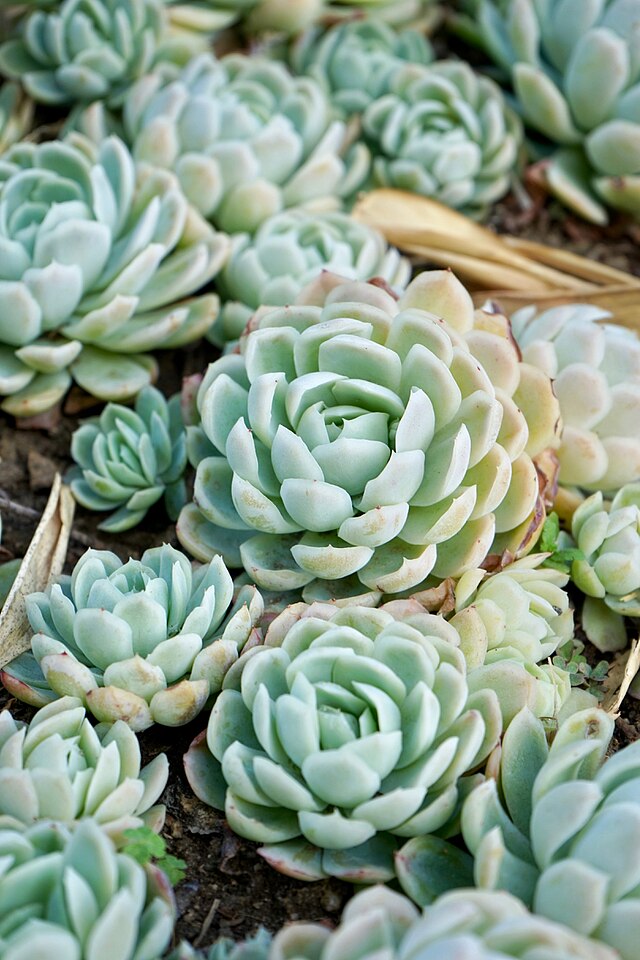
| Feature Plant (rosette/focal point) | Compact Echeveria varieties (Minima, Pridonis, etc.) |
| Accent (color/texture) | Rainbow Jade, Maiden's Heart, Purple Haze sedum |
| Tree-form/Height | Crassula 'Gollum', Portulacaria afra |
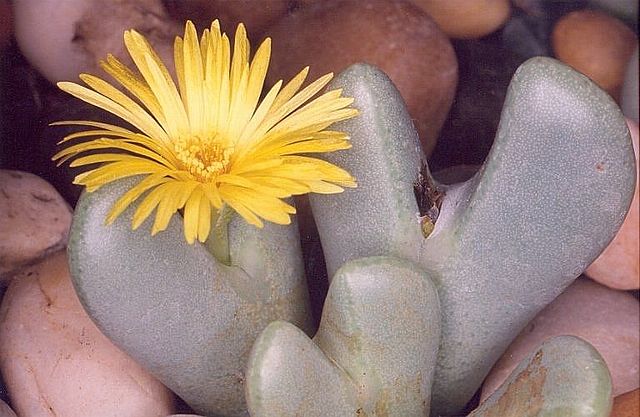
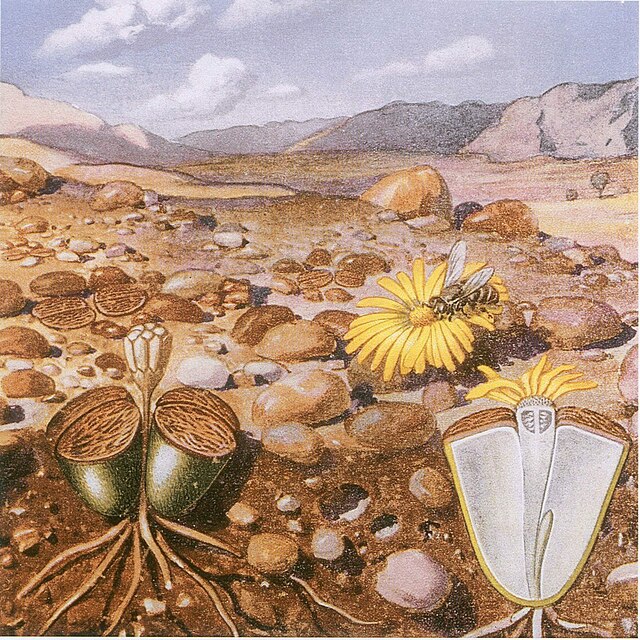
| Decorative/Playful Element | Lithops, Conophytum |
Matching Growing Seasons Is the Secret to Longevity
Succulents have three growth types: spring/autumn growers, summer growers, and winter growers. Mixing different types complicates dormancy watering schedules, causing one group to weaken. For beginners, we strongly recommend grouping spring/autumn type varieties together. Since most Echeveria, Sedum, and Crassula species are spring/autumn growers, building your arrangement around these makes care significantly easier.
Step-by-Step Planting Instructions
Once you've decided on your materials and composition, it's time to plant. Following these steps minimizes stress on your plants.
Materials You'll Need
- Container (with drainage holes recommended)
- Pot screen/mesh and pebbles
- Succulent-specific potting soil
- Decorative sand (white, brown, black, etc.)
- Stones, driftwood, gravel (for landscape elements)
- Tweezers and chopsticks (for detailed work)
- Miniature accessories (optional)
Planting Steps
- Prepare the Base: Lay down pot mesh and add 1-2 cm of pebbles to create a drainage layer.
- Trial Layout: Before adding soil, arrange stones and plants temporarily to check your overall composition. Adjustments are easiest at this stage.
- Add Soil: Fill the container about 70% with succulent-specific potting soil.
- Plant: Starting with the tallest plants, gently settle roots into the soil using tweezers. Handle carefully to avoid breaking roots.
- Create Topography: Arrange stones and driftwood to suggest mountains or cliffs.
- Finish with Decorative Sand: Use different sand colors to create rivers, deserts, or paths.
- Add Miniatures: Place figurines and miniature accessories last to complete the scene.
- Hold Off on Watering: For 3-5 days after planting, keep the soil drier to allow roots to settle.
Mini Garden Care and Maintenance
The true joy of a mini garden comes not from just creating it, but from nurturing it and enjoying how it changes over time.
Daily Care
- Watering: Water only after the soil dries completely. Be especially conservative if your container lacks drainage holes.
- Light: Ideally place outdoors in partial shade to full sun. Indoors, position near a bright window.
- Pruning: Trim overgrown stems to maintain shape. Cut stems can be propagated.
- Remove Dead Leaves: Fallen lower leaves detract from appearance, so regularly remove them with tweezers.
Refreshing Your Design
After 6-12 months, growth differences may throw off your composition. At that point, consider redesigning the entire garden—a unique pleasure of mini gardening. Rearrange your familiar plants and create a new world that reflects the season.
GrowerDirect's Reliability and Safety
Where you source your plants is an important consideration when starting a mini garden. While succulents are available at garden centers, variety names are often unclear and growing seasons may be unstated.
Through GrowerDirect, you can purchase propagated cuttings and young plants directly from specialized succulent growers. Variety names, growth types, and watering frequencies are clearly stated, and you can ask growers directly if you have questions—making confident selection possible even for beginners. Growers are also available for consultation when combining multiple compact or rare varieties for mini gardens.
Starting with professionally grown, healthy plants ensures excellent establishment after planting, allowing you to enjoy your mini garden for years to come. When you're uncertain about plant selection, don't hesitate to reach out to GrowerDirect's growers.