Rare Haworthia Guide | Maughanii, Truncata, Variegated Obtusa: Characteristics and How to Choose
Discover collector-favorite rare succulents. We explain the characteristics of Haworthia maughanii, truncata, and variegated obtusa, how to assess window clarity, seed propagation and division methods, appropriate pricing, and what to watch for when purchasing.
Key Takeaways
Discover collector-favorite rare succulents. We explain the characteristics of Haworthia maughanii, truncata, and variegated obtusa, how to assess window clarity, seed propagation and division methods, appropriate pricing, and what to watch for when purchasing.
Related Species
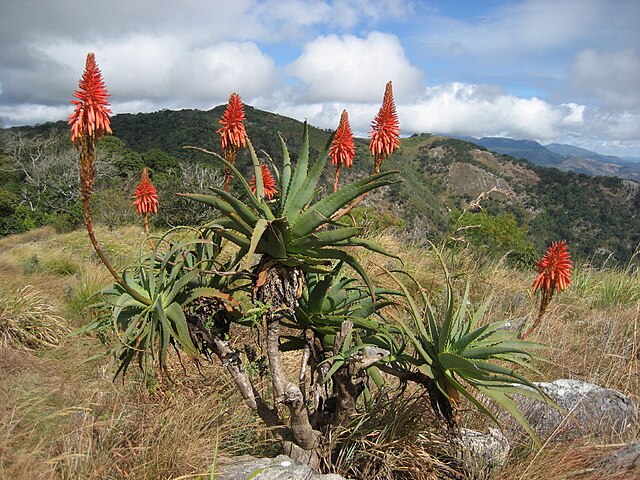
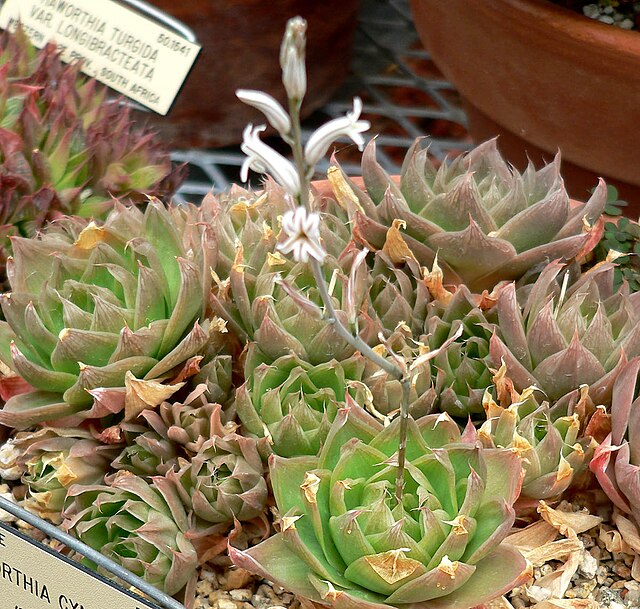
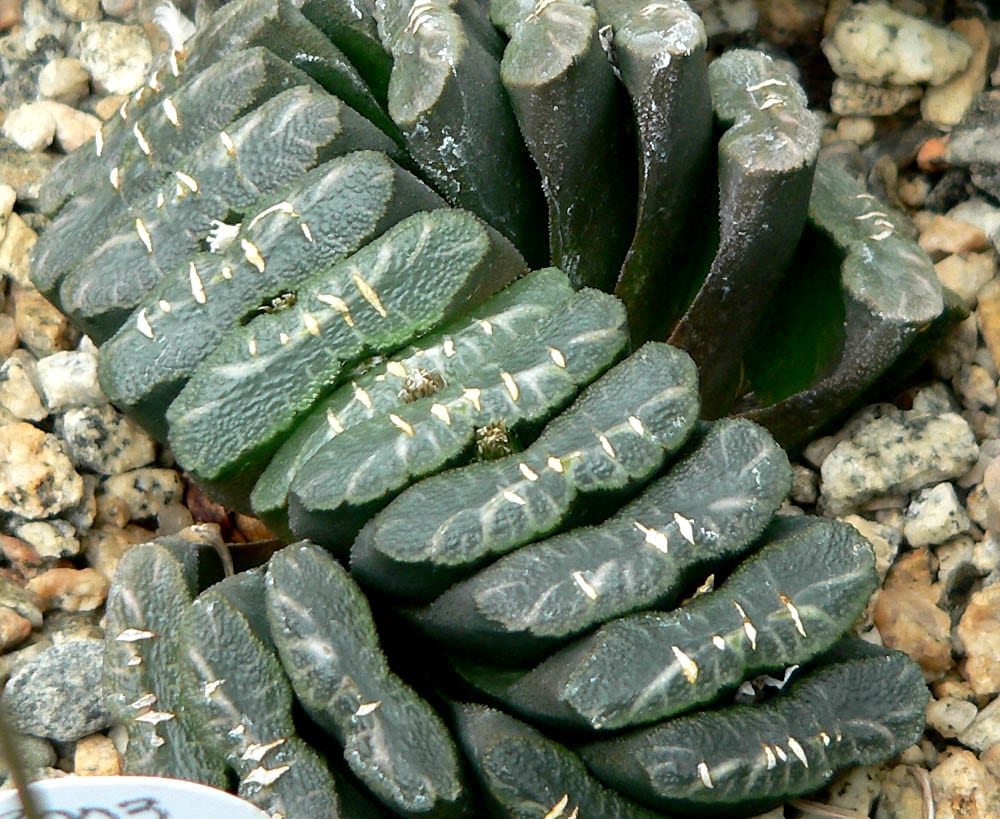
Haworthia is a succulent from South Africa belonging to the Asphodelaceae family, the same as aloe. Among these, varieties featuring "windows"—transparent leaf tips—are particularly prized by collectors worldwide. For those seeking to explore rare varieties, this guide introduces representative Haworthia collector's items.
Representative Rare Varieties
Maughanii (万象) — Haworthia maughanii
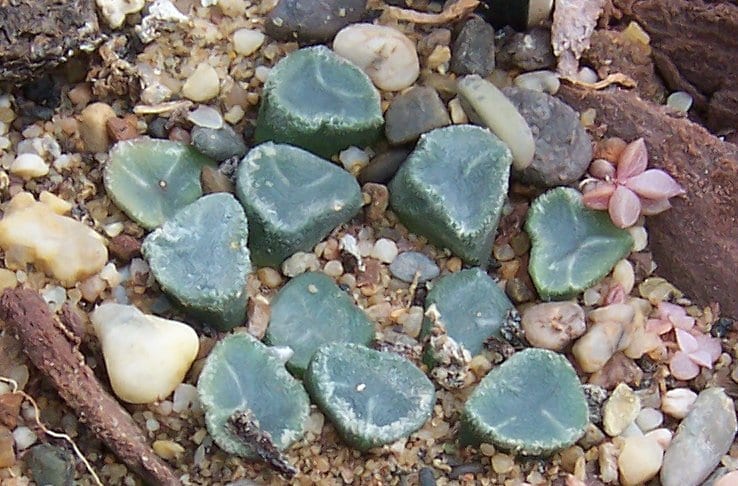
Maughanii is one of the most popular Haworthia varieties. Short, tubular leaves are tightly packed, with flattened leaf tips that appear to be cut straight across. The cross-section reveals the "window," a semi-transparent area.
How to evaluate windows: A larger window with higher transparency is rated more favorably. When light passes through, the ideal window transmits light uniformly across its entirety. Specimens with patterns (markings) are especially prized.
Price range for typical specimens is 5,000–30,000 yen, while specimens with particularly beautiful windows or variegation can exceed 100,000 yen.
Truncata (玉扇) — Haworthia truncata
Truncata has a similar structure to Maughanii but is distinguished by fan-shaped leaves arranged in two neat rows. The window area is wider, and pattern variations are abundant.
Selection tips: Good specimens have leaves arranged in orderly two rows, clear windows without haziness, and thick, plump-looking leaves with substance.
Obtusa Variegata (オブツーサ錦)
This is a variegated form of Obtusa, the representative soft-leaved Haworthia. While standard Obtusa is entirely green, the variegated form displays yellow, white, or pink variegation.
Variegation stability: In variegated specimens, variegated portions lack chlorophyll. If completely white leaves (ghost leaves) appear, the plant cannot photosynthesize and risks death. Choosing specimens where variegation is balanced—neither too extreme nor too weak—is essential.
How to Evaluate Window Transparency
Haworthia windows are observed by shining natural light or LED light on them.
- Transparency check: Confirm that light passes through the window. High-quality specimens transmit light cleanly across the entire window.
- Pattern clarity: Specimens featuring cloud patterns, sandy textures, or mesh-like markings are highly valued.
- Surface texture: Smooth surfaces are generally rated higher than rough ones.
- Window size: Larger leaf-tip windows enhance both photosynthetic efficiency and visual appeal.
Propagation from Seed and Division Methods
Propagation from Seed
Seed propagation takes time but offers the thrill that attracts collectors—the possibility of new patterns and forms appearing.
- Seeds mature 30–40 days after pollination
- Sow seeds immediately (germination rate is high)
- Germination requires temperatures around 25°C and adequate humidity
- 3–5 years pass from flowering until the plant reaches saleable size
Division
Carefully detach offshoots (pups) emerging from the base and plant them individually. Maughanii and Truncata produce few pups, making propagation by division difficult—a key factor in their scarcity and high prices.
Appropriate Price Guidelines
Haworthia prices vary widely between individual specimens. Even within a single variety, prices range from hundreds to tens of thousands of yen.
| Variety | Common | Premium | Top Grade |
|---|---|---|---|
| Obtusa | 500–2,000 yen | 3,000–10,000 yen | 10,000 yen+ |
| Maughanii | 5,000–15,000 yen | 20,000–50,000 yen | 100,000 yen+ |
| Truncata | 3,000–10,000 yen | 15,000–40,000 yen | 80,000 yen+ |
| Obtusa Variegata | 2,000–5,000 yen | 8,000–20,000 yen | 50,000 yen+ |
Tips for Choosing Varieties Without Regret
Selecting from the abundant variety can be both enjoyable and overwhelming. Consider these points when choosing your varieties.
Choosing varieties suited to your growing environment is paramount. Can you provide a bright location? What is the minimum winter temperature in your space? How much time can you dedicate to watering? Be honest with yourself about your lifestyle and conditions. The most disappointing outcome is selecting purely on appearance and then being unable to keep up with care requirements.
Starting with popular, well-documented varieties is a wise choice. Popular species have abundant cultivation information online, and when problems arise, solutions are easy to find. Rare varieties have limited information, and losing them due to neglect carries both financial and emotional cost.
Checking the mature size of each variety is also important. Some varieties grow larger than expected, and you may find yourself without space. Choose varieties that suit your available space.
Combining multiple varieties expands your collection and keeps it interesting. Mixing varieties that differ in size, color, and shape creates a richer visual display.
Common Beginner Mistakes and How to Avoid Them
Mistake 1: Judging price based solely on window clarity Even if the window is crystal clear, a weakened root system can cause the plant to deteriorate within months. If possible, remove the plant from its pot to inspect the roots. If not, check for stem wobbling and lower leaf firmness.
Mistake 2: Repotting immediately after bringing the plant home Recently transported plants have reduced water-absorption capacity. Leave the plant in its original pot for several days, then repot only once it shows signs of active growth.
Mistake 3: Providing excessive shade because the variety is rare Even soft-leaved Haworthia require light. In overly dark conditions, windows become cloudy and growth becomes etiolated, departing from the plant's natural form. Avoid direct sun while providing bright, filtered light or weak LED light.
Buy with Confidence on GrowerDirect
With rare succulents like Haworthia, confirming specimen condition in detail before purchase is essential. On GrowerDirect, you can purchase directly from growers specializing in succulents and ask the grower directly about window clarity, variegation quality, and care methods. Fair-market pricing ensures peace of mind, even when purchasing collector varieties for the first time.