Complete Guide to Growing Haworthia | Differences Between Soft-Leaf and Hard-Leaf Types and Care Tips
A complete growing guide that explains the differences between soft-leaf and hard-leaf Haworthia, proper light conditions, watering and soil selection, propagation methods, and repotting timing in an easy-to-understand way for beginners.
Key Takeaways
A complete growing guide that explains the differences between soft-leaf and hard-leaf Haworthia, proper light conditions, watering and soil selection, propagation methods, and repotting timing in an easy-to-understand way for beginners.
Related Species
What is Haworthia? Its Appeal and Basic Knowledge
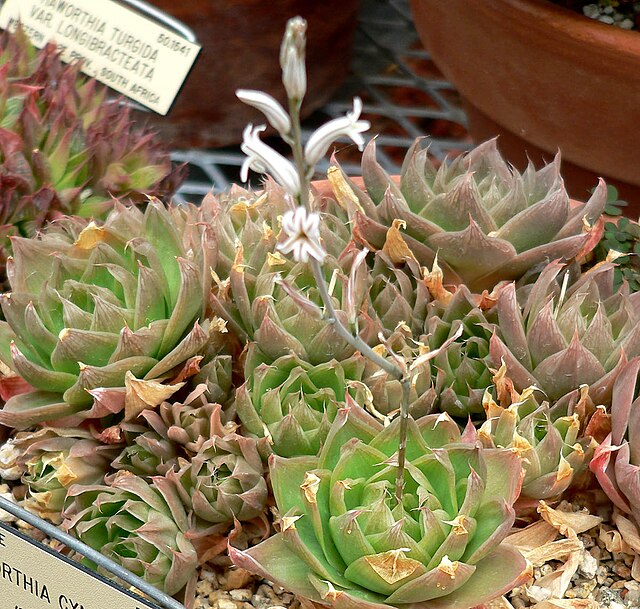
Haworthia is a succulent native to the Cape Region of South Africa and is classified in the genus Haworthia (family Xanthorrhoeaceae, formerly Liliaceae). In its native habitat, it grows in shaded environments such as beneath rocks and at the base of trees where direct sunlight is blocked, making it a rare example among succulents as a plant known to be "indoor-friendly."
Its greatest characteristic is its compact size and diverse appearance. Most varieties remain around 5–15 cm in diameter, making them easy to enjoy in limited spaces such as windowsills, desks, and shelves. The soft-leaf type with transparent "windows" has a jewel-like beauty, while the hard-leaf type with distinctive vertical stripe patterns has a sharp, modern atmosphere. Both types offer a wide range of varieties and are a deep genre with collectors worldwide.
Beginners can also feel confident, as these plants are very easy to grow. They do not require strong direct sunlight, tolerate periods of dryness, and can be maintained in small pots for years. Whether as an introductory succulent for your first plant or as a prized addition to a seasoned collector's collection, Haworthia is a versatile plant. For those curious about how Haworthia differs from other succulents, we also offer Basic Guide to Growing Succulents.
Soft-Leaf and Hard-Leaf Types—Two Groups with Different Appearance and Characteristics
Haworthia is broadly divided into "soft-leaf" and "hard-leaf" types, which differ not only in appearance but also in their characteristics and care requirements.
Characteristics of Soft-Leaf Types
Representative varieties include Obtusa (Haworthia cooperi var. truncata, with selected cultivars such as Dodson's Purple Obtusa also popular), Retusa, and Truncata. The most distinctive feature is the semi-transparent "window" at the leaf tip, which glimmers like a jewel when light shines through it. The leaves are plump and rounded, with a moist, soft texture when touched.
They are sensitive to light; strong direct sunlight can cause the windows to become cloudy or the leaves to sunburn and turn brown. Conversely, under proper shade, the colors become more vivid and transparency increases. Controlling light conditions is the key to bringing out the beauty of soft-leaf types. Those interested in learning about the differences between windows in each variety can also refer to the Obtusa Encyclopedia.
Characteristics of Hard-Leaf Types
Representative varieties include Zebra (Haworthia fasciata), Radula, and Coarctata. Hard, pointed leaves overlap in radial or spiral patterns with white stripe patterns or wart-like protrusions on the outer surface. They have higher tolerance to dryness than soft-leaf types and are somewhat more light-tolerant, making them an easier group for beginners to handle.
However, excessive direct sunlight can cause the leaves to redden, so the basic principle of bright shade remains the same. Their sharp, linear form works well with interior design and they are popular as indoor plants.
Light and Location—Indoor Care Tips
The most important aspect of Haworthia care is choosing the right location. While many people imagine that "succulents love direct sunlight," Haworthia is an exception—strong direct sun is off-limits.
Recommended environment: A windowsill behind sheer curtains or a bright, shaded spot on the north side. A shade level of 50–70% is ideal for soft-leaf types, while hard-leaf types can also adapt to slightly brighter light (shade level of 30–50%).
Using indoor LED lights: If natural light is difficult to secure, plant growth LED lights are effective. Providing light at approximately 6,000–10,000 lux for 8–10 hours a day is sufficient for growth. Keep the light at a distance of 15–30 cm from the plant and adjust to prevent leaf burn.
Seasonal considerations:
- Summer (June–September): When temperatures exceed 35°C, growth slows and the risk of root rot from moisture buildup increases. Move to a well-ventilated location and circulate air with a small fan.
- Winter (December–February): Damage can occur if temperatures drop below 5°C. Windowsills can get cold at night, so moving the plant to the center of the room or to an insulated shelf is safer.
Watering and Soil—"Lean Toward Dry" is Key
As is true for succulents in general, root rot from overwatering is the biggest cause of failure for Haworthia. Properly managing watering timing and soil drainage is the key to keeping your plant healthy for years to come.
Watering Timing and Amount
- Spring and autumn (growing season): Water thoroughly until it drains from the bottom, 2–3 days after the soil has completely dried out. Aim for watering every 1–2 weeks.
- Summer and winter (dormant season): Water just enough to lightly moisten the soil surface once or twice per month. Complete withholding of water is not necessary, but significantly reducing frequency is important.
If the leaves become wrinkled, this is a sign of underwatering. Conversely, if the base becomes soft or the leaves turn dark, root rot may be occurring. Check the plant early and trim away damaged roots, then allow them to dry.
Choosing Soil
Haworthia has thick water-storing roots, so well-draining soil is essential.
Sample basic mix:
- Red soil (small granules): 3
- Akadama soil: 2
- Pumice or perlite: 2
- Potting soil: 1
If using commercial succulent and cactus soil, adding about 20% more pumice or perlite will improve drainage. Choosing a deep pot (such as a slitted pot) makes it easier for roots to grow and improves air circulation. If you're unsure about choosing soil, the Succulent Soil Blend Guide is also helpful.
Propagation and Repotting—Maintenance for Long-Term Enjoyment
Propagation by Division (Most Reliable)
Carefully separate offsets that appear at the base of the parent plant, including their roots. Allow the cut to dry in shade for 2–3 days, then plant in fresh soil. Performing this during the spring or autumn growing season ensures smooth establishment.
Propagation by Leaf Cuttings
This method has a high success rate for soft-leaf types. Gently remove leaves at the base and arrange them on top of dry soil (do not bury them). Roots and small shoots will begin to appear within a few weeks to a month. Avoid direct sunlight and keep in bright shade. Hard-leaf types have a low success rate with leaf cuttings, so division is recommended instead.
When to Repot
The best timing is once every two years in spring or autumn. Signs include roots filling the entire pot or old soil becoming compacted. Clean up the old roots and repot into a slightly larger container with fresh soil. Withhold watering for 3–5 days after repotting, allow the roots to dry, then resume—this promotes successful establishment.
GrowerDirect's Reliable and Safe System
Haworthia includes many "selected specimens" and "hybrid varieties"—collector's items not typically available at ordinary garden centers. Part of Haworthia's appeal is that even plants with the same variety name can look very different, with some individuals having exceptionally transparent windows or colors that appear only under specific light conditions.
In GrowerDirect's 2026 version, you can purchase these carefully selected specimens directly from specialist growers. Because there are no middlemen, you can hear directly from the grower about the condition of the plants they've raised and their care methods, making it safe to start even for beginners.
Checklist when purchasing from GrowerDirect:
- Window transparency and coloring (soft-leaf types)
- Leaf firmness, luster, and tightness
- Root condition and repotting timing
- Light environment and watering frequency during growth
Because you can communicate directly with growers, you can easily ask specific questions such as "In what kind of environment was this plant grown?" and "Will it be okay by the north-facing window at my house?" From variety selection to care methods, start your Haworthia journey with confidence while receiving expert advice. For those who want to deepen their knowledge of plant care, be sure to check out the Succulent Annual Care Calendar as well.