Sempervivum Care Guide | Enjoying Hardy Succulents Outdoors
A comprehensive guide to growing Sempervivum that tolerates temperatures as low as -20°C. From outdoor ground planting methods and variety selection to summer care tips and propagation from offsets, we'll share the appeal of succulents that can be enjoyed even in cold regions.
Key Takeaways
A comprehensive guide to growing Sempervivum that tolerates temperatures as low as -20°C. From outdoor ground planting methods and variety selection to summer care tips and propagation from offsets, we'll share the appeal of succulents that can be enjoyed even in cold regions.
Related Species
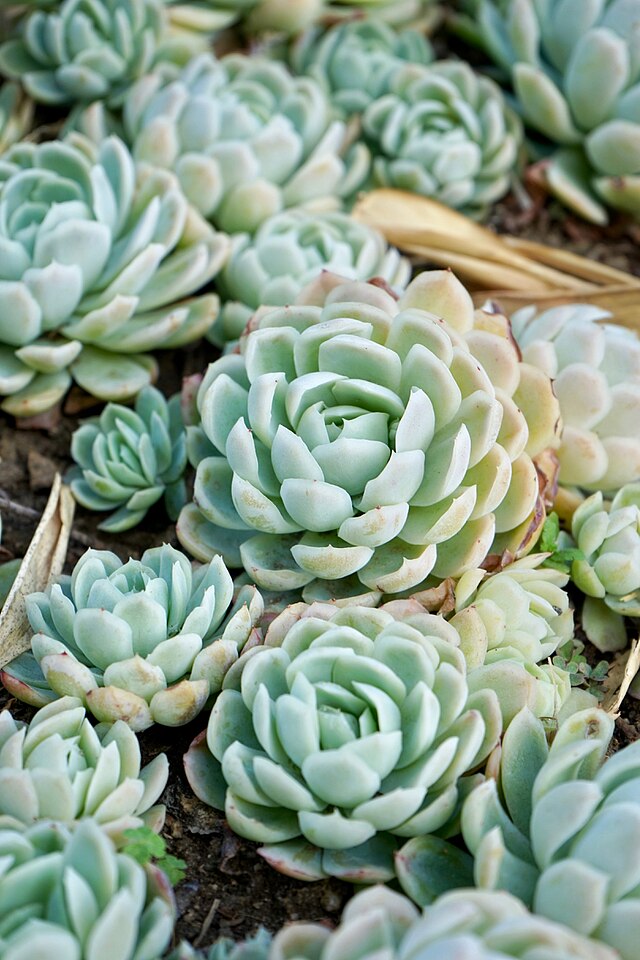
Sempervivum (Sempervivum) is a succulent native to the mountainous regions of Europe, and as its scientific name "always alive" suggests, it possesses remarkable cold hardiness. Some varieties can withstand temperatures as low as -20°C, making it one of the few succulents that can be managed outdoors even during Japanese winters. Its rosette-shaped leaves and the beautiful color changes that vary by variety make it useful for rock gardens and groundcover. Here we'll explain the characteristics and care methods for Sempervivum in detail.
Basic Characteristics and Varieties of Sempervivum
Sempervivum is classified in the Crassulaceae family, genus Sempervivum, with over 40 species in the wild and thousands of cultivars. The diameter of the rosettes ranges from approximately 2 to 15 cm depending on the variety, offering a wide range of options from small to large types.
Representative varieties include the following:
- "Tectorum" is popular for its unique appearance with thread-like hairs extending from the leaf tips.
- "Arachnoideum" is covered with even denser, web-like thread formations.
- "Calcareum" is a beautiful variety with reddish-purple tinged leaf tips and is ideal as an entry-level species.
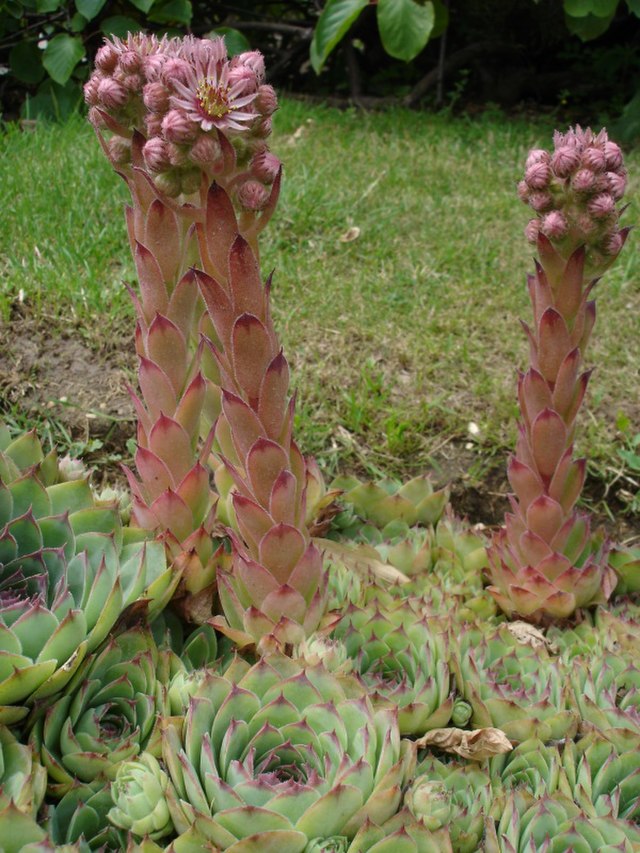
The most distinctive feature of Sempervivum is that it is "monocarpic" (flowering once, then dying). The parent plant dies after flowering, but since it produces numerous offsets (runners) before blooming, the population persists indefinitely. Understanding this behavior allows you to manage the plants without panic even when the parent plant dies.
Autumn color is also a major attraction. As temperatures drop from autumn to winter, varieties display vibrant red, purple, or orange colors depending on the type. The more cold exposure, the more vibrant the coloration, so outdoor management is the key to producing beautiful rosettes.
Basics of Outdoor Cultivation and Light Management
Sempervivum is an ideal succulent for outdoor cultivation. Year-round outdoor management is possible in most of Japan, and in fact, plants thrive better outdoors than indoors.
Ideally, provide more than half a day of direct sunlight. Insufficient light causes the plant to become leggy and spindly, and autumn colors develop poorly. However, during peak summer heat, protect with shade cloth (approximately 30%) or move to a location that avoids afternoon direct sun.
Good air circulation is essential for maintaining healthy Sempervivum. Because they are susceptible to humidity damage, ensure good air flow especially during the rainy season and summer. When placing on shelves, don't crowd them too closely; maintain adequate spacing between plants.
While rain exposure is tolerable, it's ideal to move plants under an eave or install rain protection during the extended rainy season. Excessive moisture causes root rot and deterioration of outer leaves. Regarding snow, plants can overwinter beneath it, but for potted plants, ensure the pot doesn't freeze solid to prevent root freezing.
In-ground planting is also possible and works excellently for rock gardens. Planting on well-draining slopes or in gaps between stones creates a natural-looking colony of plants.
Watering and Soil Mix
Sempervivum requires more frequent watering compared to other succulents. Seasonal guidelines are as follows:
| Season | Watering Guide |
|---|---|
| Spring and Autumn (Growing Season) | Water thoroughly when the soil dries out. Aim for once or twice per week, adjusting for temperature and pot size. |
| Summer | Water in the cool evening hours while watching for humidity damage. Avoid complete water withholding; water sparingly to prevent wilting. |
| Winter | Once or twice monthly is sufficient. If there's risk of frost, water in the morning on clear days and allow the soil surface to dry by evening. |
Prioritize good drainage when mixing soil. The basic mix is 3 parts small-grain red volcanic soil : 2 parts Kanuma soil : 2 parts pumice : 1 part leaf mold. Sempervivum can tolerate slightly more organic matter in the mix compared to other succulents. However, poor drainage causes root rot, so ensure drainage with pumice or perlite.
Shallow pots and trays are suitable for group planting. Terracotta pots offer good air circulation and prevent summer moisture problems, but risk freezing solid in winter, so plastic pots are safer in cold regions.
Propagation from Offsets and Runner Management
Sempervivum propagation is very easy using the naturally produced runner (stolon) offsets. From spring to autumn, runners extend from the base of the parent plant, with offsets forming at the tips.
Once offsets reach 2 cm diameter or larger, you can sever them from the runner with scissors and grow them independently. After severing, let the cut dry for 1-2 days before planting in soil. If roots have already formed, you can plant immediately.
If you leave the runners uncut, they naturally spread and form a colony. This colony formation is also beautiful, so intentionally leaving runners for dense planting is another way to enjoy them.
Leaf propagation is possible but has a lower success rate compared to Echeveria. Remove outer leaves cleanly, place on dry soil, and keep in shade. Rooting typically takes 2-4 weeks.
To propagate in large quantities, pinch off flower buds early to redirect the parent's energy toward offset formation. However, if you want to enjoy the flowers, let them bloom, then remove the dead parent plant after flowering to make room for the offsets.
Frequently Asked Questions and Practical Advice
Q. My plants melted in summer. What caused this? A. While Sempervivum is cold-hardy, it is susceptible to Japan's hot, humid conditions. In summer, move to partial shade away from rain and ensure good air circulation. If water collects in the center of the plant in high heat, it will rot from that point.
Q. Is it okay to leave plants outside all winter? A. It depends on the variety, but most can overwinter outdoors below freezing. In fact, exposing plants to cold in winter improves spring color and offset production. More important than cold is preventing excessive soil moisture from repeated freezing and thawing cycles.
Q. My parent plant died. A. Sempervivum naturally dies after flowering (monocarpic habit). This is not abnormal. When flowers appear, ensure the surrounding offsets are established, and the plant line will continue through generational replacement.
Uses and Ways to Enjoy Sempervivum
Sempervivum is a versatile plant usable not only for ornamental purposes but in various gardening contexts.
- In rock gardens, planting in gaps between stones creates a natural landscape. Mixed plantings of multiple varieties offer color gradations. Balancing red, green, and purple tones creates a garden with seasonal variation.
- They are also suitable for wall-mounted planters and vertical gardens. Their shallow root system allows them to grow in thin frame-style containers. "Succulent art" using frame-style planters with Sempervivum has become increasingly popular in recent years.
- They are strong enough to take root in places with minimal soil, such as corrugated metal roofs or concrete block walls, and are also recommended as groundcover. With weed-suppressing properties and low maintenance, they are gaining attention as an easy-care gardening material.
Sempervivum is a plant with growing availability on GrowerDirect. With a wide variety of cultivars available, purchasing plants with clear variety names from specialist growers is the most reliable approach. By sharing your growing conditions with the grower, you can receive advice on varieties suited to your region.