Aquatic Plant Encyclopedia
Encyclopedia of popular aquatic plants with care guides, traits, and aquascaping tips.
Showing 77 of 127 species(73–77)
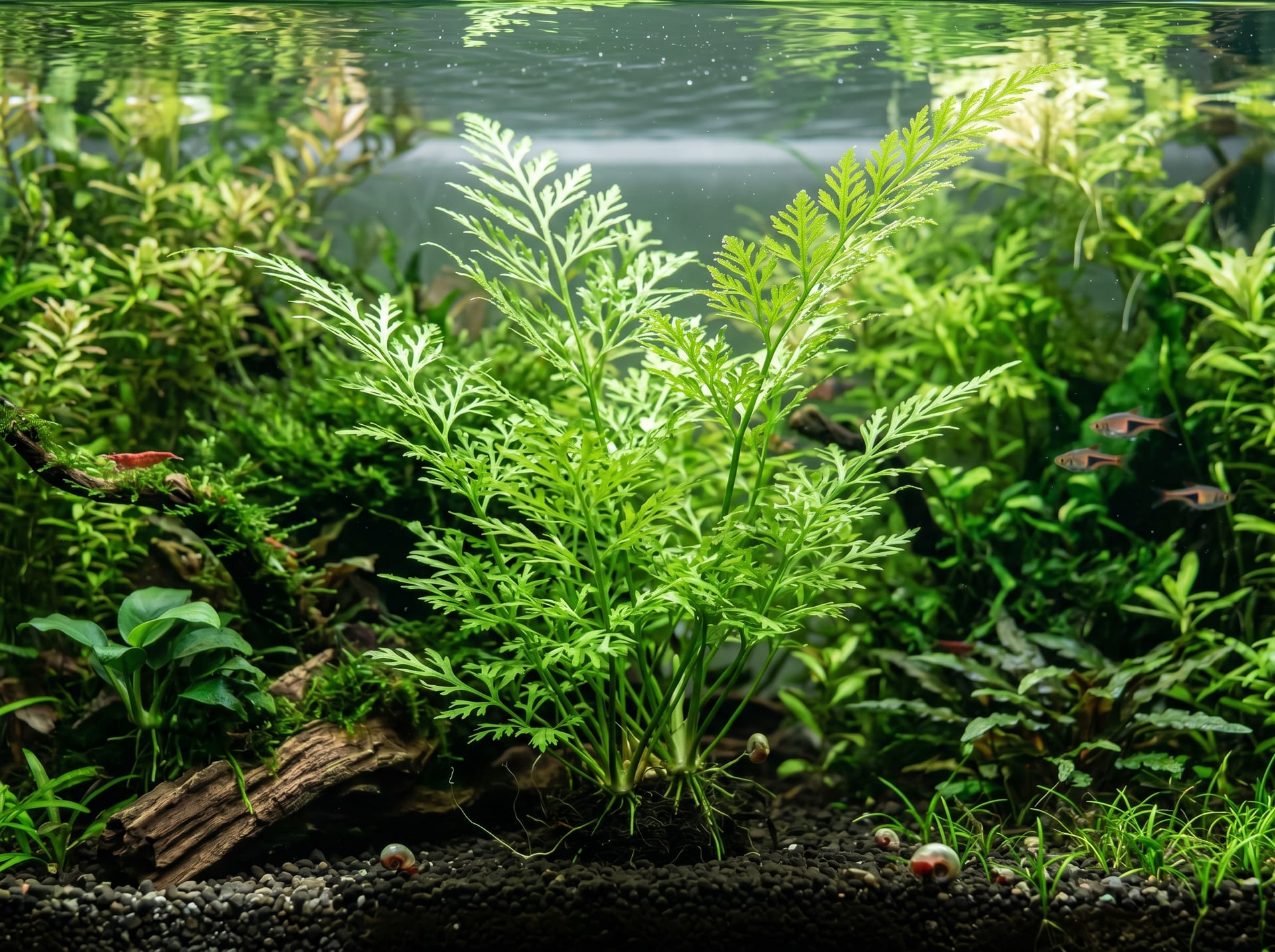
Water Sprite
Ceratopteris thalictroides
A fern with beautiful pinnate delicate leaves. Versatile plant that grows floating or planted.
 © Krzysztof Ziarnek, Kenraiz / CC BY-SA 4.0
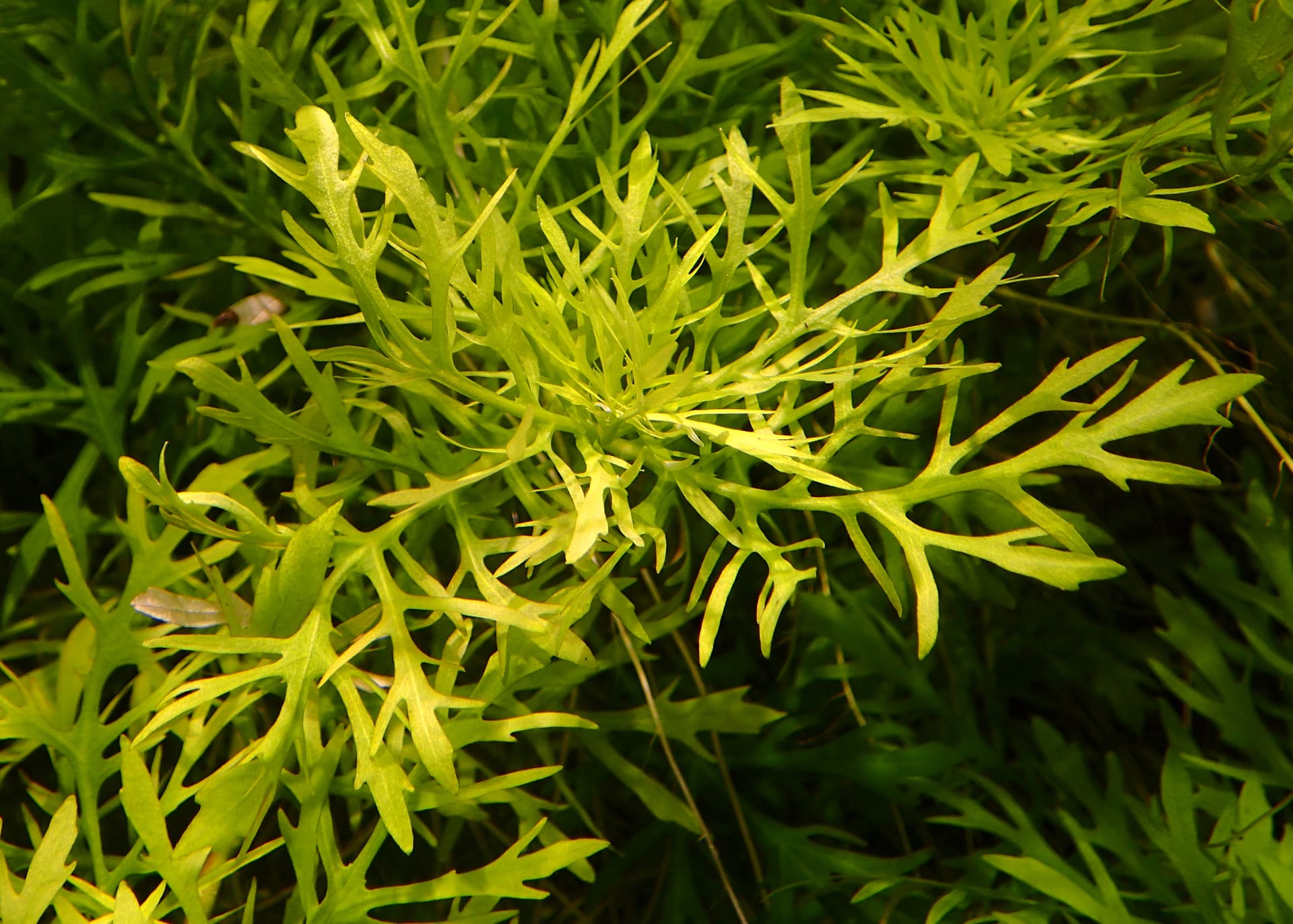
Water wisteria
Hygrophila difformis
A stem plant with striking heterophylly: deeply pinnatifid leaves underwater and undivided, toothed leaves above water. Very fast-growing, it soaks up excess nutrients in newly set-up tanks.
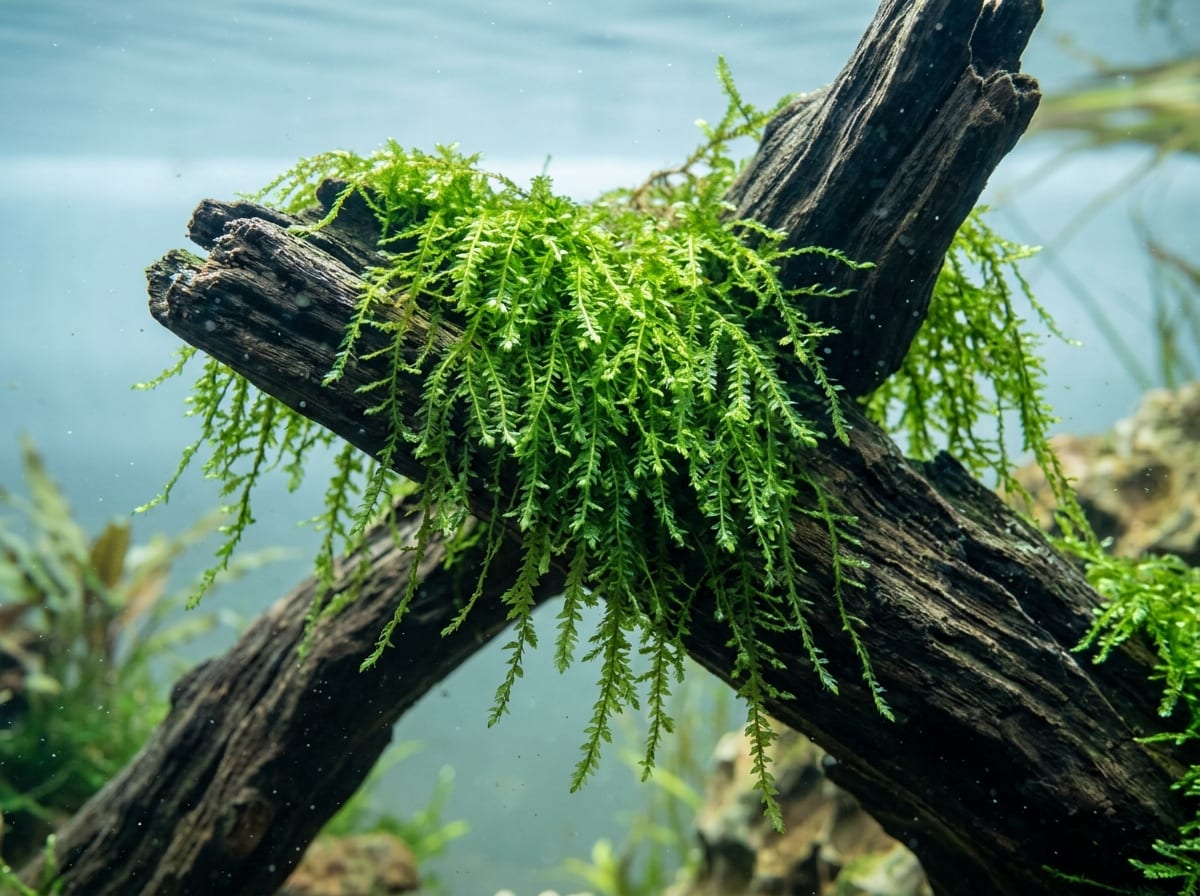
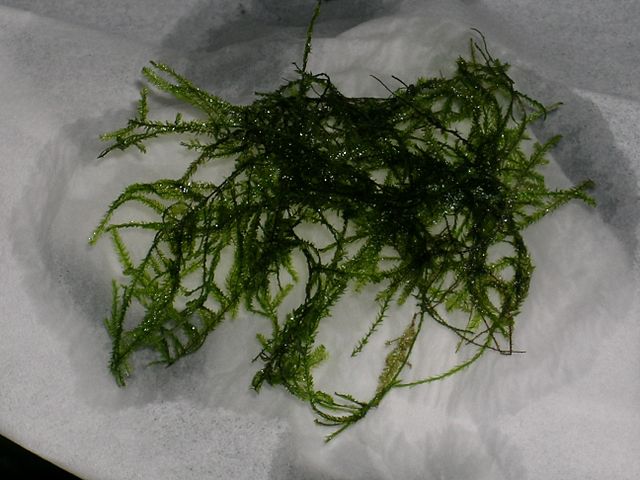
Weeping moss
Vesicularia ferriei
An aquatic moss with bright green, teardrop-shaped shoots that hang downward. Draped from branches of wood it adds depth and shadow to a layout. Undemanding and fairly quick-growing.
 © Forest & Kim Starr / CC BY 3.0
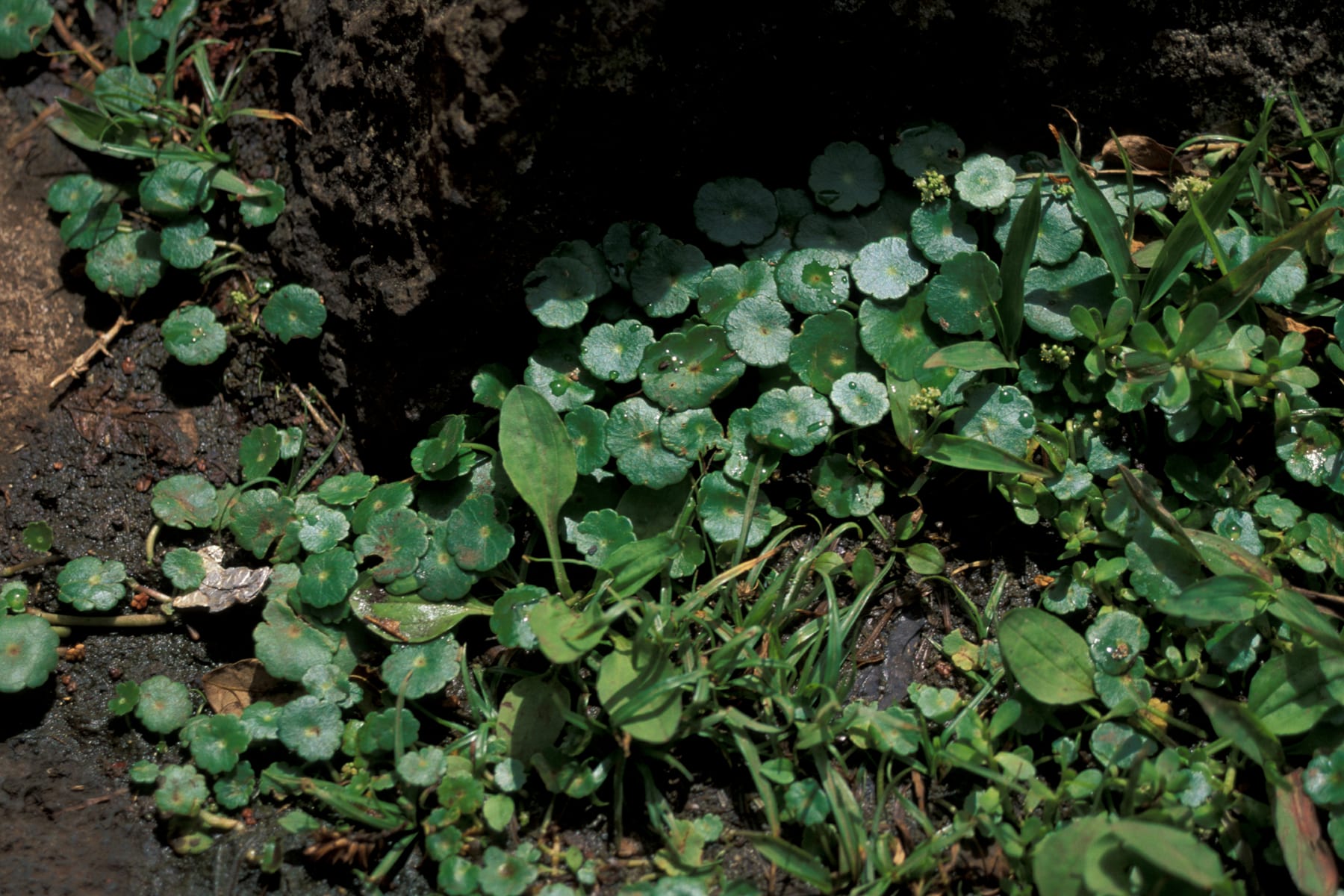
Whorled pennywort
Hydrocotyle verticillata
A creeping marsh plant (Japanese name Uchiwazenikusa) with round, shield-shaped leaves on slender stalks. A biotope staple, but naturalised in Japan and listed as a Priority Control Alien Species. It is distinct from the Specified Invasive Hydrocotyle ranunculoides.
 © No machine-readable author provided. S.Tanaka~commonswiki assumed (based on copyright claims). / Public domain
Willow Moss
Fontinalis antipyretica
Epiphytic moss that attaches to driftwood and rocks. Perfect shrimp shelter. No CO2 needed, beginner-friendly.
Related Content
Aquatic Plant FAQ
- How much do aquatic plants cost?
- Common Rotala and Anubias cost 300-1,000 yen, Bucephalandra 1,000-5,000 yen, and rare wild-collected specimens 5,000-20,000+ yen depending on species.
- Can beginners grow aquatic plants?
- Anubias Nana and Java Moss require no CO2 injection and grow in low light, making them ideal for beginners. Start with hardy shade-loving plants.
- What equipment is needed for aquatic plants?
- A tank, LED light, filter, and aqua soil are the basics. For advanced layouts, CO2 injection and high-performance lighting significantly improve growth and coloration.
- What should I check when buying aquatic plants?
- Ensure leaves are green and healthy, not melting or dying, and free of snails or pests. Tissue-cultured cups are pest-free and reliable.
- Why do aquatic plants die?
- Insufficient light, CO2, or nutrients are the main causes. Each species has different requirements, so matching the environment to your specific plants is essential.