Bonsai Encyclopedia
Encyclopedia of popular bonsai species with care guides, traits, and styling tips.
Featured Bonsai
Showing 21 of 137 species
Asahiyama cherry
Prunus 'Asahiyama'
A satozakura-type cherry that covers its branches with pale pink double flowers even when young. Dwarf and compact, it is the cultivar behind most cherry bonsai sold as 'issai-zakura', and flowers reliably year after year in a pot.
Chojubai (dwarf flowering quince)
Chaenomeles japonica 'Chojubai'
A dwarf cultivar of Japan's native Chaenomeles japonica—despite the 'ume' (apricot) in its name, it is a flowering quince. Repeat-flowering, mainly in spring and autumn, with single scarlet and other coloured blooms, it is a favourite for small bonsai.
 © Francisco Manuel Blanco (O.S.A.) / Public domain
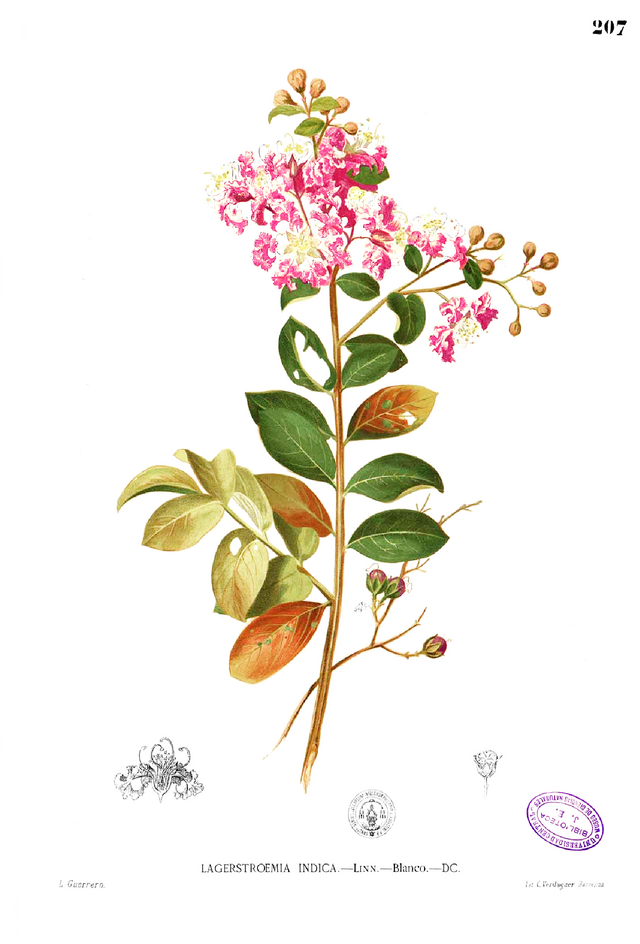
Crape Myrtle
Lagerstroemia indica
Flowering bonsai blooming pink or white from summer to autumn. Smooth bark and twisted trunk create unique character. Named for bark so smooth even monkeys slip.
 © Shuvaev / CC BY 4.0
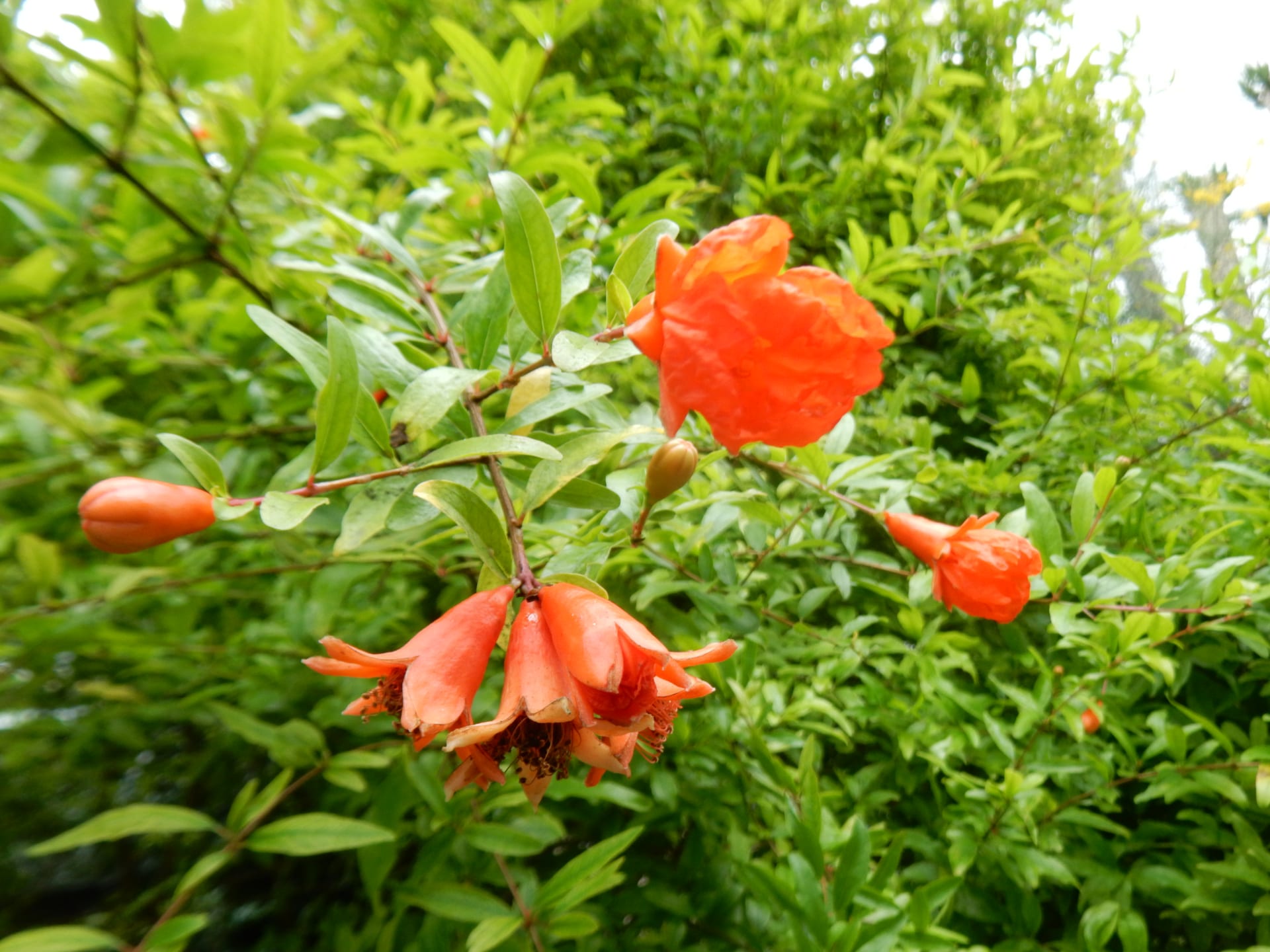
Dwarf pomegranate
Punica granatum 'Nana'
A dwarf pomegranate, shorter than the species with smaller flowers and fruit. In early summer it bears crinkled scarlet flowers, and in pots or mini bonsai offers both blooms and fruit. Also sold as 'issai-zakuro'.
 © KENPEI / CC BY-SA 3.0
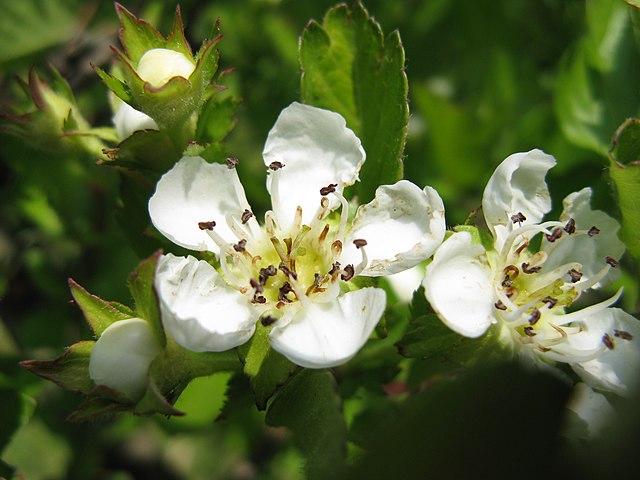
Hawthorn
Crataegus cuneata
Deciduous tree with white spring flowers and red autumn berries. Perfect bonsai candidate with flowers, fruit, and autumn color. Thorns require gloves when styling.
 © 5snake5 / CC0
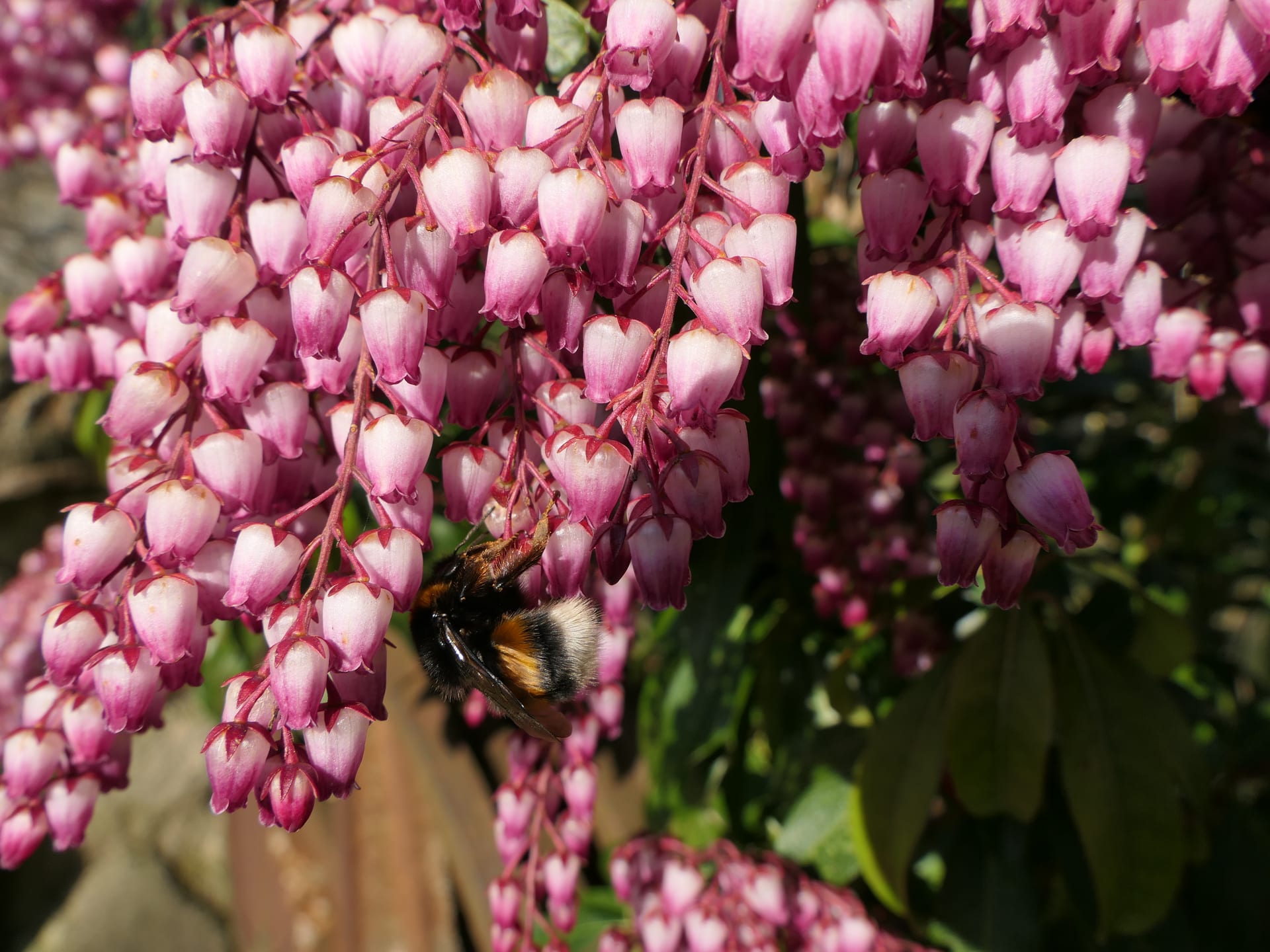
Japanese andromeda
Pieris japonica
An evergreen shrub endemic to Japan that hangs clusters of small urn-shaped flowers in early spring. White is the wild colour, but pink to deep red forms are popular for bonsai. The whole plant is toxic and must never be eaten.
 © Show_ryu / CC BY-SA 3.0
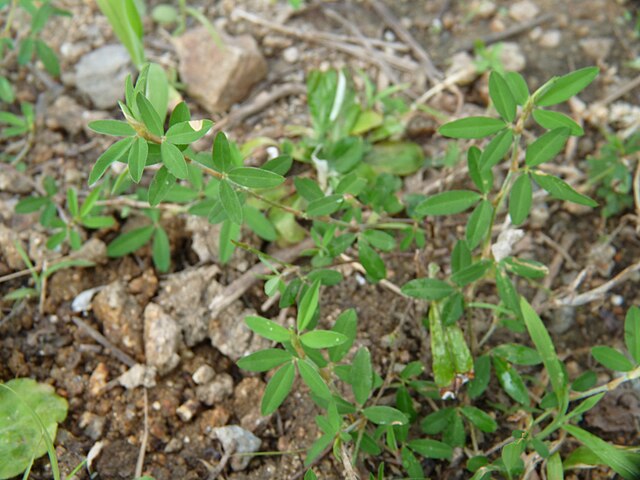
Japanese Bush Clover
Lespedeza
One of the seven autumn flowers. Countless small purple flowers on weeping slender branches create exquisite charm. A quintessential grass-style bonsai capturing autumn spirit.
 © KENPEI / CC BY-SA 3.0
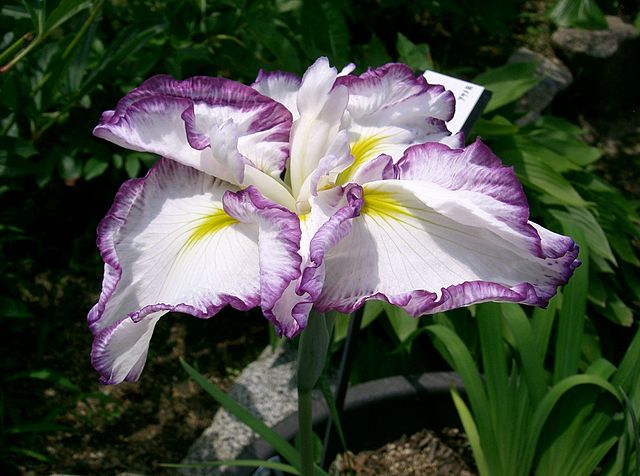
Japanese Iris Bonsai
Iris ensata
Popular grass-style bonsai. Large purple or white flowers capture waterside scenery in a small pot. Beautiful with moss, creating a seasonal display for early summer.
Japanese Quince
Chaenomeles speciosa
Flowering bonsai that covers branches with red, white, or pink blooms in early spring. Develops thick trunks and aged look easily. Fruits add secondary interest.
 © Ray_go / CC BY-SA 3.0
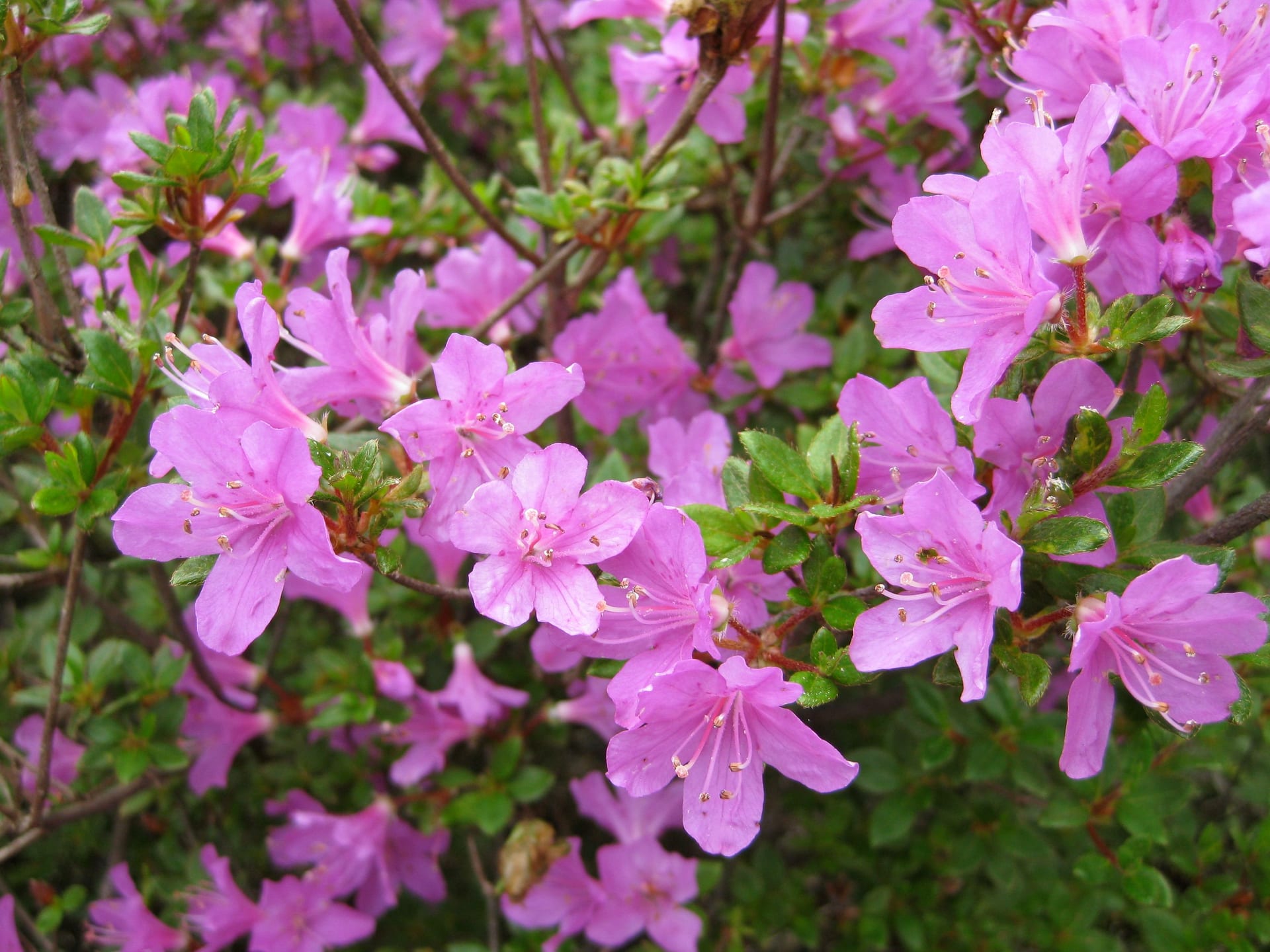
Kyushu azalea
Rhododendron kiusianum
A small azalea that carpets volcanic uplands in Kyushu such as Kirishima, Aso and Kuju. With small leaves and dense branching, it covers its shoot tips with little flowers, mostly purple-red but also pink or white. Tough and ideal for shohin bonsai.
 © Plant Image Library / CC BY-SA 2.0
Linden viburnum
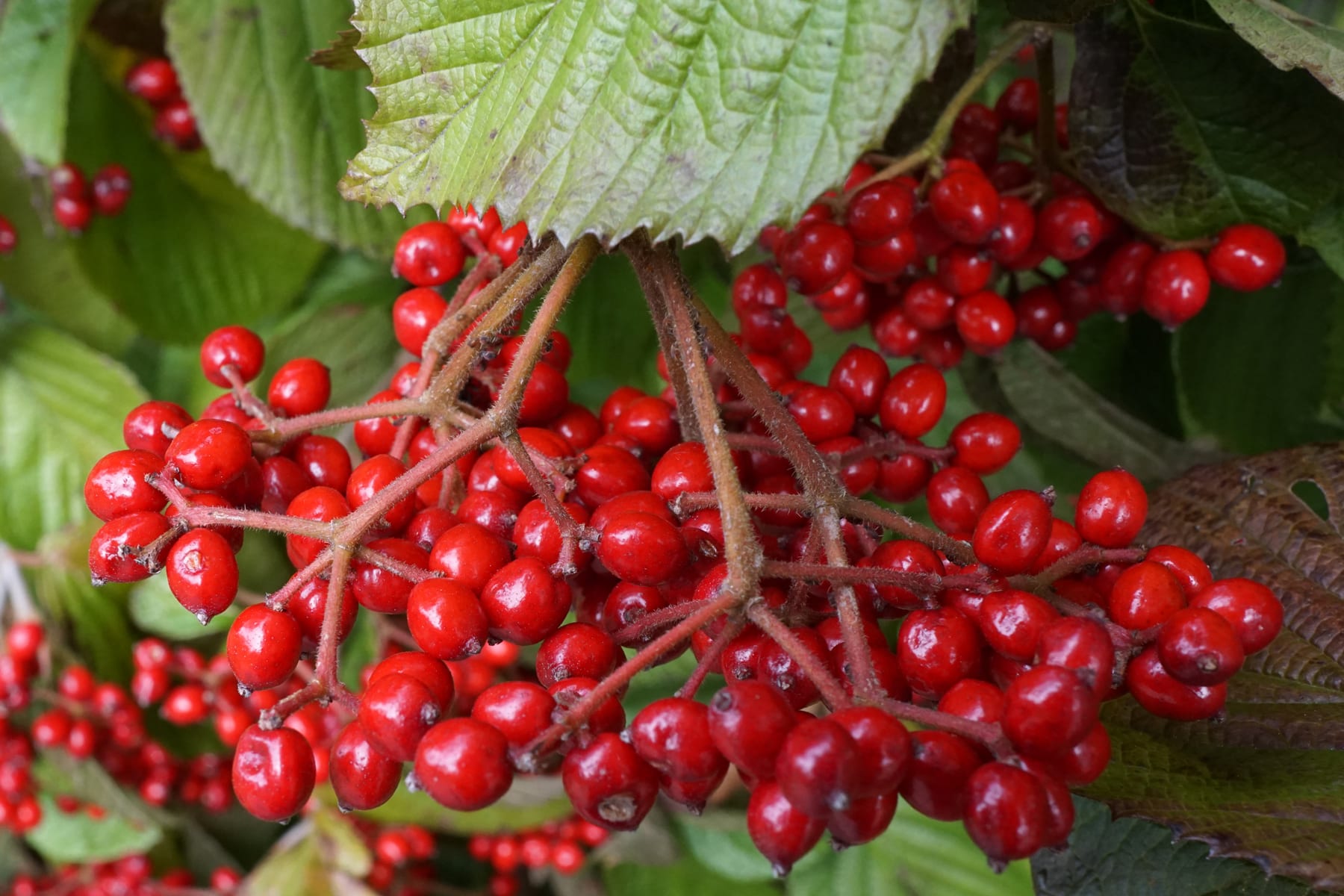
Viburnum dilatatum
A deciduous shrub typical of Japanese coppice woods, bearing flat clusters of small white flowers in early summer and bunches of red berries about 6 mm across in autumn. In bonsai, small-leaved forms such as 'Kinkazan' are favoured.
 © Alex Abair / CC BY 4.0
Multiflora rose
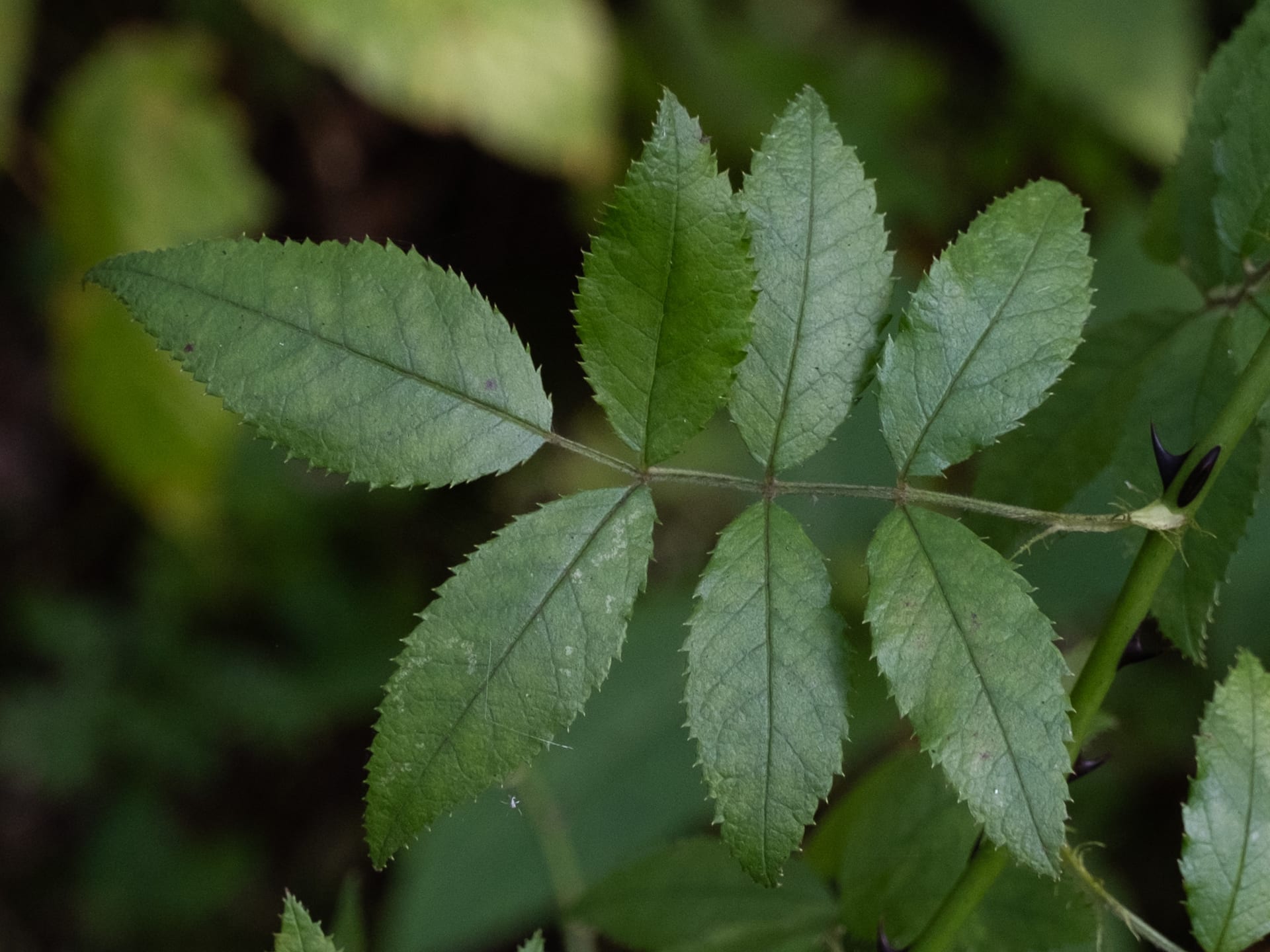
Rosa multiflora
Japan's typical wild rose, bearing sprays of small, strongly scented white flowers in early summer and red hips in autumn. One of the key species behind the world's garden roses, it is grown as bonsai for both flowers and hips.
 © Tiffany825 / CC BY 3.0
Rose of Sharon
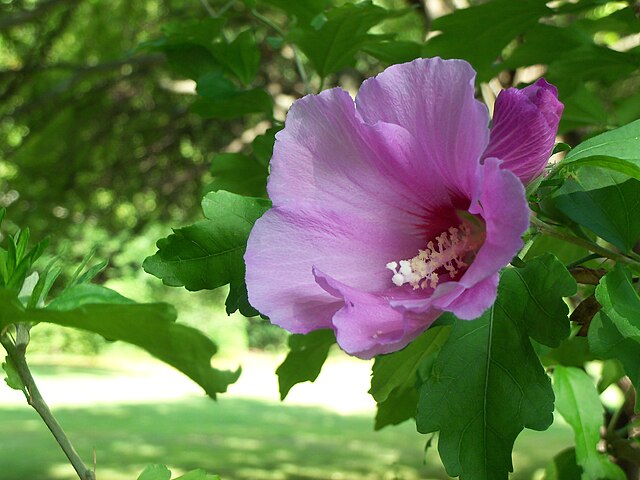
Hibiscus syriacus
Deciduous shrub blooming continuously from summer to autumn. Known as Korea's national flower. Individual flowers last one day but bloom in succession. Hardy and fast-growing.
 © Laitche / CC BY-SA 4.0
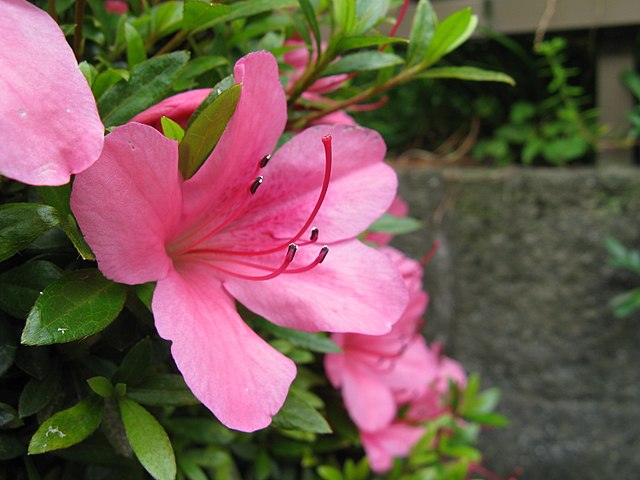
Sasanqua camellia
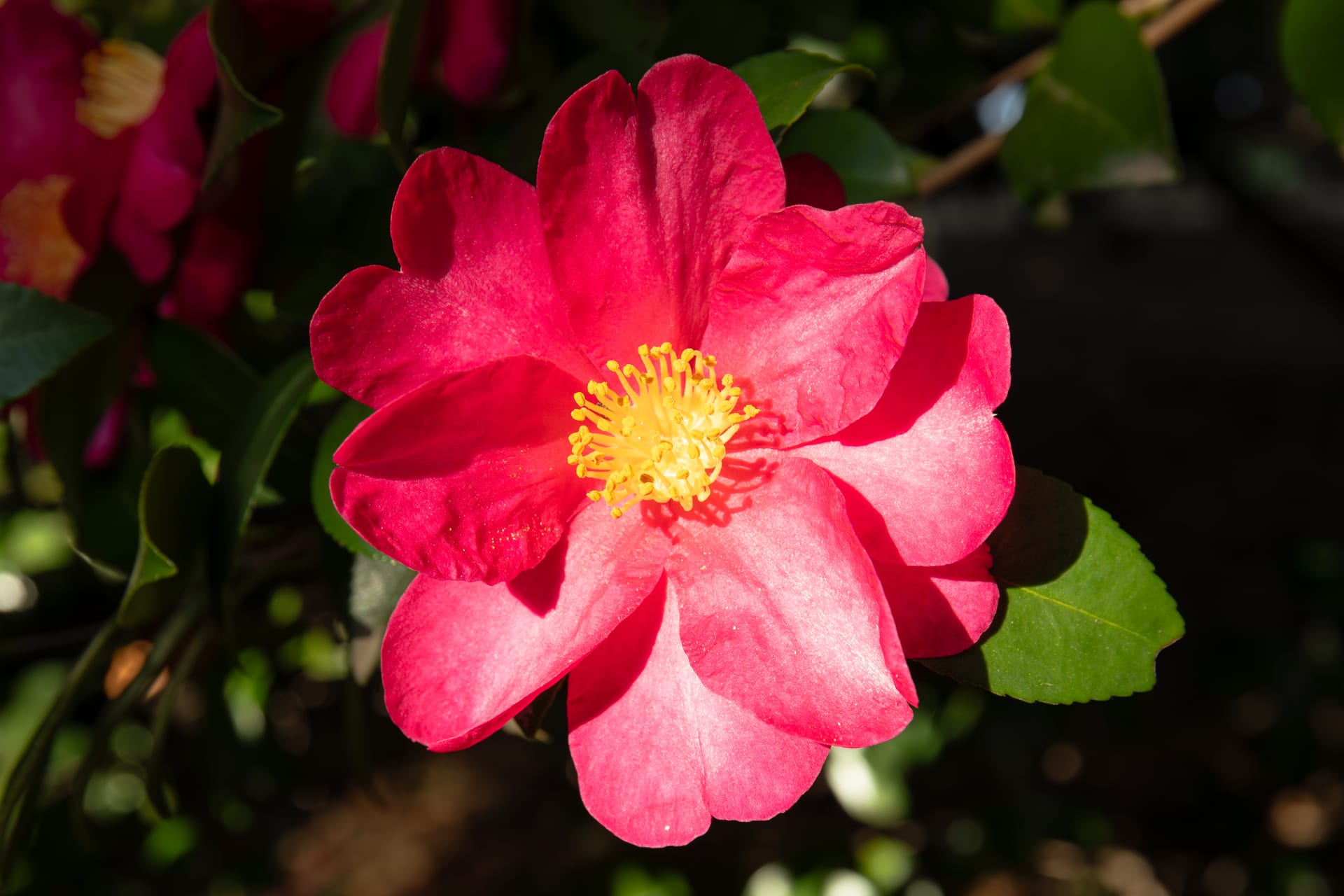
Camellia sasanqua
An evergreen camellia that blooms white to pink from late autumn into winter. Unlike Camellia japonica, its petals fall one by one and the flowers carry a faint scent, making it a favorite flowering bonsai for the bare season.
 © KENPEI / CC BY-SA 3.0
Satsuki Azalea
Rhododendron indicum
The iconic flowering bonsai of Japanese culture. Blooms in May-June with thousands of cultivars. Huge variety in flower color and form. Star of exhibitions.
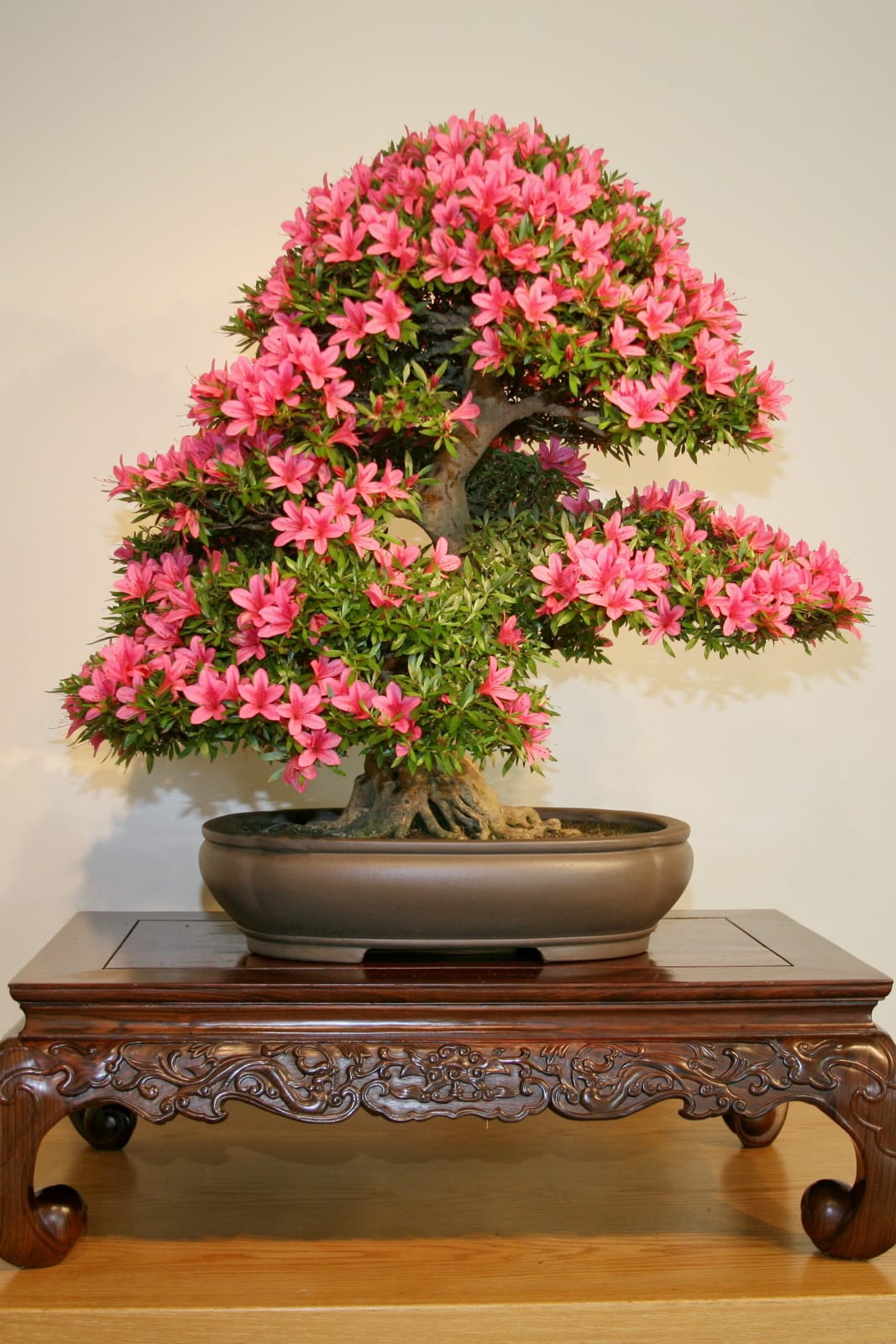
Satsuki azalea 'Kinsai'
Rhododendron indicum 'Kinsai'
An old satsuki of unknown parentage whose red flowers split into narrow strap-like petals (saizaki form). Its fine small leaves colour well in autumn. Occasionally a normal five-petalled flower appears, and that branch is cut out at flowering.
 © Cliff from Arlington, Virginia, USA / CC BY 2.0
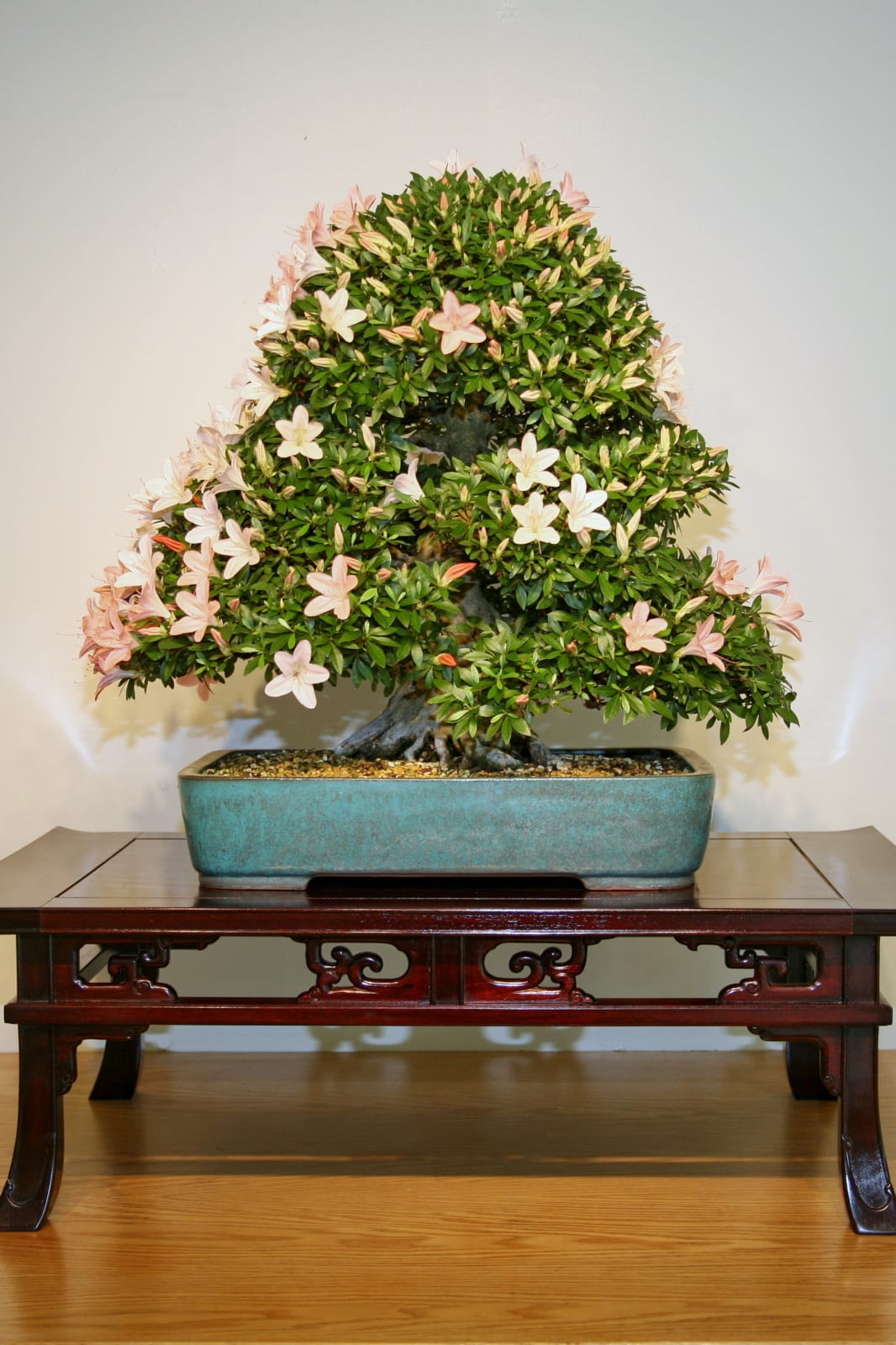
Satsuki azalea 'Korin'
Rhododendron indicum 'Korin'
A satsuki bred from 'Kozan' × 'Osakazuki', bearing small plain purplish-red flowers with thick, pointed petals. The narrow small leaves colour in autumn. A popular, free-flowering and vigorous cultivar.
 © Cliff from Arlington, Virginia, USA / CC BY 2.0
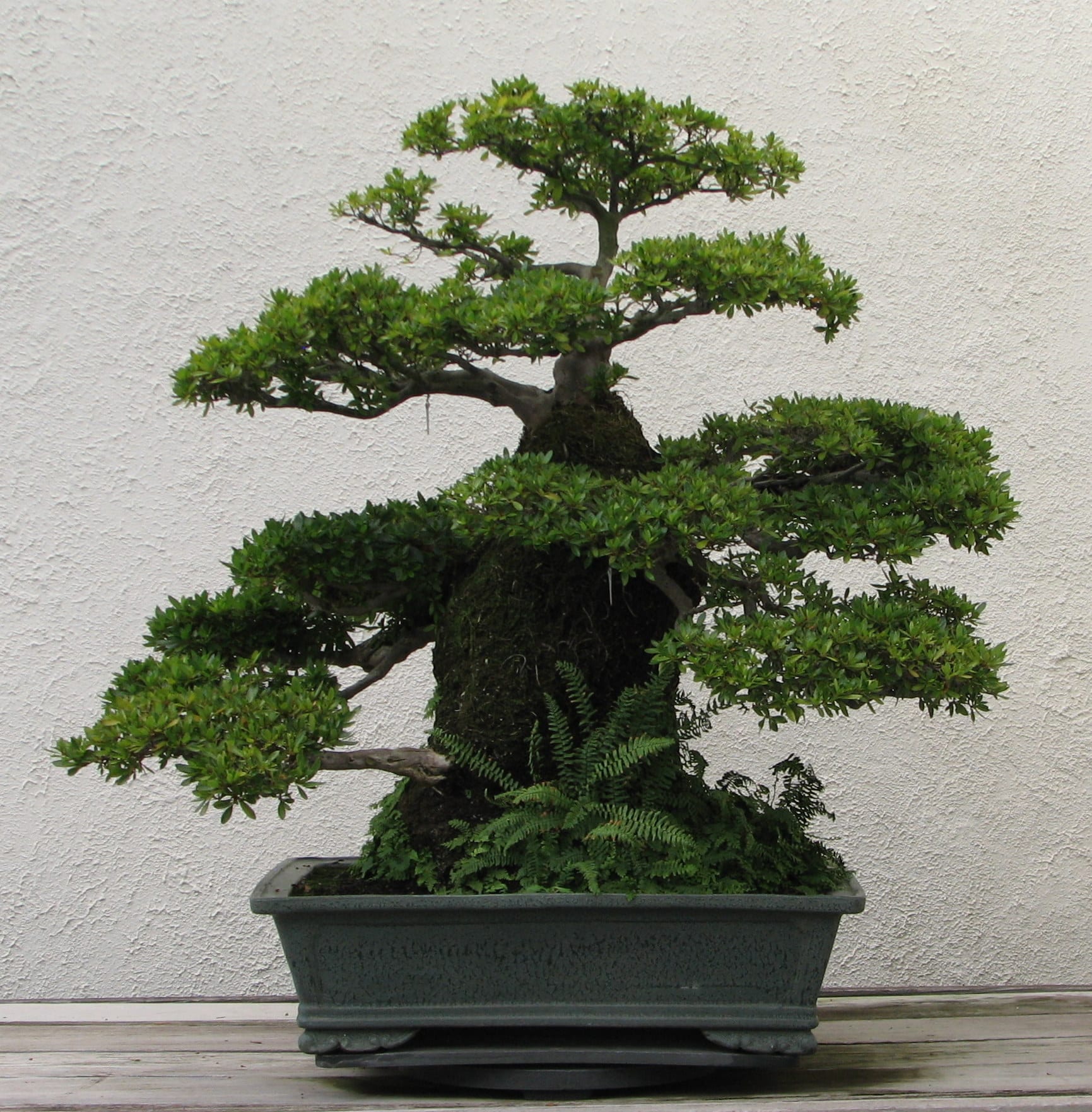
Satsuki azalea 'Nikko'
Rhododendron indicum 'Nikko'
A satsuki found as a sport of the old cultivar 'Kozan'. Small flowers in pale salmon-pink with stripes and flecks, plus solid red, pink or white on the same plant. Small leaves, good branching and budding make it a bonsai staple.
 © Ragesoss / CC BY-SA 3.0
Satsuki azalea 'Osakazuki'
Rhododendron indicum 'Osakazuki'
Read 'Osakazuki', the classic satsuki—so widely planted that 'satsuki' often simply means this cultivar. Free-flowering with medium, deep pink-purple blooms, vigorous and tolerant of shearing, it is an old cultivar with handsome reddish bark.
Satsuki azalea 'Yata-no-kagami'
Rhododendron indicum 'Yata-no-kagami'
An old satsuki of unknown parentage dating from the Meiji era, with medium deep-red flowers marked by a large white centre. Its glossy, thick leaves colour beautifully in autumn, and it is vigorous and easy to train.
 © Jean-Jacques MILAN / CC BY-SA 3.0
Winter Jasmine
Jasminum nudiflorum
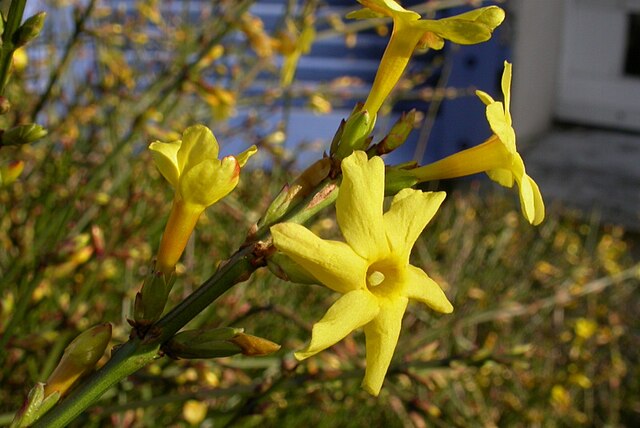
Flowering bonsai covered in yellow blooms in early spring. Weeping habit suits cascade style. Bright yellow heralds spring when few flowers bloom. Hardy and easy.
Related Content
Bonsai FAQ
- How much do bonsai cost?
- Mini bonsai cost 1,000-5,000 yen, medium bonsai 5,000-50,000 yen, and masterpiece-class large bonsai hundreds of thousands to millions of yen depending on age, size, and form.
- Can beginners start bonsai?
- Starting with small Japanese maple, Shimpaku juniper, or Japanese white pine is recommended. With basic watering and 1-2 annual prunings, beginners can fully enjoy bonsai.
- How long do bonsai live?
- With proper care, bonsai can live for hundreds of years. Japan has many bonsai several centuries old, valued as art pieces passed down across generations.
- What should I check when buying bonsai?
- Look at root spread, trunk movement, and branch balance. Beginners may enjoy starting with affordable raw material trees and shaping them, rather than finished specimens.
- What's most important for bonsai care?
- Daily watering is the most important task. Water thoroughly when the soil surface dries, twice daily in summer (morning and evening). Keep outdoors in a spot with good airflow and sunlight.