Bonsai Encyclopedia
Encyclopedia of popular bonsai species with care guides, traits, and styling tips.
Featured Bonsai
Showing 12 of 137 species
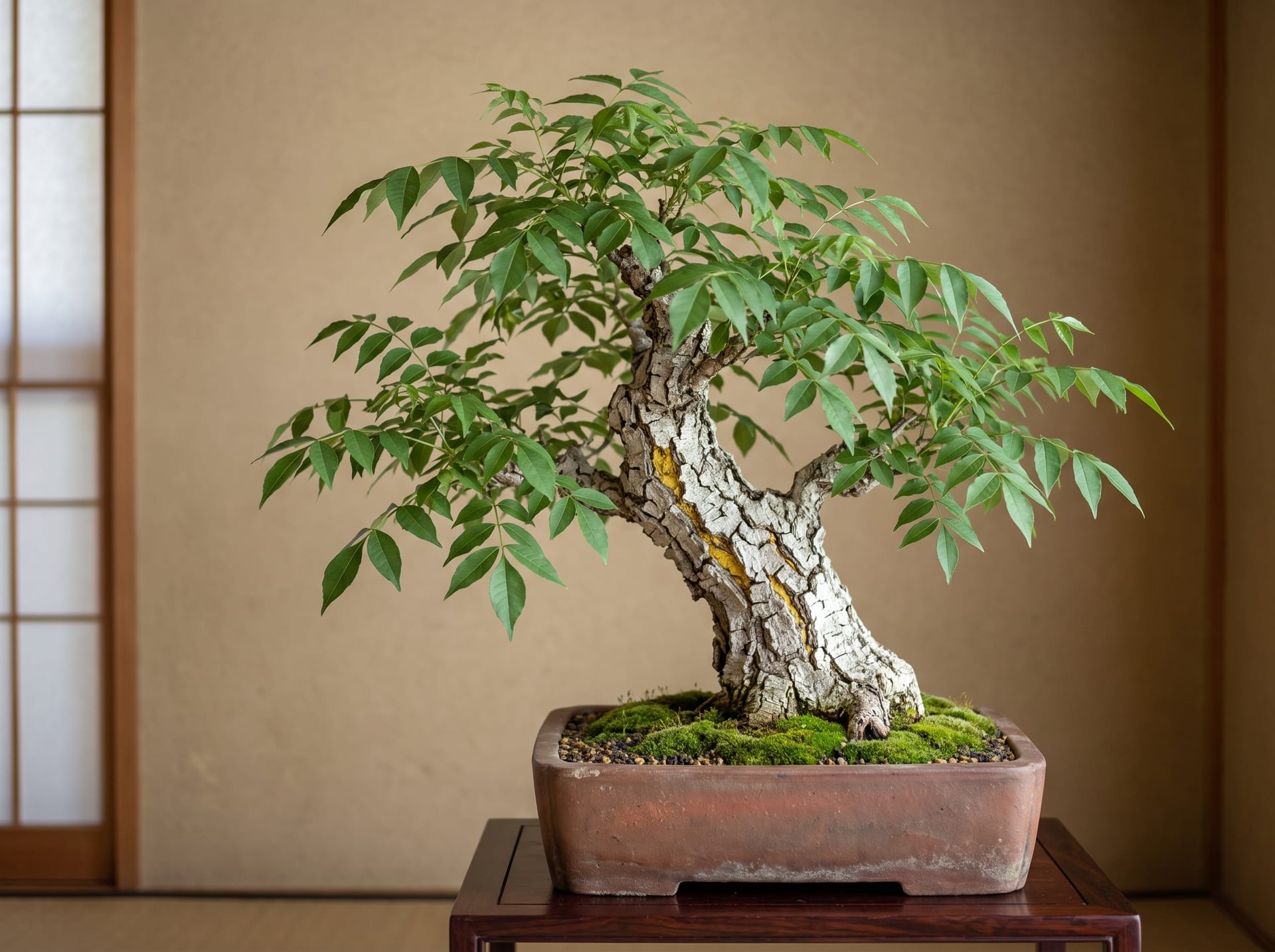
Amur Cork Tree
Phellodendron amurense
Deciduous tree with vivid yellow inner bark. In bonsai, contrast between yellow bark and autumn color is beautiful. Known in traditional medicine with distinctive bitter taste.
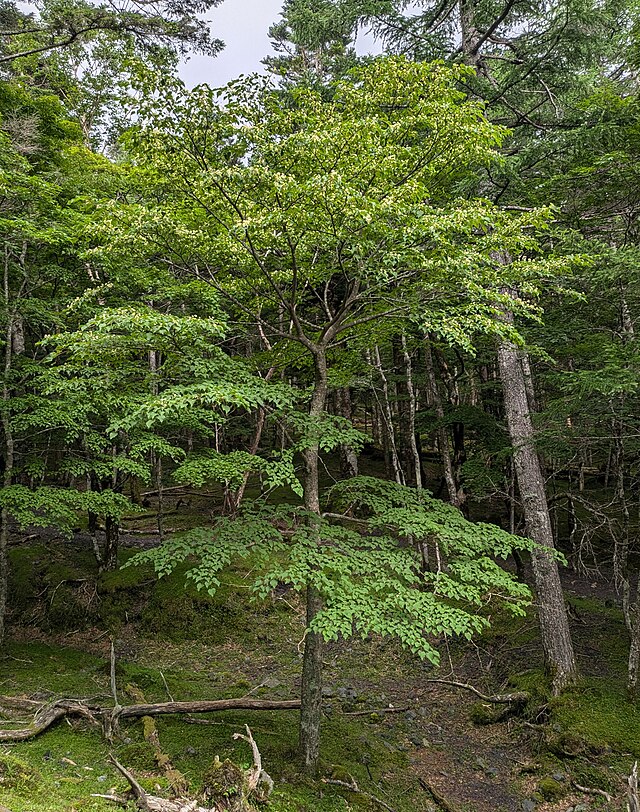 © Alpsdake / CC0
Bodaiju (Tilia miqueliana)
Tilia miqueliana
A tree deeply connected to Buddhism. Heart-shaped leaves are characteristic but can be reduced in bonsai. Yellow flowers and autumn color are attractive. Evokes temple atmosphere.
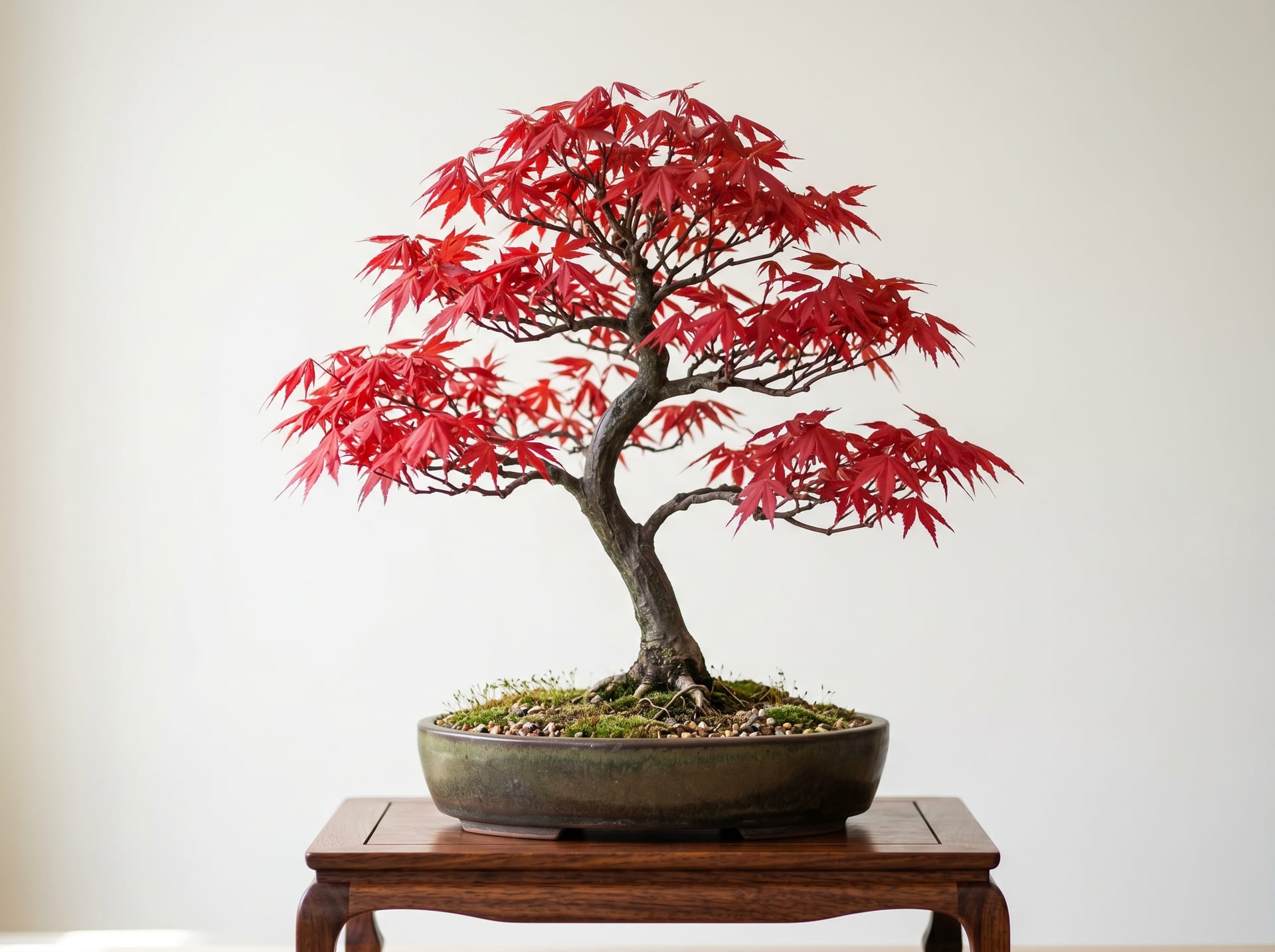
Deshojo Maple
Acer palmatum 'Deshojo'
A maple cultivar famed for vivid crimson spring foliage. Beautiful color transitions through green to autumn red. Especially popular as shohin bonsai.
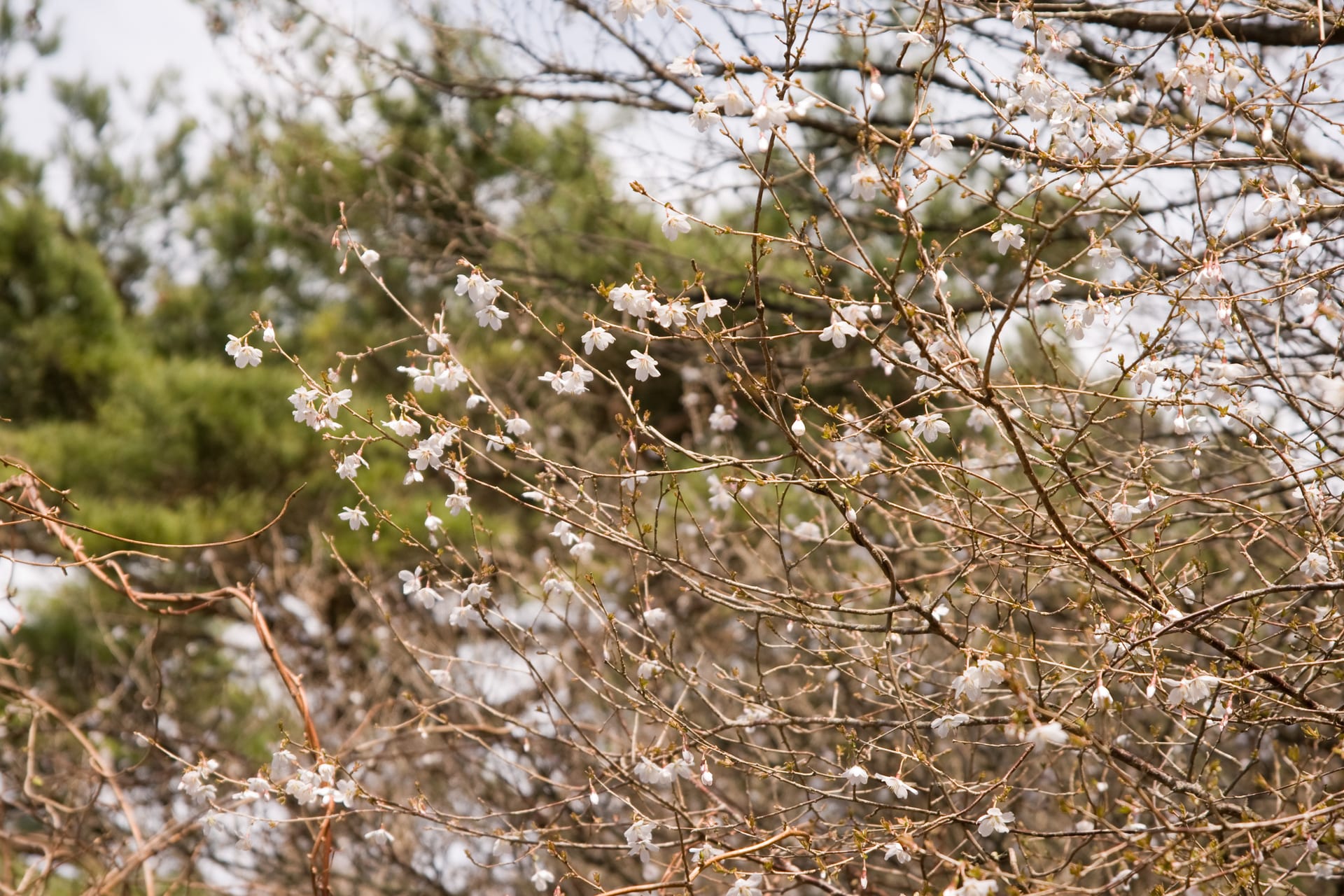 © Σ64 / CC BY 3.0
Fuji cherry
Prunus incisa
Another name for the mame-zakura, a small wild cherry endemic to Japan and common around Mt. Fuji and Hakone. Small in flower, leaf and stature, it bears little white to pale pink, nodding flowers even on short trees, so it blooms well as bonsai.
 © Kurt Stüber [1] / CC BY-SA 3.0
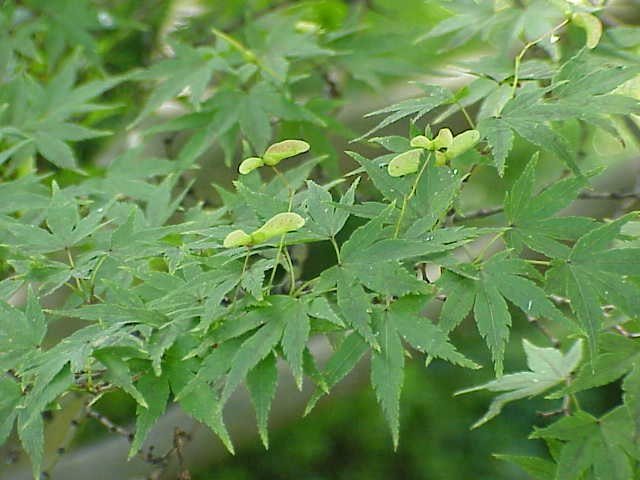
Japanese Maple
Acer palmatum
The quintessential deciduous bonsai, showcasing all four seasons — spring green, summer foliage, autumn color, winter silhouette. Fine ramification and small leaves are the hallmarks.
 © Koichi Oda / CC BY 2.0
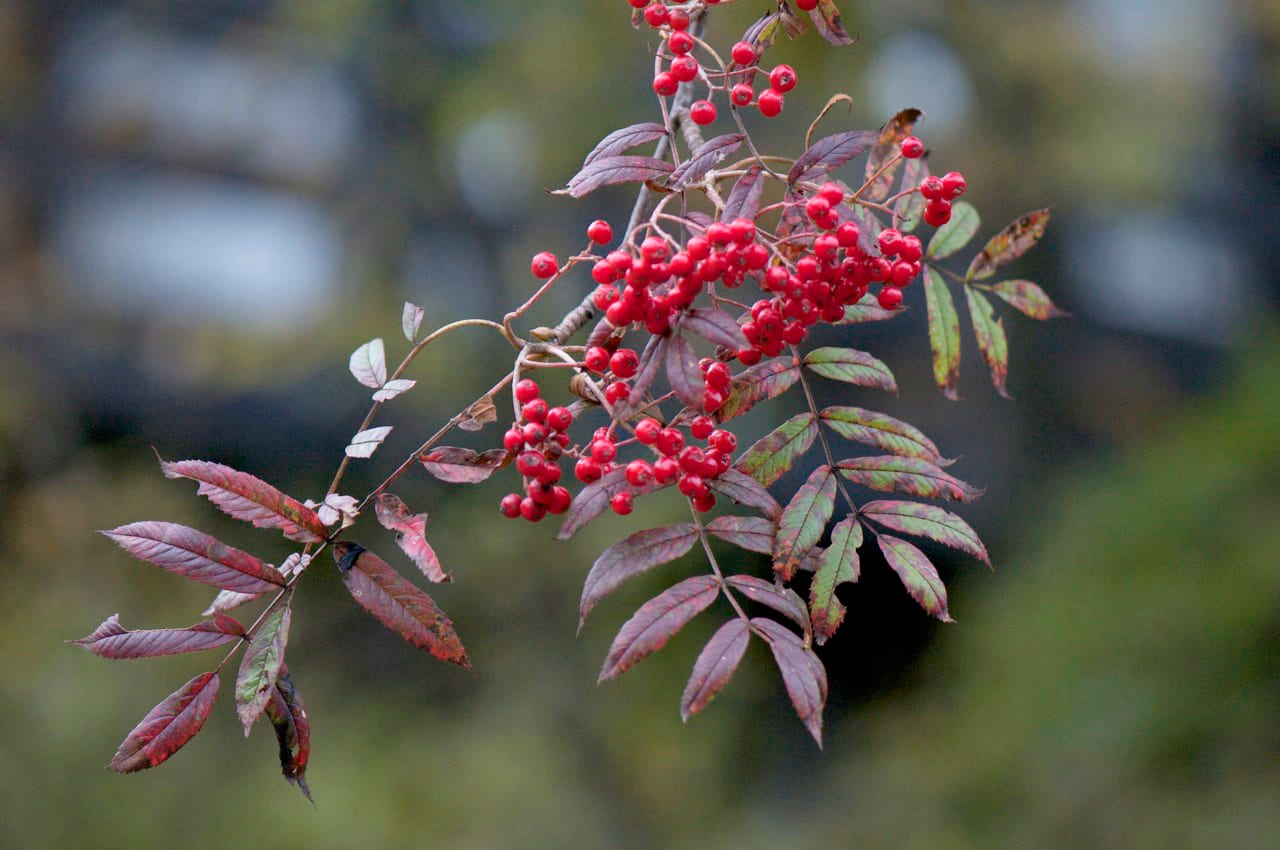
Japanese rowan
Sorbus commixta
A deciduous rose-family tree whose pinnate leaves turn scarlet in autumn, with clusters of red berries that stay on after leaf fall. Flat heads of small white flowers appear in early summer. It prefers cool climates and is hard to keep long in warm lowlands.
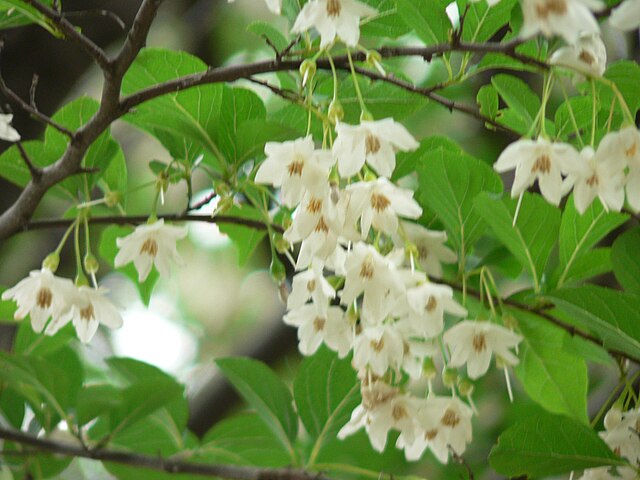
Japanese Snowbell
Styrax japonicus
Deciduous bonsai with dangling white bell-shaped flowers in early summer. Profuse bloomer with elegant appearance. Unique autumn fruits. Natural branching is beautiful.
 © Daderot / Public domain
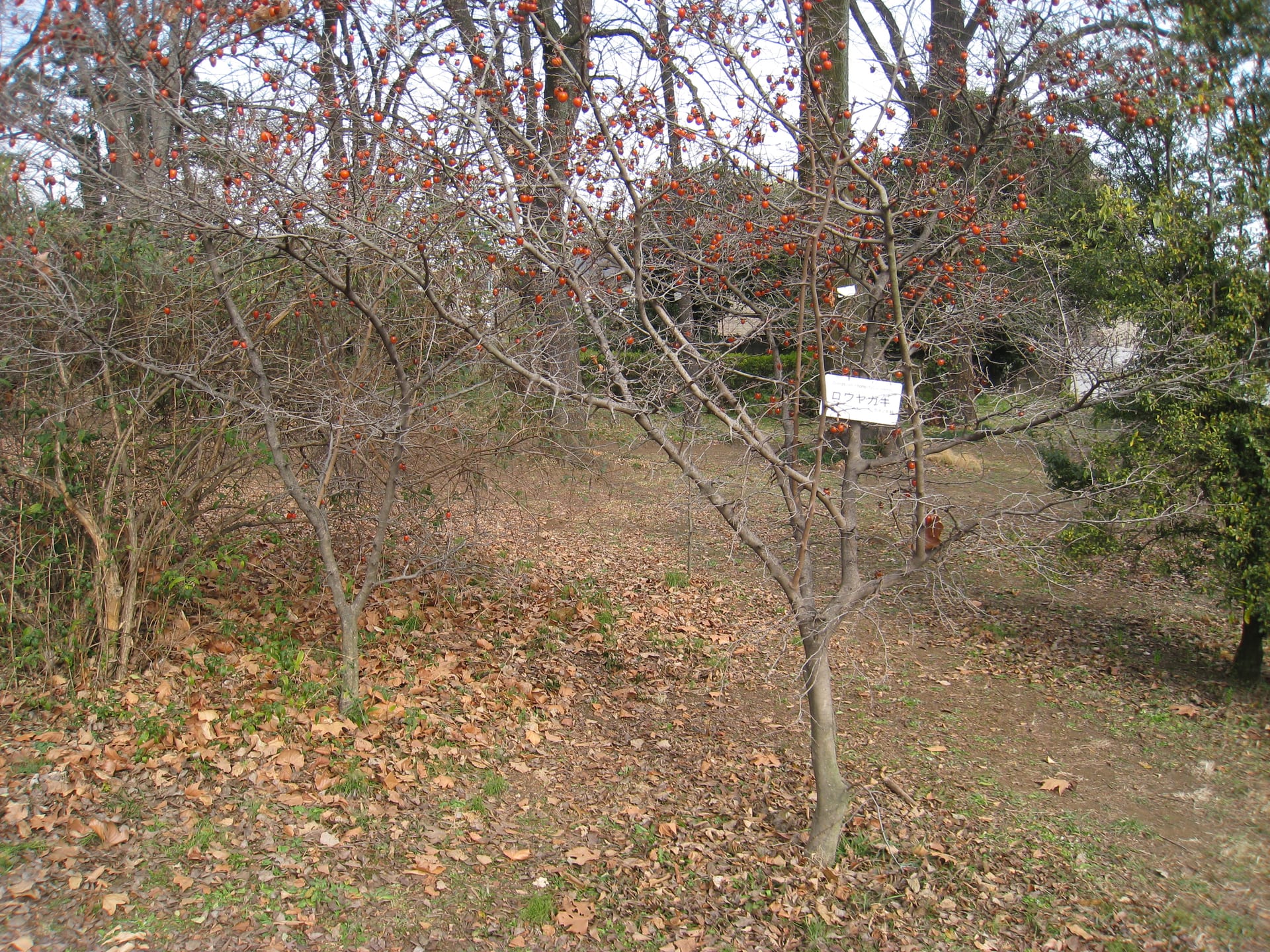
Rhombic-leaf persimmon
Diospyros rhombifolia
A small Chinese persimmon with rounded, diamond-shaped leaves and small, pointed orange fruits—a classic fruiting bonsai. The species is dioecious, so fruit set needs pollen from a male tree.
 © by Reggaeman / CC BY-SA 3.0
Stewartia
Stewartia pseudocamellia
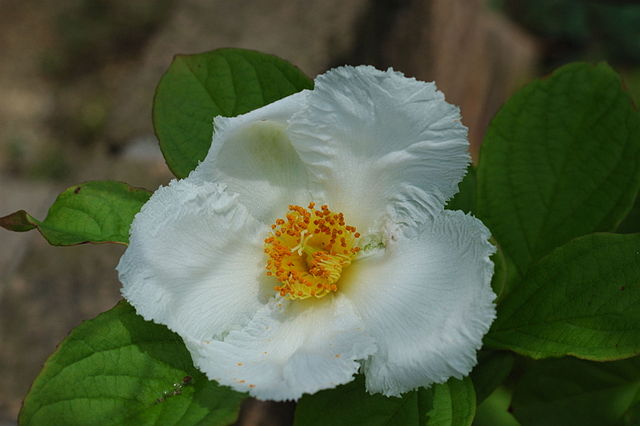
Deciduous bonsai blooming with white camellia-like flowers in summer. Smooth bark develops beautiful mottled pattern with age. Triple appeal: flowers, bark, and autumn color.
 © Alpsdake / CC BY-SA 4.0
Tall stewartia
Stewartia monadelpha
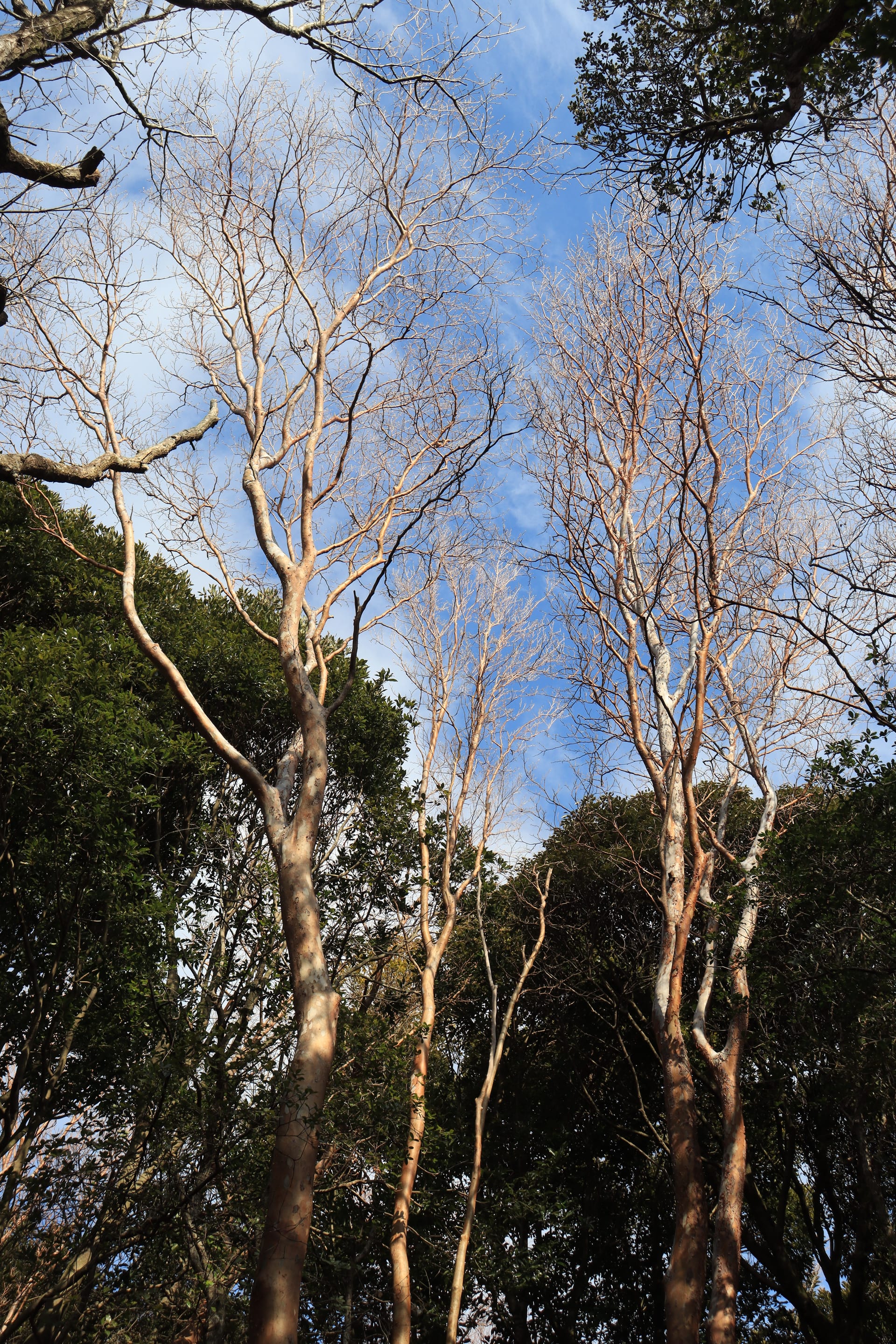
A deciduous tree of the camellia family whose smooth, red-brown trunk is counted among Japan's three most beautiful barks. Small white flowers 1.5–2 cm across nod in early summer, and leaves turn red in autumn. Smaller in flower and leaf than Stewartia pseudocamellia.
 © Didier Descouens / CC BY-SA 4.0
Weeping Willow
Salix babylonica
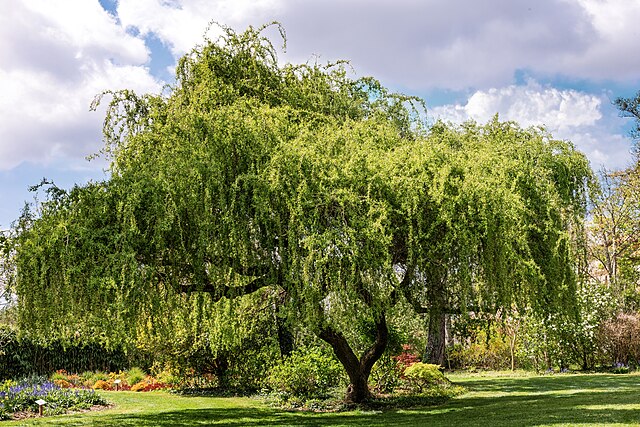
Deciduous tree with gracefully drooping branches full of atmosphere. Enjoy waterside scenery up close. Very fast growth requires frequent care, but unique form is unmatched.
 © KENPEI / CC BY-SA 3.0
Zelkova
Zelkova serrata
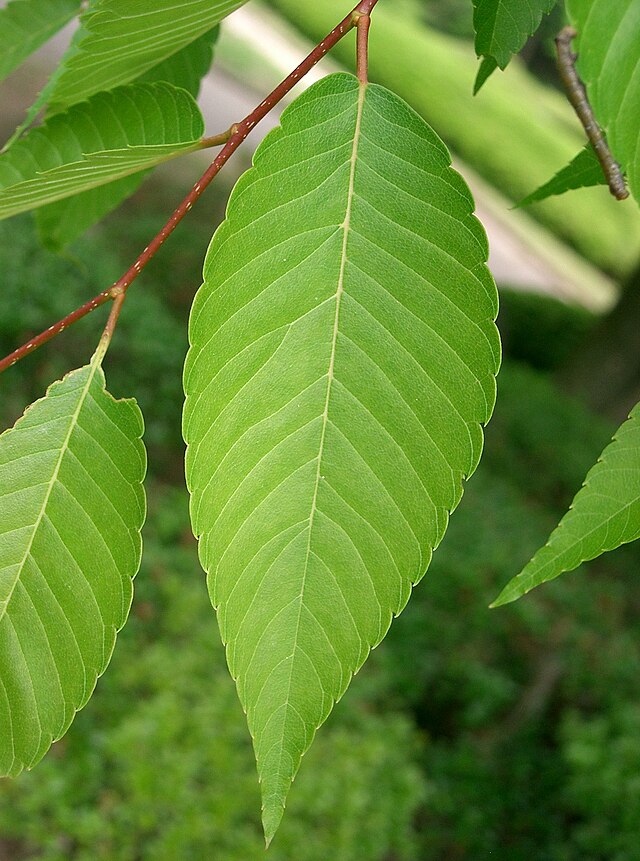
The signature broom-style bonsai tree. Fan-shaped fine branching is its greatest charm. The winter silhouette after leaf drop is considered the pinnacle of bonsai aesthetics.
Related Content
Bonsai FAQ
- How much do bonsai cost?
- Mini bonsai cost 1,000-5,000 yen, medium bonsai 5,000-50,000 yen, and masterpiece-class large bonsai hundreds of thousands to millions of yen depending on age, size, and form.
- Can beginners start bonsai?
- Starting with small Japanese maple, Shimpaku juniper, or Japanese white pine is recommended. With basic watering and 1-2 annual prunings, beginners can fully enjoy bonsai.
- How long do bonsai live?
- With proper care, bonsai can live for hundreds of years. Japan has many bonsai several centuries old, valued as art pieces passed down across generations.
- What should I check when buying bonsai?
- Look at root spread, trunk movement, and branch balance. Beginners may enjoy starting with affordable raw material trees and shaping them, rather than finished specimens.
- What's most important for bonsai care?
- Daily watering is the most important task. Water thoroughly when the soil surface dries, twice daily in summer (morning and evening). Keep outdoors in a spot with good airflow and sunlight.