Succulent Encyclopedia
Encyclopedia of popular succulents with care guides, traits, and propagation methods.
Featured Succulent
Showing 4 of 129 species
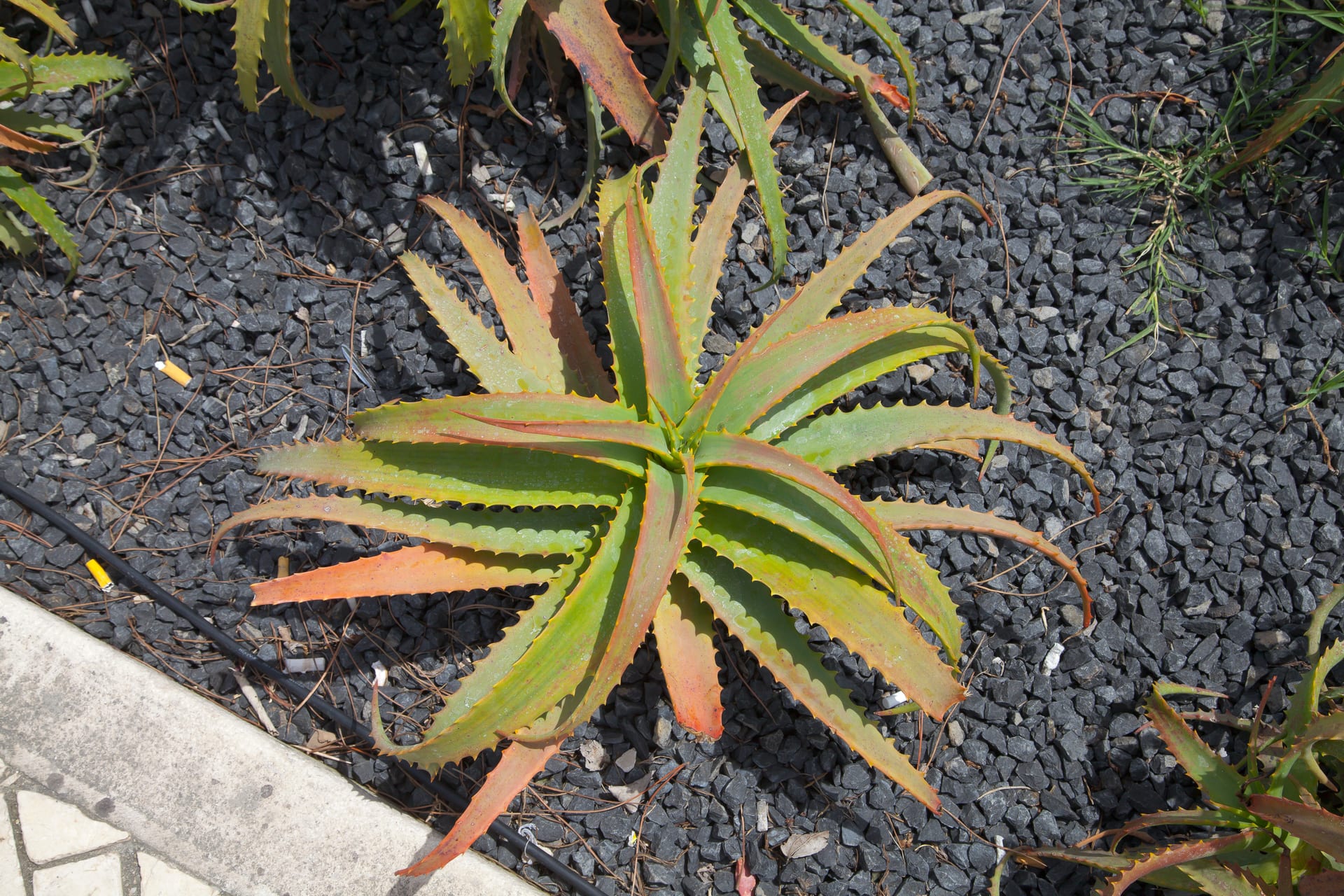 © Diego Delso / CC BY-SA 3.0
Candelabra aloe
Aloe arborescens
A large, branching aloe that forms clumps 2–3 m tall, with grey-green leaves edged in pale teeth and red-orange flower spikes in winter. Long grown in Japanese gardens under the folk name isha-irazu.
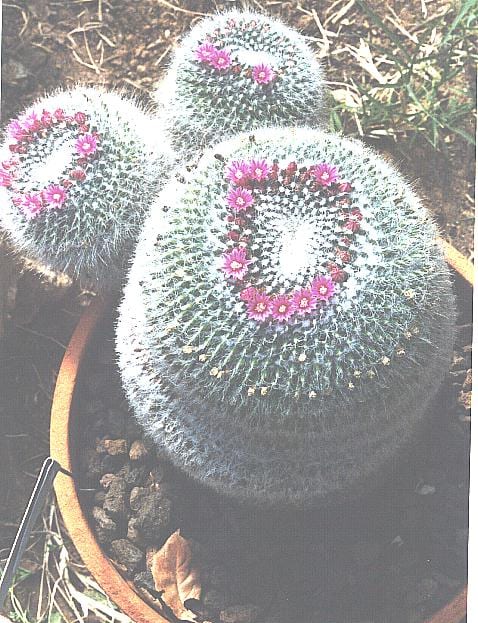 © CactiLegacy / CC BY-SA 4.0
Old lady cactus
Mammillaria hahniana
A Mammillaria whose globular stems are wrapped in long, fine white hairs. It rings the crown with small purplish-red flowers and blooms freely even when young.
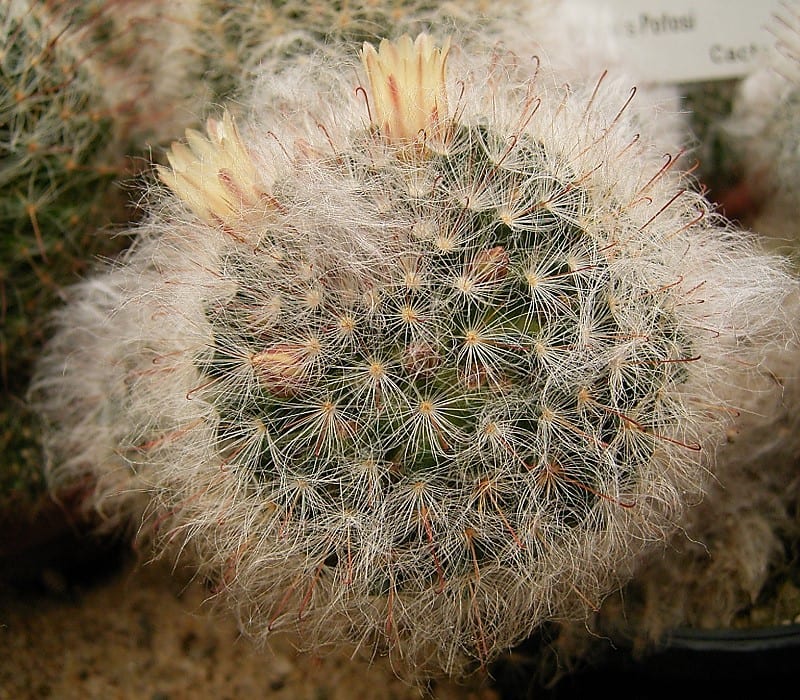 © Frank Vincentz / CC BY-SA 3.0
Powder puff cactus
Mammillaria bocasana
A Mammillaria covered in silky white hair-like spines, like a ball of cotton. Hidden beneath are brown central spines hooked like fish-hooks, so handle it with care.
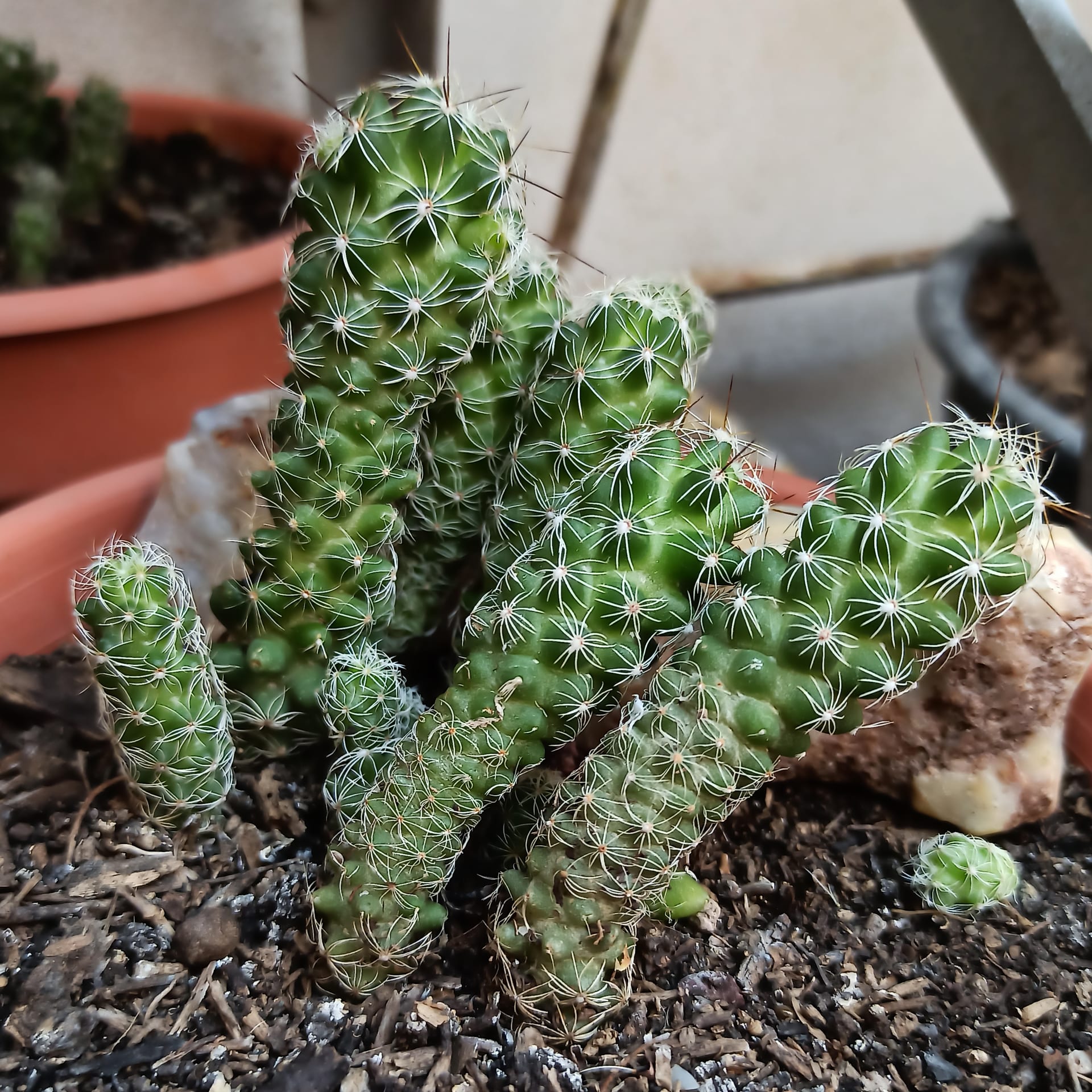 © Juan Carlos Fonseca Mata / CC BY-SA 4.0
Thimble cactus
Mammillaria vetula subsp. gracilis
A Mammillaria whose small, slender cylindrical stems are clad in stiff white spines and cluster like handballs. Offsets drop off easily and root readily.
Related Content
Succulent FAQ
- How much do succulents cost?
- Common Echeveria cost 300-2,000 yen, popular Haworthia obtusa 1,000-10,000 yen, and rare hybrids or large specimens can exceed tens of thousands of yen.
- Can beginners grow succulents?
- Echeveria, Sedum, and Graptopetalum are hardy and beginner-friendly. Place in a sunny spot and water only when the soil is completely dry.
- What are the key tips for growing succulents?
- Place in a sunny spot with good airflow and water sparingly. Many species go dormant in summer and winter, so adjusting care to their growing season is key to beautiful growth.
- What should I check when buying succulents?
- Check that leaves are plump and firm, the base isn't rotting, and there are no pests (like mealybugs). For bare-root plants, root condition is also important.
- How long do succulents live?
- With proper care, succulents can thrive for 10+ years depending on species. They're easily propagated through leaf cuttings and division, allowing enjoyment across generations.