Pesticide Residue on Aquatic Plants: Impact on Shrimp and Complete Removal Methods | A Guide for Bee Shrimp and Cherry Shrimp
Pesticide residue on aquatic plants is fatal to shrimp. This article explains the types of pesticide residue, symptoms of poisoning, correct removal methods (water changes, plant cleaning, identifying pesticide-free plants), and provides comprehensive measures for safely coexisting with bee shrimp and cherry shrimp.
Key Takeaways
Pesticide residue on aquatic plants is fatal to shrimp. This article explains the types of pesticide residue, symptoms of poisoning, correct removal methods (water changes, plant cleaning, identifying pesticide-free plants), and provides comprehensive measures for safely coexisting with bee shrimp and cherry shrimp.
Related Species
When keeping bee shrimp or cherry shrimp in planted tanks, one of the most overlooked risks is pesticide residue on aquatic plants. Most aquatic plants sold at aquarium stores are treated with pesticides for insect control and snail prevention, and without proper treatment, introducing them to a tank can result in total shrimp die-off in a short time.
Types of Pesticide Residue and Their Mechanisms of Action
The main types of pesticides used in aquatic plant cultivation are as follows.
Organophosphate Pesticides
Representative examples include malathion and dichlorvos, which inhibit the breakdown of the neurotransmitter acetylcholine. They show strong toxicity to insects and crustaceans (shrimp and crabs), with relatively little effect on fish, which is why situations occur where only the shrimp die while the fish remain healthy.
Neonicotinoid Pesticides
Examples include clothianidin and imidacloprid, which act on nicotinic acetylcholine receptors in the nervous system. They dissolve easily in water and are problematic because they persist in the aquarium for extended periods.
Pyrethroid Pesticides
Examples include fenvalerate and cypermethrin. These have high fish toxicity and are also harmful to shrimp.
Symptoms of Pesticide Poisoning
The effects of pesticide residue on shrimp appear suddenly. Typical symptoms are as follows.
- Sudden erratic movement (swimming wildly): immediately after pesticide exposure
- Turning sideways / sinking to the bottom: advanced poisoning
- Rolling over and becoming motionless: fatal state
- Antennae and legs curling: sign of neurological damage
- Failed molting: effect of chronic pesticide contamination
If fish remain healthy while shrimp die one after another, pesticide residue should be suspected.
How to Identify Pesticide-Free Aquatic Plants
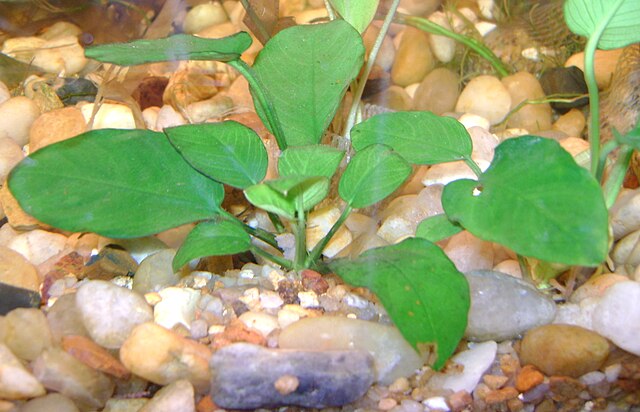
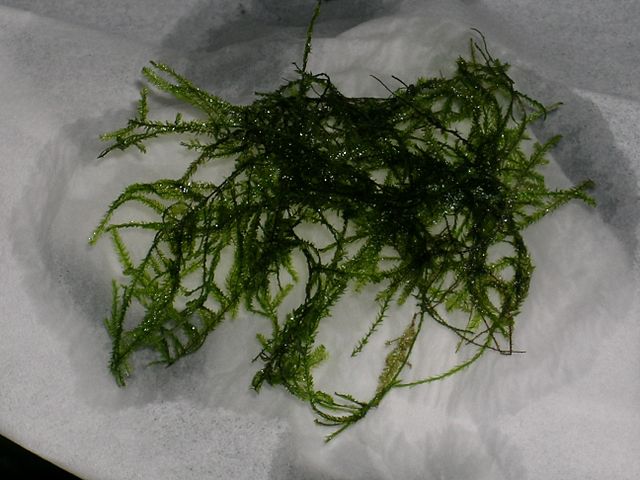
The best strategy to eliminate pesticide residue risk is to choose pesticide-free aquatic plants. In particular, willow moss and anubias nana are often distributed in a pesticide-treated state for better attachment, and inspection before adding to a shrimp tank is essential.
Confirmation Points When Purchasing
- Check for labeling indicating "pesticide-free," "no pesticides used," or "shrimp-safe"
- Choose tissue culture aquatic plants: grown in sterile environments with guaranteed pesticide-free cultivation
- Choose domestically produced aquatic plants: lower pesticide use risk compared to imported plants
- Ask store staff about pesticide use before purchasing
Benefits of Tissue Culture Aquatic Plants
- Free from pesticides, snails, and algae
- Can be planted directly in tanks (no treatment needed)
- Slightly more expensive, but carries the lowest risk for keeping with shrimp
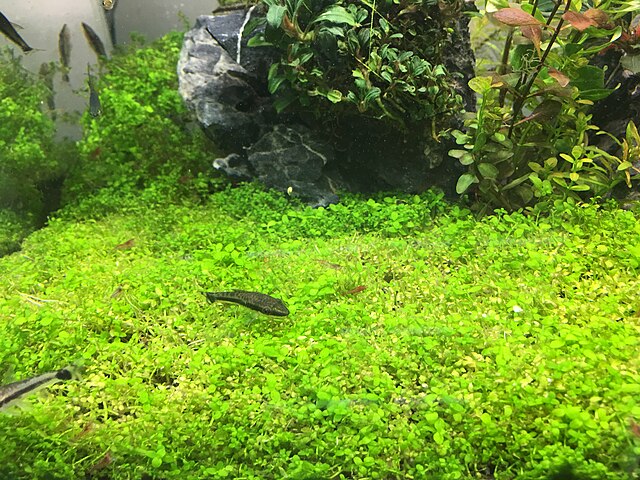
- Tissue culture cup options are increasingly available for popular foreground to midground species like Cuban pearl grass and amazon sword, making pesticide-free acquisition easier
Pesticide Residue Removal Methods
If pesticide residue is likely present on purchased aquatic plants, use the following removal methods.
Method 1: Flowing Water Rinse Through Mass Water Changes (1–2 weeks)
Place aquatic plants in a bucket or dedicated treatment tank and perform 50–100% water changes daily. Continuing for 1–2 weeks allows most pesticides to dissolve out.
- Cost: water bill only
- Effectiveness: works on water-soluble pesticides
- Note: fat-soluble pesticides are more likely to persist
Method 2: Wood Vinegar or Bamboo Vinegar Treatment
Soak aquatic plants in wood vinegar diluted 100–200 times for 30 minutes to 1 hour. This promotes chemical breakdown of pesticides.
- Always rinse thoroughly with flowing water after treatment
- Some plant types may be damaged, so test with a small amount first
Method 3: Baking Soda Water Treatment
Soak aquatic plants in a solution of 1 g/L baking soda (sodium bicarbonate) for 30 minutes. The alkaline environment promotes hydrolysis of organophosphate pesticides.
Method 4: Confirmation Test Using Shrimp (Additional)
After treatment, observe 1 shrimp with the aquatic plants in a beaker or isolation container for 24 hours before adding to the main tank. If the shrimp moves normally, pesticide removal can be considered complete.
Practical Steps for Safe Coexistence of Shrimp and Aquatic Plants
- Purchase stage: Choose tissue culture plants or plants labeled as pesticide-free
- Treatment: 2 weeks of flowing water processing (for regular aquatic plants)
- Confirmation test: Keep 1 shrimp with the plants for 2 days to observe
- Main tank introduction: Add to main tank only after passing the test
Precautions for Pesticide Removal
- Impact on tank filter bacteria: Pesticides are harmful to nitrifying bacteria such as Nitrosomonas, so use only pesticide-free plants in newly cycled tanks
- Activated carbon effectiveness: effective at absorbing pesticides. Temporary use of activated carbon when introducing new plants increases safety
- Bottom substrate vacuuming: Pesticides can accumulate in the substrate. Remove them through regular substrate cleaning
Summary
Damage to shrimp from aquatic plant pesticide residue can be 100% prevented with proper knowledge and treatment. The most reliable approach is using tissue culture plants. When using regular aquatic plants, always perform at least 2 weeks of treatment and a shrimp test. To protect valuable bee shrimp and expensive cherry shrimp, it's important to make aquatic plant pre-treatment a habit.