Complete Guide to Propagating Aquatic Plants | Cutting Back, Division, and Runner Management
Three essential techniques for propagating aquatic plants. Learn detailed step-by-step methods for cutting back stem plants, dividing rosette-type plants, and managing runners—tailored to different plant varieties.
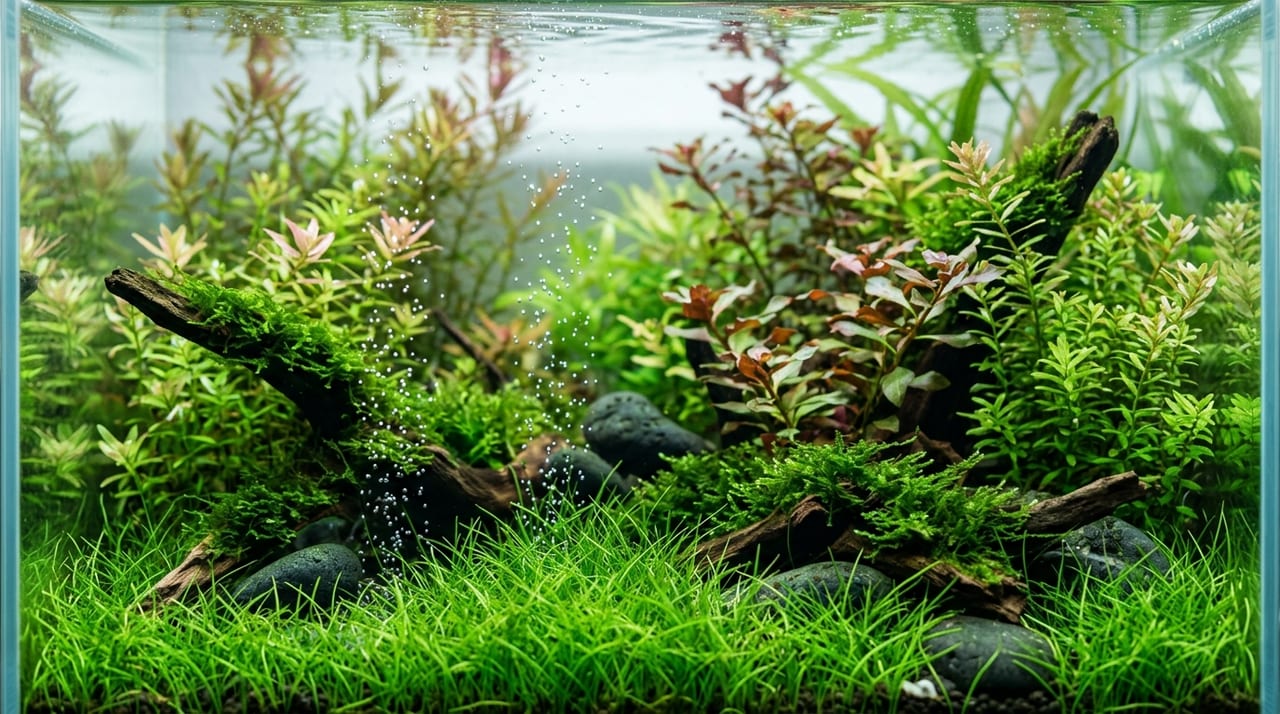
Key Takeaways
Three essential techniques for propagating aquatic plants. Learn detailed step-by-step methods for cutting back stem plants, dividing rosette-type plants, and managing runners—tailored to different plant varieties.
Related Species
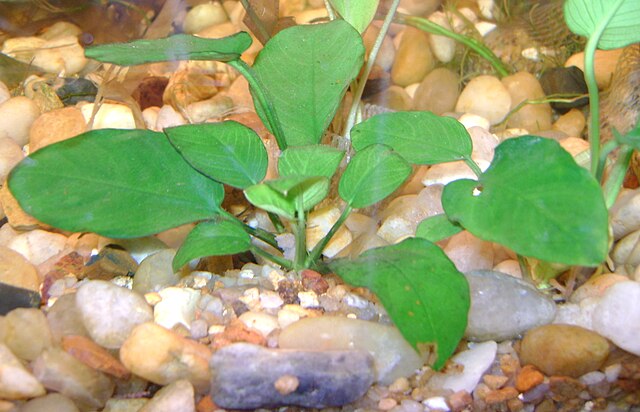
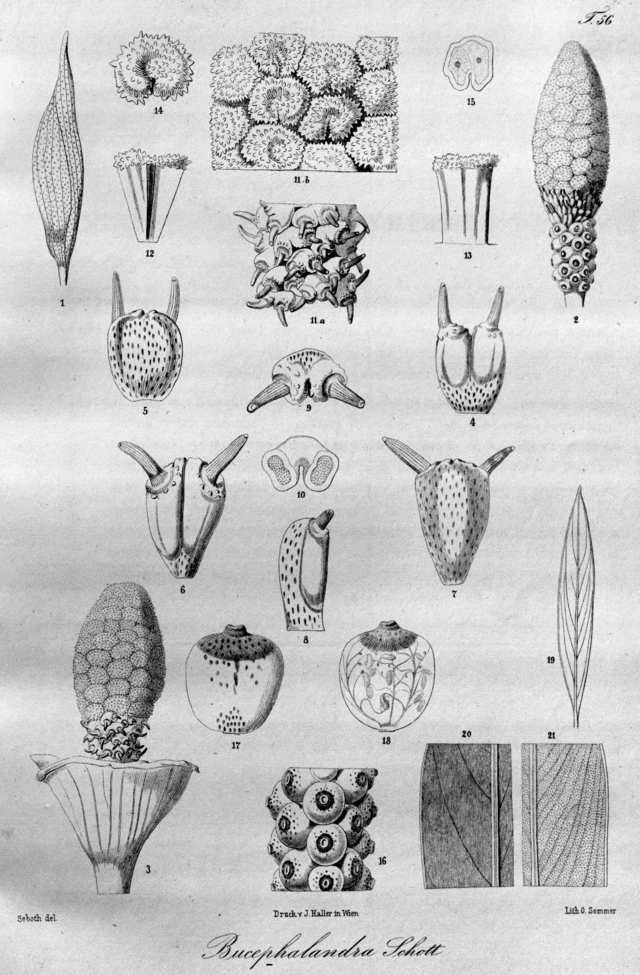
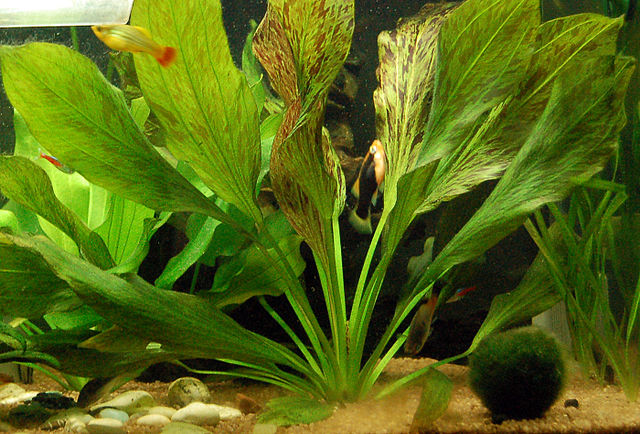
When you master propagating aquatic plants yourself, the creative possibilities for your aquarium layout expand dramatically. You'll no longer need to purchase new plants every time you trim, making it possible to maintain a beautiful aquarium while significantly reducing costs. However, propagation methods vary considerably depending on the plant type. Understanding the characteristics of stem plants, rosette types, and runners—each with its own approach—is the first step to successful propagation. This guide walks you through three primary propagation methods in detail, with step-by-step instructions and tips that even beginners can follow.
Cutting Back | The Fundamental Technique for Endlessly Propagating Stem Plants
Stem plants are water plants characterized by leaves arranged at intervals along the stem. Rotala, Hygrophila, Ammania, Ludwigia, Bacopa, and most other aquatic plants commonly used in planted tanks fall into this category. Cutting back is the most common propagation method for these stem plants, and its simplicity—just cutting the stem and inserting it into the substrate—makes it ideal for beginners.
Steps for Cutting Back
- Cut the elongated stem into 5–10 cm sections with scissors
- Remove the lower 3–4 nodes of leaves (leaves buried in the substrate will rot)
- Cut the stem base at roughly a 45-degree angle
- Insert the stem slightly at an angle into the substrate (angled insertion is less likely to shift than vertical insertion)
- Within 1–2 weeks, roots will emerge from the nodes, and the plant will begin growing independently
Tips for Success
Always use clean scissors for cutting. Dirty scissors introduce bacteria into the cut, causing the plant to wither or dissolve. In tanks with CO2 supplementation, root development and growth accelerate noticeably, shortening the period needed to secure the cutting in the substrate. Apply liquid fertilizer sparingly—roughly for the first week before roots establish—as a useful trick. Adding large amounts of fertilizer before roots develop only feeds algae; the nutrients won't reach the plant.
The beauty of cutting back is that one stem produces multiple cuttings. A stem that has grown to 50 cm can yield up to 10 plantlets if cut into 5 cm sections. With this approach, your plant count doubles with every trim, allowing you to maintain aquatic plants you purchased once at zero cost for years to come.
Division | Propagating Rosette-Type Plants While Keeping Them Healthy
Rosette-type aquatic plants—such as Amazon Sword, Echinodorus, Anubias, and Microsorum—with leaves spreading radially from the center, are propagated through division rather than cutting. These plants have short stems and naturally produce small shoots called "plantlets" from the side of the parent plant as they grow.
Steps for Division
- Look for plantlets emerging near the base or leaf axils of the parent plant
- Wait until the plantlet develops 3–5 roots (this is the optimal timing for separation)
- Use scissors to cut the stolon connecting the parent plant and plantlet
- Replant the plantlet in the substrate or attach it to driftwood or stone
Variety-Specific Notes
Amazon Sword and Echinodorus sometimes produce plantlets at the tip of the parent leaf stem. Separating the plantlet too early when it's still small risks nutrient deficiency and death; be patient and wait until roots are well-developed. For several weeks after division, reduce fertilizer application to prioritize root establishment.
Anubias attaches to driftwood or stone, so the cutting approach differs slightly. First remove the entire plant, then use scissors to divide the rhizome (the horizontal stem bearing leaves) into 2–3 node sections. Temporarily secure each section to driftwood or stone using thread or aquarium adhesive; within a few weeks, the plants will reattach on their own.
Microsorum also propagates via rhizome. Black particles (spores) may appear on the leaves; allowing these to remain can result in plantlets forming directly on the leaves, offering a fun natural propagation experience.
Managing Runners (Stolons) | Tips for Spreading Foreground and Background Plants Beautifully
Glossostigma, Hair Grass, Vallisneria, and some Echinodorus varieties propagate by extending horizontal stems called "runners." A single planted stem spreads across the substrate in a sheet-like pattern, making these plants essential for creating a green carpet effect in the foreground of your layout.
Managing Runners
- When runners begin to extend, allow them to spread naturally in your desired direction
- Once the plantlet develops 3–4 leaves, you may cut the runner connecting it to the parent plant (it will grow independently and thrive)
- Trim runners extending into unwanted areas by cutting them at the base with scissors
Runner Management Tips
Never pull runners out by force. Roots intertwine complexly, and pulling risks uprooting surrounding plants as well. Always use scissors to cut at the base.
Foreground plants like Glossostigma can become too thick if left unchecked, blocking light from reaching lower layers. Regular trimming to maintain consistent thickness is important for healthy growth. Vallisneria grows tall, so if leaves become too long, trimming the tips evenly will keep the appearance tidy.
Using and Managing Propagated Plants
As your aquatic plants multiply, you may find yourself with surplus stock from trimming. Rather than discarding them, consider these options:
- Stock for secondary or quarantine tanks: Keeping backup plants in separate containers provides peace of mind in case disease or accident damages plants in your main tank
- Water quality management: Placing excess plants in a shallow tray or foam container serves as a natural "water-conditioning vessel," absorbing excess nutrients
- Sharing with friends: Exchanging plants with fellow hobbyists is one of the joys of the aquarium community
- Selling on GrowerDirect: Surplus aquatic plants can be listed as a grower, turning propagation into a modest income stream
Attaching Plants Are Propagated by Dividing the Rhizome
Target species: Anubias Nana, Microsorum, Bucephalandra, and similar
These aquatic plants are not rooted in substrate but attached to driftwood or stone. They propagate by dividing the "rhizome" (the stem structure), but growth is slow, so patience is essential.
Steps for Division and Attachment
- Divide the rhizome into 2–3 node sections (ensure each piece has 2–3 or more leaves attached)
- Secure the section to driftwood or stone using fishing line or aquarium adhesive (cyanoacrylate-based)
- Over 2–3 weeks, new roots develop and the plant naturally attaches
- Once roots are firmly established, you may remove the fishing line
Cautions
Damaging the rhizome or cutting it too short risks killing the plant. Use well-cleaned scissors to ensure clean cuts. Until attachment completes, avoid high-flow areas for better stability.
Moss Propagates Explosively Through Attachment and Spread
Target species: Willow Moss, South American Moss, Christmas Moss, Java Moss, and similar
Moss is among the easiest aquatic plants to propagate and is ideal for beginners. Even tiny fragments attach to driftwood or stone and multiply on their own; with regular maintenance, plant count increases naturally.
Attachment and Management Steps
- Spread moss thinly and without overlapping on the surface of driftwood or stone
- Secure uniformly by wrapping with fishing line or thin stainless-steel wire
- Within 2–4 weeks, the moss attaches and begins spreading into a green carpet
- Trim regularly with scissors as it grows to maintain shape
- Trim fragments can be attached to other driftwood or stone and will root and propagate independently
Applying to Moss Walls and Moss Balls
Leftover moss from trimming can be placed between stainless-steel mesh to create moss walls or rolled into moss balls as layout accents. The zero-waste reuse potential is a major appeal.
Acquire Aquatic Plants Wisely Through GrowerDirect
To grow aquatic plants from scratch, sourcing healthy parent plants is paramount. Attempting to propagate from unhealthy stock results in weak plantlets and slow reproduction. GrowerDirect connects you directly with growers specializing in aquatic plants, ensuring trustworthy quality.
- Reliably obtain healthy stock: Purchase cuttings from healthy parent plants that growers have cultivated themselves, resulting in high initial attachment rates
- Rare and uncommon varieties abound: Many growers offer unusual varieties rarely seen in retail shops, letting you discover interesting species to propagate
- Learn propagation techniques directly from producers: Asking growers about propagation methods and care tips at purchase time is a unique advantage of direct-from-grower sales
- Trustworthy transaction support: GrowerDirect's transaction system protects both buyers and sellers, offering peace of mind for first-time users
Once you master aquatic plant propagation, the cost of maintaining your aquarium drops significantly. Start by acquiring healthy stock, then experiment with cutting back, division, and runner management. With practice, you'll develop an intuitive understanding of each plant's nature, allowing you to enjoy beautiful planted aquariums for years to come.