Complete Guide to Propagating Aquatic Plants | Division, Stem Cutting, and Runner Propagation
Learn how to propagate aquatic plants by type. We introduce stem cuttings for stem plants, runner propagation, division, and moss attachment methods.
Key Takeaways
Learn how to propagate aquatic plants by type. We introduce stem cuttings for stem plants, runner propagation, division, and moss attachment methods.
Related Species
Complete Guide to Propagating Aquatic Plants | Division, Stem Cutting, and Runner Propagation
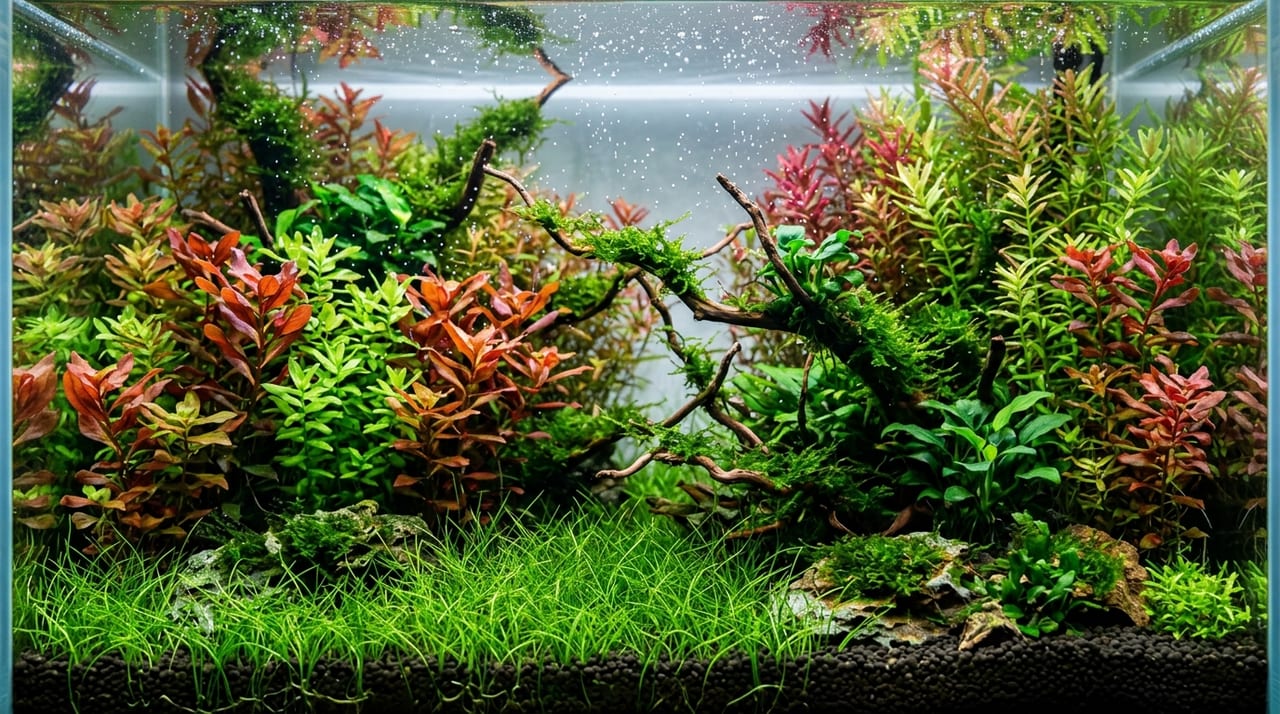
When you want to enhance your aquatic plant layout, the desire to "grow more of this plant" comes up more often than you might think. However, purchasing from shops every time becomes costly. In fact, aquatic plants have propagation methods suited to each type, and by understanding these characteristics, you can steadily multiply your plants and upgrade your layout.
This article breaks down propagation techniques into five types—stem plants, foreground plants, rosette-type plants, attachment plants, and mosses—and explains how to propagate each in detail. To make it accessible for first-timers, we've compiled specific steps and precautions in practical terms.
---
Efficiently Propagate Stem Plants Through Stem Cuttings
Target species: Rotala, Ludwigia, Pearl Grass, Hygrophila, Ambuia, and others
Stem plants are the easiest type of aquatic plants to propagate. Using a method called "stem cutting," you can simply replant cut portions to easily increase the number of plants.
Basic Steps
- Cut the upper 5–10 cm of a mature stem with scissors
- Remove the lower 1–2 nodes of leaves from the cut portion (for ease of planting and to prevent rot)
- Using tweezers, plant at a depth of 3–4 cm in the substrate
- Roots develop within 1–2 weeks, and the root system becomes established
- After cutting, side shoots emerge from the base of the remaining stem, further increasing the plant count
Tips and Precautions
- When cutting, it's easier for roots to develop if you cut just below the node (where leaves attach)
- Right after planting, water current can easily dislodge the stem, so it's important to insert it firmly and deeply
- Finer substrate is easier to plant in and allows roots to spread more easily
- With proper fertilizer and light, a full-looking cluster will develop within 2–3 weeks
---
Spread Foreground Plants by Utilizing Runners
Target species: Glossostigma, New Large Pearl Grass, Cuba Pearl Grass, Hair Grass, and others
Most foreground plants have the characteristic of naturally spreading while producing "runners" (horizontal stems). Using this trait effectively is key to creating a beautiful foreground.
Management and Propagation Tips
- With proper light intensity (medium to high) and CO2 supplementation, plants can spread enough to cover the entire substrate surface in about one month
- Thinning out overly dense areas by trimming maintains overall airflow and light penetration
- Pulled-up plants can be replanted immediately in another location or tank
- Substrate pairs well with fine sand (nutrient-rich soil like ADA Amazonia)
Common Mistakes
When foreground plants grow vertically instead of spreading horizontally, the cause is almost always insufficient light. Ensure adequate light intensity suitable for foreground plants.
---
Propagate Rosette-Type Plants Through Division
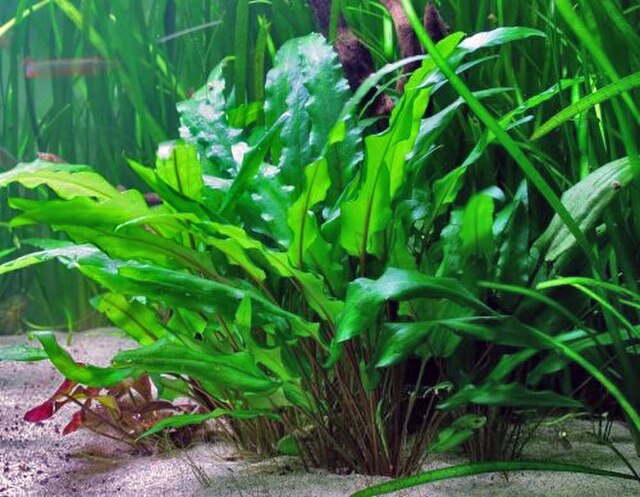
Target species: Echinodorus (Amazon Sword), Cryptocoryne, Vallisneria, Sagittaria, and others
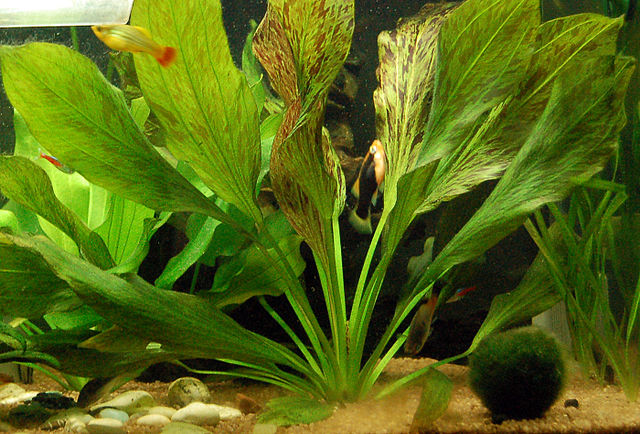
Rosette-type plants unfold their leaves from the base rather than from a stem, making them unsuitable for stem cuttings. Instead, they develop "daughter plants" from the root base, which can be divided to propagate.
Division Steps
- Wait for daughter plants to develop from the base or sides of the parent plant (patience is key)
- Wait until daughter plants grow to at least half the size of the parent plant (separating too early can cause them to wilt)
- Using scissors or a cutter, carefully separate by cutting without damaging the roots
- Plant in a new location and avoid environmental changes for several days to a week while roots stabilize
Notes
Cryptocoryne is sensitive to environmental changes, and after transplanting, a phenomenon called "Crypt Rot," where leaves dissolve, may occur. This is a temporary adaptation response, and if the roots are alive, new leaves will naturally unfold—so don't discard the plant in panic.
---
Propagate Attachment Plants by Dividing the Rhizome
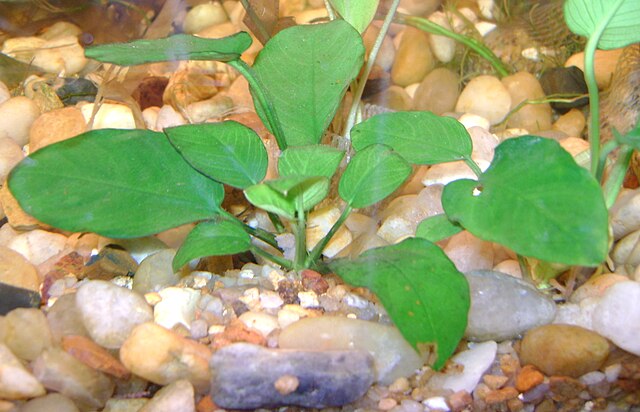
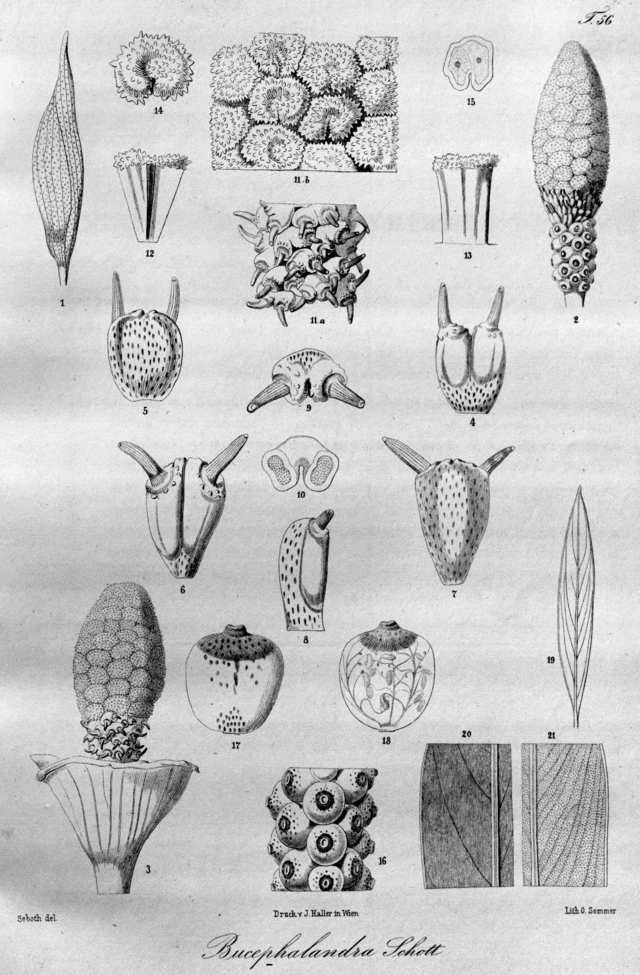
Target species: Anubias Nana, Microsorum, Bucephalandra, and others
These plants are secured to driftwood or rocks rather than planted in substrate. You can propagate them by cutting the "rhizome" (the stem portion), though growth is slow, so don't rush the process.
Division and Attachment Steps
- Cut the rhizome into 2–3 node segments (confirm that each piece has 2–3 or more leaves attached)
- Secure to driftwood or rock using fishing line (nylon thread) or aquarium-safe adhesive (cyanoacrylate-based)
- Over 2–3 weeks, new roots develop and naturally attach
- Once roots are firmly attached, you may remove the fishing line
Precautions
Damaging the rhizome or cutting it too short can cause it to die. Use clean scissors so the cut is sterile. Additionally, keeping the attachment area away from strong water flow during the attachment period helps stabilize the plant.
---
Explosively Multiply Moss Through Attachment and Dispersal
Target species: Willow Moss, South American Moss, Christmas Moss, Java Moss, and others
Mosses are among the easiest aquatic plants to propagate and are recommended for beginners. Tiny fragments naturally attach to driftwood or rocks, and the plant count naturally increases over time with regular maintenance.
Attachment and Management Steps
- Spread moss thinly without overlapping on the surface of driftwood or rock
- Secure with fishing line or thin stainless steel thread, wrapping it evenly
- Within 2–4 weeks, moss attaches and begins spreading in a green carpet-like pattern
- Trim regularly with scissors to shape as it grows
- Cut fragments can be wrapped onto new driftwood or rocks and will naturally attach and propagate as new plants
Application to Moss Walls and Moss Balls
Leftover moss from trimming can be sandwiched in stainless steel mesh to create moss walls or rolled into moss balls for use as layout accents. The ability to reuse rather than discard is also an attractive feature.
---
Botachoku's Safe and Reliable System
As your first step in propagating aquatic plants, obtaining high-quality, healthy plants is critically important. Starting with poor-condition plants carries the risk of them dying rather than propagating.
Botachoku lets you purchase aquatic plants directly from specialist growers who manage them carefully. Plants are often offered in forms ideal for starting propagation—tissue culture cups or well-conditioned stem cuttings trimmed and ready to use—making it easy to obtain pesticide-free, reliable plants.
Benefits of Choosing Botachoku
- Direct from growers means fair pricing with reduced middleman costs
- Direct communication with sellers lets you confirm detailed information about growing conditions and water preferences before purchasing
- Rare varieties and domestically-bred stock that are difficult to find at regular shops are abundant
- You can propagate purchased plants and resell them yourself, creating a rewarding cycle that enriches your aquarium hobby
Master aquatic plant propagation, and you can multiply your stock from a single purchase to richly color your tank. Find your ideal aquatic plants at Botachoku and take your aquarium hobby to the next level.