Complete Guide to Aquatic Plant Quarantine | Snail Removal, Residual Pesticide, and Algae Contamination Prevention
Explains the quarantine method before introducing newly acquired aquatic plants to the main tank. Introduces detailed professional procedures from snail egg removal, residual pesticide rinsing, algae contamination prevention, to safe processing steps for shrimp tanks.
Key Takeaways
Explains the quarantine method before introducing newly acquired aquatic plants to the main tank. Introduces detailed professional procedures from snail egg removal, residual pesticide rinsing, algae contamination prevention, to safe processing steps for shrimp tanks.
Related Species
The joy of acquiring new aquatic plants is a shared feeling among aquarium enthusiasts. However, directly introducing the aquatic plant to the main tank can cause unexpected trouble. The mass outbreak of snails (spiral-shelled mollusks), stubborn algae contamination, sudden death of Yamato shrimp or Red Bee shrimp—most of these accidents are caused by not performing "quarantine" before introduction. This article explains in detail the importance of aquatic plant quarantine and specific procedures.
Why aquatic plant quarantine is necessary
Aquatic plants sold in shops come through various distribution routes from wholesalers and farms. In the process, they may carry the following "hidden risks":
Main risks of contamination
- Snails (Mollusks): Sakamakigai, monoalagigai, and ramshorn eggs or juveniles. They attach as jelly-like egg clusters on the back of aquatic plants
- Planaria: Small white flatworms. Known to attack shrimp juveniles
- Hydra: Cnidarian animals that attach to aquatic plants and driftwood. Eat shrimp and fish juveniles
- Residual pesticides: Insecticides and molluscicides contained in aquatic plants from overseas farms. Can be fatal to shrimp species
- Algae spores: Spores of black beard algae, blue-green algae, and coral-like algae, as well as attached algae
- Pathogens: Bacteria and fungi that cause fish diseases
Particularly, residual pesticides are invisible, and introducing them to the main tank has caused numerous incidents of shrimp death within hours to days. If you handle aquatic plants in a shrimp tank, consider quarantine not a "recommendation" but "essential".
Basic quarantine procedure | Three stages to ensure safety
Quarantine proceeds through three stages: "rinsing → medication bath → isolation observation". Adjust the procedure flexibly according to the type of aquatic plant and contamination risks.
Step 1: Physical rinsing
Once you remove the purchased aquatic plant from the bag, first rinse it thoroughly under running water. Pay particular attention to the back of leaves, the base of stems, and the roots.
- Rinse while gently running tap water (at room temperature), spreading the leaves
- Using tweezers or a soft brush, physically remove any visible snail eggs or juveniles
- Cut off dead or yellowed leaves from the base
- Gently rinse the roots and remove any attached wool or sponge
At this stage, most visible foreign matter can be removed.
Step 2: Medication bath (chemical treatment)
Physical rinsing alone cannot remove fine snail eggs or residual pesticides that are not visible. Chemical treatment is effective for these. Choose the following method according to the type of aquatic plant.
Carbonated water bath (safe for all aquatic plants)
Soak the aquatic plant in commercially available unsweetened carbonated water (plain soda) for 10-15 minutes. High concentrations of CO2 hinder snail respiration and have the effect of suffocating eggs and juveniles. The residual pesticide removal effect is limited, but the safety is high, and it is recommended for beginners.
Alum water bath
Dissolve alum at 1 tablespoon per liter of water, soak the aquatic plant for 20 minutes, then rinse thoroughly. It has a high snail removal effect and can be used on most aquatic plants. For delicate foreground plants and moss types, reduce the concentration to half.
Salt water bath
Mix common table salt at 1 teaspoon per liter of water, soak for 15 minutes, then rinse. It has a snail egg removal effect, but prolonged soaking may damage the aquatic plant, so care is needed.
Chemicals (hydrogen peroxide · new green F)
For the purpose of removing residual pesticides, a 3% hydrogen peroxide solution (12-hour soak) or new green F (15-minute soak) is effective. However, since these are powerful chemicals, always follow the dosage.
Step 3: Isolation observation
After the medication bath, move the aquatic plant to a separate observation container (isolation tank) and observe for 1-2 weeks.
- Fill a small plastic container with tap water and manage with aeration
- Check daily for snail outbreak, algae, and condition of the aquatic plant
- Observation under different water temperature and light conditions from the main tank is also effective (promotes hatching of hidden snail eggs)
- If no problems after 2 weeks, decide on introduction to the main tank
Quarantine time and chemical selection reference table
| Risk | Countermeasure | Processing time |
|---|---|---|
| Snail eggs | Alum water bath | 20 minutes |
| Adult snails | Physical removal + carbonated water bath | Rinsing + 15 minutes |
| Planaria/Hydra | Salt water bath + isolation observation | 15 minutes + 1-2 weeks |
| Residual pesticides | Hydrogen peroxide | 12 hours |
| Comprehensive safety | Physical rinsing → medication bath → isolation | Total 10+ days |
Quarantine for delicate aquatic plants and moss types
Some moss and anubias, and stem plants are sensitive to chemicals.
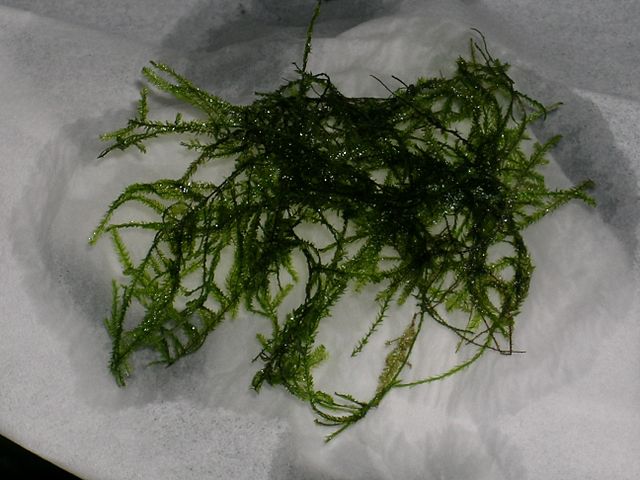
- Willow moss, water feather: Avoid strong chemicals, use carbonated water bath or low-concentration alum
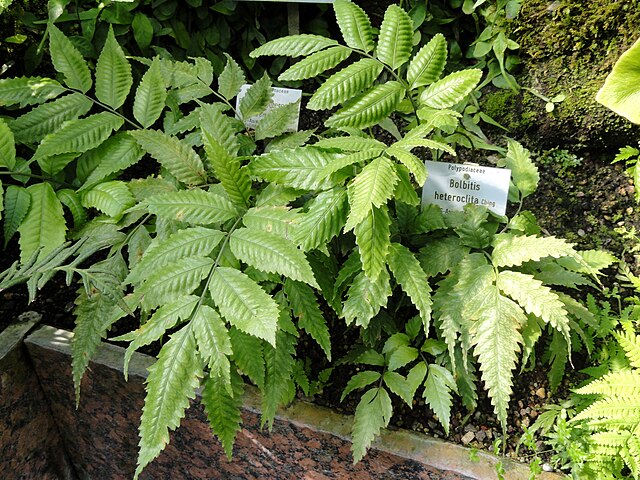
- Anubias, bolbitis: Tap water rinsing + low-concentration salt water (1/2 teaspoon) is sufficient
- Moss types in general: Avoid chemical use, use only physical rinsing + carbonated water bath
Introduction timing after quarantine
When introducing the aquatic plant after the observation period, prepare the following:
- Match the water temperature of the main tank (adjust temperature slowly over about 1 hour)
- At introduction, visually confirm the absence of snail outbreak one last time
- On the first day, reduce lighting time by half to minimize stress on the animals
Summary: Quarantine is a kind of "insurance"
Completing the quarantine procedure perfectly takes time and effort, but considering the risk of the entire main tank collapsing, this effort is an "essential cost". Particularly for those raising shrimp or those with an established beautiful aquatic plant layout, a single neglect of quarantine could undo months of effort.
We also recommend similar quarantine for aquatic plants purchased from GrowerDirect. Because they are fresh stocks sourced directly from growers, spending this extra effort before introduction allows you to enjoy the subsequent cultivation period with confidence.