Safe Aquatic Plants and Fertilizer Precautions for Shrimp | Symptoms of Pesticide Residue and Removal Methods
Be careful of pesticide residues in shrimp tank aquatic plants. This explains the signs of poisoning symptoms, how to remove pesticides, why fertilizers containing copper are strictly prohibited, safe fertilization amounts, and compatibility between different shrimp species and aquatic plants.
Key Takeaways
Be careful of pesticide residues in shrimp tank aquatic plants. This explains the signs of poisoning symptoms, how to remove pesticides, why fertilizers containing copper are strictly prohibited, safe fertilization amounts, and compatibility between different shrimp species and aquatic plants.
Related Species
Anubias Nana
View species details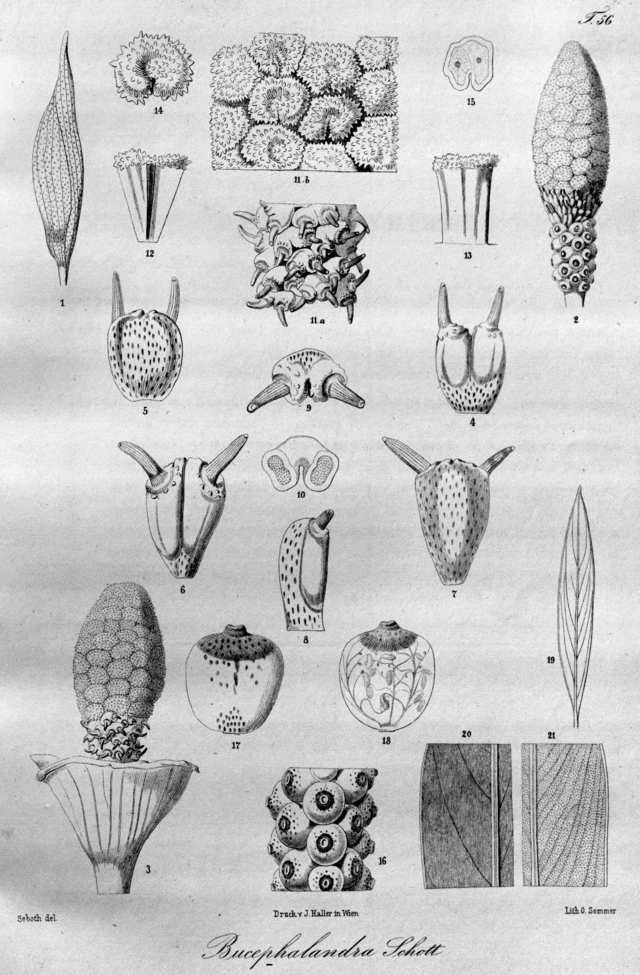
Bucephalandra
View species detailsMarimo Moss Ball
View species details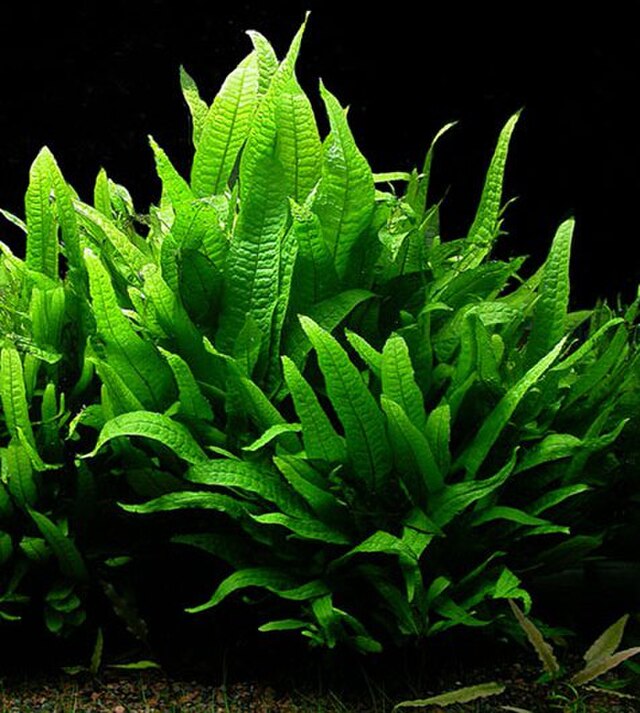
Java Fern
View species detailsNew Large Pearl Grass
View species detailsPearl Grass
View species details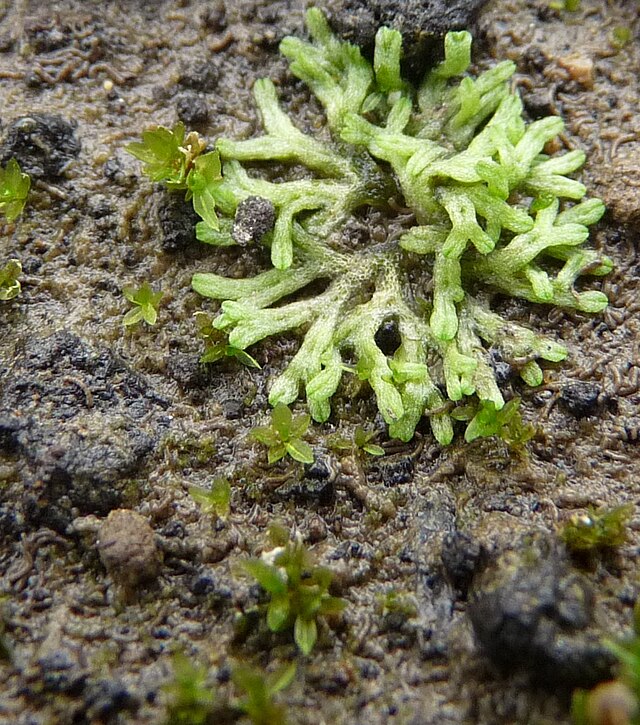
Riccia
View species details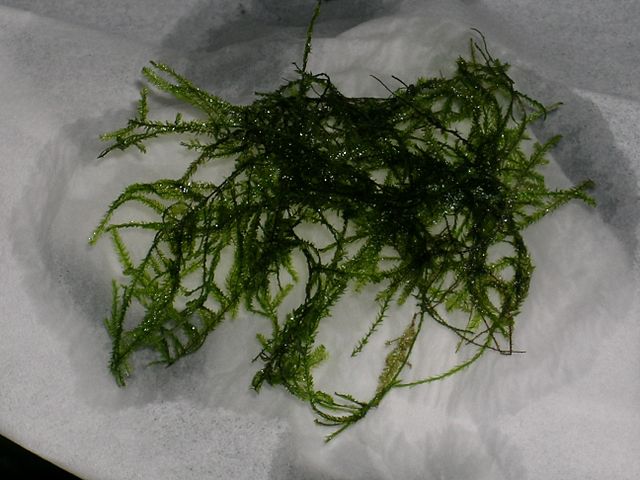
Willow Moss
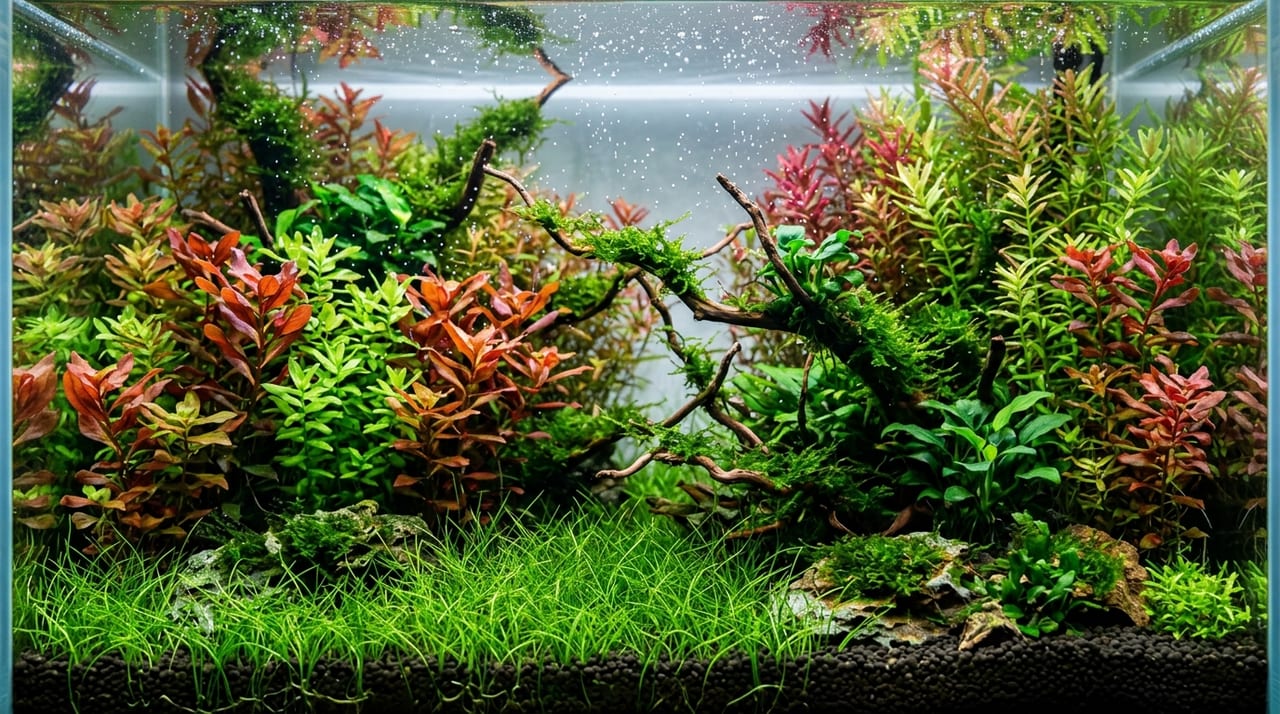
View species detailsCombining shrimp with aquatic plants creates a beautiful and soothing aquascape. However, cases where pesticide residues on aquatic plants cause fatal damage to shrimp are relentless. This article provides detailed explanations on how to safely select aquatic plants for keeping shrimp, methods for pesticide removal, and important precautions regarding compatible aquatic plants and fertilizers.
The Danger of Pesticide Residues to Shrimp
Pesticide residues on aquatic plants are one of the most serious threats to shrimp.
- Lethal toxicity to crustaceans: Insecticides used in aquatic plant cultivation (particularly neonicotinoids and pyrethroids) have extremely high toxicity to shrimp, which are crustaceans. Situations can occur where fish survive unharmed while shrimp are completely wiped out
- Characteristic symptoms: Shrimp poisoned by pesticides show abnormal behavior (erratic swimming), rolling over, and white discoloration of the body. Once symptoms appear, it is often too late—most cases result in death within a few hours
- Danger even in trace amounts: Shrimp have extremely high sensitivity to pesticides and can be affected by trace residues below detection limits. The thinking that "just washing it will be fine" is dangerous
- Status of aquatic plants in domestic circulation: Most aquatic plants sold at shops are sourced from farms, where pesticides are used for pest control. Aquatic plants from Southeast Asia are particularly likely to have been treated with pesticides
- Safety of tissue culture aquatic plants: Tissue culture (in vitro) aquatic plants in cups are grown in sterile environments and carry no pesticide risk. Tissue culture aquatic plants are the safest option for shrimp tanks
Specific Methods for Pesticide Removal
When using aquatic plants suspected of having pesticide residues, thorough removal treatment is necessary.
- Running water rinse: First, rinse thoroughly with tap water. Wash carefully to remove pesticides not just from leaf surfaces but also between stems and roots. While this alone is insufficient, it is essential as an initial step
- Water soaking method: Fill a bucket with tap water (dechlorination not necessary), immerse the aquatic plants, and change all the water daily. Continue for a minimum of 2 weeks, or up to 1 month for maximum safety. Maintaining water temperature at 25–28°C promotes pesticide breakdown
- Using commercial residual pesticide removal products: Market-available aquatic plant residual pesticide removers (such as the "Before Aquatic Plants" series) are an option. Follow usage instructions strictly and rinse thoroughly after treatment
- Carbonated water treatment: Soaking in carbonated water for 10–15 minutes can also eliminate pests (such as snail eggs) attached to aquatic plants. However, the effectiveness in completely removing pesticides is limited, so use this method in combination with others
- Confirming with test organisms: After pesticide removal treatment, do not introduce plants directly into the main tank. Instead, place a few Amano shrimp (an inexpensive species) in a separate container and observe for 48 hours. If no abnormalities appear, it can be judged as safe
- Caution: Aquatic plants sold in their emersed (above-water) form tend to retain more pesticide residues compared to their submerged forms. More careful treatment is necessary
Aquatic Plants Suitable for Shrimp Tanks
Here are aquatic plants that are compatible with shrimp and easier to introduce safely.
Recommended Aquatic Plants for Shrimp — Comparison Table
| Aquatic Plant | CO2 | Light | Features |
|---|---|---|---|
| Willow Moss | Not needed | Low–medium | Standard choice · Attaches · Refuge for shrimplets |
| Microsorum | Not needed | Low | Durable · Slow growth · Excellent compatibility |
| Anubias Nana | Not needed | Low | Attaches · Firm leaves · No herbivory |
| Bucephalandra | Not needed | Low–medium | Beautiful · Attaches · Focal plant |
| Marimo (Moss Ball) | Not needed | Low | Low maintenance · Feeding area |
| Hemianthus callitrichoides "Cuba" | Beneficial | Medium–high | Foreground carpet |
| Riccia | Not needed | Medium | Refuge for shrimplets · Requires trimming |
※ Tissue culture (cup-grown) plants are pesticide-free and safest. CO2-free attachment types are best for beginners.
- Willow Moss: The classic choice for shrimp tanks. It serves as a refuge for shrimplets, and microorganisms adhering to moss surfaces become food for shrimp. Simply tie it to driftwood where it will naturally attach, and it grows even without CO2 supplementation
- Microsorum varieties: Hardy with slow growth, they have excellent compatibility with shrimp. Varieties like narrow-leaf and trident types offer diverse leaf shapes and become accent points in layouts
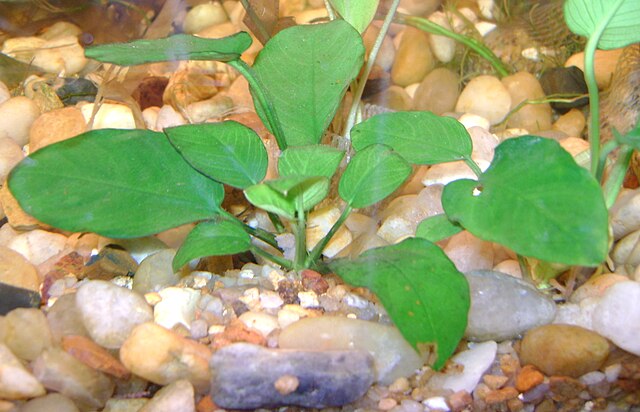
- Anubias Nana: A hardy aquatic plant that grows even in low light. It has extremely slow growth, so trimming is minimal, and it can be attached to driftwood or rocks. Its firm leaves are never eaten by shrimp
- Bucephalandra: A beautiful attachment-type aquatic plant native to Borneo. Its metallic leaf color is appealing and it becomes a focal point in shrimp tanks. Slow growth and no CO2 requirement
- Marimo (Moss Ball): A spherical green algae that becomes a play area and feeding spot for shrimp. Requires no maintenance and looks charming, popular for small shrimp tanks
- Hemianthus callitrichoides "Cuba": Popular as a foreground plant with excellent shrimp compatibility. Watching shrimp graze on a green carpet is delightful. CO2 supplementation helps it grow more beautifully
- Riccia: A bright green aquatic plant that floats on the surface or sinks when used submerged. Perfect as a refuge for shrimplets, but requires regular thinning as it grows quickly
Cautions on Fertilizer Use
Fertilizer use in shrimp tanks requires even more care than in standard planted tanks.
- Copper-containing fertilizers are strictly prohibited: Many liquid fertilizers contain copper as a micronutrient, but copper has strong toxicity to shrimp. Always check the ingredient label and never use products containing copper
- Liquid fertilizer dosage: In shrimp tanks, start with half or less of the recommended dose and gradually increase while observing shrimp behavior. Adding large amounts at once causes sudden water quality changes and stresses shrimp
- Using solid fertilizers: Substrate-buried solid fertilizers (such as initial sticks) are relatively safe for shrimp as they dissolve into water more gradually. However, avoid disturbing the substrate after installation, as this can cause leaching
- Potassium supplementation caution: While potassium is an often-deficient nutrient for aquatic plants, excessive supplementation can raise pH. Since shrimp are sensitive to rapid pH changes, adding small amounts daily is the safest approach
- Nutrition from soil: Nutrient-rich soil (such as Amazonia) releases ammonia during the initial setup phase. Introduce shrimp only after the tank is fully established (minimum 4–6 weeks later)
- Fertilizing after water changes: Immediately after water changes, water quality is unstable, so add fertilizer the day after water changes for safety
Aquatic Plant Compatibility by Shrimp Species
Different shrimp species have slightly different aquatic plant environment preferences.
- Bee shrimp (Red Bee, Black Bee): Prefer slightly acidic, soft water, so they are compatible with soil substrates. Aquatic plants should focus on moss types and Bucephalandra, with low-light, low-CO2 layouts being suitable
- Cherry shrimp (Red Cherry, etc.): Hardy species that adapt to a wide range of water conditions. Compatible with almost all aquatic plants and easy for beginners to keep
- Yamato Amano shrimp: Possess the strongest algae-eating ability but their large size can cause them to uproot aquatic plants. Focus on firmly rooted plants or attachment-type aquatic plants
- Amano shrimp: Japan's native freshwater species, can be kept at room temperature. Small-bodied, rarely damages aquatic plants, and easy to breed. Also suitable as test organisms for pesticide treatment
- Shadow shrimp: Related to bee shrimp, they prefer slightly higher water temperatures (25–27°C). They have good compatibility with planted layouts, particularly showing breeding activity in dense moss growth
Algae Management in Shrimp Tanks
While shrimp themselves eat algae, sometimes additional measures are needed.
- Lighting duration management: 6–7 hours of lighting daily is appropriate for shrimp tanks. If algae appears excessively, reduce lighting to 5 hours and observe
- Manual algae removal: Remove algae on glass surfaces with melamine foam, and manually remove thread algae on aquatic plants with tweezers. Do not use algae-removal chemicals as they affect shrimp
- Adjusting bio-balance: If shrimp numbers are insufficient, add Otocinclus. Otocinclus coexist well with shrimp and eat algae off glass surfaces
- Dealing with black beard algae: Wood vinegar can be applied directly with cotton swabs, but using it throughout the tank affects shrimp. Remove removable items and treat them outside the tank
Get Safe Aquatic Plants from GrowerDirect
At GrowerDirect, you can purchase aquatic plants grown without pesticides directly from growers. The ability to directly confirm cultivation methods and pesticide use with growers is a reassurance unique to direct-sales platforms. To protect your shrimp's safety while enjoying a beautiful planted shrimp tank, we recommend purchasing from trusted growers.