Wabi-Kusa Outdoors: Water Lily Bowls & Biotope Guide
Learn how to use ADA's Wabi-Kusa in outdoor water lily bowls and biotopes. Discover how to leverage their dual-environment nature to thrive both underwater and above water, and create naturally beautiful outdoor aquascapes with medaka and goldfish.
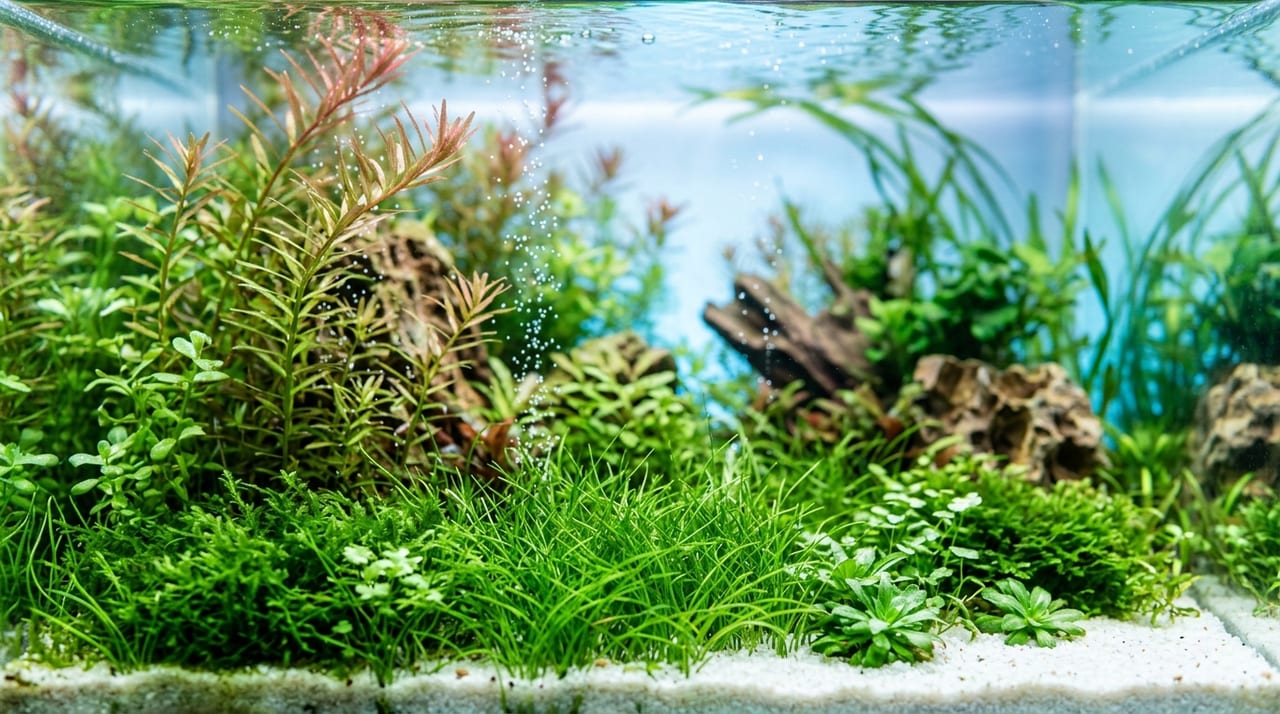
Key Takeaways
Learn how to use ADA's Wabi-Kusa in outdoor water lily bowls and biotopes. Discover how to leverage their dual-environment nature to thrive both underwater and above water, and create naturally beautiful outdoor aquascapes with medaka and goldfish.
Related Species
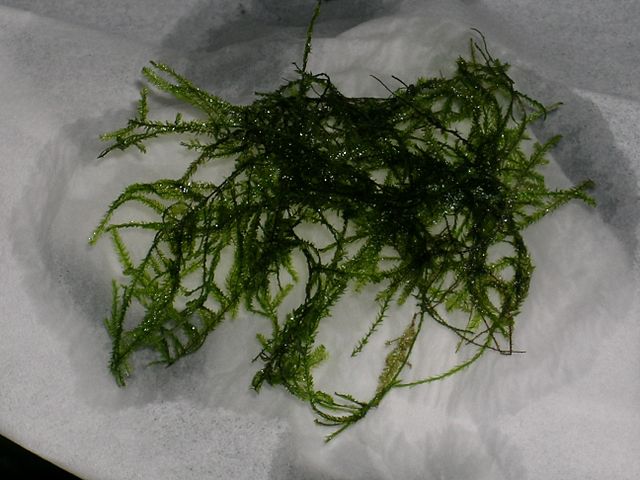
"Wabi-Kusa (Dwarf Live Plants)" is a spherical aquatic plant starter kit developed by ADA (Aqua Design Amano). Multiple species of aquatic plant seeds and seedlings are planted into a sphere of natural material. When submerged in water, it becomes the foundation of an aquatic plant layout, and when exposed above the water surface, it can be cultivated like terrestrial plants.
The mainstream use is typically placing it in the center of an aquatic plant aquarium to enjoy submerged leaves, but combining Wabi-Kusa with outdoor water lily bowls or biotopes creates a completely different natural aesthetic. This article explains practical methods for using Wabi-Kusa outdoors and important considerations.
What is Wabi-Kusa?
Wabi-Kusa differs from typical aquatic plants and is best understood as "an assortment of aquatic plants you can start from the emersed leaf stage."
Multiple aquatic plant species are planted in a spherical substrate (made from natural materials like peat moss), and upon purchase they already have sprouted. When the base of the sphere touches water, submerged leaves develop; when raised above the water surface, emersed leaves grow lush.
Main product lines (included plant species vary by type):
- Wabi-Kusa Small/Large (versatile type)
- Wabi-Kusa Mountain (peaked, elevated form)
- Wabi-Kusa Forest (low-profile, foreground plant-focused)
- Wabi-Kusa River (stem plant-centered)
Benefits of Outdoor Use
Aquatic Plants Thrive with Natural Sunlight
Indoor tanks require artificial lighting, but outdoors you can use sunlight. Aquatic plants utilize the spectrum of natural sunlight most efficiently, so leaf color and luster improve and growth rate increases.
Especially during summer mornings and late morning hours, photosynthesis is extremely active—you'll see vigorous growth with visible oxygen bubbles, a spectacle rarely seen indoors.
Creating Outdoor Biotope Landscapes
In outdoor biotopes, aquatic plants color the water surface and reveal changing expressions with each season. As Wabi-Kusa grows lush, a green mass floats across the water surface, letting you create a miniature waterscape in your garden or balcony.
Reduced Maintenance
In the right environment, outdoor biotopes are largely self-sustaining. Rainwater replenishment, sunlight-driven algae suppression, and other factors mean many outdoor setups require far less detailed care than indoor aquariums.
Preparing for Outdoor Setup
Choosing a Container
Water lily bowls (Shigaraki ceramics or plastic) are most commonly used. A capacity of at least 30 liters ensures stable, gradual water temperature changes.
Other options:
- Large plastic basins (cost-effective and easy to handle)
- Wooden frame with waterproof liner (DIY biotope)
- Stone-built pond (authentic but requires construction)
Preparing the Substrate
For outdoor biotopes, Arakida soil or red Akadama clay work well. Aquatic soil can break down in outdoor conditions, so inorganic substrates are better for long-term stability.
A substrate depth of 5–8 cm is typical. You can submerge Wabi-Kusa directly into the substrate or fix it near the water surface using a dedicated stand.
Positioning Wabi-Kusa
Decide on your overall biotope design before placing Wabi-Kusa.
Submerged positioning (aquarium style): Sink the base into the substrate with the top positioned just below the water surface. Aquatic plants develop submerged leaves, creating an appearance closer to a traditional aquarium layout.
Water-margin positioning (emersed and submerged): Position the lower half in water and the upper half above the surface. The coexistence of submerged and emersed leaves creates a uniquely layered landscape.
Terrestrial positioning: Place on the biotope's edge or on rocks in moist, waterside locations. Roots absorb water while emersed leaves develop.
Seasonal Management
Spring (March–May)
As water temperatures rise, aquatic plant growth becomes active. Clear away damaged leaves from Wabi-Kusa that survived the winter, and prepare for fresh new growth.
Summer (June–September)
The most vigorous growth period, but water temperature elevation requires attention. When water exceeds 30°C, aquatic plants weaken and cyanobacteria (blue-green algae) become more likely to bloom.
Countermeasures:
- Shade intense afternoon direct sunlight with a screen or cover
- Replenish water lost to evaporation as needed (use dechlorinated tap water or pre-stored water)
Autumn (October–November)
As water temperature drops, growth slows. If overwintering your biotope, remove dead leaves and tidy up thoroughly.
Winter (December–February)
In cold climates, temperatures may drop below freezing and most Wabi-Kusa plants die. Some aquatic plants with high cold tolerance (Java moss, Willow moss, etc.) can survive winter, but depending on species, you may need to move them indoors or plan to replace with fresh Wabi-Kusa come spring.
Common Problems and Solutions
Green water algae bloom appeared: This is caused by nutrient overload and strong lighting. Perform a partial water change (about 1/3 of the water) and adjust light exposure.
Aquatic plants are dying back: Consider rapid water temperature changes, water quality deterioration, or cold damage. Perform water changes to improve conditions; if recovery doesn't occur, replace with fresh Wabi-Kusa.
The Wabi-Kusa sphere is breaking down: After several months of use, the substrate naturally breaks down, but as long as roots have grown into the substrate, plants continue thriving. After complete substrate disintegration, you can replant the rooted plants directly into the substrate to maintain the plant colony.
Expanding to Indoor Aquariums
Once you've gained experience creating outdoor biotope landscapes with Wabi-Kusa, you can propagate the same stock into indoor aquatic plant layouts. Emersed leaves that grew strong outdoors gradually convert to submerged leaves when submerged, making them ideal materials for indoor layouts like those in Rock Arrangement Aquascape Beginner's Guide.
Summary
Using Wabi-Kusa in outdoor biotopes and water lily bowls lets you create rich aquascapes that maximize the benefits of natural sunlight. The charm of biotopes is experiencing a water landscape that mirrors the changing seasons directly—a unique aesthetic distinct from indoor aquariums.
A Wabi-Kusa biotope that transforms with seasonal change: planted in spring, thriving abundantly in summer, quieting in autumn—it lets you simultaneously savor the passage of time through aquatic plants and nature itself.