How to Grow Boccarnea recurvata (Ponytail Palm) | A Guide to Growing Classic Caudex Plants
A guide to light, watering, and repotting for Boccarnea recurvata, known for its distinctive bottle-shaped swollen stem.
Key Takeaways
A guide to light, watering, and repotting for Boccarnea recurvata, known for its distinctive bottle-shaped swollen stem.
Related Species
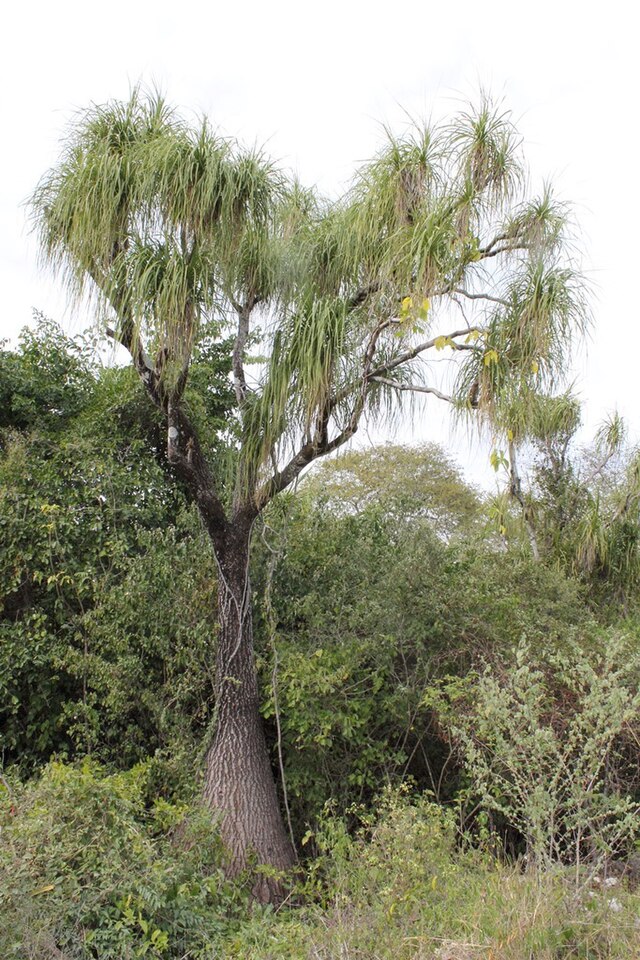
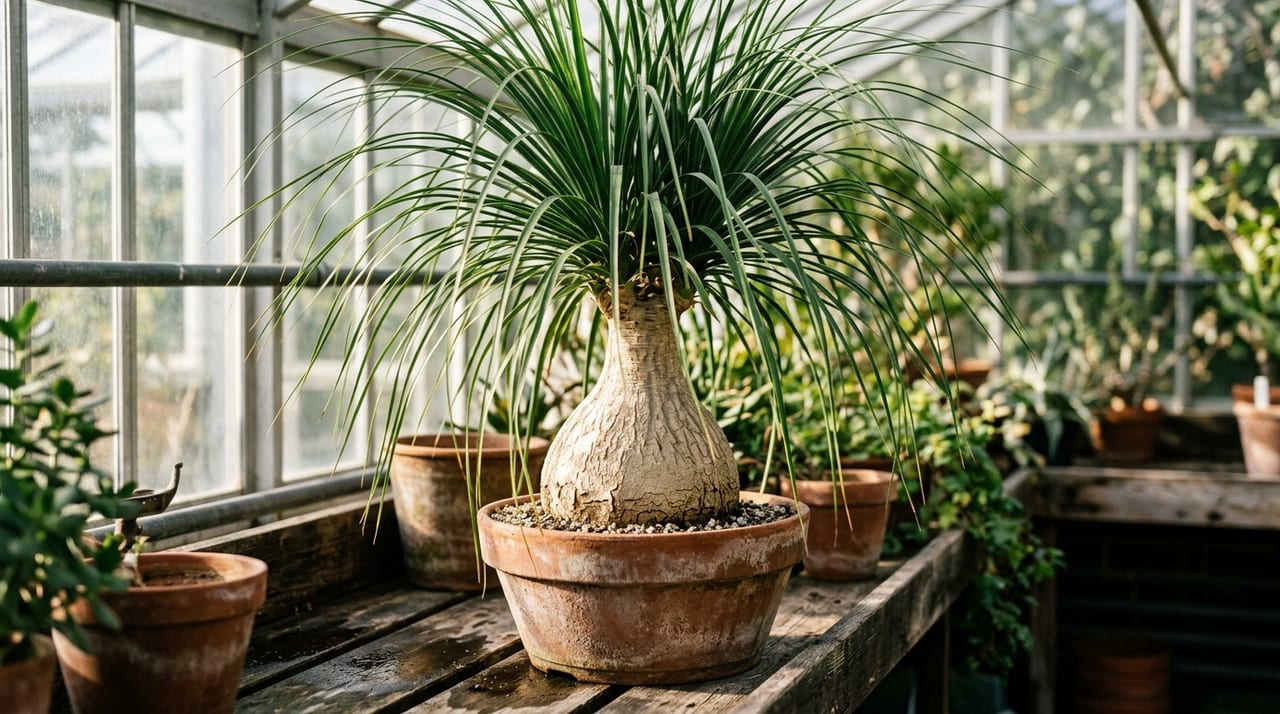
Boccarnea recurvata (common name: Ponytail Palm) is a caudex plant in the Asparagaceae family (formerly Agavaceae) native to Mexico. Its distinctive silhouette—a stem that swells bottle-like at the base combined with long, slender leaves that radiate outward from the tip—is unlike any other ornamental plant. The caudex portion is a water-storage organ, the result of evolution adapted to the harsh, arid environments of its native habitat. Because it is drought-tolerant and easy to manage, it has maintained steady popularity for many years as a classic species favored even by those growing caudex plants for the first time.
The Appeal and Basic Nature of Boccarnea recurvata
In its native habitat, it can eventually reach heights exceeding several meters, but when grown in containers, growth is slow, allowing you to enjoy the gradual thickening of the caudex over years or even decades. This slow growth is less about "growing a plant" and more about "living alongside a plant that develops over time," which is one of the reasons enthusiasts have long supported this species.
The leaves are slender and graceful, and their soft swaying in the breeze creates a gentle tropical atmosphere. As the plant matures, the caudex becomes increasingly prominent, transforming into a more commanding silhouette. It is often used as a focal point in living rooms and entryways, offering not only ease of cultivation as an ornamental plant but also a high level of interior design appeal.
Placement and Light Requirements
Boccarnea recurvata thrives in bright light; insufficient sunlight causes the leaves to elongate and droop, compromising the plant's naturally compact form. Ensuring adequate light is one of the most critical management factors for maintaining a beautiful plant shape.
- Outdoor care: Ideally, place the plant in a location with abundant direct sunlight from spring through fall. However, when moving the plant from indoor to outdoor conditions, gradually acclimate it by first placing it in partial shade for several days to avoid sun scorch, then gradually transition it to direct sunlight.
- Indoor care: Place the plant on a bright south- or west-facing windowsill with light as close to direct sunlight as possible—avoid relying on sheer curtain-filtered light. Even behind glass, if the light is bright enough, indoor management is entirely feasible.
- Winter care: When temperatures drop below 5°C (41°F), roots and the caudex are at risk of damage, so bring the plant indoors. Continue to prioritize bright light throughout winter; placing it in the brightest location possible supports the plant's health.
Watering and Seasonal Management
The most critical aspect of caudex plant care is controlling watering. Because Boccarnea recurvata stores water in its caudex, watering with the same frequency as other ornamental plants will easily lead to root rot. Adjusting watering frequency significantly by season is fundamental to long-term care.
During the growing season (spring through fall), wait several days after the soil surface dries, then water thoroughly until it drains from the pot's bottom. By repeating this pattern of watering only after the entire soil has dried, roots will grow outward in search of moisture and develop healthily. Always empty any water that accumulates in the saucer—do not leave it sitting.
During the dormant season (winter), growth nearly stops, so dramatically increase the intervals between watering. It is sufficient to give only a small amount of water after confirming the soil is completely dry. Because the caudex stores water, the plant can tolerate periods of reduced watering. Managing the plant on the dry side also increases its cold tolerance.
Soil and Repotting Guidelines
Using soil with excellent drainage and aeration is essential for preventing root rot. You can use commercial succulent and cactus soil as-is, or amend ornamental plant soil with pumice or perlite to improve drainage. Avoid heavy clay-based soil and highly water-retentive soil as a general rule.
The right time to repot is when roots begin to emerge from the pot's drainage holes or when roots fill the entire pot and drainage worsens. Repotting during spring through early summer, when growth is most active, minimizes stress on the roots and ensures smooth recovery afterward.
When repotting, keep the following points in mind.
- Gently remove old soil, and trim any damaged or rotted roots with clean scissors.
- Ideally, allow cut surfaces to dry before repotting.
- Plant the caudex so that its swollen base sits slightly above the soil surface—do not bury it deep in the soil. Burying it too deeply reduces airflow and can cause rot and moisture damage.
- Reduce watering for a period after repotting and manage the plant on the dry side until roots adjust to the new soil.
Pest and Disease Prevention and Daily Monitoring
Boccarnea recurvata is relatively hardy and resistant to pests and diseases; however, in poorly ventilated, humid environments, scale insects and spider mites are more likely to appear. Regularly inspecting the bases of leaves and the undersides for early detection is the best way to prevent infestations from spreading.
Scale insects appear as white cottony masses or waxy shells; when found, carefully remove them with a soft toothbrush or damp cloth. Spider mites thrive in dry environments, so you can prevent and suppress them to some extent by spraying water on the leaves and washing them off. If using pesticides, select a product registered for use on ornamental plants and flowers, and always follow the label instructions carefully.
The most effective preventive measure in daily care is ensuring good airflow around the plant. By avoiding crowding and arranging plants so air circulates freely, pest and disease risk drops significantly.
Long-term Growing and Building Your Collection
One of the pleasures of growing Boccarnea recurvata is that the growth record itself becomes an object of appreciation. Watching the initially compact caudex gradually thicken over years and expand further over decades offers a sense of time passing that is rarely felt with other plants.
Additionally, seedlings grown from seed offer the opportunity to observe caudex formation from an early stage, making them especially rewarding for those who enjoy tracking growth. Many enthusiasts enjoy arranging several small seedlings and comparing their different growth rates.
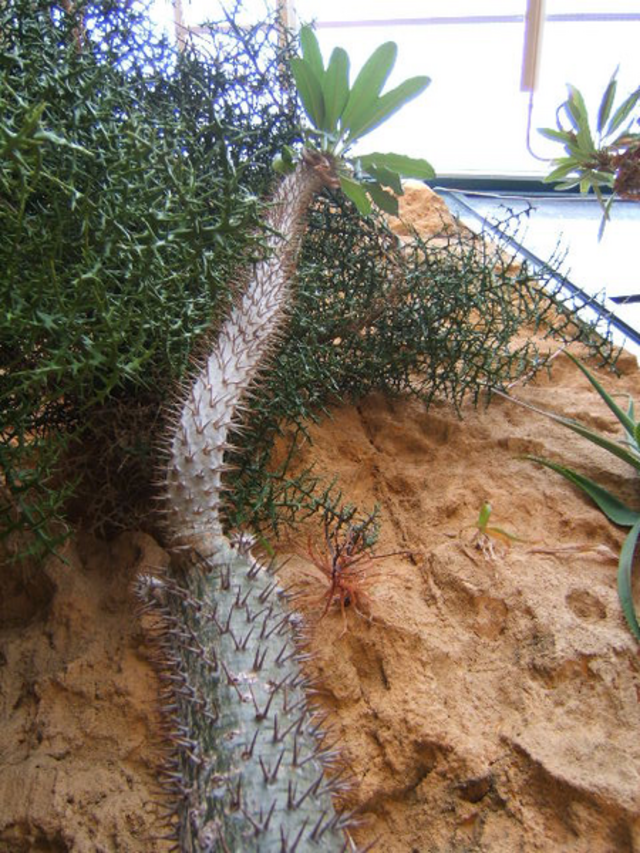
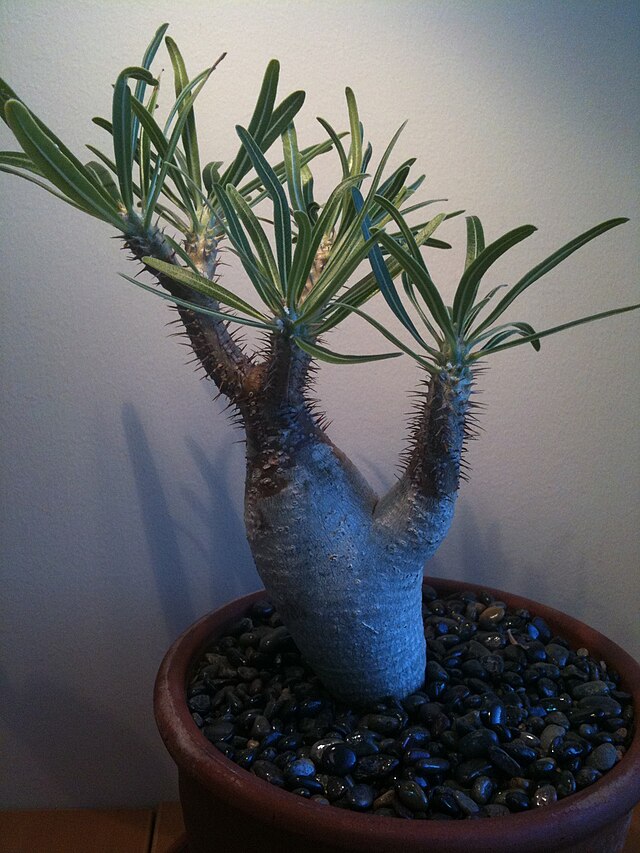
When your interest expands to caudex plants as a whole, the true joy of collecting comes from pairing different species with distinct characteristics, such as drought-tolerant Pachypodium gracilius and Adenium, to create a diverse collection.
Boccarnea recurvata, drought-tolerant, low-maintenance, yet commanding in presence, is the ideal entry point for caudex plant collecting. On GrowerDirect, you can purchase Boccarnea recurvata carefully grown by our growers directly. If you're interested, be sure to check out our current offerings.