Group-Planting Bonsai (Assai / Forest Landscape) Introduction | Golden Rules of Placement and Practical Guide to Species Selection
Explains the appeal and basic principles of group-planting bonsai (assai / forest landscape) where multiple trees are planted in a single pot. Details how to select species, the odd-number composition and use of perspective, planting procedures, and management considerations.
Key Takeaways
Explains the appeal and basic principles of group-planting bonsai (assai / forest landscape) where multiple trees are planted in a single pot. Details how to select species, the odd-number composition and use of perspective, planting procedures, and management considerations.
Related Species
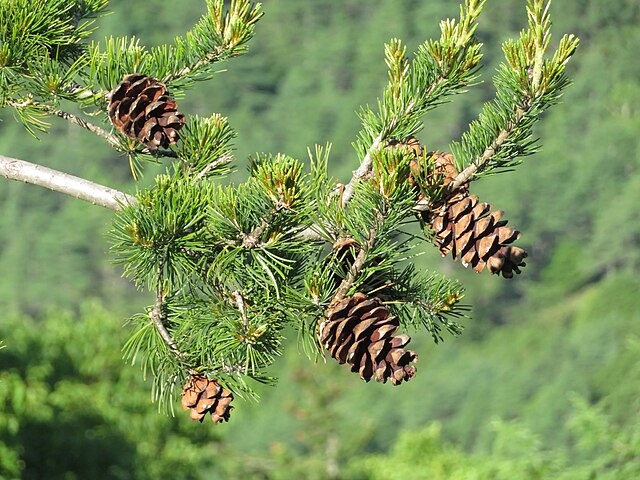
In contrast to single-tree bonsai that express a single landscape with one tree, group-planting bonsai—called "yoseuye," "assai," or "forest landscape"—where multiple trees are planted in a single pot, is an especially narrative-rich form of expression within bonsai, condensing vast natural scenery into a palm-sized space. Wind crossing a mountainside, light filtering through a forest, the harmony of trees large and small—all of this can be orchestrated within a single pot, and that is the greatest charm of group-planting bonsai. In this article, we carefully explain the fundamental principles of group-planting bonsai, from species selection to placement techniques to the actual planting procedures.
The Appeal and Types of Group-Planting Bonsai
The "Landscapes" Group-Planting Can Express
While single-tree bonsai makes "an old tree" the star, group-planting makes "a grove," "a forest," "a shoreline," "a mountainside"—the scenery of a group—the star. When the human eye encounters multiple elements, it naturally perceives depth and space; thus, a small pot can evoke the feeling of a vast landscape.
Representative Styles
- Assai (Matching Species): A style where multiple trees of the same species are grouped and planted together. It has a unified appearance and is the most familiar as a forest landscape.
- Group-Planting (Mixed Species): A style combining different tree species. While it creates variation in the landscape, the difficulty level is higher.
- Connected-Root Style (Neturanari): A technique where multiple trunks appear to rise from a single root system, with one tree laid horizontally as the base.
- Multi-Trunk Form (Kabudachi): A natural tree shape where multiple trunks rise from the base. Technically single-tree planting, but it shares aesthetic principles with group-planting.
The Golden Rules of Placement
To display group-planting beautifully, there are several universal principles.
1. An Odd Number of Trees is the Norm
Three, five, seven, nine—an odd number of trees is strongly recommended in group-planting. With an even number, the visual center of gravity is difficult to establish, and the result tends to feel mechanical. The exception is four, which is specifically avoided due to the unlucky association in Japanese where "four" sounds like "death."
2. Roles of Primary, Secondary, and Accent Trees
In group-planting as in single-tree planting, a central primary tree is positioned, supported by a secondary tree, with accent trees arranged to add depth to the landscape. The primary tree is the thickest and tallest, the secondary tree somewhat slimmer, and the accent trees even slimmer and shorter—this contrast creates three-dimensional depth in the landscape.
3. Consider the Triangle
The basic principle is to arrange the primary, secondary, and accent trees so that connecting the three points forms a triangle. To avoid appearing too symmetrical from the front, intentionally distort the triangle to create a more natural appearance.
4. Incorporate Perspective
Placing a thick, tall tree in the foreground and a thin, short tree in the background makes the viewer's eye perceive depth. Rather than simply lining up trees of equal size, consciously placing a "small tree that appears distant" in the rear dramatically expands the visual space.
5. Do Not Overlap the Trunks
When viewed from the front, completely overlapping trunks of front and rear trees appear flat. The rule is to offset them slightly so that all trunks remain visible.
How to Select Species
Species Suitable for Assai (Matching Species)
- Japanese Zelkova: Its fine branching and fan-shaped form are ideal for forest landscapes.
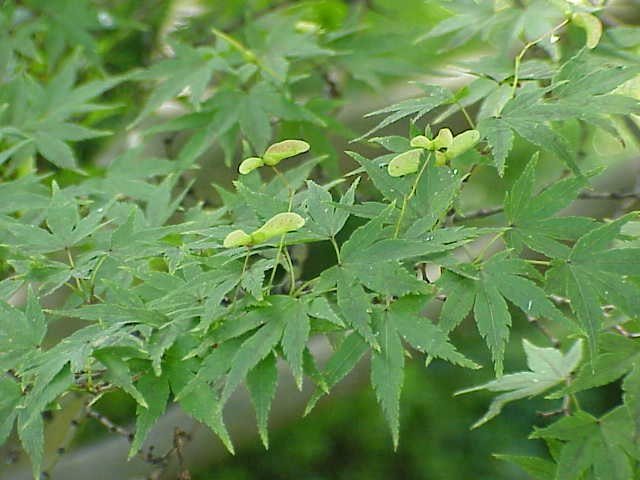
- Japanese Maple: Representative for enjoying the beauty of autumn color in a group.
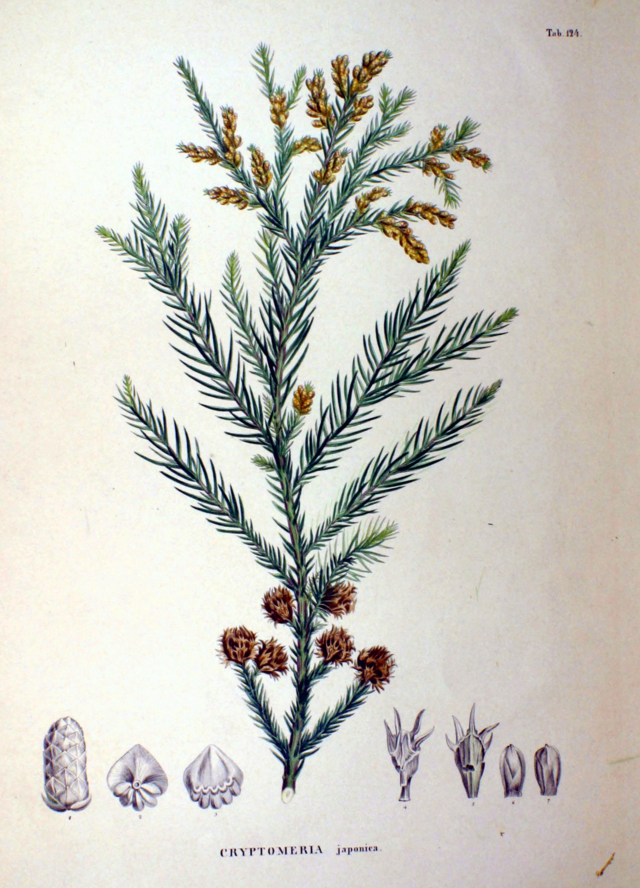
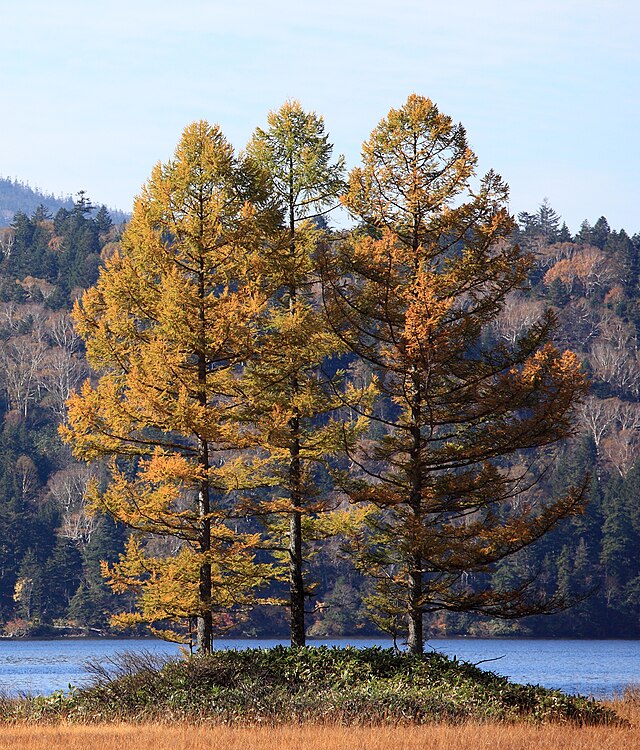
- Japanese Cedar and Larch: Their straight, well-formed trunks create a coniferous forest landscape.
- Konara Oak and Kunugi Oak: Can express the aesthetic of a mixed deciduous forest.
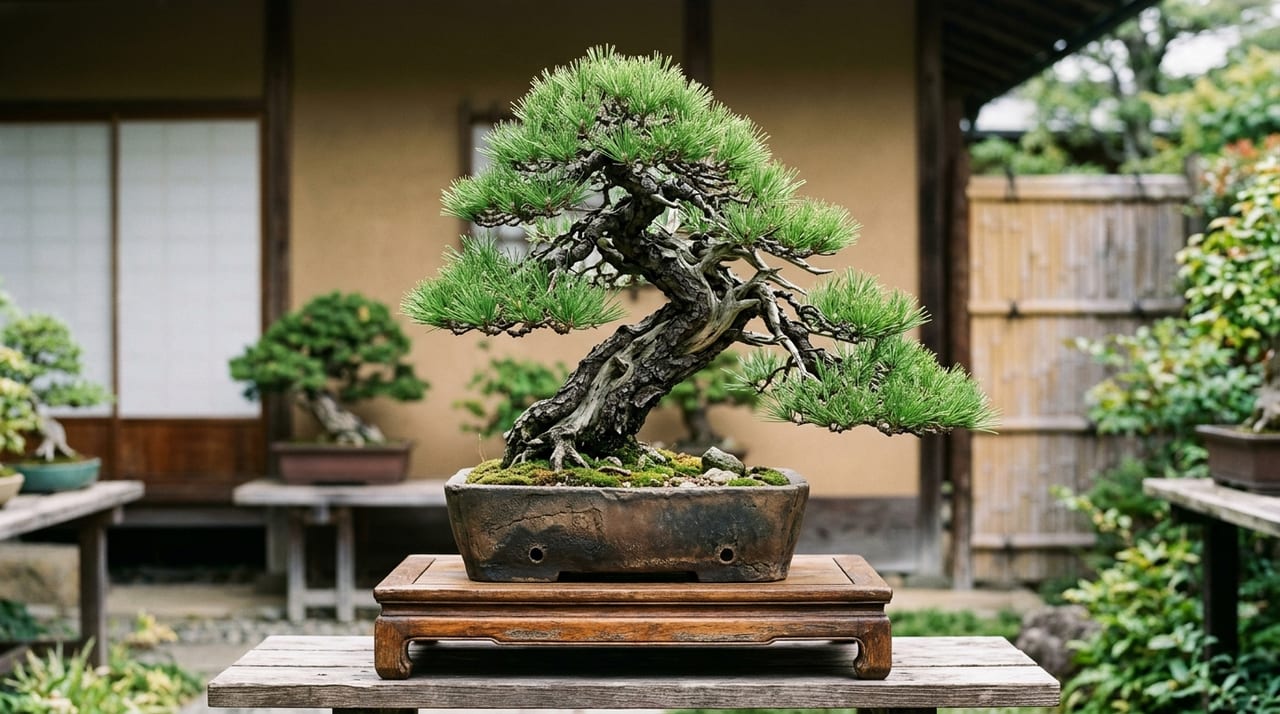
- Japanese Five-Needle Pine: Can recreate the weighty presence of a pine forest in a single pot.
Species Combinations for Mixed Group-Planting
When combining different species, having similar growing conditions is essential. If tree species with significantly different light, watering, or cold-hardiness requirements are planted in the same pot, one will inevitably weaken. Also, species with very strong individual characteristics (such as cascade style trees) should be avoided, as they tend to disrupt the harmony of the group. For those who want to first understand soil composition and repotting timing, see also Bonsai Soil Composition and Repotting Guide.
How to Create Height Variation
Simply gathering saplings of the same height does not create group-planting. By intentionally preparing two to three levels of height variation, you create a landscape with perspective. When selecting materials for group-planting at a nursery, choose with height variation in mind. Growth rates for each species can be found in Bonsai Growth Speed and Cultivation Timeline.
Practical Planting Steps
1. Prepare the Pot and Soil
Oval pots, rectangular pots, or thin slate-like stone or ceramic tiles designed for group-planting are used. Shallow pots are better than deep ones for creating a landscape with a sense of expanse. Standard bonsai soil (composed primarily of red volcanic soil) works fine.
2. Pot Mesh and Wire
Place mesh over the drainage holes and thread wire through the bottom to secure the trees. Since group-planting involves multiple trees, inadequate securing will cause movement during watering, delaying establishment.
3. Trial Arrangement
Lay a thin layer of soil in the pot and tentatively place the trees to determine their arrangement. At this stage, fully consider the position of the primary tree, the spacing with secondary and accent trees, and the sense of perspective. It is crucial to check from three directions: front, side, and top.
4. Root Work
Once the trial arrangement is finalized, remove the root ball of each tree and gently untangle any matted old roots. Since the roots of different trees will eventually intertwine in group-planting, loosening them initially makes later management easier.
5. Final Planting and Securing
Place the trees according to the finalized arrangement and securely anchor each one with the prepared wire. Fill in the soil with no gaps and use a bamboo stick to eliminate air pockets.
6. Thorough Watering and Aftercare
Immediately after planting, water thoroughly with a fine-rose watering can, repeating until the water runs clear. For the next two weeks or so, keep the plant in partial shade to allow new roots to establish.
Management Considerations
Watering Must Be "Uniform Throughout"
Because trees are densely planted in group-planting, some areas may dry quickly while recessed areas tend to become overly wet. Always water the entire pot evenly until water flows from the drainage holes.
Watch for Uneven Light Exposure
If light comes from only one direction, outer trees will grow vigorously while inner trees weaken. Regularly rotate the pot so that all trees receive even light exposure.
Pruning Prioritizes Group Balance
Trying to shape individual trees into their ideal form disrupts the balance of the entire group. View the whole arrangement as "the silhouette of one large tree" and prune to control protruding branches and prominent trunks.
Repot Every 2–3 Years
When the roots of different trees become intertwined and growth slows, it is time to repot. Since repotting group-planting is labor-intensive, plan on repotting every 2–3 years at a gradual pace. To add finishing touches to the landscape with moss and groundcover, see also Bonsai Moss Application and Groundcover Selection.
Common Mistakes and How to Avoid Them
- Too many trees, cramped appearance: It is safer to start with 3–5 trees initially.
- All trees lined up horizontally, flat appearance: Arrange trees with depth from front to back.
- Primary tree not prominent: Consciously select one noticeably thicker and taller tree, and position it near the golden section of the pot.
- Even number of trees, unstable visual center: Consider changing to an odd number.
Finding Group-Planting Materials on GrowerDirect
GrowerDirect features bonsai materials carefully cultivated by growers across the country, ranging from young saplings for group-planting to already-styled forest landscape bonsai. Material selection is such a critical step in group-planting—said to determine 70% of the finished result. On GrowerDirect, where you can purchase directly from actual growers, you can also ask sellers questions about tree characteristics and compatibility, allowing you to take that first confident step toward creating your ideal landscape.
The world of a "miniature forest" spreading within a single pot—something you cannot experience with single-tree planting. Group-planting bonsai is a profound genre that deepens the expressive power of bonsai one level further. Please find materials on GrowerDirect and experience the joy of creating a landscape with your own hands.