Outdoor Cultivation of Carnivorous Plants: A Guide to Creating a Wetland Garden
How to create a wetland garden (bog garden) for cultivating carnivorous plants in your garden. This guide explains in detail: location planning including sunlight requirements, waterproofing methods, acid soil composition and filling, selecting cold-hardy varieties that can overwinter outdoors, and a four-season management calendar.
Key Takeaways
How to create a wetland garden (bog garden) for cultivating carnivorous plants in your garden. This guide explains in detail: location planning including sunlight requirements, waterproofing methods, acid soil composition and filling, selecting cold-hardy varieties that can overwinter outdoors, and a four-season management calendar.
Related Species
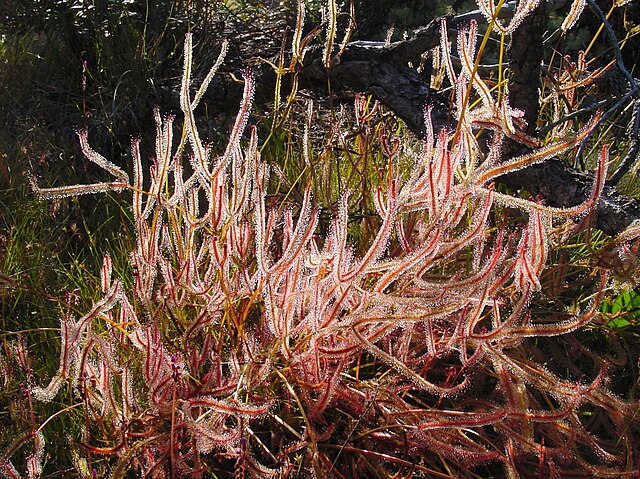
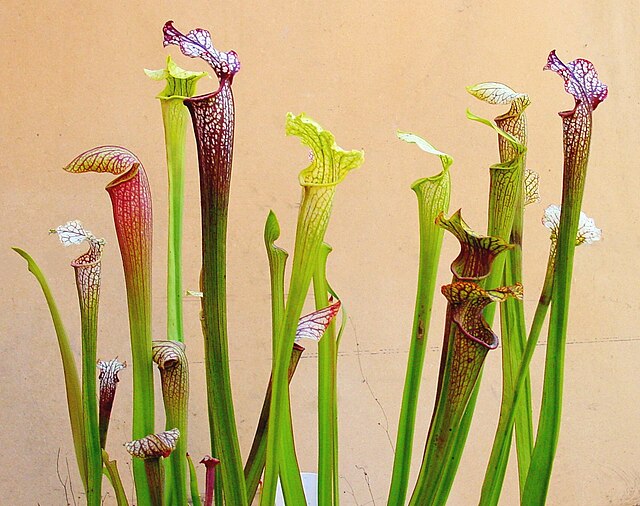
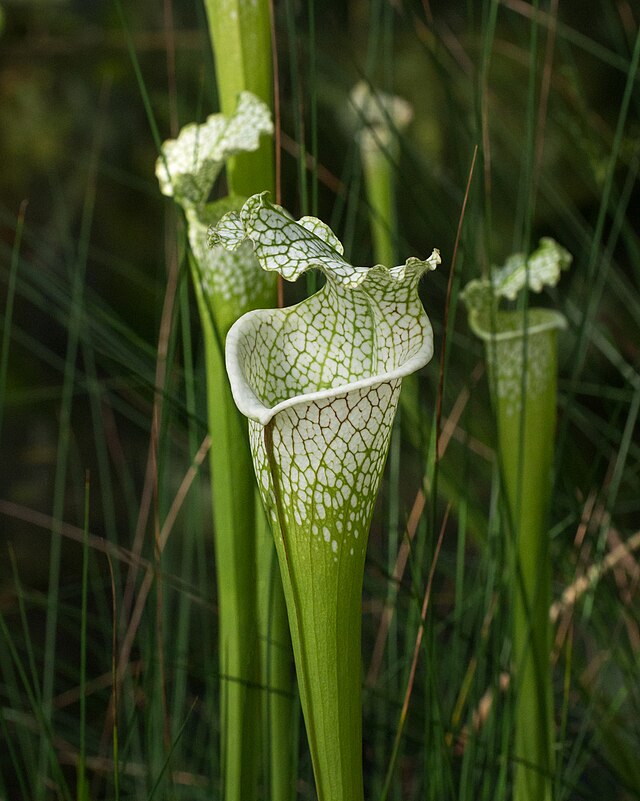
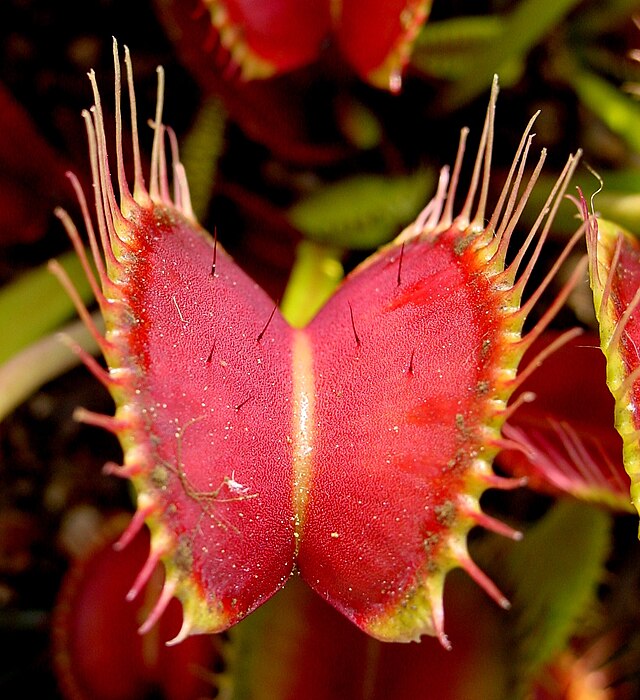
Wetland gardens (bog gardens) are gaining attention as a way to enjoy carnivorous plants in the garden. A bog garden is a cultivation method in which you fill a waterproofed section with acid soil and maintain a constantly moist state, recreating an environment close to the plant's natural habitat. Unlike container cultivation, you can enjoy a dynamic landscape, and watching carnivorous plants grow freely in their natural form is truly spectacular.
Bog Garden Design and Planning
Before creating a bog garden, plan the location and size.
- Location Selection: An ideal location receives at least 6 hours of direct sunlight daily. Since carnivorous plants require sunlight, avoid areas shaded by buildings or trees
- Scale Guidelines: You can build one starting from around 60 cm × 60 cm minimum. For beginners, around 90 cm × 60 cm is easiest to manage. As you gain experience, you can expand it
- Depth: A depth of around 30–45 cm is sufficient. For species with deep roots, such as Sarracenia, make it somewhat deeper
- Relationship to Ground Level: An in-ground type looks most natural. However, if you're installing it on a balcony or hard ground, a "raised-bed type" using wooden frames or planters also works well
- Securing a Water Source: Since water-level management is the basic approach, having a nearby water tap or rain collection tank is convenient. Installing an automated watering system makes management even easier
- Considering Drainage: For peace of mind, install an overflow drain to prevent water from overflowing during heavy rain
Drawing a design and keeping an image of the finished result in mind will help the work proceed smoothly.
Waterproofing Methods
The core of a bog garden is waterproofing. Creating a structure that retains water while maintaining an appropriate water level.
- Pond Liner (Waterproof Sheet): The most common method. EPDM (ethylene propylene rubber) liners offer excellent durability. PVC liners are more affordable but degrade somewhat faster under UV light
- Installation Steps: Dig a hole → level the bottom and sides → lay a protective mat (non-woven fabric) → install the waterproof liner → fold back and secure excess liner
- Using Plastic Containers: There's also a simpler method of embedding large plastic containers (concrete mixing troughs). No waterproofing needed, making it easy to start
- Overflow Hole: Drill a small hole 5–10 cm below the water surface and install a drainage pipe. This prevents the water level from rising too much during heavy rain
- Installing Dividers: If planting varieties with different water-level requirements in the same bog garden, you can also install internal dividers to separate water levels
If the waterproof liner develops a hole, the bog garden's function is lost, so it's important to remove sharp stones and roots during installation and lay the protective mat firmly.
Soil Composition and Filling
The soil used in a bog garden is nutrient-free acidic soil suitable for carnivorous plant growth.
- Basic Composition: Use peat moss (unamended, acidic) as the base, mixed with 20–30% perlite. This is the most standard composition
- Using Sand: Mixing horticultural washed sand (without lime) increases soil stability. River sand or silica sand are suitable
- Preparing Peat Moss: Dried peat moss doesn't absorb water easily, so soak it thoroughly in a bucket beforehand. Add water gradually while working it by hand for uniform wetting
- Layering and Filling: Lay a drainage layer of large-grain perlite or hydroton around 5 cm thick at the bottom, then fill with soil above it
- Amount of Soil: For a 90 cm × 60 cm × 30 cm bog garden, approximately 160 liters of soil is needed. Since peat moss is compressed, calculate purchase quantity accounting for volume expansion
- Checking pH: Ideal soil pH is 4.5–5.5. Be careful not to mix in lime-containing materials, as they raise pH
Since soil degrades in 2–3 years, periodic partial replacement is necessary. Full replacement damages plants significantly, so the realistic approach is to rotate and replace one-third annually.
Selecting Cold-Hardy Varieties
When selecting varieties to plant in a bog garden, focus on cold-hardy species that can survive Japanese winters outdoors.
- Sarracenia (all species): Nearly all species can overwinter outdoors south of the Kanto region. Purpurea in particular withstands extreme cold. Ideal as the centerpiece of a bog garden
- Venus Flytrap (Dionaea): Cold-hardy. In winter, the above-ground parts die back and the plant goes dormant, but it revives in spring. Good for placing in the foreground of a bog garden
- Temperate Drosera: Species like Rotundifolia (native to Japan), Filiformis, and Intermedia can overwinter outdoors. They add color to a bog garden
- Drosera binata: A large species native to southeastern Australia and New Zealand. Tolerates down to around −5°C. Grows into an impressive plant
- Temperate Pinguicula (Butterwort): Temperate species like Vulgaris suit bog gardens. Small purple flowers are beautiful
- Varieties to Avoid: Nepenthes (Pitcher Plants), tropical Drosera, and Cephalotus lack cold-hardiness and are unsuitable for bog gardens
For an attractive three-dimensional landscape, place tall Sarracenia at the back, medium-sized Binata and Venus Flytraps in the center, and small Drosera and Pinguicula in the foreground.
Four-Season Management Calendar
Let's understand the annual management flow for your bog garden.
- Spring (March–May): The season when new growth emerges. Clean up dead leaves and divide or repot plants as needed. Return water level to normal. Remove weed seedlings early
- Summer (June–August): Peak growth season. Watch for water level drop and water morning and evening as needed. Consider shade netting during prolonged heat waves. Peak time for Sarracenia's most beautiful pitchers
- Autumn (September–November): Beautiful season when Sarracenia leucophylla produces fall pitchers. Begin lowering water level toward winter. This is the time to collect seeds
- Winter (December–February): Dormant season. Above-ground parts die, but roots live. Maintain moisture without keeping water constantly present. Snow acts as natural insulation, so no need to remove it forcefully
- Year-Round Notes: Remove weeds regularly. Peat moss offers no resistance to weed seeds, so early removal is important. Check periodically for algae growth
Sourcing Quality Seedlings Direct from Growers
Bog garden success begins with planting healthy, robust seedlings. Especially with Sarracenia hybrids, the difference between high-quality plants and others is significant, so obtaining them from a trusted grower is important. On GrowerDirect, you can purchase plants directly from growers, and you can also message the seller with questions about variety characteristics and bog garden management. Why not create a magnificent bog garden with plants you've brought home directly from the grower?