The Complete Guide to Caudex Plant Events & Markets | How to Enjoy Plant Fairs & Exhibitions and Find Rare Specimens
A comprehensive guide to caudex plant sales events, exhibitions, and online markets—covering types of events, how to enjoy them, how to acquire rare specimens, and how to prepare for attending. Includes tips on connecting with collectors.
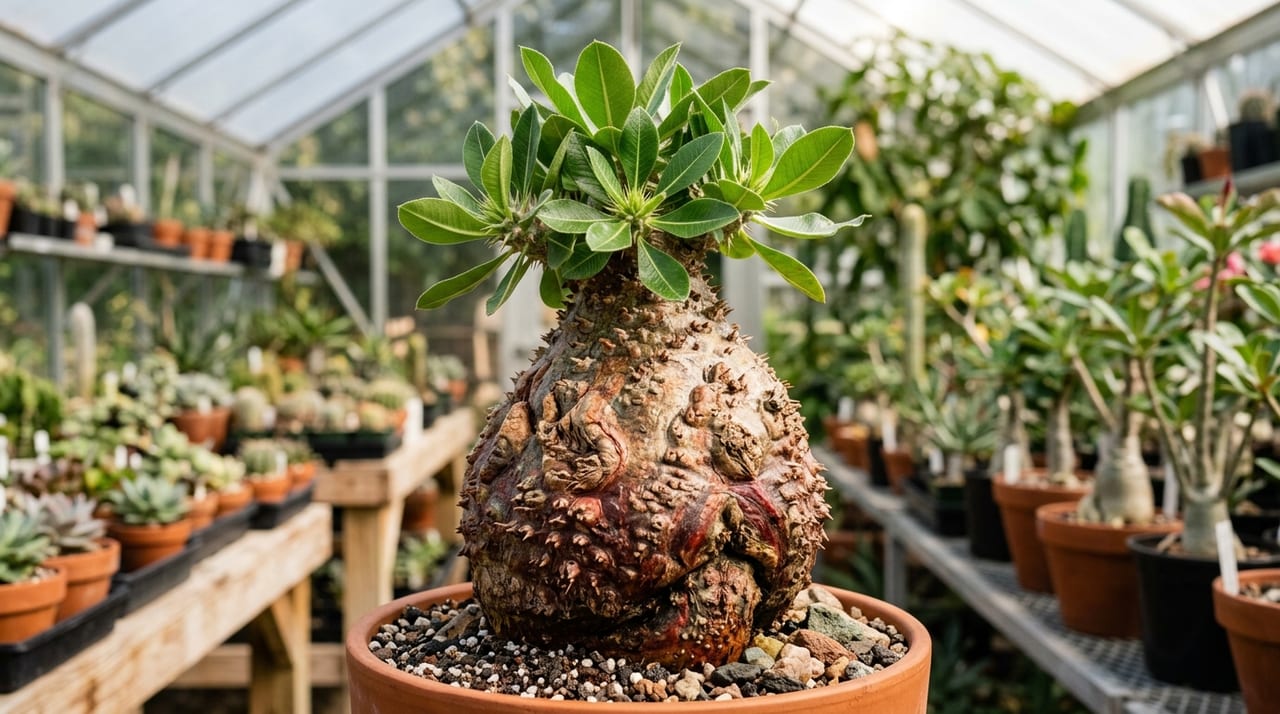
Key Takeaways
A comprehensive guide to caudex plant sales events, exhibitions, and online markets—covering types of events, how to enjoy them, how to acquire rare specimens, and how to prepare for attending. Includes tips on connecting with collectors.
Related Species

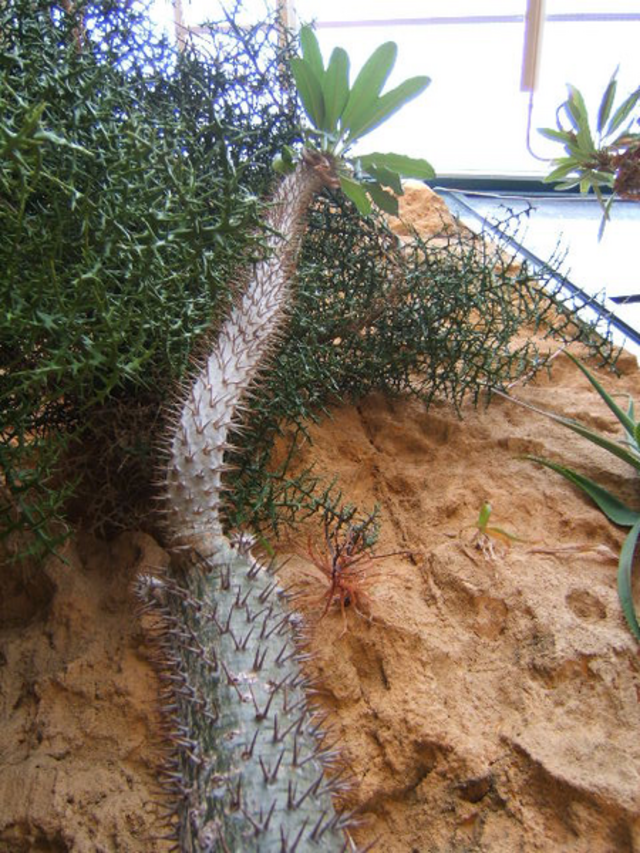
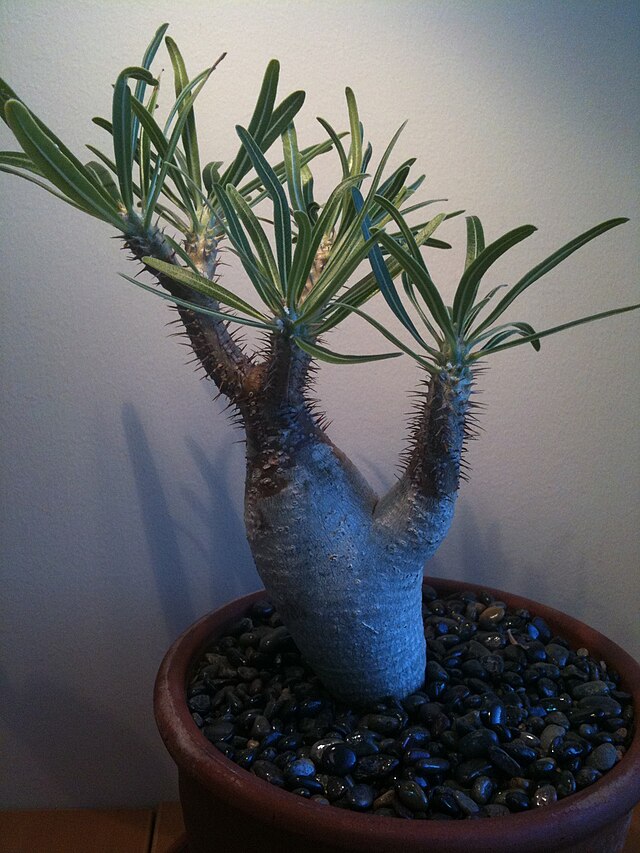
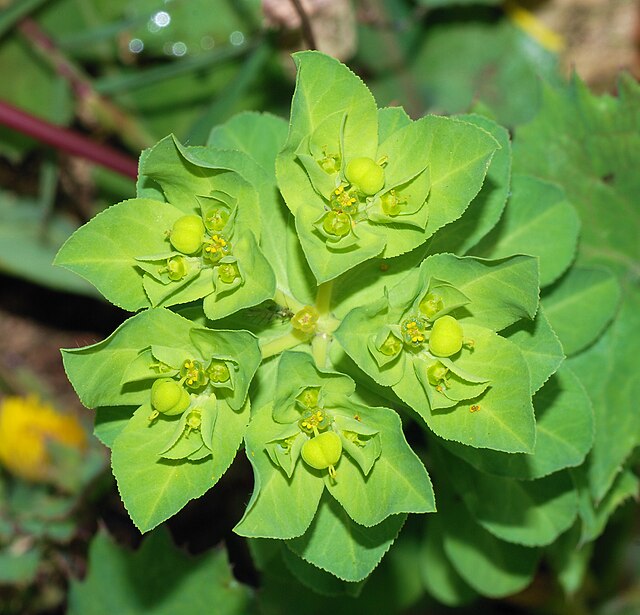
What Are Caudex Plant Events? — Where Passion Thrives
As caudex plants have surged in popularity, plant sales events, exhibitions, and markets have been held throughout the country. While these events go by various names—"Caudex Fest," "Succulent Plant Markets," "Rare Plant Sales"—they all share one common feature: displays of specimens you'd never find at an ordinary garden center.
Event formats range from small flea-market-style sales to large exhibitions with dozens of vendors. Throughout the year, events are held primarily in Tokyo, Osaka, and Nagoya, and when announcements spread on social media, it's not uncommon for venues to fill to capacity in just a few hours. For caudex plant enthusiasts, these events are far more than just shopping opportunities—they're community celebrations where growers, collectors, and passionate aficionados come together.
Types of Events and Their Characteristics
Specialty Sales Events (Caudex-Focused)
Sales events specializing in caudex and succulent plants, such as Adeniums (Desert Roses), Pachypodiums, Euphorbias, and Dioscoreas. Vendors include domestic growers, importers, and private collectors. These events typically feature specimens available nowhere else—seedlings or plants officially imported from overseas with CITES documentation. Popular species like Pachypodium gracilius tend to sell out quickly after doors open, making early arrival essential for serious buyers.
Prices range from a few thousand yen for beginner plants to hundreds of thousands of yen for large rare specimens. "Lines form before doors open, and star specimens sell out in five minutes" is the norm at specialty events, so if you're targeting a specific plant, be prepared to arrive 30 to 60 minutes before opening time.
Mixed Succulent & Cactus Markets
Broad-based markets featuring all types of succulents, cacti, agaves, and more—not just caudex plants. Their wide range makes it easier for beginners to find starter plants, but rare caudex specimens may be scarce, potentially disappointing advanced collectors hunting for rarities.
International Orchid & Plant Fairs
Large-scale plant exhibitions held each spring (at venues like the Tokyo Dome or Makuhari Messe) sometimes feature caudex sections. Since growers exhibit directly, you can get cultivation advice in person—the major advantage. Prices tend to be set somewhat higher than at other events.
Flea Markets & Community Events
Flea-market format where plant enthusiasts bring specimens from their own collections. Prices vary by vendor, and bargains can be found, but verifying plant condition and provenance is your responsibility. Checking a seller's social media reputation beforehand provides peace of mind.
Preparing for an Event — What to Do Before You Go
1. Instagram & X (formerly Twitter) Are Your Fastest Information Sources
Domestic caudex plant events are announced on Instagram and X. Following hashtags like #caudex-event #caudex-sales #succulent-market helps you stay informed. Following event organizer accounts directly is the surest way not to miss announcements.
2. Make a List of Desired Genera & Species in Advance
It's easy to get caught up in the excitement and make impulse purchases. Decide in advance which genera you must acquire and set a budget cap. This helps prevent buyer's remorse.
3. What to Bring
- Cash (many vendors don't accept cards)
- Protective bubble wrap or newspaper (to protect roots when carrying plants)
- Cardboard boxes or trays (for transporting multiple plants)
- Bring a tote bag or handled bag rather than a backpack, as recently watered plants are heavy
4. Familiarize Yourself with Plant Quarantine Requirements
Overseas-sourced plants may include species listed in CITES (Convention on International Trade in Endangered Species) appendices. Legitimate imports come with import permits, but purchasing or possessing specimens without proper documentation is legally risky. Make it a habit to ask vendors, "Do you have CITES documentation?"
Strategy at the Venue — How to Secure Rare Specimens
Study the Floor Plan Before the Venue Opens
Large events often release booth layouts in advance. Identify your target vendors beforehand so you can head straight for them when doors open—this is the basic tactic for securing rare specimens.
Make Multiple Passes Before Deciding
Ideally, do a first pass to get an overview, then negotiate and purchase on a second pass. If you buy immediately on the first circuit, you may regret it when you find a better specimen later. However, star plants do disappear within minutes, so decisive judgment when you spot what you want is equally important.
Talk to Growers & Vendors
The greatest pleasure of these events is hearing growers' stories directly. Asking questions like "How many years has this seedling been growing?" "Is this a wild-collected specimen or home-propagated?" and "Any seasonal care tips?" helps you understand the plant's background. Vendors who take time to answer thoughtfully typically provide good after-sales support too.
Pricing Etiquette
Negotiation customs vary by venue. Asking about "bundle discounts" for multiple purchases is common, but demanding steep discounts outright is frowned upon. Building a good relationship with vendors means they'll remember you at future events and may show you specimens not displayed publicly.
Post-Event Care — Keeping Your New Plants Alive
Plants purchased at events are vulnerable to transport stress and environmental shock. Pay attention to these points immediately after purchase.
Don't rush to repot: Bare-root or freshly transported plants tempt you to repot immediately, but let them rest in their original soil in bright shade for 1–2 weeks first. Replanting damaged roots in fresh soil delays recovery.
Water sparingly: Plants may have suffered moisture stress during transport, so hold back on watering for the first week and ensure good air circulation.
Quarantine new arrivals: Keep newly purchased plants in a separate location for 2–4 weeks to prevent pests and diseases from infecting your existing collection. Visually inspect for scale insects and spider mites.
Keep purchase records: Document the plant's scientific name, purchase date, price, and vendor. This becomes useful for future reference and resale information.
Online Markets vs. In-Person Events
Recently, caudex plants are actively traded online via Instagram Live sales and platforms like Mercari and Yahoo Auctions. However, in-person events offer a decisive advantage:
At events, you can directly inspect root condition, plant weight, caudex development, and any damage or rot. This real-world information, impossible to convey in photos, is the biggest advantage. Online markets excel at information gathering on rare species and price discovery. Using both strategically leads to smarter plant selection.
Caudex plant events are not just about the plants themselves—they're places to meet people who share your passion. Cherish the connection with each plant you bring home, and be sure to experience the energy in person.