Caudex Plant Dormancy Management Guide | From Leaf Drop to Spring Awakening
A detailed guide to managing caudex plants during dormancy. Covers dormancy signs, the transition from leaf drop to water cessation, winter storage location and temperature management, and the timing of spring awakening and watering resumption.
Key Takeaways
A detailed guide to managing caudex plants during dormancy. Covers dormancy signs, the transition from leaf drop to water cessation, winter storage location and temperature management, and the timing of spring awakening and watering resumption.
Related Species
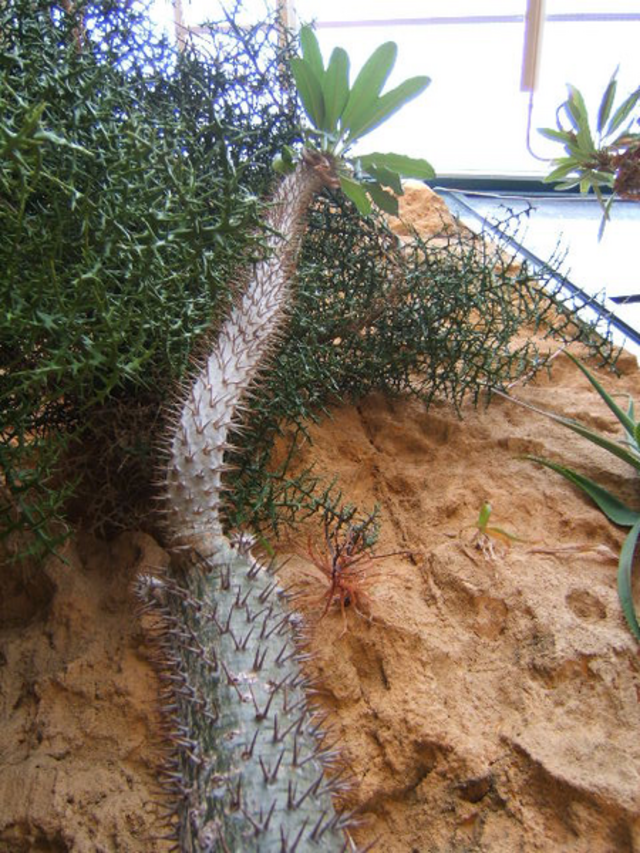
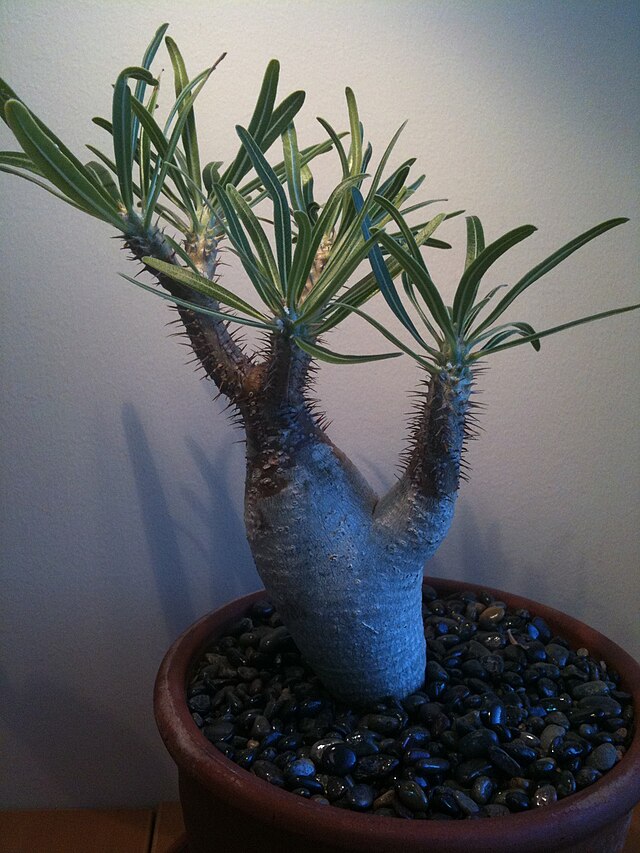
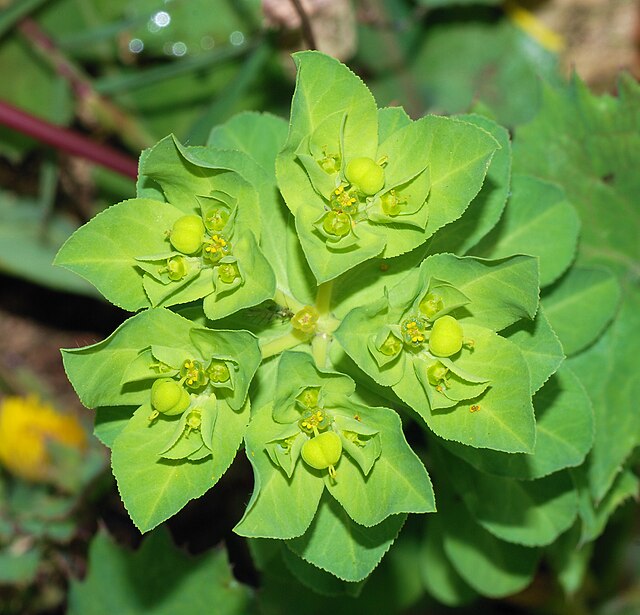
Most caudex plants shed their leaves in autumn and enter a period of dormancy until spring. Managing this dormant period is the most important and most failure-prone aspect of caudex plant cultivation. Improper watering during dormancy can lead to root rot and loss of valuable plants, so correct knowledge and experience are essential.
What is Dormancy in Caudex Plants
Dormancy is a survival strategy in which plants stop growing and minimize energy consumption in response to lowered temperatures and reduced daylight hours. It corresponds to the dry season in Madagascar and southern Africa, during which the plant survives winter using water and nutrients stored in its caudex.
Caudex plants are broadly divided into "summer-type" and "winter-type," with different dormancy timing.
Summer-type (dormant in winter) This includes most Pachypodium, Adenium, Operculicarya, and Euphorbia species. In Japan, they begin shedding leaves around October, with November to March being the dormancy period.
Winter-type (dormant in summer) This includes some Tylecodon, Sarcocaulon, and Pelargonium species. In Japan, they begin shedding leaves around June, with July to September being the dormancy period.
Don't Miss the Signs of Entering Dormancy
The transition to dormancy occurs gradually. Watch for the following signs.
Onset of leaf drop Leaves begin to yellow and gradually fall, starting from the lower leaves. In Pachypodium, leaves turn yellow in autumn and drop one by one. This is not a disease but a natural transition to dormancy. There is no need to panic and increase watering or move the plant indoors.
Reduced water uptake During the growing season, soil would dry quickly after a few days, but now soil remains moist for extended periods after watering. This is a sign that root activity has declined and is the time to extend watering intervals.
Growth cessation New leaf emergence stops and branch extension ceases.
Watering Management During Dormancy
Watering during dormancy is the most debated aspect of caudex plant management. There are two main schools of thought: "complete water cessation" and "minimal watering," each with its own merits and risks.
Complete water cessation approach During dormancy, roots do not absorb water, so watering leaves the soil moist and increases the risk of root rot. Many growers manage Pachypodium gracilius and similar species with complete water cessation. The dry period lasts approximately five months from November through March, during which no water is given at all.
Minimal watering approach Some believe that complete water cessation causes fine roots to die, delaying spring awakening. This method involves misting the base of the plant lightly once a month or giving a small amount of water on cloudy days to prevent complete root death.
Recommendation for beginners For beginners, "mostly water cessation with minimal watering once a month" is recommended. On warm, sunny mornings, water the base of the plant with about half a cup of water, allowing it to dry quickly. When watering in winter, err on the side of too little rather than too much, and when in doubt, skip watering—this approach carries less risk.
Winter Storage Location and Temperature Management
Temperature guidelines It is safest to maintain a minimum of 10°C for summer-type caudex plants in winter. Pachypodium and Adenium prefer 15°C or higher, though some individuals can tolerate temperatures as low as 8°C when kept completely dry. However, for safety, do not allow temperatures to drop below 10°C.
Storage location Place plants on a sunny windowsill indoors as the basic guideline. However, since windowsills cool down at night, if temperatures drop below 10°C, move the plants away from the window or insulate them by surrounding them with cardboard. A heated room is ideal, but avoid locations where warm air from the air conditioner blows directly on the plants, as this causes excessive drying.
Using grow lights Even during dormancy, avoid complete darkness. If storing plants in a room without windows, use a grow light for about 6 to 8 hours per day to provide minimum light.
Spring Awakening and Resuming Watering
As spring arrives, plants wake from dormancy and resume growth. The timing of awakening varies by species and environment, but late March through April is typical.
Signs of awakening Small buds begin to swell at the branch tips. In Pachypodium, the appearance of green new shoots at the branch tips signals awakening.
How to resume watering Once you confirm signs of awakening, gradually resume watering with small amounts. Keep the first watering to about one cup and wait a week to confirm the soil dries before the next watering. Giving large amounts of water at once can damage roots weakened by dormancy. Over 2 to 3 weeks, gradually increase the amount and frequency of watering, and return to normal watering once multiple new leaves have emerged.
Caution Avoid watering before buds appear. Even if it becomes warmer, watering prematurely risks rotting roots that are not yet active. Always confirm signs of awakening before resuming watering.
Dormancy Troubles and Solutions
Caudex shrinking It is normal for the caudex to become slightly soft or develop minor wrinkles during dormancy. This occurs because stored water is being consumed; the caudex will regain its fullness once watering resumes in spring. However, if the caudex becomes extremely shriveled and mushy, this may indicate root rot and warrants attention.
Mold growth If plants are stored in a humid location with poor air circulation, mold may develop on the base or soil surface. Remove the mold and move the plant to a well-ventilated location.
Practical Checklist for Successful Winter Survival
To ensure successful winter survival, use the following checklist.
October preparations
- Secure indoor space for less cold-hardy varieties
- Prepare frost protection materials (nonwoven fabric, mulch)
- Begin gradually reducing watering frequency
- Apply final fertilizer (no fertilizing until spring)
November to December management
- Place indoor plants on sunny windowsills
- Choose locations where heating vents do not blow directly
- Reduce watering to about once or twice per month
- Watch frost forecasts for outdoor plants and protect as needed
January to February management
- The coldest period: ensure room temperature does not drop below 5°C
- Minimize watering and maintain a dry-leaning soil
- Interior heating causes drying, so mist leaves for additional humidity
- Plan for repotting in preparation for spring growth resumption
The most important factor in winter survival is "not being overprotective." If the room is too warm and watering is excessive, plants will fail to enter dormancy, become leggy, and weaken. During winter, manage plants with three elements in mind: dryness, coolness, and sunlight.
Get Dormancy Management Advice from GrowerDirect
GrowerDirect allows you to purchase plants from experienced growers of caudex plants and receive concrete advice on dormancy management. If this is your first time overwintering caudex plants, consult with growers on GrowerDirect.