Caudex Plant Import Regulation Guide | Basic Knowledge of CITES and Plant Quarantine
An explanation of the basic knowledge of CITES (Washington Convention) and the plant quarantine system related to caudex plant imports. This guide clearly summarizes the regulated species, procedures for legitimate imports, and key points to verify when purchasing.
Key Takeaways
An explanation of the basic knowledge of CITES (Washington Convention) and the plant quarantine system related to caudex plant imports. This guide clearly summarizes the regulated species, procedures for legitimate imports, and key points to verify when purchasing.
Related Species
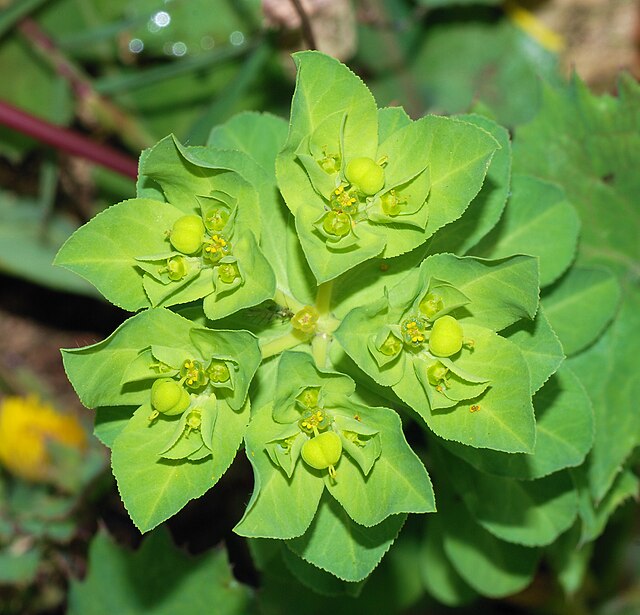
Many caudex plants grow naturally only in strictly limited regions across the globe — Madagascar, South Africa, the Arabian Peninsula, and similar areas. While their unique forms have made them beloved among enthusiasts worldwide, the unregulated poaching of wild specimens has become a serious problem. Against this background, international trade regulations and Japan's own plant quarantine system have been established. When purchasing or importing caudex plants, knowledge of these systems is essential. This article explains everything from how CITES (Washington Convention) works to plant quarantine procedures and how to identify legitimate products — in language accessible to beginners.
What is CITES? | Basics of the Washington Convention
CITES (pronounced "sigh-tees") stands for "Convention on International Trade in Endangered Species of Wild Fauna and Flora." In Japanese it is called the "Treaty on International Trade in Endangered Wild Animals and Plants," and is commonly known as the Washington Convention. It came into force in 1975, and today over 180 countries and territories are signatories to this international treaty.
Regulated species are classified into three appendices based on the strictness of the restrictions:
- Appendix I: Species at high risk of extinction. International trade for commercial purposes is prohibited in principle. Export and import both require permits, except for academic purposes and similar exceptions.
- Appendix II: Species that are not necessarily endangered at present, but that would face future extinction risk if trade were not regulated. International trade is permitted if the exporting country's government issues an export permit (CITES permit).
- Appendix III: Species that a specific country has requested be listed for the purpose of protecting them within its borders. Export from that country requires a certificate.
Most caudex plants fall under Appendix II. While trade itself is not prohibited, importing these plants without proper documentation is illegal and can result in confiscation by customs authorities and legal penalties.
Main Caudex Plant Species Subject to Regulation
Many of the most popular genera in the caudex plant world are subject to CITES regulation. Before purchasing or importing, check which appendix your target species belongs to.
Pachypodium Genus (Pachypodium)
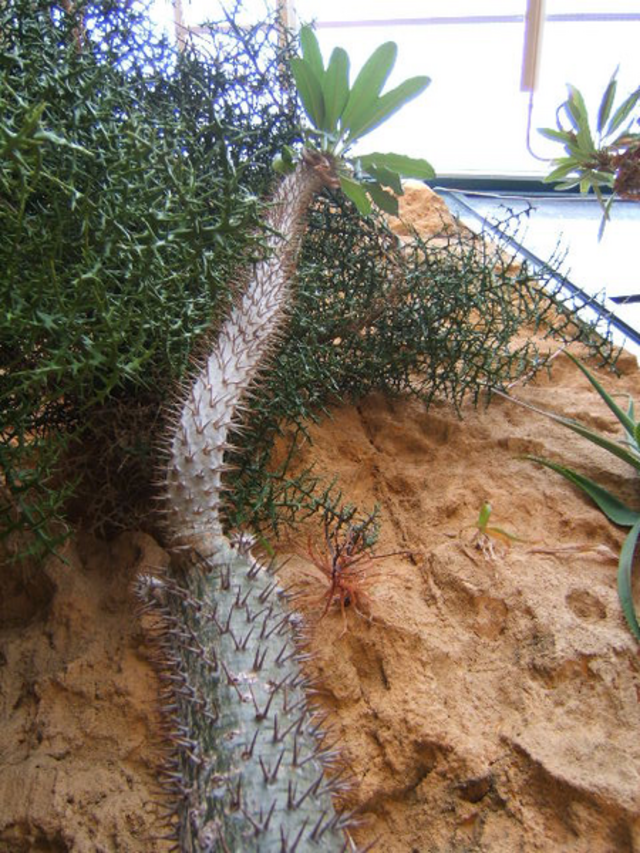
The Pachypodium genus, sometimes called "king of caudex plants," includes mostly Appendix II species, but four species — P. ambongense, baronii, decaryi, and windsorii — are listed under Appendix I. Popular varieties such as graciliflorum (Pachypodium rosulatum var. gracilius), brevicaule, baronii, and lamerei are all regulated. Exports from Madagascar, their primary native region, require a CITES permit issued by the Malagasy government.
Euphorbia Genus (Euphorbia)
The Euphorbia genus includes an extremely diverse range of species, many of which are listed under Appendix II. Popular caudex and succulent species such as obesa, stenoclada, and lactea are included. However, Appendix II regulation applies only to succulent species within this genus (with some exceptions such as Euphorbia miscella), and common herbaceous euphorbias are not regulated.
Operculicarya Genus (Operculicarya)
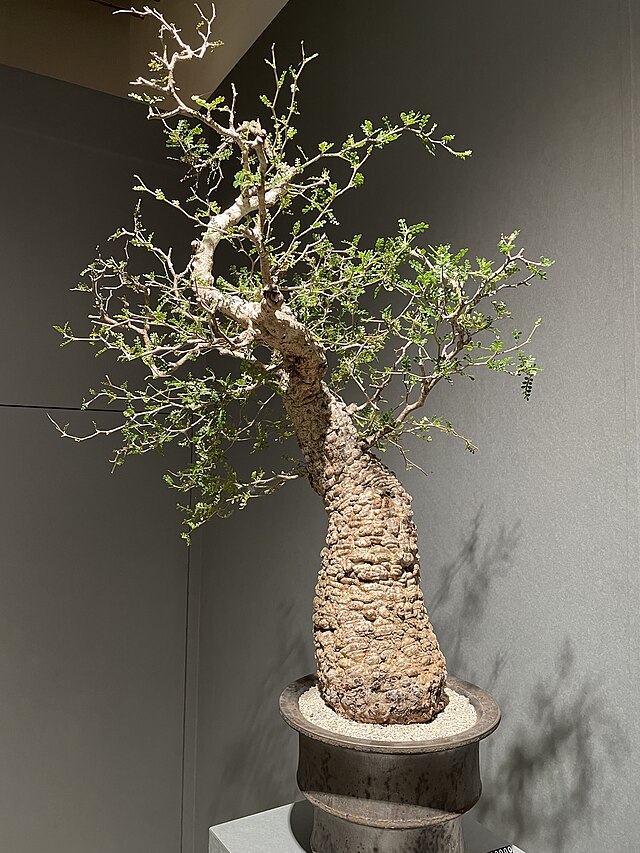
In recent years, Operculicarya pachypus and other major species of this genus have seen rapidly growing popularity and are designated as Appendix II. Limited supply has driven prices higher, which in turn increases the risk of illegal imports from this genus.
Major Genera Not Subject to Regulation
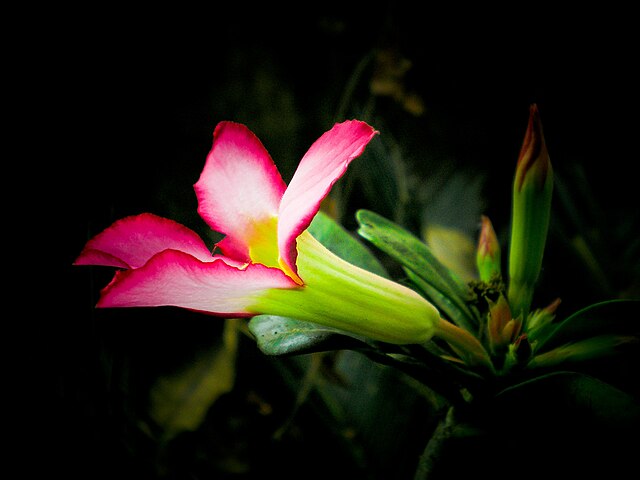
Many species of Adenium (desert rose) and Dioscorea (elephant's foot) are not currently subject to CITES. However, some countries have established their own domestic regulations, so it is important to verify the latest information before importing. CITES appendices are revised regularly, and there is a possibility that additional species may be added to the regulated list in the future.
Overview of the Plant Quarantine System | Procedures Separate from CITES
Even if you have all the necessary CITES permits, that alone does not guarantee permission to bring plants into Japan. A separate plant quarantine procedure under the Plant Protection Law is also required. This system prevents pests and diseases from foreign plants from being introduced into Japanese agriculture and ecosystems.
Required Documents and Procedures for Import
When importing plants from overseas, the following steps are necessary:
- Obtain a phytosanitary certificate: A certificate issued by the government agency of the exporting country certifying that the plant has been inspected for pests and diseases.
- Remove soil (bare root state): Plants with soil attached are generally prohibited from import. Caudex plants are imported in a "bare root" state, with roots completely cleaned of soil.
- Quarantine inspection upon arrival: At major airports and ports such as Narita and Kansai, plants are inspected for pests and diseases at the plant quarantine station. If no problems are found, an approval stamp is affixed, and the plant may then be brought into the country.
Importing bare root plants is a major stress on the plant. After import, appropriate recovery care is necessary, and there is risk of failure in the re-rooting process. Understand that imported plants require more difficult care compared to domestically propagated seedlings.
How to Identify Legitimate Imported Products and Precautions When Purchasing
Unfortunately, the caudex plant market is not without cases where individuals that have not been through proper procedures are in circulation. To avoid purchase risks, verify the following points.
Check Documentation
Legitimate imported products always come with a copy of the CITES export permit and the plant quarantine approval certificate. Trustworthy dealers and growers properly maintain these documents and will present them upon request. Avoid purchasing from sellers who refuse to show documents or give vague answers.
Assess Price Reasonableness
Legal imports involve permit acquisition fees, quarantine costs, and shipping expenses. Wild-collected specimens (field-collected plants) that are markedly cheaper than the market rate should be suspected as illegally imported. Trust your instinct when something seems "too cheap."
The Domestically Propagated Seedling Option
Seedlings propagated from seed grown domestically in Japan do not require CITES certificates. Additionally, because they have been cultivated to thrive in Japan's climate, they are easier to care for and represent a very reliable sourcing channel. Domestically propagated seedlings that have been cross-bred and selected by Japanese growers offer the added pleasure of enjoying individual variation in form and characteristics.
GrowerDirect's Safe and Secure System
GrowerDirect is a platform where domestic growers can sell caudex plants that they have cultivated themselves. Because the platform focuses primarily on domestically propagated seedlings, CITES-related procedures are not required, and you can purchase with confidence and without legal risk.
Each grower clearly documents the provenance of their plants, and in cases of imported stock, you can verify in their profile or product description that the specimen has passed through legitimate documentation. If you have any questions before purchasing, you can also message the grower directly. Growers with specialized knowledge will patiently explain regulations and care methods for caudex plants.
While respecting the law, take your first step into the world of caudex plants with confidence from a trustworthy grower. Your perfect specimen is surely waiting.