Outdoor Summer Cultivation Guide for Succulent Plants (Caudex) | Utilizing Rain Exposure and Direct Sunlight with Cautions
A comprehensive guide to outdoor management from the end of the rainy season through autumn. A practical guide to skillfully utilizing direct sunlight, rain exposure, and air circulation to develop strong, thick caudexes.
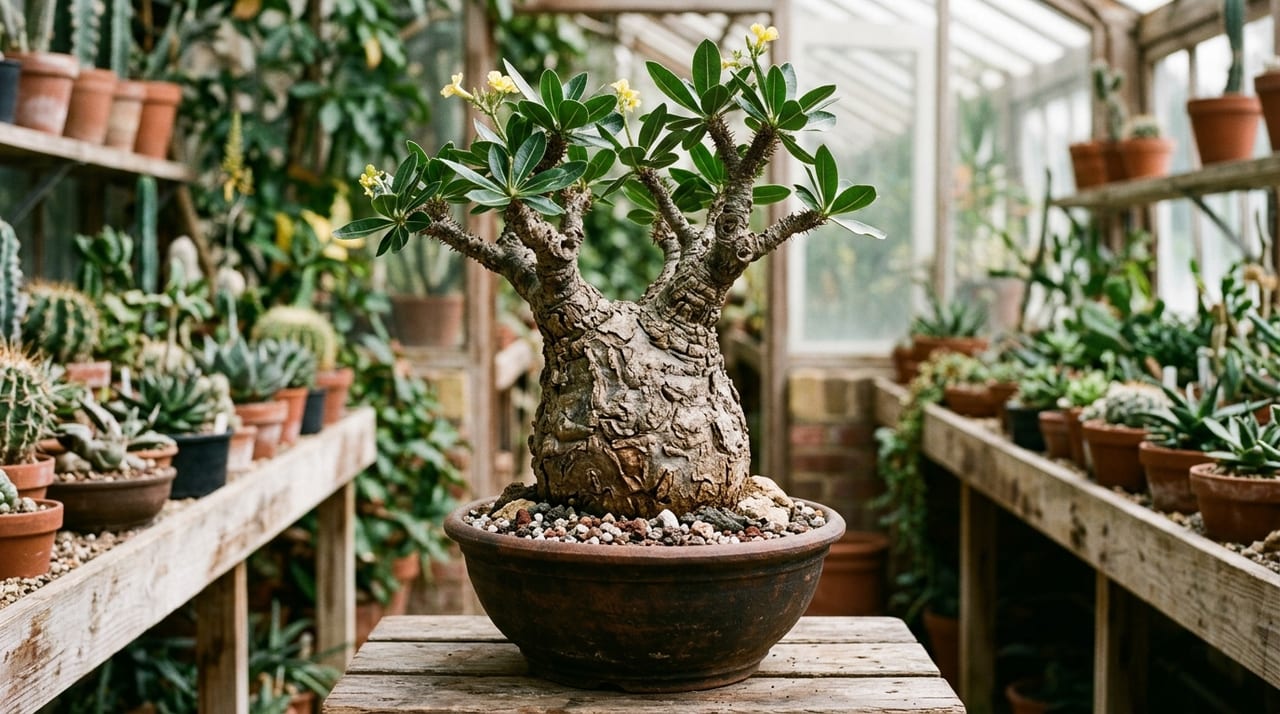
Key Takeaways
A comprehensive guide to outdoor management from the end of the rainy season through autumn. A practical guide to skillfully utilizing direct sunlight, rain exposure, and air circulation to develop strong, thick caudexes.
Related Species
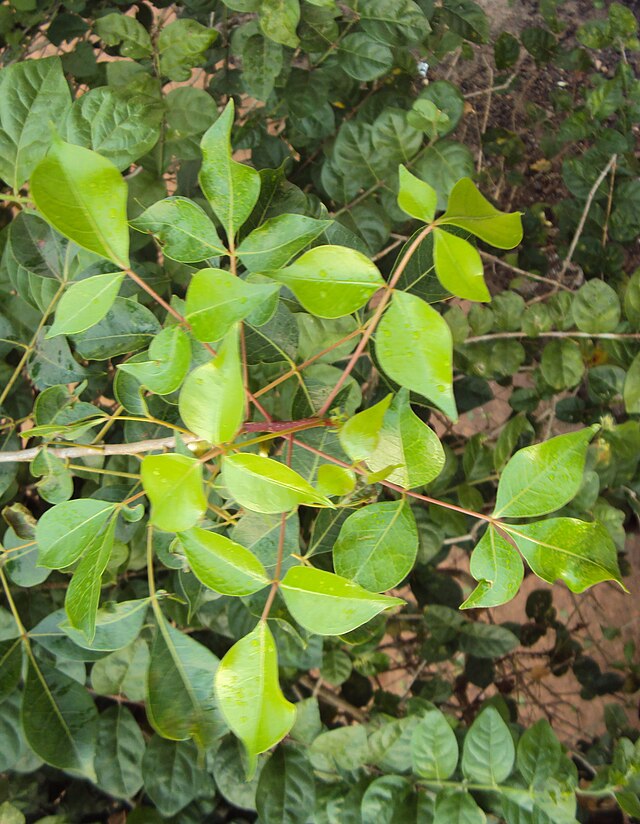
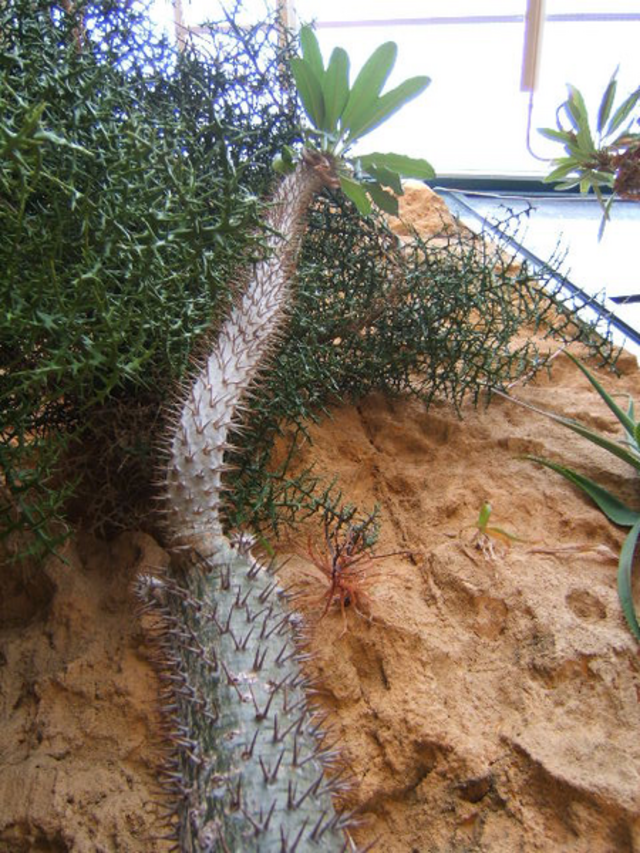
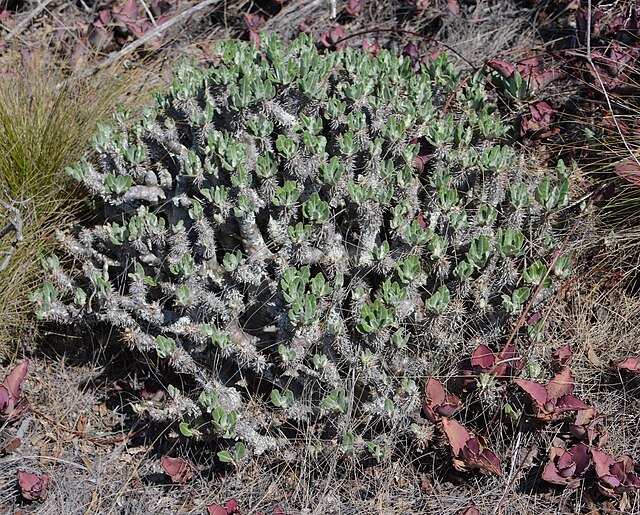
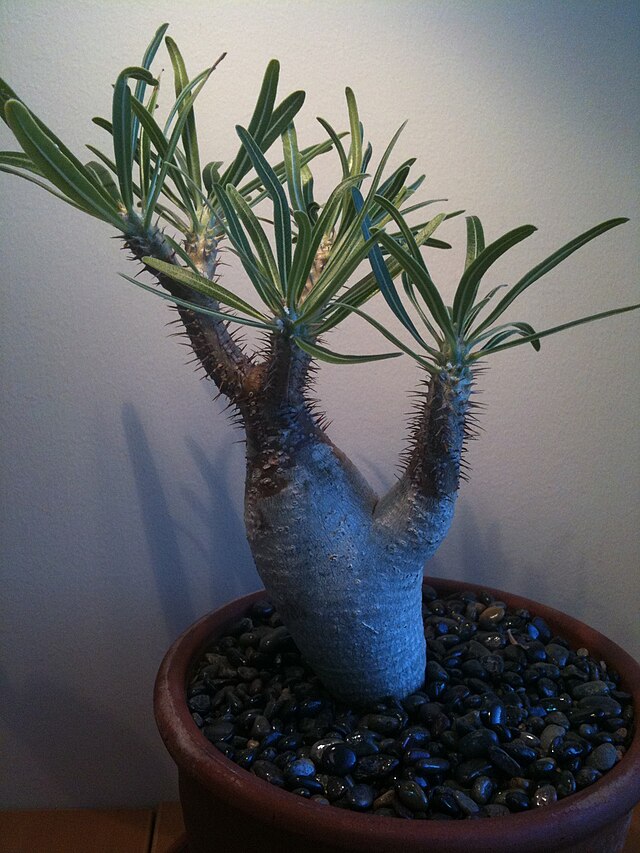
Most succulent plants (caudex) originate from regions with abundant sunlight, such as Madagascar, South Africa, and Central and South America. Japan's summers are hot and humid, differing from their native habitats, but cultivation utilizing direct outdoor sunlight is an excellent opportunity to develop vigorous plants.
Many growers face the problem of "the caudex not thickening despite careful indoor cultivation" or "leaves elongating with excessive etiolation." The primary cause is usually insufficient light. Proper outdoor management during summer allows you to observe the caudex filling out, improved leaf color, and a more compact growth form. This article provides a detailed explanation of practical methods for outdoor summer cultivation from late June through autumn.
Benefits of Outdoor Summer Cultivation
The main benefits of outdoor cultivation compared to indoor cultivation are as follows:
Dramatically superior light intensity: The light quantity (PPFD value) from filtered indoor light versus direct outdoor sunlight differs by several to more than tenfold. Exposure to strong light activates photosynthesis, allowing sugars and starches to accumulate in the caudex. This is the fundamental factor in thickening the caudex.
Growth promotion through natural temperature fluctuations: The daily temperature variation (diurnal temperature range) activates plant metabolism and promotes growth. While indoor environments tend to maintain constant temperatures, outdoors the temperature drops at night, allowing assimilates from daytime photosynthesis to accumulate more effectively.
Stem and trunk strengthening through wind: Exposure to natural wind strengthens stems and trunks, preventing etiolation (spindly growth). This is a phenomenon called "mechanomorphogenesis," where plants respond to external forces by developing stronger cell structures.
Reduced pest and disease risk: Indoor enclosed spaces encourage outbreaks of spider mites and scale insects, while outdoors the presence of natural enemies (beneficial insects) and wind prevent major pest infestations.
Acclimatization During the Transition Period is Most Important
Abruptly moving plants from winter indoor management to direct outdoor sunlight causes leaf burn. Especially for plants grown under indoor LED or in sunny windows, resistance to intense direct sunlight is not yet sufficient.
Acclimatization procedure:
- Start with 50% shade cloth: Manage plants in shaded areas or partial shade locations (east-facing balcony, south-facing wall base, etc.) for the first 1-2 weeks
- Gradually reduce shade: After 2 weeks, transition to 30% shade cloth, then after another 2 weeks move to direct sunlight with no shade
- Be careful with afternoon strong light: From spring through early summer, afternoon west-facing sun becomes particularly intense, so initially it's safer to expose plants only to morning light
The acclimatization period varies by species. Pachypodium gracilius is relatively light-tolerant, but species with thin leaves like Pachycormus or yellow-green leaf varieties tend to suffer from leaf burn more easily.
Handling the Rainy Season: Rain Exposure or Shelter?
Management during the rainy season (June through early July) is one of the most debated topics in succulent cultivation.
Conclusion first: Domestic seedlings and established rooted plants grown in well-draining substrate can be exposed to rain; recently imported plants (rooted 1-2 years or less) or plants during cooler rainy periods (below 20°C) are safer under rain protection (see table below).
The rain exposure approach
- Moderate rainfall recreates the native rainy season environment
- Heavy rainfall washes through the substrate, removing salts (excess fertilizer)
- Rainwater is soft water without chlorine, ideal for plants
The rain shelter approach
- Japan's rainy season is cooler than native habitat rainy seasons, with prolonged high humidity and low light
- Combined high rainfall, low temperature, and low light increase root rot risk
- Especially for imported plants, roots are often less than 2 years from bare-root propagation and are easily damaged
Practical judgment criteria:
| Condition | Recommended Management |
|---|---|
| Domestic seedlings / well-developed roots | Rain exposure OK (good drainage substrate essential) |
| Imported plants / rooted within 1-2 years | Rain protection recommended |
| Temperature below 20°C during rainy season | Rain protection recommended |
| Sustained temperatures above 25°C during peak rainy season | Rain exposure possible (depends on substrate) |
With excellent drainage substrate, some rain exposure is not problematic. Conversely, if using highly water-retentive substrate, we strongly recommend rain protection during the rainy season.
Late Rainy Season through August: Key Points for Full Outdoor Management
From late July when the rainy season ends through August when temperatures stabilize is the most active growth period for succulent plants.
Choosing the placement
- South or west-facing open location: An ideal location receives 6-8+ hours of direct sunlight daily
- Be careful with concrete surfaces: Radiant heat can bring pot temperatures above 60°C. Elevate pots on wooden slats or racks to ensure ventilation
- Avoid strong wind areas: Pots tip over easily, so protect with shelving or near walls
Water management
During outdoor summer management, substrate dries much faster than indoors due to temperature, wind, and sunlight.
- Water thoroughly once the substrate is completely dry (pot feels light)
- During high temperatures (above 35°C), water in early morning or evening to avoid root damage from rapid heating
- Avoid foliar misting (leaf spraying) during hot afternoons. Stomata are closed so effectiveness is minimal, and it can contribute to leaf burn
Fertilization strategy
During the vigorous growth period outdoors, fertilizer effectiveness is maximized. Apply dilute liquid fertilizer once or twice monthly, or place slow-release granular fertilizer (such as Magamp K) around the pot rim. Excess nitrogen promotes etiolation, so balanced phosphate and potassium are preferable.
Beware of Summer Heat Damage
In regions where temperatures approach 40°C on extremely hot days, temporary shade or relocation becomes necessary.
Heat damage symptoms:
- Leaves wilt during the day (wilting) → recovery by next morning is normal; continuous wilting is dangerous
- Leaves become pale or bleached (heat-induced leaf burn)
- New shoots stop extending (heat damage halts growth point function)
Countermeasures:
- Relocate to lower shelf positions or east-facing areas to avoid afternoon west-facing sun
- Use double pots (outer pot acts as insulation)
- Water thoroughly in early morning to lower soil temperature through evaporative cooling
September-October: Ending Outdoor Management
As autumn arrives and temperatures decline, succulent plants gradually slow their growth.
Autumn transition management:
- When minimum temperatures frequently drop below 15°C, consider moving plants indoors
- Particularly cold-sensitive species like Pachypodium densiflorum and Pachypodium ebreneum should move indoors around 10°C minimum
- Adenium typically begins leaf drop and dormancy below 10°C
- Before moving indoors, check for and treat pests (spider mites, scale insects)
Outdoor Management Suitability by Species
| Species | Outdoor Suitable | Rain Exposure | Notes |
|---|---|---|---|
| Pachypodium gracilius | ◎ | △ | Rain protection recommended during rainy season |
| Adenium | ◎ | △ | Tolerates high heat and humidity but beware root rot |
| Pachycormus (Operculicarya) | ◎ | ○ | Tends to prefer moisture |
| Turtle shell plant (Dioscorea) | △ | × | Summer dormancy period. Rain protection and drought |
| Stephania | ○ | △ | Thin leaves require gradual acclimation to direct sun |
| Commiphora | ◎ | △ | Summer growth, prefers heat and dryness |
Finding Your Ideal Outdoor Plant on GrowerDirect
To acquire a succulent plant that will truly thrive in outdoor cultivation, the shortcut is purchasing from growers who specify their growing conditions. GrowerDirect allows you to confirm growing methods like "outdoor management" and "full direct sunlight" in grower profiles and product descriptions. Plants already cultivated in outdoor conditions will require shorter acclimatization periods and allow you to maximize the summer growth period after purchase.
The "thickness" of a succulent plant can change dramatically over a single summer. Actively utilize outdoor cultivation to develop impressive, robust caudexes.