Differences Between Imported and Domestic Seedling Caudex Plants | Selection and Care Precautions
A thorough comparison of imported versus domestic seedling caudex plants. Explains the merits and demerits of each, rooting management difficulty levels, price ranges, and selection tips for beginners.
Key Takeaways
A thorough comparison of imported versus domestic seedling caudex plants. Explains the merits and demerits of each, rooting management difficulty levels, price ranges, and selection tips for beginners.
Related Species
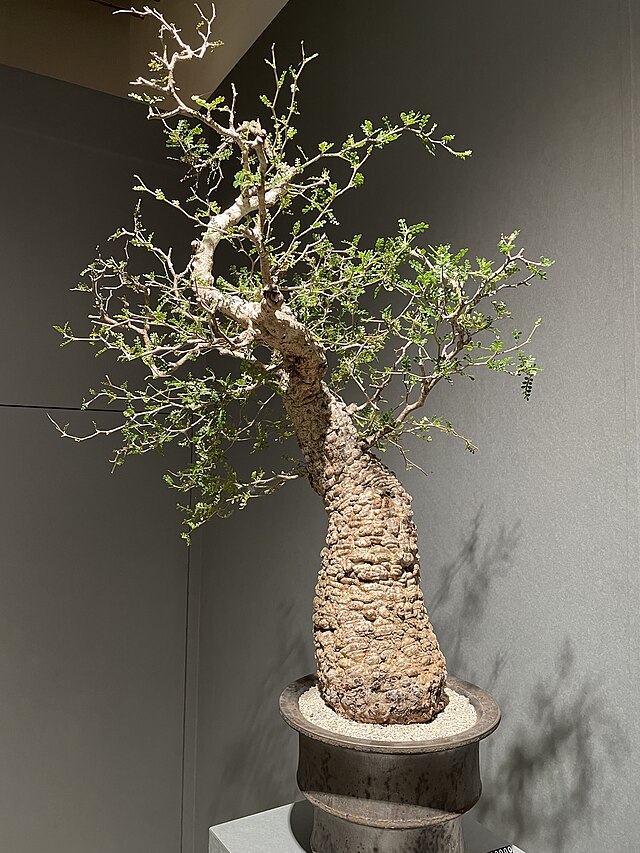
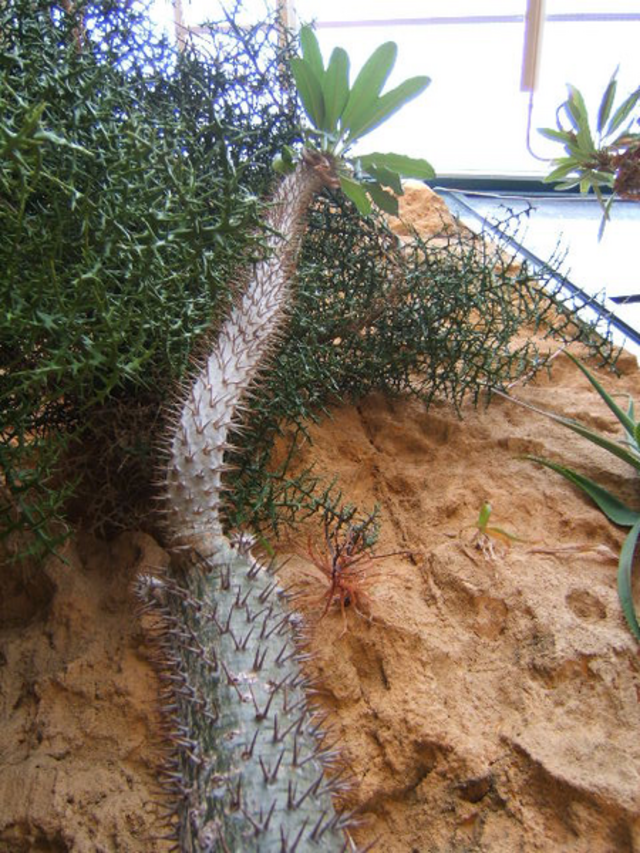
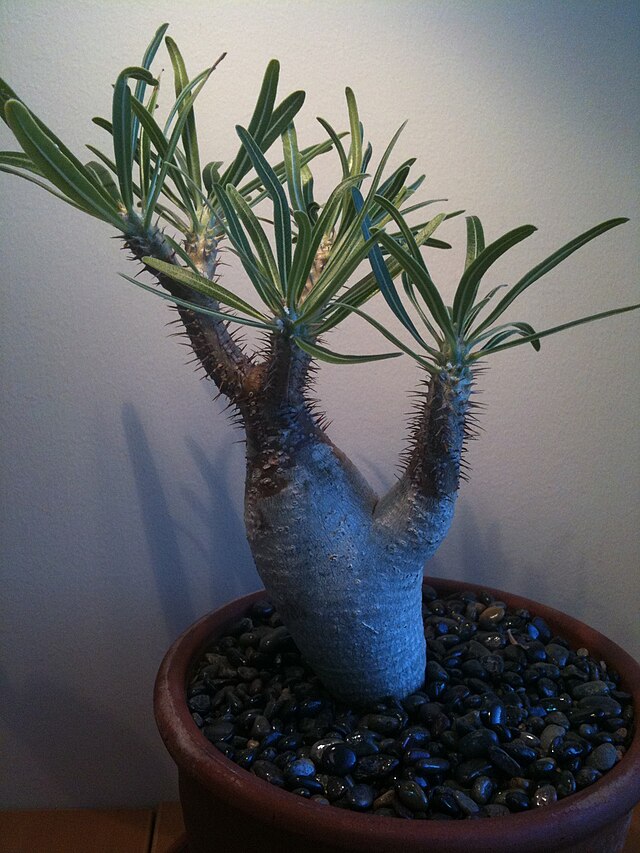
When purchasing caudex plants, many enthusiasts struggle with the choice between "imported stock" and "seedling plants (domestic seedlings)." Each has its own appeal and considerations, and selecting based on your purpose and experience level is important.
Imported Stock
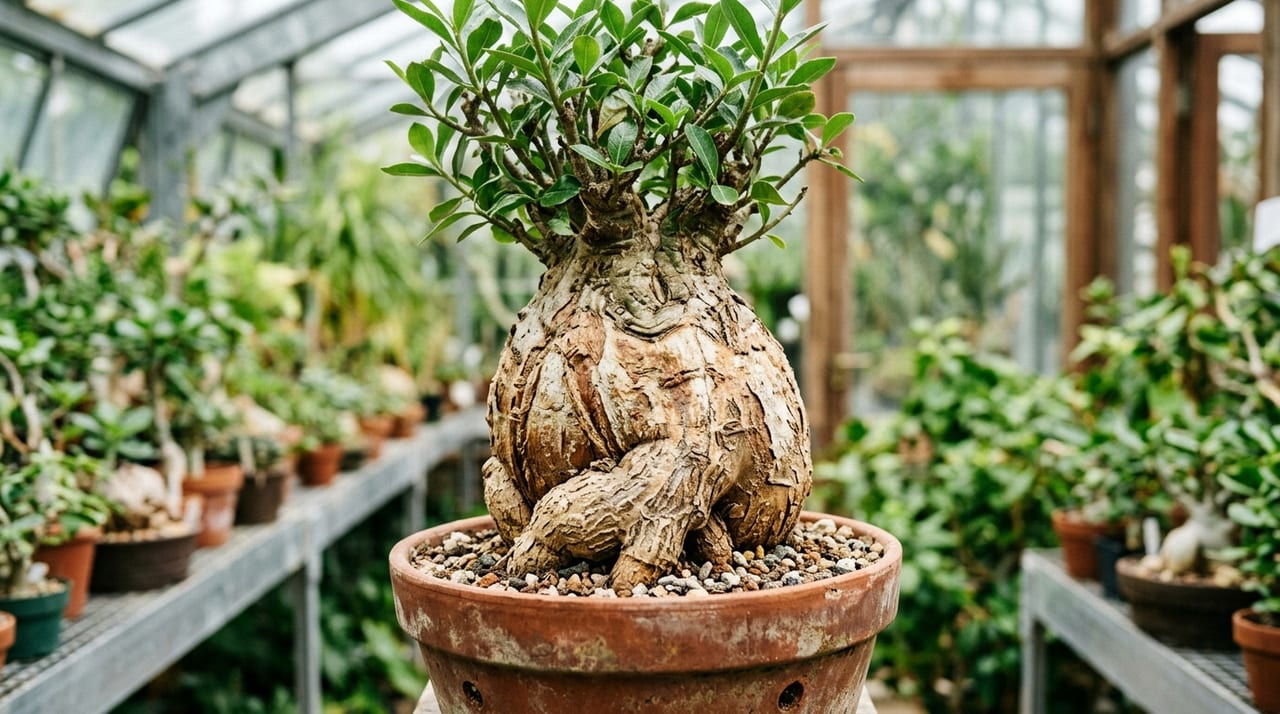
Imported stock refers to plants brought to Japan from their native regions or production countries—Madagascar, Africa, Southeast Asia, and elsewhere. Often these are large plants that have been cultivated for decades in their native habitat, with their most alluring feature being their wild, powerful form brimming with natural character.
Characteristics of Imported Stock
- Large plants cultivated over decades in their native environment become available
- Impressive, wild and vigorous forms are the main attraction
- Most individuals bear scars and distinctive patina
- Roots are typically cut, arriving as bare root
- Rooting management is usually necessary
Seedling Plants
A "seedling (mishō)" plant is one grown from seed. In caudex plant sales, this generally refers to plants grown from seed within Japan (domestic seedlings), contrasted with plants imported from their native regions (imported stock). Because they are grown in Japan's climate, they are already accustomed to Japanese weather conditions, making post-purchase care straightforward.
Characteristics of Seedling Plants
- Already acclimated to Japan's climate
- Usually sold with roots attached
- Can begin standard care immediately after purchase
- Tend to be small to medium-sized young plants
- You can enjoy watching the growth process
Terminology Clarification: Locally-Collected Stock, Imported Seedlings, Domestic Seedlings, Bare Root
Words frequently seen on product listings mix "the plant's origin" with "its condition at sale." Because these are easily confused, let us clarify first.
| Term | Meaning | Root Condition at Arrival | Rooting Management Required |
|---|---|---|---|
| Locally-Collected Stock (Imported Stock) | Stock dug up and cultivated for years in its native region, then imported | Bare root with roots cut | Yes |
| Imported Seedlings | Stock grown from seed at overseas nurseries, then imported | Often bare root. May arrive as potted seedlings | Usually yes |
| Domestic Seedlings | Stock grown from seed within Japan | Rooted (potted) | No |
| Bare Root | Soil removed and roots cut—a naked state. Refers to distribution form, not plant origin | No roots to short roots | Yes |
In this article, "imported stock" primarily refers to locally-collected stock. Imported seedlings occupy a middle ground: larger in size but requiring rooting management, with pricing falling between locally-collected stock and domestic seedlings. At purchase, always confirm whether it is "locally-collected stock," "imported seedlings," or "domestic seedlings."
Comparison of Imported Stock vs. Seedling Plants
| Item | Imported Stock | Seedling Plants |
|---|---|---|
| Size | Mostly large plants | Small to medium-sized |
| Form | Wild and distinctive | Often well-shaped |
| Price | High (tens of thousands to hundreds of thousands of yen) | Relatively affordable (thousands to tens of thousands of yen) |
| Rooting Management | Usually necessary | Not required (comes rooted) |
| Environmental Acclimation | Takes time to adapt to Japan's climate | Already acclimated |
| Risk | Risk of failed rooting or death | Low risk |
| Availability | Rare species are difficult to obtain | Supply is increasing |
Rooting Management for Imported Stock
When you purchase imported stock, the most critical task is rooting management. For detailed procedures, see the Rooting Management Manual, and for persistent rooting difficulties, also consult Diagnosing and Treating Rooting Failure.
Basic Rooting Management Steps
- Inspect the root cut surface; if any rotted sections exist, trim back to healthy tissue
- Apply fungicide (such as Topsin M paste) to the cut
- Allow the cut to dry in a well-ventilated, shaded location for 1–3 days
- Plant in well-draining soil (volcanic soil alone or pumice alone)
- Place a heating mat under the pot, maintaining root-zone temperature at 25–30°C
- Water sparingly; give only a small amount after soil has dried completely
- When new shoots emerge, rooting is underway. However, shoots may emerge on internal moisture alone without roots
Time to Rooting
- Pachypodium: 2 weeks to 2 months
- Operculicarya: 1–3 months
- Boswellia: 2–4 months
This varies significantly depending on species and plant condition. Patience is essential—overwatering in haste will cause rot.
Important Points When Selecting Imported Stock
- Purchase from a reliable seller: Verify that quarantine certificates and CITES documents are properly attached (see the Caudex Plant Import Regulations Guide for an overview of the system)
- Confirm stock freshness: Gently press the stem to check for firmness. A mushy stem suggests advanced rot
- Check the root cut condition: Ensure the root cut is not blackened and shows no mold growth
- Unpack and process immediately upon arrival: Leaving it unopened for extended periods will deteriorate its condition
Points to Consider When Selecting Seedling Plants
- Confirm caudex fullness: Choose plants with a well-swollen, firm caudex
- Confirm root condition: Look for healthy white roots visible at the surface—this is ideal
- Ensure the growing point is sound: Select plants with vigorous buds at the apex
- Ask about cultivation history: Learning the sowing date, soil used, and growing conditions will inform your post-purchase care
Which Should Beginners Choose?
Seedling plants are recommended for beginners.
The reason is clear. Seedling plants arrive with roots attached, are already acclimated to Japan's environment, and allow you to begin standard care immediately after purchase. Advanced techniques like rooting management are unnecessary, and the risk of failure is low.
On the other hand, if you dream of owning a large Pachypodium, trying imported stock is worthwhile. However, you must approach it with knowledge of rooting management and resolve. The conventional path is to gain cultivation experience with seedling plants first, then graduate to imported stock. There is also the option of growing from seed yourself; the procedure is explained in the Caudex Seedling Guide.
Price Ranges for Imported Stock and Seedling Plants
Caudex plant prices vary greatly by species and size, but here are general estimates.
Pachypodium Gracilius (Encyclopedia Page)
- Imported stock (caudex diameter 10 cm or larger): ¥50,000–¥300,000
- Imported stock (caudex diameter 15 cm or larger, good form): ¥300,000–¥1,000,000+
- Seedling plants (1–2 years old): ¥3,000–¥10,000
- Seedling plants (3–5 years old): ¥10,000–¥50,000
Operculicarya Pachypus
- Imported stock: ¥100,000–¥500,000+ (particularly expensive)
- Seedling plants (young): ¥5,000–¥30,000
While seedling plants offer an affordable entry point, reaching the imposing size of an imported plant requires over 10 years of cultivation. The essential difference between the two choices boils down to whether you are "buying time" or "enjoying the growth process."
Recent Market Trends
In recent years, domestic seedling techniques have improved, and high-quality seedling plants are increasingly available. Additionally, strengthened CITES regulations have made it increasingly difficult to import wild-collected stock, raising both the value and demand for seedling plants. In the future, seedling plants are expected to become the mainstream of the caudex plant market.
Checklist of Points to Confirm Before Purchase
Checking the following points in advance can significantly reduce purchase failures.
Confirming plant health: Check for abnormal discoloration or softening on leaves and stems, and signs of rot at the base. For online purchases, it is also effective to request additional photos from the seller. Photos of the underside and base are particularly important for assessment.
Seller credibility is also a vital factor. Check the seller's transaction history and reviews, and choose someone with a reputation for good plant care and careful packaging. Sellers who respond thoughtfully to questions tend to take responsibility for plant care.
Planning initial care after arrival is also important. Prepare appropriate soil and pots so that you can check the plant's condition immediately upon arrival and place it in the right environment. Mail-ordered plants are stressed by transport; it is safest to acclimate them in bright shade for 1–2 weeks after arrival before transitioning to standard care.
Also confirm in advance what to do if problems are discovered after purchase—return and exchange policies provide peace of mind.
Finding Caudex Plants on GrowerDirect
On GrowerDirect, you can purchase seedling plants carefully grown by domestic growers and properly rooted imported stock directly. Because you can confirm the plant's history and care methods directly with the grower, purchasing is reassuring. Find the perfect plant for you on GrowerDirect.