Import Regulations for Caudex Plants & Complete CITES Guide | Purchasing Overseas and Points to Note
CITES appendices, plant quarantine procedures, bare-root handling, personal import procedures, and violation risks explained.
Key Takeaways
CITES appendices, plant quarantine procedures, bare-root handling, personal import procedures, and violation risks explained.
Related Species
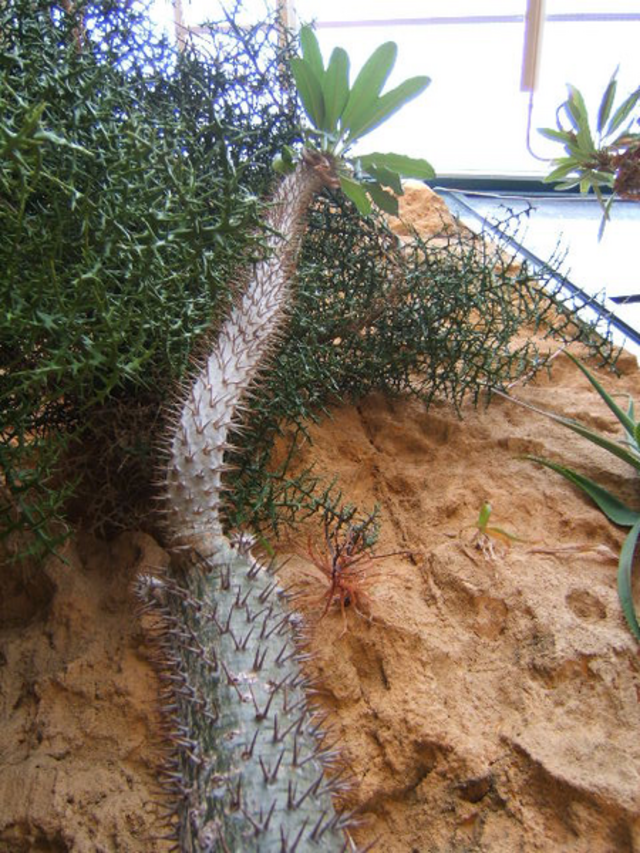
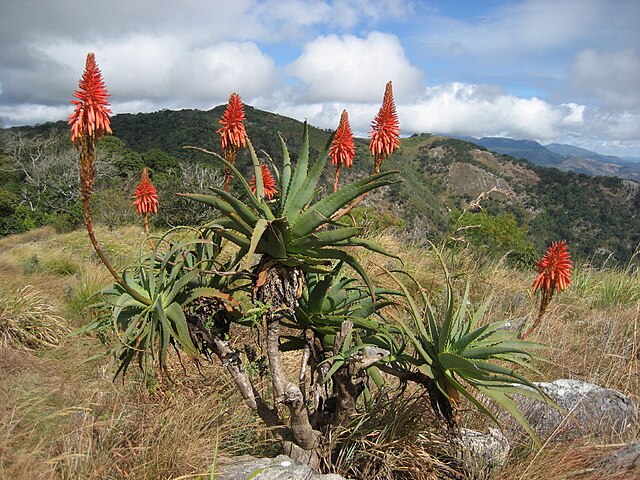
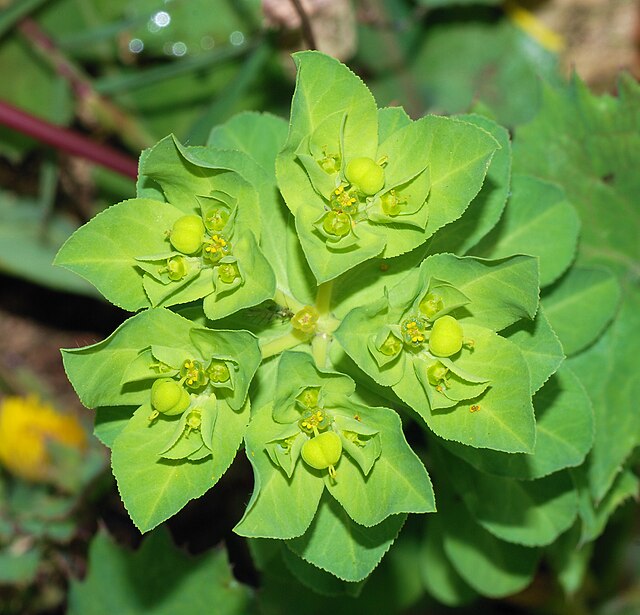
As the popularity of caudex plants has grown, more and more enthusiasts are purchasing specimens directly from overseas. However, most caudex plants are subject to international trade regulations, and violating these unknowingly can result in severe penalties. This article provides detailed explanations from basic knowledge of CITES (Convention on International Trade in Endangered Species) to actual import procedures and points to note for personal imports. For basics on caudex plant care, please also refer to 【Beginner's Guide】Caudex Plant Care Beginner's Guide.
CITES (Convention on International Trade in Endangered Species) – What Is It?
CITES is a treaty that regulates international trade in endangered wild fauna and flora, and is deeply connected to the trade of caudex plants.
- Official name: Convention on International Trade in Endangered Species of Wild Fauna and Flora
- Purpose: To prevent overharvesting that threatens species survival by regulating international trade in wild fauna and flora
- Signatory nations: Approximately 180 countries are signatories. Japan ratified the convention in 1980.
- Regulatory mechanism: Target species are classified into three levels—"Appendix I," "Appendix II," and "Appendix III"—each with different trade restrictions.
- Relationship with caudex plants: Most popular caudex plants such as Pachypodium, Euphorbia, and Aloe genera are included as CITES-regulated species.
Classification of Appendices and Caudex Plants
The difficulty of importing varies significantly depending on which CITES appendix the species is classified under.
- Appendix I (Strictest regulation): Species in danger of extinction; international trade for commercial purposes is in principle prohibited. Some Pachypodium species (P. ambongense, P. baronii, P. decaryi, P. windsori, etc.) are included. These require permits from both exporting and importing countries, and commercial trade is generally not permitted.
- Appendix II (General regulation): Species not currently endangered but that could become endangered in the future if trade is not regulated. This includes many Pachypodium species (P. gracilius, P. rosulatum, etc.) and many Euphorbia species. Trade is possible if a CITES export permit issued by the exporting country's government is obtained.
- Appendix III (Regulation by specific countries): Species that specific countries are seeking international cooperation to protect within their borders. Few caudex plants fall into this category, though some exporting countries may impose additional regulations.
- Treatment of artificially propagated specimens: Even Appendix I species that are commercially propagated are treated as Appendix II specimens. If the CITES permit is marked "Artificially Propagated," it can be identified as an artificially propagated specimen.
Plant Quarantine Procedures
In addition to CITES, plant quarantine procedures are required when bringing plants into Japan.
- Plant Protection Act: When importing plants from abroad, it is mandatory to undergo plant quarantine to prevent the introduction of pests and diseases. Violation may result in imprisonment of up to 3 years or a fine of up to 3 million yen.
- Export country's quarantine certificate: A "phytosanitary certificate" issued by the exporting country's plant protection authority is required. Without it, Japanese quarantine cannot be passed.
- Import inspection: Inspection is conducted at plant protection stations such as those at Narita and Kansai airports. If soil is attached, it may be required to be removed, or in the worst case, the specimen may be disposed of.
- Prohibition on importing soil: Japan in principle prohibits the importation of soil from abroad. Therefore, caudex plants are typically imported as bare-root (with soil removed).
- Common quarantine issues: Common reasons for rejection include soil remaining on roots, pests or diseases present, or incomplete information on the quarantine certificate.
Bare-Root Specimen Handling and Root Development Management
Most caudex plants imported from overseas arrive as bare-root specimens.
- What is bare-root: A specimen with soil completely removed and roots cut back. This method avoids soil-related problems during transport. Root development must be initiated after purchase.
- Transport damage: Specimens often arrive weakened due to being transported for extended periods without roots. After arrival, do not immediately plant; rest the specimen for several days in a well-ventilated shaded location.
- Basic root development management: Plant in clean soil, maintaining appropriate temperature (25–30°C) and humidity. Water only enough to slightly moisten the soil, and wait patiently for roots to develop. Root development can take 2 weeks to 2 months.
- Checking for root development: Gently shake the specimen; resistance indicates roots are emerging. Do not forcibly pull out the specimen to check, as this damages roots. New leaf emergence is a sign of root development.
- Risk awareness: Bare-root specimens always carry the risk of failing to root. Long-distance transport and specimens with few roots make rooting difficult. Beginners are safer purchasing pre-rooted specimens domestically.
Personal Import Procedures and Process
Here is an explanation of the procedures for personally importing caudex plants from overseas.
- Step 1 – Selecting a supplier: Choose a trustworthy overseas nursery or shop. Check reputation and reviews on social media. The supplier must be one that can legally obtain CITES permits.
- Step 2 – Obtaining CITES permits: For Appendix II species, obtain an export permit from the exporting country's CITES authority. For Appendix I species, in addition to an export permit, an import permit from Japan's CITES authority (Ministry of Economy, Trade and Industry) is required.
- Step 3 – Obtaining a phytosanitary certificate: Have the exporting country's plant protection authority issue a phytosanitary certificate. This includes confirming that bare-root processing has been completed.
- Step 4 – Shipping: Send via international courier services such as EMS (international mail), DHL, or FedEx. Since plants are living organisms, choose the shortest possible transit time. Be aware of temperature-related damage to specimens during summer and winter.
- Step 5 – Quarantine after arrival in Japan: Undergo inspection at a plant protection station. If delivered by mail, the station will send notification to arrange inspection. Upon approval, a compliance certificate is issued and the specimen can be collected.
Risks of Violation
The risks of violating CITES and plant quarantine regulations are severe.
- Tariff Act and Foreign Exchange Act violations: Importing CITES-regulated species without permits constitutes unauthorized importation under the Tariff Act or import approval violation under the Foreign Exchange and Foreign Trade Control Act, potentially resulting in imprisonment of up to 5 years and/or a fine of up to 10 million yen (or up to 5 times the cargo value if it exceeds 10 million yen). (Note: "prohibited imports" under the Tariff Act include drugs and firearms; CITES-regulated species are not included in this category.)
- Species Conservation Act violations: Illegal trade in species designated as national endangered wildlife can result in imprisonment of up to 5 years or a fine of up to 5 million yen.
- Plant Protection Act violations: Bringing plants into the country without undergoing quarantine can result in imprisonment of up to 3 years or a fine of up to 3 million yen.
- Confiscation and disposal: Illegally imported plants are confiscated and disposed of. Even high-value specimens are not returned.
- Ignorance is not an excuse: Lack of knowledge of the law is not a valid defense. Even plants casually purchased while traveling become illegal imports if brought back without proper procedures. The same risks apply to personal transactions via social media.
Source: Customs Act, Article 111 / Foreign Exchange and Foreign Trade Act, Article 69-8 / Act on Conservation of Endangered Species of Wild Fauna and Flora, Article 57-2 / Plant Protection Act, Article 39 (e-Gov Laws and Regulations)
Obtaining Caudex Plants Safely
Here are key points for safely enjoying caudex plants while avoiding legal risks.
- Purchase domestically available legitimate stock: Specimens sold at domestic shops and events have generally been legally imported. These can be purchased with confidence.
- Verify CITES documentation: When purchasing imported specimens, verify the CITES export permit number and presence of a plant quarantine compliance certificate. Legally imported specimens will have complete documentation.
- Choose seed-grown plants: Specimens grown from seed domestically are not subject to CITES regulations. They are legally available and easier to manage as they are acclimated to Japanese conditions.
- Purchase from reputable sellers: Buying from specialty shops with physical locations or established online retailers is safest. Avoid specimens of unclear origin.
- Refer to purchasing guides: Differences between imported and seed-grown plants and how to distinguish them are explained in detail in the Caudex Plant Purchasing Guide.
GrowerDirect offers caudex plants legally imported from specialized growers. Many domestically seed-grown specimens are also available, allowing you to find your favorite plant with confidence and without CITES concerns. Enjoy the appeal of caudex plants while following the law.