Houseplant Humidity Management Guide — Humidifiers, Misting & Pebble Trays
Managing humidity for houseplants: humidifier selection, effective misting, pebble tray setup, and grouping techniques.
Key Takeaways
Managing humidity for houseplants: humidifier selection, effective misting, pebble tray setup, and grouping techniques.
Related Species
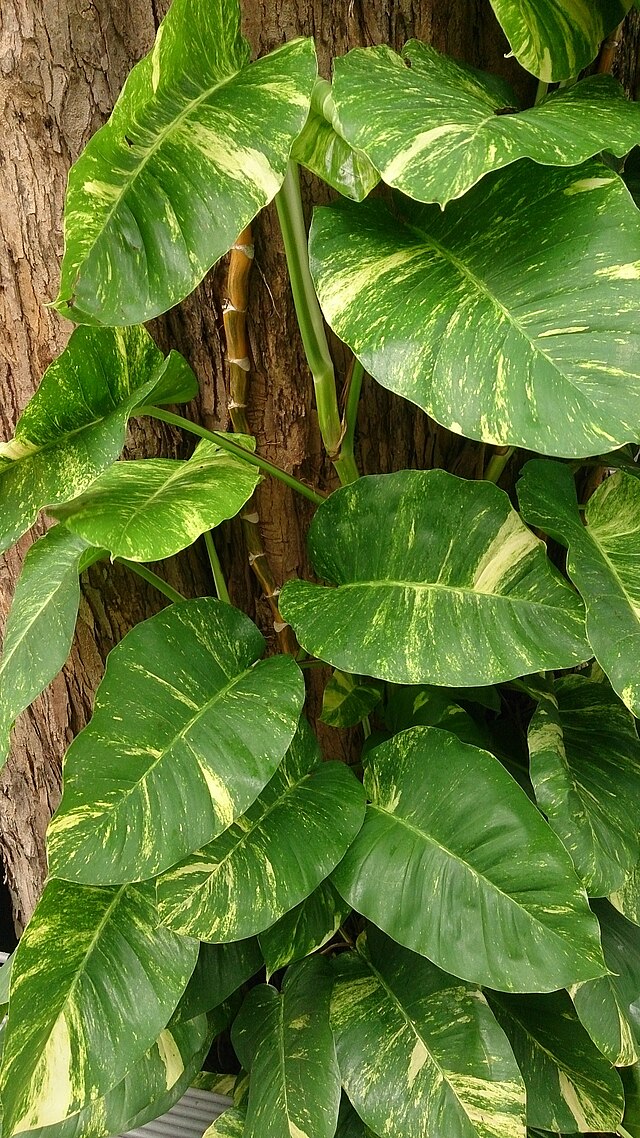
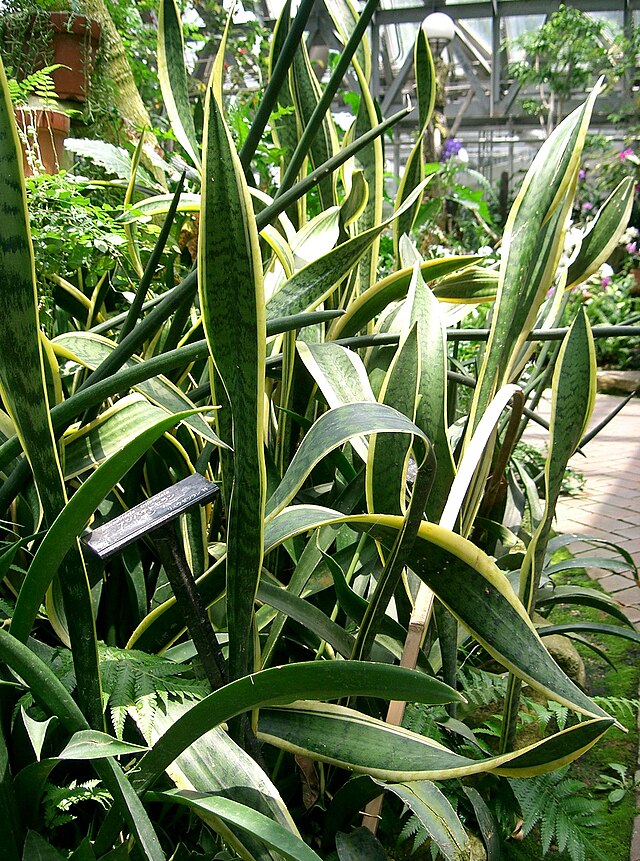
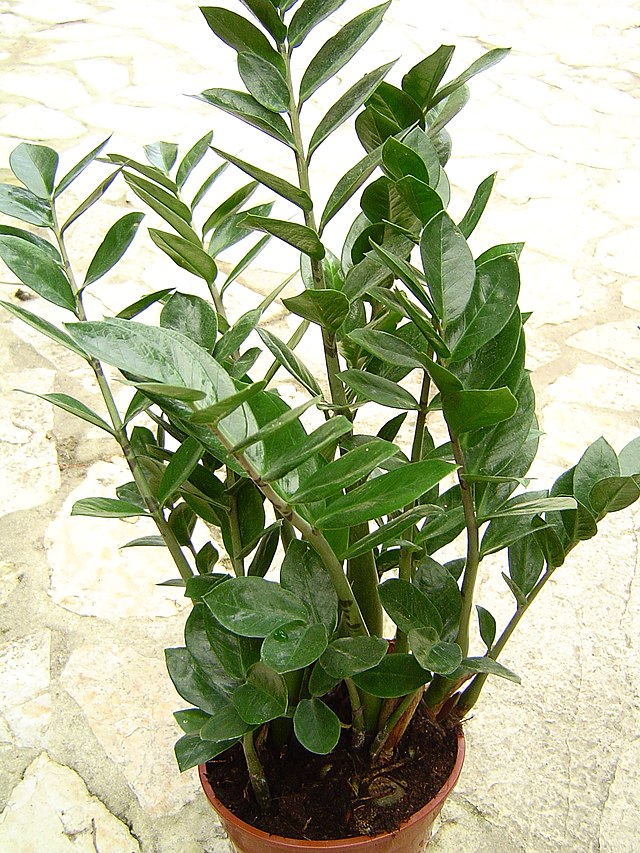
Humidity affects foliage plant health significantly. Most tropical varieties evolved in humid environments and struggle in dry indoor air. Understanding humidity needs and management techniques prevents problems like brown leaf tips, slow growth, and pest issues.
Why Humidity Matters for Plants
Most foliage plants originated in humid tropical forests or wetlands. They evolved with constant moisture in air. Low humidity causes: Leaf tips browning (water escapes leaves faster than roots absorb), Slow growth (plant energy goes toward water retention), Pest problems (dry-stressed plants attract spider mites), Weak leaves (thin, papery texture), Flower drop (low humidity prevents blooming).
Humidity Requirements by Plant Type
High humidity (60-80%): Aroids, Tropical ferns, Prayer plants, Calathea, Anthuriums.
Moderate humidity (40-60%): Pothos, Rubber plant, Dracaena, Most foliage plants tolerate this.
Low humidity tolerant (below 40%): Snake Plant, ZZ plant, Succulent-type plants, Dracaena.
Humidity Management Methods
Misting (Easiest)
Daily or every-other-day light misting helps: Use room-temperature water. Mist leaf undersides where pores open. Early morning prevents fungal issues. Evening misting in winter acceptable. Effective radius about 20cm. Limitations: Temporary effect, only 10-30 minutes.
Pebble Trays
Place shallow tray with pebbles and water beneath pots: Pot sits on pebbles above water (not touching). Evaporating water increases humidity. Effective within 30cm radius. Refill every 2-3 days. Cost-effective.
Humidifiers
Electric humidifiers provide sustained humidity: Ultrasonic humidifiers - Quiet, efficient. Warm mist humidifiers - Slower evaporation. Placement: Near plants, maintains 40-60% humidity in surrounding area.
Plant Grouping
Grouping plants creates microclimate: Plants release moisture through leaves (transpiration). Grouped plants increase local humidity 10-20%. Spacing 20-30cm apart optimal.
Seasonal Humidity Variations
Summer: Higher natural humidity, Less misting needed, Ensure air circulation, More frequent watering.
Winter: Heating systems dry air dramatically, Daily misting becomes essential, Humidifier use helps, Group plants together, Place away from heating vents.
Signs of Humidity Problems
Too Low: Brown leaf tips, Edges curl and dry, Slow growth, Spider mites appear, Wilting despite moist soil.
Too High (Rare but Possible): Fungal spots on leaves, Mold on soil surface, Musty smell, Stem rot.
Troubleshooting
Brown Tips: Increase humidity; mist daily or use pebble trays. Slow Growth: Check humidity; may need humidifier in winter. Pest Outbreak: Address low humidity; mist and increase moisture. Mold Issues: Decrease humidity; improve air circulation.
Adequate humidity improves leaf color vibrancy, growth rate, disease resistance, and overall plant vigor. Investing in humidity management pays dividends in plant health and longevity.