Introduction to Hydroculture for Houseplants | Growing Without Soil
A clear explanation of hydroculture basics, necessary materials, repotting procedures, watering management, and advantages and disadvantages.
Key Takeaways
A clear explanation of hydroculture basics, necessary materials, repotting procedures, watering management, and advantages and disadvantages.
Related Species

Introduction to Hydroculture for Houseplants | Growing Without Soil
"Hydroculture," which allows you to grow houseplants without soil, has gained attention among indoor plant enthusiasts due to its low pest incidence and easy maintenance. The aesthetic appeal makes it an excellent choice for interior design. This article provides a comprehensive guide from fundamental knowledge to practical management techniques, explained in an easy-to-understand way for those attempting hydroculture for the first time.
---
What is Hydroculture? Differences from Soil Cultivation
Hydroculture is a cultivation method in which plants are grown using artificial growing media such as hydroton (expanded clay pellets) or ceramic granules instead of soil. The term "hydroculture" comes from the English word meaning cultivation utilizing "water (hydro)."
The biggest difference from soil cultivation is that the growing medium itself contains no nutrients. Plants absorb nutrition from water and liquid fertilizer supplied as needed. This simple mechanism makes hydroculture clean and easy to manage.
Advantages
- Pests are less likely to appear: Unlike soil, which contains organic matter, fruit flies and fungus gnats are less attracted to hydroculture.
- Watering timing is clear: With transparent containers, water level is visible to the eye, making management intuitive.
- High aesthetic value: A wide variety of container options, including glass vessels and stylish pots, are available.
- Lightweight and easy to handle: Significantly lighter than soil, making room rearrangement and relocation effortless.
- Maintains cleanliness: No soil dust is produced, keeping your indoor space clean.
Disadvantages
- Not suitable for large plants: The growing medium does not support roots as strongly as soil, making tall plants unstable.
- Growth is slightly slower: Growth tends to proceed more gradually compared to soil cultivation.
- Limited plant compatibility: Plants with water-tolerant roots are suitable, while succulents and cacti that prefer dryness are not ideal.
- Regular maintenance required: Tasks such as replacing root rot preventatives and cleaning growing media must be done every six months.
---
Materials Needed and How to Choose Them
Types of Growing Media
Hydroton (Lecaton) A porous granule made by firing clay at high temperatures, and the most popular growing medium. It retains water while maintaining excellent air permeability, offering superior balance in preventing root rot. It is readily available at home centers and gardening shops.
Ceramic Granules A popular growing medium of German origin, characterized by exceptionally high water retention. Ideal for those who want to reduce watering frequency further or cultivate more delicate plants.
Colored Sand A zeolite-based medium with added color, useful when design is a priority. You can create gradations or arrange it aquarium-style for creative enjoyment.
Choosing a Container
Use a container without drainage holes. Glass containers are ideal for beginners because the water level is visible from the outside. If using opaque containers, use a water level indicator to better monitor water volume.
Choose the container size to match the plant's root system. If roots are too densely packed, water circulation becomes poor, potentially causing root rot.
Root Rot Prevention Agent
Place mica-based clay (such as Million A) or zeolite on the container bottom. These absorb metabolic wastes and harmful substances, purifying the water. Omitting this causes water to spoil easily, so be sure to use it.
---
Repotting Procedure
1. Remove the plant and gently wash the roots
Remove the plant from its pot and thoroughly rinse away the soil clinging to the roots under running water. Left-behind soil promotes bacterial growth, so carefully clean even the finest parts.
2. Remove damaged roots
Examine the roots and cut away any that are blackened or have a slimy texture using clean scissors. Keep only white, healthy-looking roots.
3. Plant in the container
Place root rot prevention agent about 1 cm on the container bottom, then add hydroton to about one-third of the container height. Position the plant in the center and add more hydroton around the roots to stabilize it. Lightly tap the container to ensure even distribution of the medium.
4. Add water
Fill to about one-fifth of the container height. Do not overfill. Roots constantly immersed in water will cause root rot, so aim for just a small amount of water accumulated at the bottom.
---
Daily Watering and Seasonal Management
Basic Rule: "Add Water After it Runs Out"
The most important rule for hydroculture watering is waiting 1–2 days after the water in the container completely runs out before adding more. If water is always present, roots become oxygen-depleted and root rot progresses easily. Allowing the medium to dry once provides appropriate stress to roots, promoting stronger growth.
Seasonal Adjustments
| Season | When to Add Water |
|---|---|
| Spring–Summer (Growing Period) | The next day or same day after water runs out |
| Autumn | 1–2 days after water runs out |
| Winter (Dormancy) | 2–3 days after water runs out |
While you can use tap water directly, using water that has been left overnight to remove chlorine reduces stress on plants.
How to Apply Fertilizer
Use hydroculture-specific liquid fertilizer (such as Hyponex Hydro). During the growing period (spring–autumn), apply once or twice monthly, diluted to half the recommended strength. Reduce fertilizer in winter when plant activity slows.
---
Plants Suitable for Hydroculture
Not all houseplants are suitable for hydroculture. Selecting species with water-tolerant roots is the key to success.
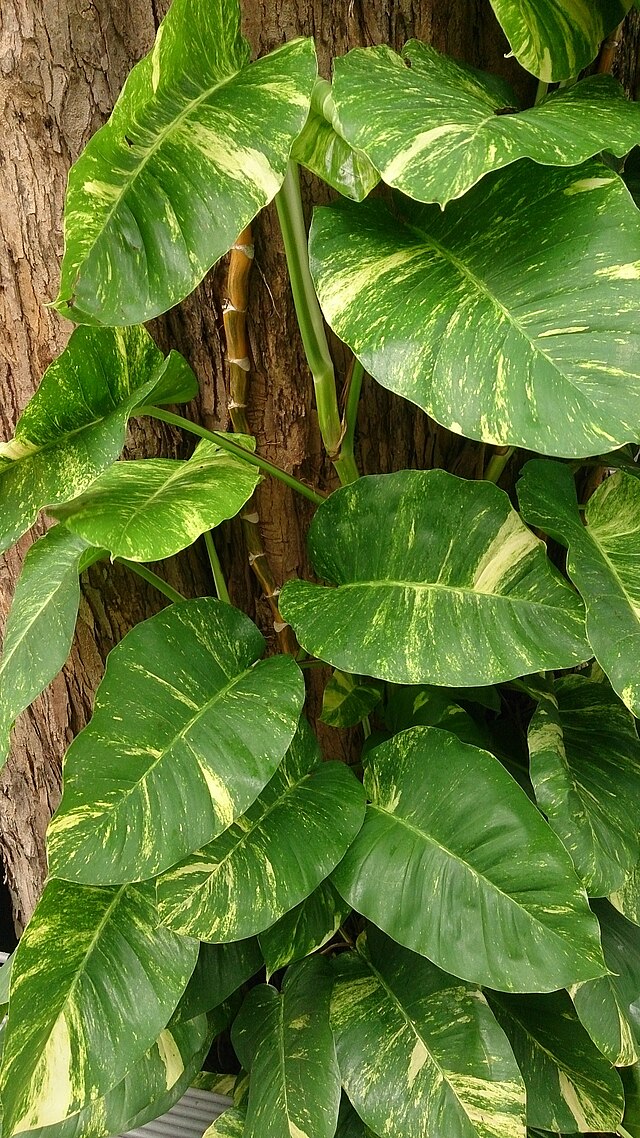
- Pothos: The ideal beginner plant—water propagate and transition directly to hydroculture.
- ガジュマル (Ficus retusa/Money Tree): Distinctive aerial roots are impressive; viewing roots through transparent containers adds to the enjoyment.
- Table Palm: Sturdy roots make it reliably robust in hydroculture.
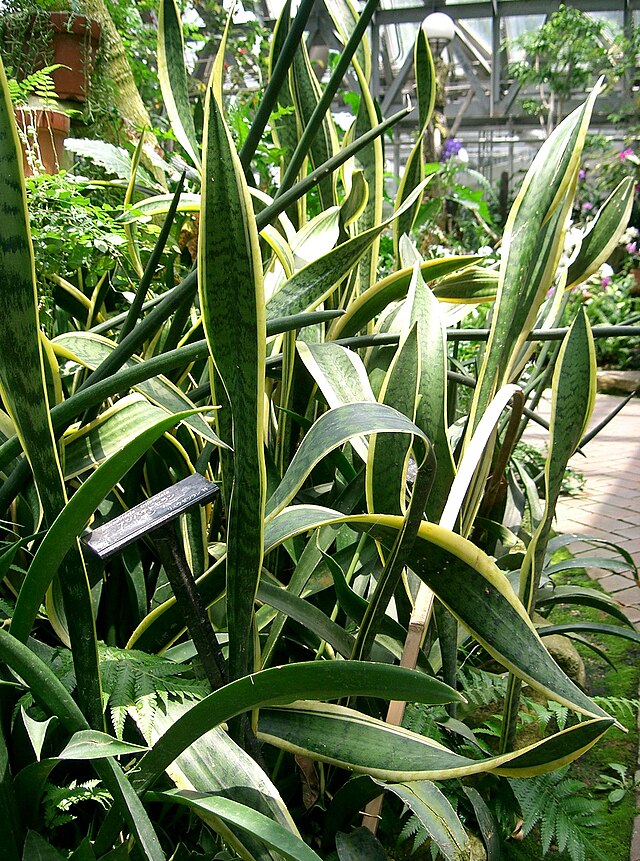
- Sansevieria: Drought-tolerant with minimal watering needs—easy to manage.
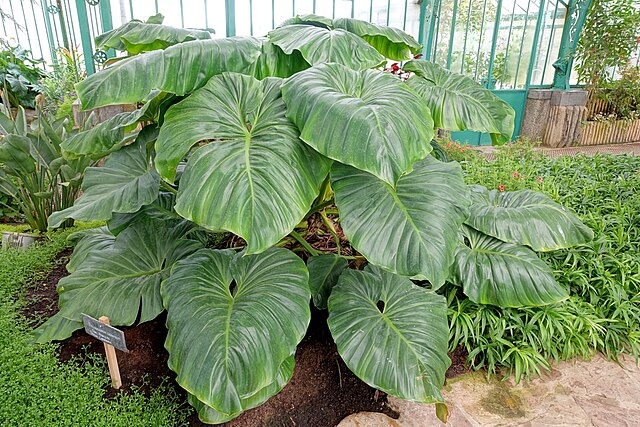
- Philodendron: Highly suited to water cultivation with impressive foliage.
- Ivy: Vine-like growth offers varied decorating options—drape or train as desired.
Conversely, succulents and cacti prefer dryness and are unsuitable for hydroculture.
---
Find Healthy Houseplants at Botachoku
The most important factor in successfully growing hydroculture is choosing a healthy plant. Transitioning a weak plant or one with damaged roots to hydroculture rarely succeeds.
Botachoku allows you to purchase healthy houseplants directly from producers (growers) with careful management. Because the direct-sales model bypasses distributors, plants experience minimal stress and typically arrive with healthy roots.
Additionally, you can message sellers directly to ask, "Is this suitable for hydroculture?" You can receive advice from producers themselves—from selecting the right species to caring tips after transitioning to hydroculture.
If you're interested in starting a clean and stylish soil-free plant lifestyle, explore Botachoku to find your ideal plant.