Guide to Epiphytic Orchid Cultivation | Methods and Tips for Mounting on Driftwood and Cork
Learn how to mount orchids on driftwood and cork. We explain the benefits of epiphytic cultivation, suitable varieties, how to choose driftwood and cork, mounting procedures, and watering and care methods after mounting.
Key Takeaways
Learn how to mount orchids on driftwood and cork. We explain the benefits of epiphytic cultivation, suitable varieties, how to choose driftwood and cork, mounting procedures, and watering and care methods after mounting.
Related Species
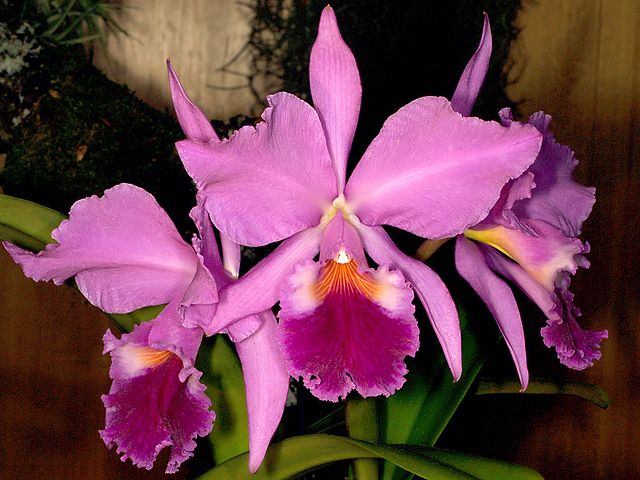
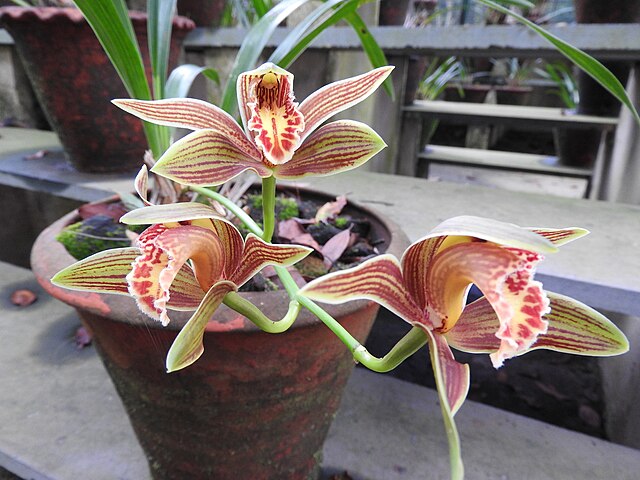
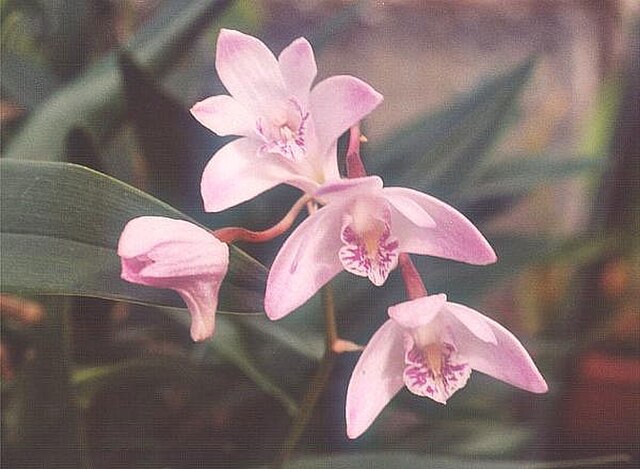
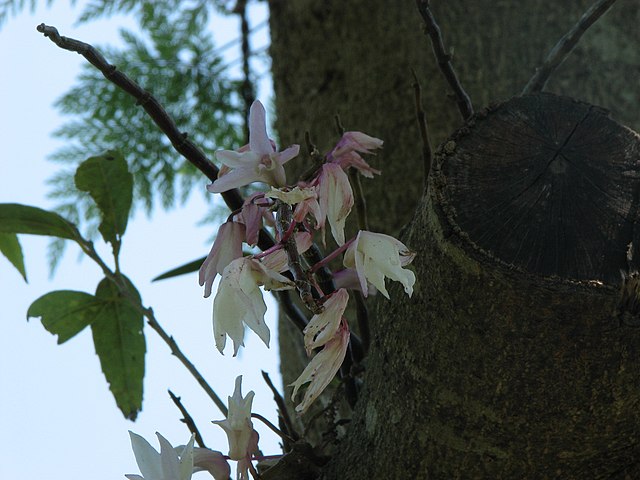
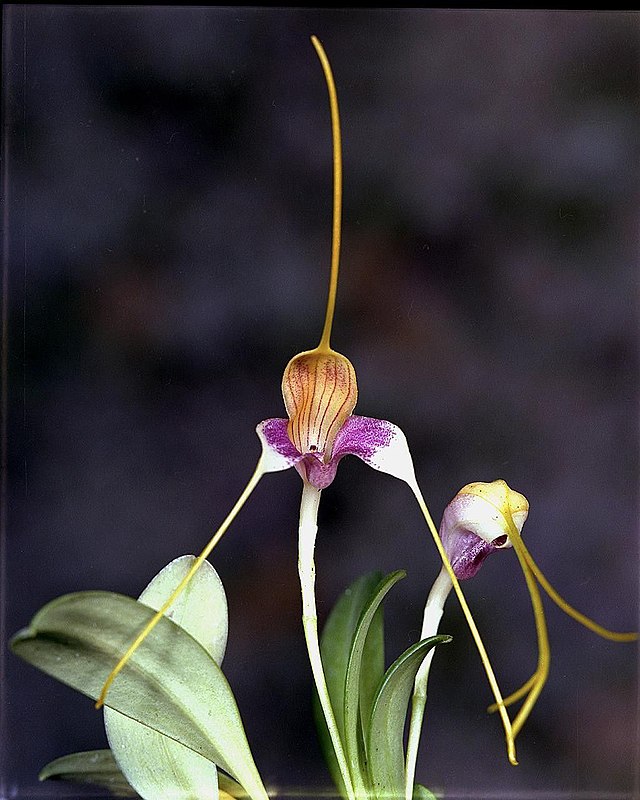
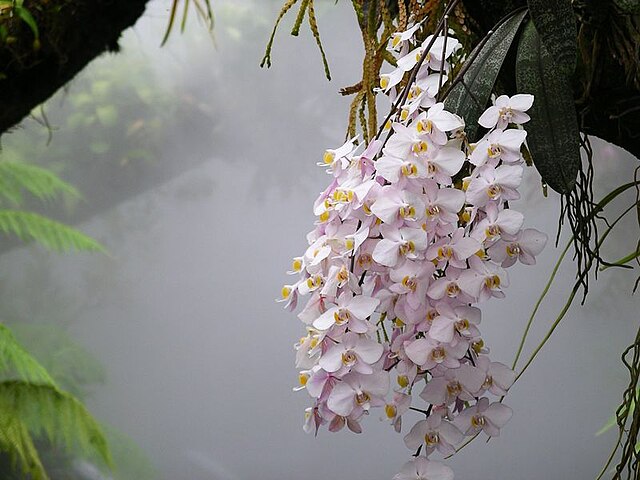
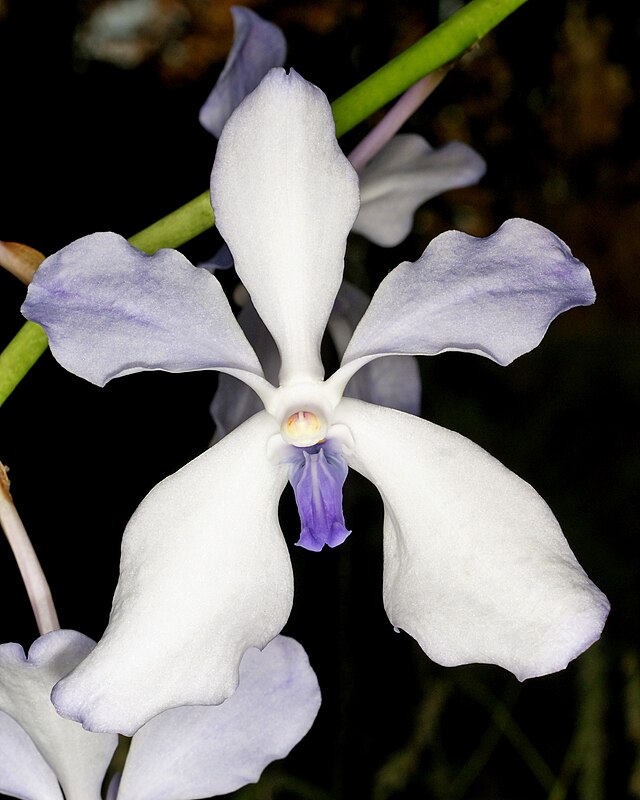
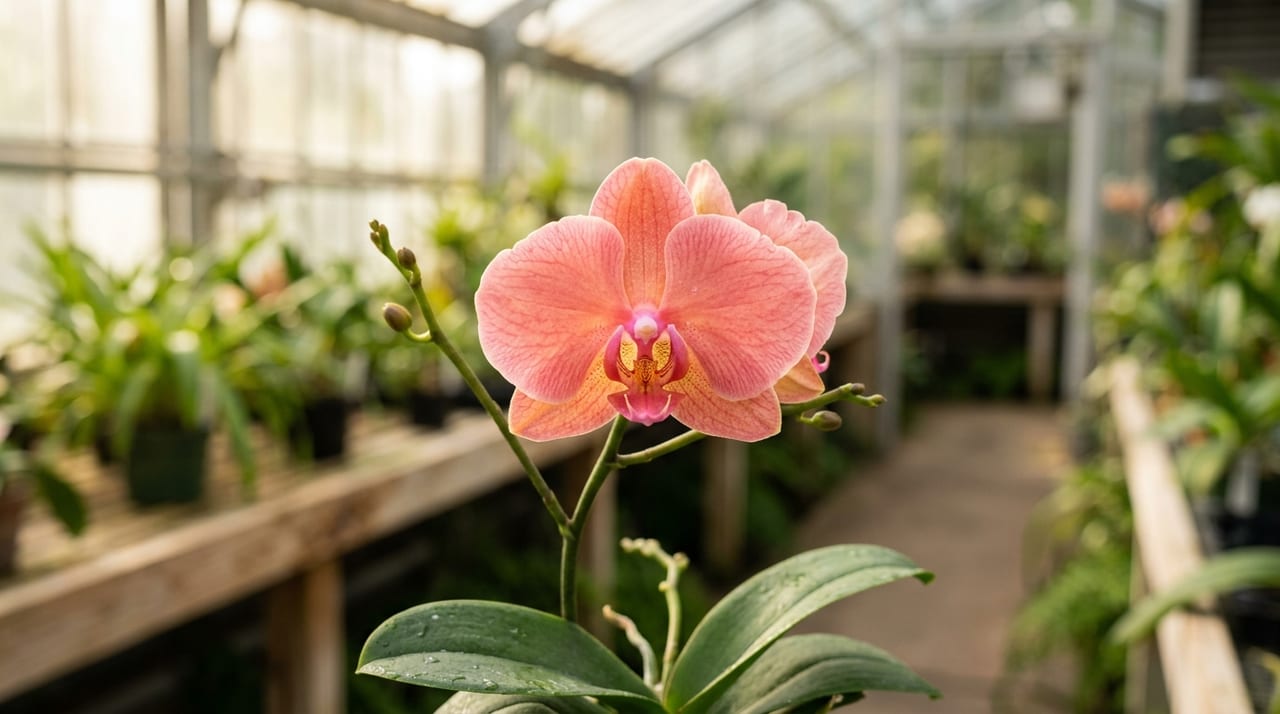
Most orchids are 'epiphytic plants' that naturally attach their roots to tree trunks and rocks in the wild. While growing them in pots is standard, mounting them on driftwood or cork boards allows you to enjoy a more natural appearance. As interior décor, you can also display them in ways not possible with potted plants, such as wall-mounted or hanging arrangements.
Benefits of Epiphytic Cultivation
Drastically Reduced Risk of Root Rot In epiphytic cultivation, roots are exposed to air, so root rot from excess moisture is virtually eliminated. Removing the most common cause of failure in orchid cultivation is a major benefit.
Easy to Monitor Root Health Since roots are exposed, you can quickly distinguish between healthy roots (green to silvery-white and firm) and damaged roots (brown and mushy). Problems can be discovered and addressed early.
Natural Beauty Orchids with roots sprawling across driftwood or cork recreate the natural appearance of epiphytic orchids in tropical rainforests, offering a rustic beauty quite different from potted plants.
Space-Saving Wall-mounted or hanging displays save shelf and table space. Arranging multiple mounted orchids on a wall creates an impressive display.
Orchid Varieties Suitable for Epiphytic Cultivation
Not all orchids are suitable for epiphytic cultivation. Varieties that naturally live as epiphytes in the wild are ideal.
Recommended Varieties
- Phalaenopsis orchid: The classic epiphytic orchid. Develops thick aerial roots and establishes firmly on driftwood.
- Vanda: Known for extending thick roots into the air, this is one of the genera most suited to epiphytic cultivation.
- Dendrobium: Many species are epiphytic and well-suited to cork mounting.
- Cattleya: The queen of epiphytic orchids. Can be mounted on cork or driftwood.
- Sekkoku (a type of Dendrobium): A Japanese native epiphytic orchid. Cold-hardy.
- Masdevallia: A compact epiphytic orchid that prefers cool environments.
- Miniature orchids (various types): Compact epiphytic orchids can be mounted even on small driftwood branches and are excellent for collectors.
Unsuitable Varieties Terrestrial orchids such as Cymbidium and Paphiopedilum (with some exceptions) are better suited to potting.
Choosing Mounting Materials
Driftwood Use driftwood that has been leached of tannins. Pieces available at pet shops and aquarium supply stores are convenient. Textured surfaces help roots attach more easily. Choose hard, rot-resistant wood varieties such as mangrove or branch wood. Soft woods absorb water and deteriorate quickly, eventually failing to support orchid roots.
Cork Bark Bark from cork oak shaped into boards. Lightweight with excellent air circulation and moderate water retention. The textured surface aids root attachment and is the most widely used material for mounting orchids. Large pieces can be cut to size.
Tree Fern Panels Panels made from the stems of tree fern (Hegio). They retain moisture better than cork and are suitable for humidity-loving varieties. However, they have become difficult to obtain in recent years due to conservation concerns.
Mounting Procedure
Materials Needed Driftwood or cork bark, orchid plant, small amount of sphagnum moss, fishing line or wire, scissors
Steps
- Prepare the plant: Remove the plant from its pot and remove all old potting medium. Trim any damaged roots.
- Prepare sphagnum moss: Soak the moss in lukewarm water and gently squeeze it out to a damp state.
- Determine mounting position: Place the plant on the driftwood or cork to decide its position and orientation. Choose a location where roots have space to spread.
- Lay moss: Lay a thin layer of moss at the mounting position to cushion the plant base from the material. Use minimal moss—too much will retain moisture and dry slowly.
- Position the plant: Place the plant on the moss and spread the roots naturally.
- Secure the plant: Wrap the plant to the material with fishing line or fine wire, being careful not to damage roots. Wrap firmly. Fishing line is less visible and looks better.
- Cover roots lightly with moss: Lay a thin layer of moss over the roots to prevent drying. Keep it thin enough that roots remain visible.
It takes 3–6 months for roots to establish (attach to the material). Keep the fishing line or wire in place during this time to prevent the plant from moving.
Care After Mounting
Watering Watering mounted orchids differs from potted cultivation. Combine misting and flowing water.
- Daily watering: Mist the entire plant 1–2 times daily. Silver-white roots indicate dryness; water until they turn green.
- Once or twice weekly: Run flowing water (such as at a sink or in a shower) to thoroughly wet the roots and moss. Let water flow for several minutes.
- Summer: Daily misting is essential. High temperatures cause rapid drying.
- Winter: Misting every 2–3 days is sufficient. Use a humidifier to maintain indoor humidity.
Fertilizing Dilute liquid fertilizer to half strength and apply by misting during watering. Apply every 2 weeks during the growing season (spring–autumn). Reduce fertilizing in winter.
Display The most common method is to install hooks on the wall and hang with wire. Arranging multiple mounted orchids on a wall creates an 'orchid wall.' An ideal location is a bright wall without direct sunlight.
Benefits and Drawbacks of Cork Mounting
Benefits
- Root rot risk is significantly lower than with potted cultivation.
- Root health is easily visible at a glance, making care management simpler.
- Wall-mounted displays are space-efficient and highly decorative.
- You can enjoy orchids in their natural epiphytic form.
Drawbacks
- Drying is rapid, requiring more frequent watering than potted plants.
- Watering arrangements are needed during travel or extended absences.
- Not all orchids are suitable for this method.
- Initial care until establishment requires some skill.
Understand these points and decide whether this method suits your lifestyle before starting.
Choosing Materials and Comparing Characteristics
Cork Bark
The most popular material. Lightweight with high air circulation, it features a rough surface that helps orchid roots attach easily. Thicker pieces offer better water retention and easier management. Use bark-like natural cork, not wine cork. Portuguese virgin cork is most readily available with consistent quality.
Tree Fern Panels
Panels cut from tree fern (Hegio) stems with many fibers that balance water retention and air circulation well. Roots attach firmly and establishment rates are high. Drawbacks include weight and reduced availability due to conservation concerns. Tree fern panels may be used as a substitute.
Driftwood
When using collected or purchased driftwood, rot-resistant varieties (such as dogwood, oak, or chestnut) last longer. The irregular shape allows for natural displays. Before use, thoroughly rinse, boil, and dry to remove insects and mold. Aquarium driftwood is often pre-boiled and convenient.
| Material | Water Retention | Air Circulation | Weight | Durability | Availability |
|---|---|---|---|---|---|
| Cork bark | Moderate | High | Light | 5–10 years | Readily available |
| Tree fern panel | High | High | Moderately heavy | 3–5 years | Somewhat difficult |
| Driftwood | Low | Moderate | Varies | 3–7 years | Readily available |
Wall Display Ideas
- Driftwood arrangement: Mount multiple varieties on a large piece of driftwood to create a wall art display.
- Cork wall: Randomly hang multiple cork-mounted pieces on cork board for a gallery wall effect.
- Windowsill hanging: Hang with S-hooks from curtain rods or tension rods to capture natural light.
- Terrarium-style arrangement: Place cork panels in glass frames or hoops and combine with moss and other plants.
- Framed display: Set cork panels in vintage frames and hang like paintings on the wall.
Finding Epiphytic Orchids on GrowerDirect
On GrowerDirect, you can purchase orchid varieties suitable for epiphytic cultivation from specialist growers. Growers can also advise on mounting methods and appropriate materials, so even first-time epiphytic cultivators can start with confidence.