Masdevallia Cultivation Guide|How to Grow Distinctive Cool-loving Orchids
A detailed explanation of how to grow Masdevallia with their distinctive triangular flowers. Covers the cultivation characteristics of these cool-environment-loving orchids, tips for temperature and humidity management, how to overwinter them, and recommended variety selection.
Key Takeaways
A detailed explanation of how to grow Masdevallia with their distinctive triangular flowers. Covers the cultivation characteristics of these cool-environment-loving orchids, tips for temperature and humidity management, how to overwinter them, and recommended variety selection.
Related Species
What is Masdevallia? Its Appeal and Characteristics
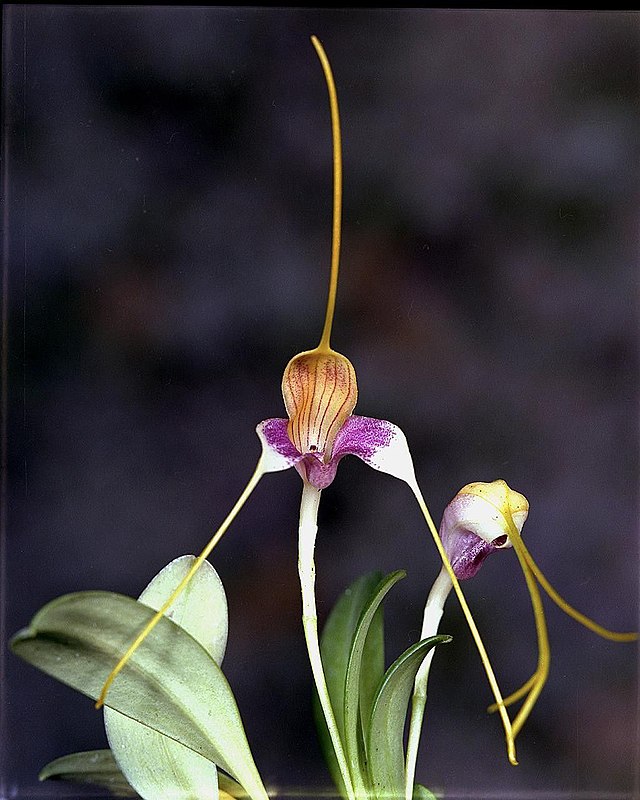
Masdevallia is a genus of orchids native to the cloud forests centered on the Andes Mountains of Central and South America. With their homeland in the misty, cool mountain regions at elevations of 1,500–3,000 meters, more than 500 varieties are known. Their most distinctive feature is the uniquely shaped flowers, with greatly developed sepals that transform into triangular, tubular, star-like, and other forms. The flowers come in a very diverse palette of colors—red, orange, yellow, purple, and white—and many varieties have sepals with thin, tail-like extensions at their tips, giving them an exotic atmosphere unlike other orchids.
The compact growth habit of the plants is also appealing, allowing multiple varieties to be enjoyed even in limited space. Although they lack pseudobulbs and have a simple growth form with flat leaves extending directly from the rhizome, some varieties produce flower stems successively from a single plant, offering enjoyment of their blooms over extended periods. With proper cool-environment maintenance, flower longevity can be 2–4 weeks, gaining high support not only from collectors but also from plant enthusiasts seeking distinctive plants.
Temperature Management|The Most Critical Factor in Cultivation Success
In Masdevallia cultivation, temperature management should be prioritized above any other factor. The basic ideal temperature range is 20–25°C during the day and 10–15°C at night. This day-night temperature differential also promotes flower bud formation, so incorporating natural temperature fluctuations well enhances the quality of cultivation.
The ideal temperature range varies depending on the variety.
- Cool type:Native to high elevations, preferring cool environments of 15–20°C. Most vulnerable to high summer temperatures.
- Intermediate type:Suited to mid-range temperatures. Relatively easy to grow stably at 20–25°C.
- Warm type:Native to lower elevations with some heat tolerance, but ideally below 28°C nonetheless.
Environments exceeding 30°C for extended periods can cause leaf yellowing, root damage, and ultimately plant death. Japanese summers present the greatest challenge, but successful cultivation is entirely possible in environments where air conditioning can maintain room temperature at 25°C or below. Winter management varies in cold hardiness by variety, so also refer to the Orchid Winter Care & Cold Protection Guide and prepare a location that can maintain 5°C or higher.
Humidity, Watering, and Potting Medium|Delicate Management of Plants That Dislike Drying
Masdevallia's natural habitat is perpetually shrouded in mist year-round, with extremely high humidity. In cultivation, maintaining 60–80% humidity is considered ideal. Insufficient humidity causes leaf tips to dry and die back, reducing overall plant vigor. Address this with a humidifier, the "humidity tray method" of placing the pot on a tray of water, or frequent misting around the pot.
Watering Timing
Because Masdevallia lacks pseudobulbs, they have low ability to store water internally and are more drought-sensitive than other orchids. The basic practice is to water as soon as the potting medium surface begins to dry—"over-drying" is forbidden. However, constantly soggy conditions invite root rot, so "ensuring airflow" and "adequate drainage" are prerequisites.
Choosing Potting Medium
- Sphagnum moss:High water retention and beginner-friendly. Plant firmly to ensure airflow.
- Fine-grade bark:Excellent drainage and easy to minimize root rot risk. Requires more frequent watering.
- Mixed potting medium:Sphagnum moss + perlite or fine-grade bark + sphagnum moss combinations are also effective. If drainage is the priority, switching to inorganic media such as the Orchid Semi-Hydro Cultivation Guide|Growing with LECA (Hydro Balls) is also an option.
Light, Fertilizer, and Repotting Basics
Light Exposure
Masdevallia dislikes strong direct sunlight. Their cloud forest habitat is a bright, shaded environment with diffused light. Indoors, a bright window behind a sheer curtain is suitable. Using a 50–70% shade net makes management easier. Insufficient light worsens flowering, so aim for a "bright shade" location.
Fertilizing
During the growth period (spring through fall), apply liquid fertilizer diluted to half the recommended concentration approximately every two weeks. Excess fertilizing risks root damage, so "dilute and frequent" is the rule. Reduce or withhold fertilizer during the hot summer period and true winter dormancy to reduce plant stress.
Repotting Timing
Repotting is needed when roots protrude from the pot or when potting medium has degraded and airflow has declined. As a guideline, repot every 1–2 years during the cool seasons of spring or fall. Carefully remove old potting medium without damaging roots, and trim any damaged roots with scissors.
Summer Overwintering Measures|Strategies for Growing in Japan's Climate
In Japanese summers, especially in the Kanto region and westward in flat areas, temperatures frequently exceed 35°C, posing extreme hardship for Masdevallia. Success in summer overwintering is the turning point for long-term cultivation.
Indoor air-conditioned management is the best strategy. If you have a room where air conditioning can maintain room temperature at 25°C or below, place the plant in a bright, shaded window location. This method is most reliable, and most varieties can thrive through the summer.
If air conditioning use is difficult, combine the following measures:
- Move to a well-ventilated north-facing eave or shaded area
- Keep air constantly moving with a fan or air circulator to prevent stagnation
- Use water sprinkling or evaporative cooling to lower local temperature
- Stop fertilizing completely during summer and minimize watering to suppress plant metabolism
Some experienced growers use small coolers or self-made/modified temperature-controlled growing cases. During extended heat waves, prioritize "plant survival" and defer growth and flowering expectations until cooler autumn arrives—a realistic approach.
GrowerDirect's Safe and Secure System
Masdevallia has low market circulation and is rarely found in typical garden centers. GrowerDirect provides an environment where you can purchase Masdevallia directly from growers who specialize in cultivating them.
GrowerDirect's growers have cultivation experience in Japan's climate and select "varieties suited to easy summer overwintering" and "types easy for beginners to grow" for listing. Before purchase, you can ask growers questions directly, making it possible to receive advice on variety selection suited to your home environment (whether air conditioning is available, light conditions of the placement location, etc.).
Continuous communication is possible even after purchase, so even beginners uncertain about cultivation methods can confidently start growing Masdevallia. With its distinctive flower form and cool, refreshing atmosphere, take your first step into the world of Masdevallia through GrowerDirect.