Cool-Growing Orchid Care Guide | Zygopetalum, Masdevallia, and Dracula Management
A guide to cool-growing orchid species (Zygopetalum, Masdevallia, Dracula, etc.) native to highland regions—their characteristics, required temperature management, and cultivation tips for growing them in Japan. A rare-genus growing guide requiring cultivation methods different from typical orchids.
Key Takeaways
A guide to cool-growing orchid species (Zygopetalum, Masdevallia, Dracula, etc.) native to highland regions—their characteristics, required temperature management, and cultivation tips for growing them in Japan. A rare-genus growing guide requiring cultivation methods different from typical orchids.
Related Species
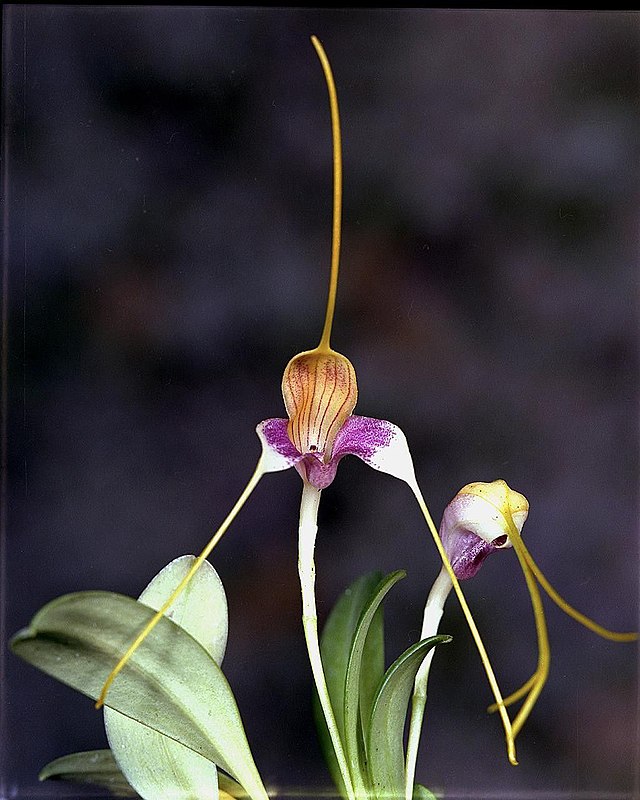
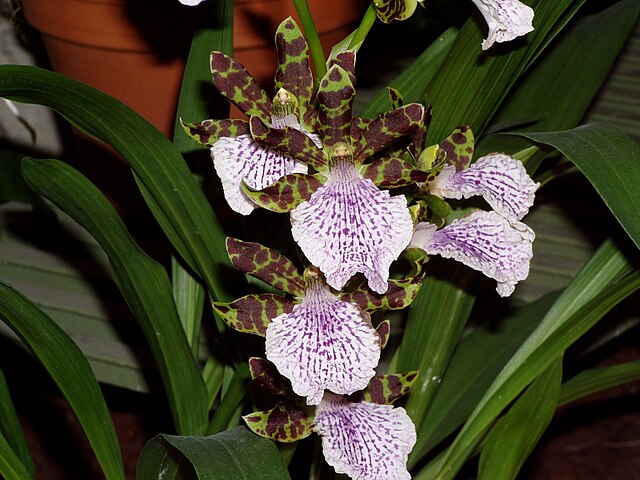
What are Cool-Growing Orchids? Their Characteristics and Basic Cultivation
When most people think of orchids, they imagine warmth-loving species such as Cattleya or Dendrobium. However, the orchid world is vast, and many species actually thrive in cool environments. The prime examples are Zygopetalum, Masdevallia, and Dracula.
Masdevallia and Dracula originate from high-altitude regions of the Andes Mountains and cloud forests shrouded in mist (Zygopetalum is native mainly to southeastern and southern Brazil). In environments at elevations of 1,500–3,000 meters, daytime temperatures hover around 20°C, and nighttime temperatures often drop below 10°C. Since these plants have adapted to such cool conditions, Japan's scorching summers present their greatest challenge. Conversely, once you overcome the summer heat, winter care is actually easier than for many other orchid types—they are quite hardy.
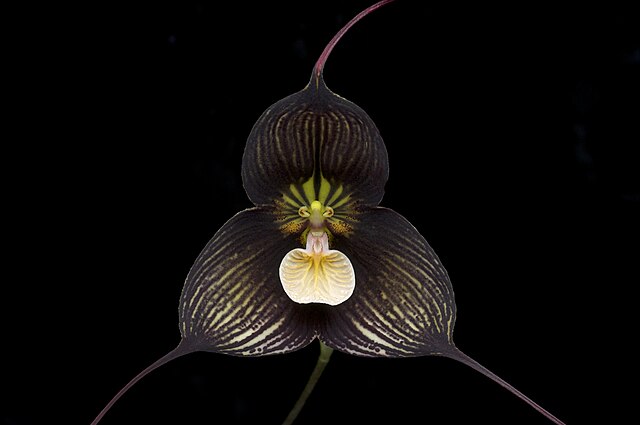
Among growers and enthusiasts, these orchids are called "cool-growing," and they are equally valued for their fantastical flowers. Dracula species in particular have blooms resembling tiny dragon faces, making them highly coveted by collectors.
Zygopetalum Care Methods
Zygopetalum (also written in English as Jigonpetalum) is relatively hardy among cool-growing orchids and is popular as a beginner species. They are characterized by blue-purple to purple lips and brownish or greenish sepals, and many varieties produce strong fragrance—another major attraction.
- Temperature management: The ideal growing temperature is 15–22°C during the day and 8–13°C at night. Above 25°C, growth slows; sustained temperatures of 30°C or higher easily trigger leaf burn and root rot. In Japan, June through September require the most attention. Using air conditioning to manage room temperature or moving plants to cool, high-altitude regions for summer is ideal.
- Light and placement: Avoid direct sunlight; bright indirect light or 50–60% shade is appropriate. An east-facing windowsill or a spot receiving morning sunlight only is best. Insufficient light results in poor flowering; using LED grow lights indoors can be effective.
- Watering and fertilizing: Plant in bark or sphagnum moss; water thoroughly when the surface dries. Overwatering causes root rot, so use pots with drainage holes. During the growing season (spring to autumn), apply diluted liquid fertilizer (N-P-K = 20-20-20 diluted 2,000–3,000 times) 2–3 times per month.
The Appeal of Masdevallia and Cultivation Tips
Masdevallia is a large genus with several hundred species native to high-altitude regions of Colombia and Peru, and their diverse flower forms captivate enthusiasts. They are characterized by developed, distinctive sepals that open in star or three-pronged forms, and vibrant colors including red, orange, yellow, white, and purple.
- Temperature management: Many Masdevallia species prefer conditions even cooler than Zygopetalum, ideally keeping the summer maximum below 25°C. Sustained temperatures above 28°C cause yellowing and leaf drop, potentially leading to death. Achieving proper summer care in Japan's flatlands is extremely difficult; some enthusiasts move plants to mountainous regions or use modified refrigerator units (cool chambers) for cultivation.
- Potting media and substrate: The roots are extremely fine and delicate, so sphagnum moss alone or a blend of fine-grain bark and moss is commonly used. Root crowding weakens the plant, requiring repotting every 2–3 years. Spring repotting is most suitable; trim old roots and move to a pot one size larger.
- Humidity and airflow: Masdevallia loves high humidity (60–80%) but is sensitive to stagnant air—a contradictory requirement. The key is maintaining humidity while promoting air circulation; running a small fan to provide constant gentle airflow is the standard approach. For detailed guidance on humidity management equipment, see Orchid Humidity Management Techniques.
Dracula: Cultivating the Mysterious Orchid
The Dracula genus, separated from Masdevallia, grows primarily in the misty cloud forests of Colombia and Ecuador. True to its name (Latin for "little dragon"), its flowers have peculiar shapes; one species (Dracula simia) resembles a monkey's face and is famous worldwide.
- The ultimate challenge: Temperature and humidity: Among cool-growing orchids, Dracula has the strictest requirements—a summer maximum of 20°C or below and nighttime temperatures around 10°C are ideal. Humidity must be maintained constantly at 80–90%. Achieving this in an average Japanese home is extremely difficult, and a dedicated terrarium or modified refrigerator case is virtually essential. If you are interested in closed-environment cultivation, Growing Orchids in Terrariums is also helpful.
- Distinctive pendulous flower stems: Dracula flower stems grow downward, so instead of standard pots, use slit pots or basket-type containers, suspending the plant so flower stems droop from below the roots. This unique flowering habit is itself part of its charm.
- Advice for beginners: Before purchasing Dracula, confirm that you can provide a cool environment. Without proper cooling setup going into summer, the plant weakens rapidly. It is wiser to first gain experience managing cool-growing orchids with Masdevallia before advancing to Dracula.
Common Summer Survival Strategies
The greatest shared challenge for all three genera is Japan's summer. Combine the following measures to overcome it.
- Air conditioning management: The most reliable method is to set up a dedicated room or shelf managed with air conditioning. Set the temperature around 23–25°C (20–22°C for Masdevallia and Dracula), lowering it slightly at night to promote flower bud formation.
- Cooling packs and frozen water bottles: If concerned about cost, placing frozen water bottles around the plant for localized cooling is also effective. Meltwater droplets additionally help maintain humidity.
- Shading and leaf misting: Increase the shading rate to 70–80% in summer, and mist foliage (twice daily, morning and evening) to promote evaporative cooling. However, avoid leaving foliage wet overnight as temperatures drop, as this invites disease; finish evening watering early.
- High-altitude refuge: Moving to high-elevation or high-latitude regions such as Nagano, Gifu, or Hokkaido is also effective. Within enthusiast communities, "summer boarding" networks among members exist.
Purchasing and Selection Tips
Cool-growing orchids are rarely stocked in general garden centers. Purchasing from specialized orchid nurseries or directly from growers offers advantages in both quality and price.
When selecting, always check the root condition. Roots that are white and firm indicate a healthy plant. Avoid specimens with yellowing leaves or shriveled pseudobulbs. For Masdevallia and Dracula, confirming that the potting media is not excessively dry is also an important check.
On grower-direct marketplace sites, choosing producers who share information about their growing environment makes it easier to receive post-purchase support. For beginners, start with Zygopetalum, advance to Masdevallia as you gain experience, then progressively tackle Dracula—this step-by-step approach is the key to long-term enjoyment. The world of cool-growing orchids is deep and complex; once captivated by its charm, many enthusiasts willingly invest in temperature control equipment. GrowerDirect features producers specializing in these cool-growing varieties, allowing you to select plants suited to your own setup by directly discussing cultivation details with them.