Orchid Semi-Hydro Cultivation Guide | Growing Orchids with LECA (Hydroballs)
A guide to semi-hydro cultivation of orchids using LECA (hydroballs). We explain the method, its advantages and disadvantages, suitable varieties, transition steps, and tips for watering and fertilizer management in an easy-to-understand way for beginners.
Key Takeaways
A guide to semi-hydro cultivation of orchids using LECA (hydroballs). We explain the method, its advantages and disadvantages, suitable varieties, transition steps, and tips for watering and fertilizer management in an easy-to-understand way for beginners.
Related Species
Semi-Hydro Cultivation: A New Approach to Growing Orchids with LECA
Semi-hydro cultivation is a growing method that uses LECA (Lightweight Expanded Clay Aggregate—lightweight expanded clay pellets), an inorganic granular medium, and maintains a small amount of water at the bottom of the pot at all times. True to its name, "Semi" (meaning half), it is not purely hydroponic cultivation, but rather a hybrid technique that combines solid medium with water management.
Traditional orchid cultivation typically uses sphagnum moss or bark chips, but these degrade over time and require periodic repotting. LECA consists of fired clay pellets that maintain their shape and properties over the long term, so once obtained, they can be used semi-permanently. This cultivation method, which has recently gained popularity among houseplant enthusiasts, is attracting attention in orchid cultivation as well due to its ease of management and the ease of maintaining healthy roots.
Advantages and Disadvantages of Semi-Hydro Cultivation
Advantages
- The medium does not degrade: Sphagnum moss and bark break down and deteriorate within 1–2 years, but LECA can be used semi-permanently. The frequency and effort required for repotting are greatly reduced.
- Watering management is easy to understand: If you use a transparent container, the water level can be visually confirmed, making it intuitive to decide "when to water."
- Low risk of root rot: LECA is porous and highly breathable, allowing adequate air to reach the roots. Unlike sphagnum moss, it rarely becomes waterlogged.
- Easy to keep clean: Because the medium is inorganic, it is less prone to becoming a breeding ground for mold and pests, making it easy to maintain a hygienic environment.
- Easy to observe root condition inside the pot: Using a clear container allows you to check the color and condition of roots on a daily basis. For a more detailed guide on assessing root health, see also Orchid Root Management | Checking Health by Root Color and Condition.
Disadvantages
- Plants tend to experience stress during transition: A plant that has been grown in sphagnum moss for a long time typically requires a 2–4 week acclimatization period before adjusting to the new environment.
- Fertilizer management differs from normal: Because the inorganic medium does not retain nutrients well, regular liquid fertilizer management is essential.
- The medium is heavy: LECA is heavier than sphagnum moss and may not be suitable for hanging displays or frequently moved displays.
- Initial investment required: Purchasing a dedicated container and LECA involves some upfront cost.
Orchid Varieties Suited to Semi-Hydro Cultivation
Not all orchids are suitable for semi-hydro cultivation; suitability depends on the characteristics of the variety.
Varieties with particularly good compatibility
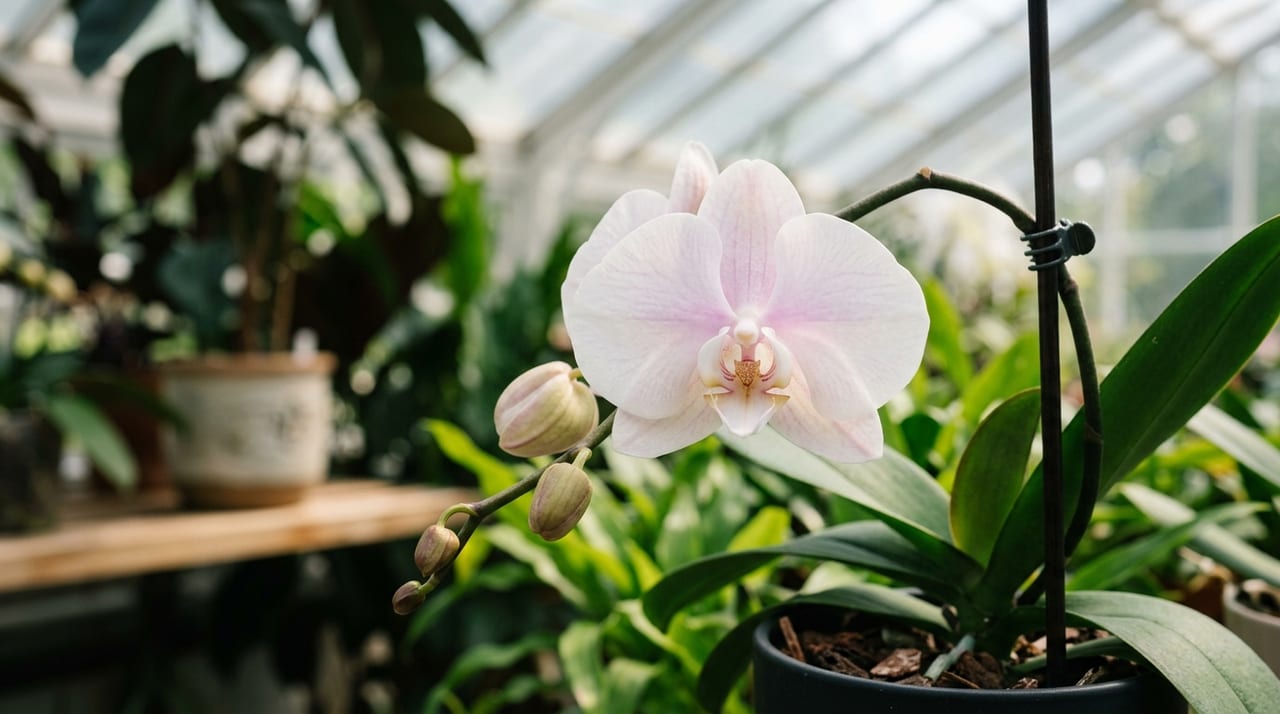
- Phalaenopsis (moth orchids): They have thick, sturdy aerial roots that grip firmly between the LECA pellets. They are highly adaptable and are the most recommended variety for a first-time semi-hydro attempt.
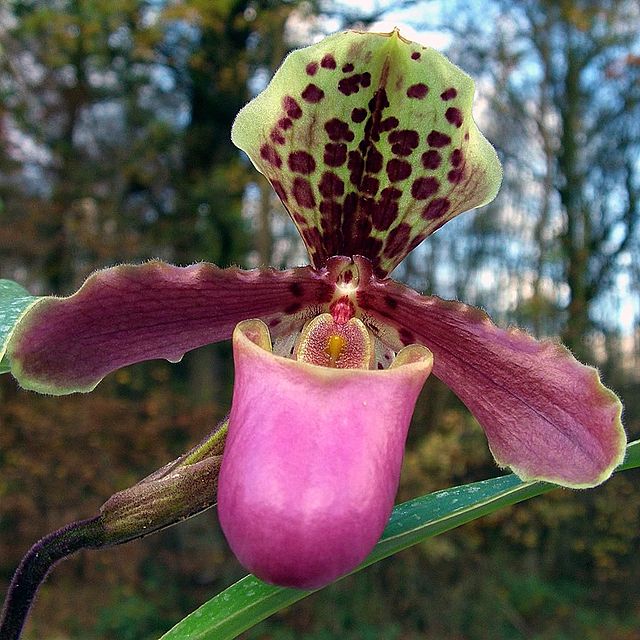
- Paphiopedilum: As a terrestrial orchid, it prefers relatively humid environments and is well-suited to LECA.
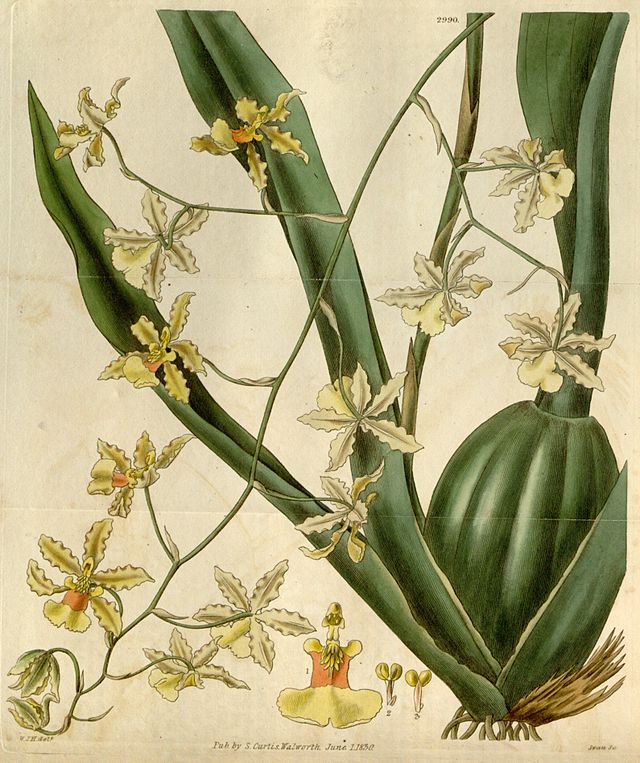
- Oncidium: Although the roots are somewhat fine, there are many examples of successful semi-hydro cultivation under proper care.
- Dendrobium (some varieties): Vigorous-growing varieties tend to establish quickly after the transition.
Varieties not well-suited
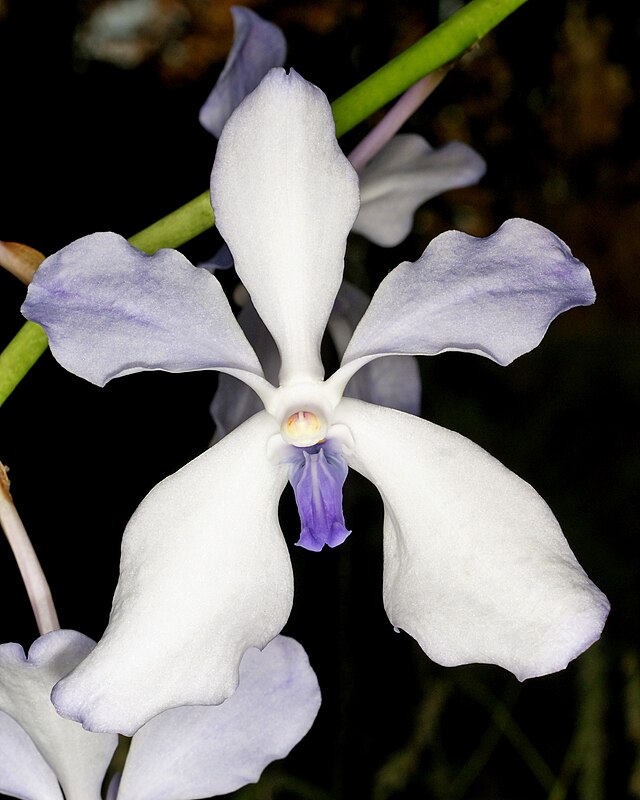
- Vanda: Because of its preference for high humidity in the air, it can dry out excessively in an environment without sphagnum moss.
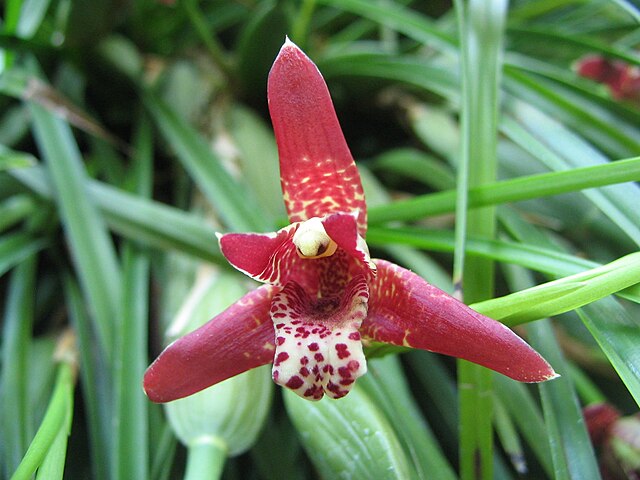
- Varieties with extremely fine roots: Very delicate root systems like Lepanthes and Maxillaria may be damaged by contact with LECA.
For those trying semi-hydro for the first time, starting with the highly adaptable and robust Phalaenopsis is wise. After gaining successful experience, you can challenge other varieties, and the management techniques will come naturally.
Transition Steps and Pot Selection
Preparing the Pot and Container
In semi-hydro cultivation, you use a clear cup (transparent plastic container) without holes or a dedicated semi-hydro pot. The absence of holes allows water to accumulate at the bottom of the pot, and the transparency makes it easy to check the roots and water level. Combining an outer pot with a cache pot also improves the appearance.
Transition Steps
- Remove the plant from its current pot: Remove the plant from the existing pot, and gently remove the sphagnum moss and bark from the roots. Rather than pulling forcefully, wash gently with water to remove debris with minimal damage.
- Organize the roots: Remove damaged, dead, or rotted roots with clean scissors or pruning shears. It is advisable to apply a fungicide (cinnamaldehyde-based, for example) to the cut edges.
- Soak the roots in water: Soak them in lukewarm water for about 30 minutes to restore flexibility to the roots and reduce stress during the LECA transition.
- Set up the LECA: Rinse the LECA thoroughly with water before use, then place about one-third of the pot's height of LECA at the bottom of the pot. Position the plant and fill around and on top with LECA to stabilize it.
- Set the initial water level: Fill the pot with water to about 2–3 cm from the bottom (no more than one-third of the pot height).
- Acclimatization period: For 2–4 weeks after the transition, manage the plant in a bright, shaded location away from direct sunlight. Once new roots begin to appear, move it to its usual location.
Daily Watering and Fertilizer Management
Watering Rhythm
Water management in semi-hydro cultivation is very straightforward. Once the water at the bottom of the pot is completely gone, wait 1–2 days as is, then water again to about one-third of the pot height. Continuously keeping water pooled can cause root rot, so the cycle of "water runs out → drying period → watering" is crucial.
If you use a transparent container, you can see the water level at a glance, and it becomes almost impossible to misjudge the timing of watering. If you use tap water, for those concerned about chlorine, using water that has been left to sit overnight is gentler on the roots.
How to Apply Fertilizer
Because LECA is an inorganic medium, it does not supply nutrients on its own. During the growing season (spring through autumn), apply liquid fertilizer 2–3 times per month, diluted to about one-quarter to one-fifth of normal strength, at the time of watering. Orchid-specific liquid fertilizer or a balanced fertilizer for semi-hydro cultivation (with equal nitrogen, phosphorus, and potassium) is appropriate. For more detailed information on how fertilizer application differs from normal media, see also How to Apply Orchid Fertilizer and Timing | Fertilizer Calendar by Type.
Additionally, once a month perform "flushing" by rinsing the entire pot with plain water only to remove accumulated fertilizer salts within the LECA. Neglecting this can lead to "fertilizer burn," where the root tips die, so be sure not to forget.
Summary | Start Semi-Hydro Growing with Healthy Plants from GrowerDirect
Once you master the technique, semi-hydro cultivation is far easier than traditional sphagnum moss management, and it adds the pleasure of observing root condition daily. For those who struggle with "not knowing how often to water" or "discovering root rot unexpectedly," semi-hydro cultivation—with its visible water level—is an ideal growing method.
The key to success is starting with a plant that has healthy, well-developed roots. A weakened plant or one with few roots may not withstand the environmental change, increasing the risk of a failed transition.
At GrowerDirect, you can purchase healthy, well-grown orchids directly from specialist growers. Many growers practice semi-hydro cultivation themselves and can answer specific questions such as "which varieties are suitable" and "when is the best time to transition." Because there is an environment where you can ask growers directly about cultivation questions and concerns, those attempting semi-hydro for the first time will receive strong support.
Take your first step toward a new growing style by starting with a meeting with a trustworthy grower.