Introduction to Orchid Epiphytic Cultivation | Methods for Board-Mounting and Driftwood-Mounting and Management Tips
Learn how to cultivate orchids by mounting them on boards or driftwood instead of keeping them in pots. This guide covers how to choose cork bark, tree fern panels, and driftwood, techniques for wrapping sphagnum moss, watering frequency, and wall-mounted display ideas.
Key Takeaways
Learn how to cultivate orchids by mounting them on boards or driftwood instead of keeping them in pots. This guide covers how to choose cork bark, tree fern panels, and driftwood, techniques for wrapping sphagnum moss, watering frequency, and wall-mounted display ideas.
Related Species
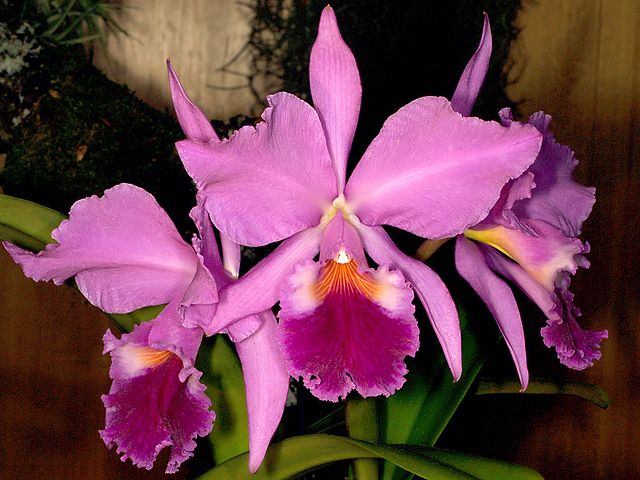
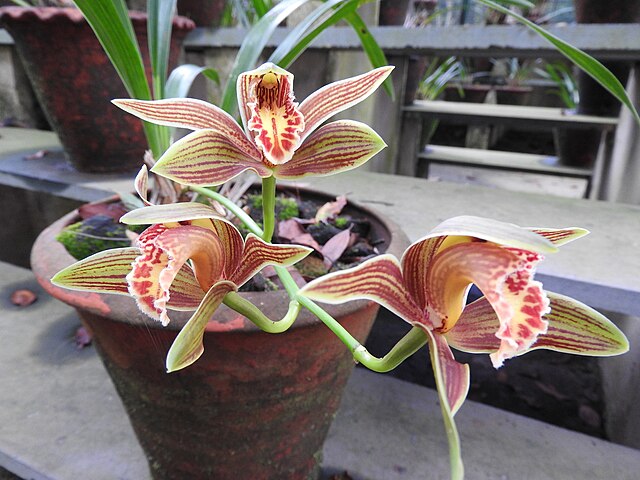
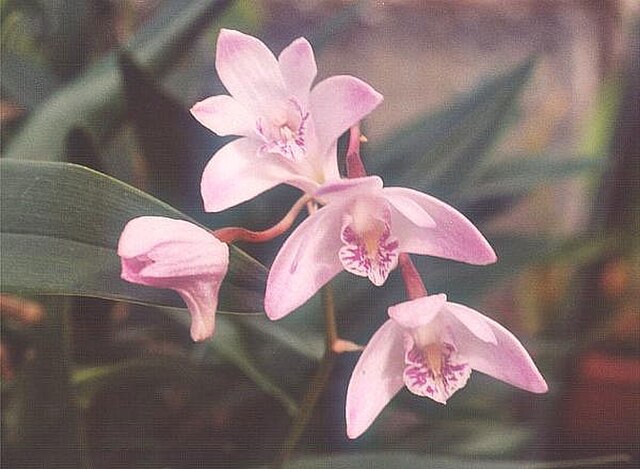
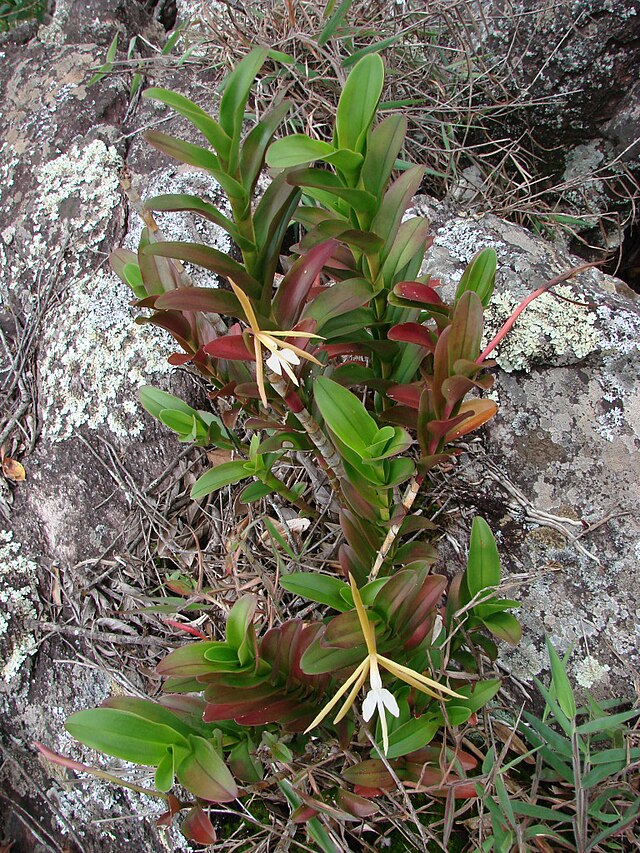
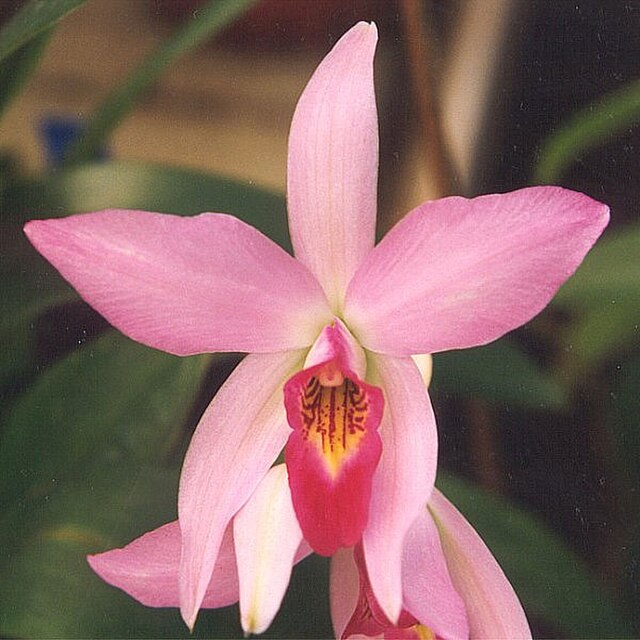
Epiphytic orchid cultivation is a method of growing orchids by attaching roots to cork bark, tree fern panels, driftwood, and similar materials rather than planting them in pots. It recreates an environment similar to how orchids naturally grow on trees in the wild, offering the appeal of easily viewing root development and enjoying the plants as wall-mounted décor. This approach offers a wild beauty distinct from potted cultivation, and is a method we encourage intermediate and advanced orchid enthusiasts to try for an even richer cultivation experience.
Orchids Suitable for Epiphytic Cultivation
Not all orchids are suitable for epiphytic cultivation. Those best suited are epiphytic orchids that naturally grow with roots attached to tree bark or rocks in their native habitats.
- Mini-Cattleyas and Laelias: Have thick roots that are drought-tolerant. Mini-Cattleyas are compact and consolidate nicely on boards
- Brassavola nodosa: Hardy and beginner-friendly. Features fragrant flowers with a sweet nighttime scent
- Dendrobiums: Have slender stems that mount easily. Kingiana types are especially suitable
- Bulbophyllums: Their sprawling habit suits board-mounting well. They offer unique flowers
- Mini-Phalaenopsis (Mini Moth Orchids): Easy to mount on boards and very popular. Their roots have a beautiful green glow
- Epidendrums: Spread fine roots widely and grow well on cork
Conversely, terrestrial orchids like Cymbidiums and Paphiopedilums, which have roots that burrow into potting media, are unsuitable for epiphytic cultivation.
Choosing Materials and Comparing Characteristics
Cork Bark
The most popular material. It is lightweight with excellent air circulation, and its rough surface makes it easy for orchid roots to attach. Thicker boards have better water retention and are easier to manage. Natural cork with a bark-like texture, different from wine corks, is best. Portuguese virgin cork is the most readily available and offers consistent quality.
Tree Fern Panels
Made from the stems of tree fern (Heigo), these panels have abundant fiber with excellent balance between water retention and air circulation. Orchid roots easily intertwine and attachment rates are high. Downsides include being heavy and becoming harder to source due to environmental conservation efforts. Tree fern panels are sometimes used as an alternative.
Driftwood
When using collected or commercially available driftwood, choose rot-resistant types like Kornus, oak, or chestnut for longevity. You can create natural displays taking advantage of the wood's irregular form. Before use, thoroughly rinse, boil, and dry to remove insects and mold. Aquarium driftwood is convenient as much of it comes pre-boiled.
| Material | Water Retention | Air Circulation | Weight | Durability | Availability |
|---|---|---|---|---|---|
| Cork bark | Moderate | High | Light | 5-10 years | Easy |
| Tree fern panel | High | High | Somewhat heavy | 3-5 years | Somewhat difficult |
| Driftwood | Low | Moderate | Varies | 3-7 years | Easy |
Board-Mounting Steps
What You'll Need
- Cork bark or driftwood
- Sphagnum moss (high-quality, such as New Zealand sourced)
- Fishing line (monofilament) or soft wire
- Scissors, spray bottle, and fungicide
Procedure
- Rehydrate the moss: Soak dried sphagnum moss in water until fully rehydrated, then gently squeeze out excess water
- Prepare the roots: Remove old or damaged roots from the plant removed from the pot using scissors. Applying fungicide to cut ends helps prevent infection
- Wrap the moss: Bundle the roots with a thin layer of sphagnum moss (about 1-2 cm). Be careful not to use too much moss, as it will be difficult to dry
- Secure to the board: Place the moss-wrapped plant against the board and secure with fishing line or soft wire. Secure firmly enough that the roots don't move, but not so tight as to cause damage
- Prepare for hanging: Drill a hole in the board or attach hanging wire with a hook for wall mounting
- Allow drying: After securing, refrain from misting for 1-2 days to allow the cut root ends to dry
Immediately after board-mounting, roots are not yet secured, so avoid strong wind and keep the plant in a stable location. After 2-3 months, roots will begin to attach to the cork or driftwood.
Watering and Daily Care
Watering Methods
Because epiphytic cultivation dries quickly, watering frequency is higher than with potted plants.
- Misting: Spray once daily to every two days, thoroughly moistening the roots and all the sphagnum moss. A pressurized spray bottle produces fine mist for greater efficiency
- Bucket soaking: Once or twice weekly, submerge the entire board in a bucket of water for 10-15 minutes. This is a recommended method as it ensures moisture reaches deep into the moss
Seasonal Adjustments
- Spring (growth begins): Increase watering frequency once new roots and shoots emerge
- Summer (active growth): Increase watering frequency and water immediately when roots dry out. During intense heat, watering twice daily (morning and evening) is ideal
- Fall: Gradually reduce watering as temperatures drop
- Winter (dormancy): Reduce watering and water only after roots turn white. Water in the morning on warm days
Fertilizing
During the growing season (April-October), apply diluted liquid fertilizer about twice monthly, mixed into spray water. Dilute to at least twice the normal strength. Since epiphytic cultivation has minimal potting medium, fertilizer accumulation is unlikely, making regular light fertilization effective.
Wall-Mounted Display Ideas
- Driftwood arrangement: Attach multiple varieties to a large piece of driftwood and display as wall art
- Cork wall: Hang multiple mounted plants randomly on a cork board to create a gallery wall effect
- Window hanging: Suspend with S-hooks from a curtain rod or tension rod to capture natural light
- Terrarium-style arrangement: Set cork boards in glass frames or hoops and combine with moss and other plants
- Framed display: Set cork boards in antique frames and hang as if they were paintings
Troubleshooting
- Roots not attaching: Caused by loose securing or too much moss. Rewrap the fishing line and reduce moss, then resecure
- Mold on moss: Caused by insufficient air circulation. Use a fan to improve air flow and review watering frequency
- Board rotting: Wood deteriorates with extended use. Transfer the plant to a new board
Purchase with Confidence at Bri-choku
To start epiphytic cultivation, you need healthy, well-established plants with strong roots. At Bri-choku, you can purchase quality plants directly from growers specializing in epiphytic orchids and consult in detail about material selection and attachment techniques before purchase. Some growers even sell pre-mounted finished pieces, allowing beginners to enjoy the beauty of epiphytic cultivation right away. Begin creating your own natural display with plants from trusted sources.