Orchid Potting Media Guide | How to Choose Between Sphagnum Moss, Bark, and Pumice
Explaining the characteristics of different orchid potting media and the types of orchids suited to each. This guide also covers compatibility with clay and plastic pots, mixing recipes, and timing for media replacement.
Key Takeaways
Explaining the characteristics of different orchid potting media and the types of orchids suited to each. This guide also covers compatibility with clay and plastic pots, mixing recipes, and timing for media replacement.
Related Species
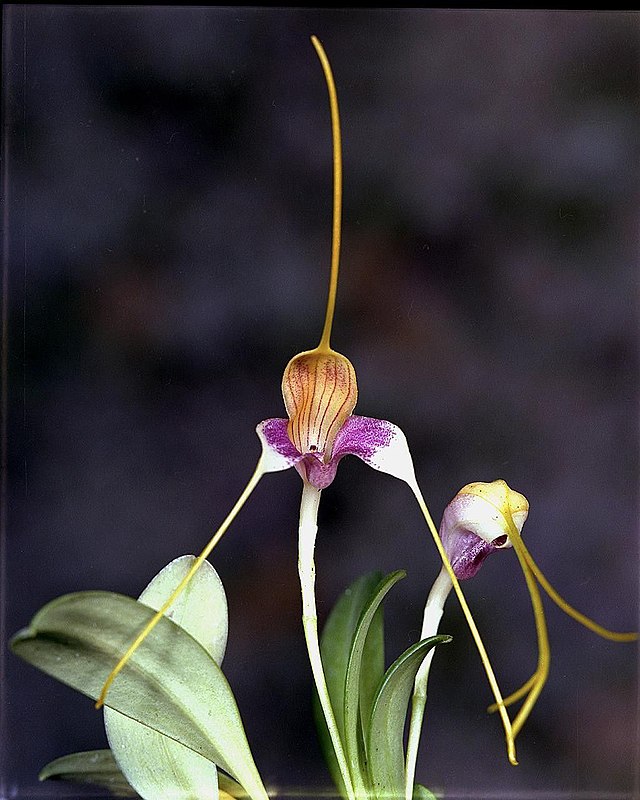
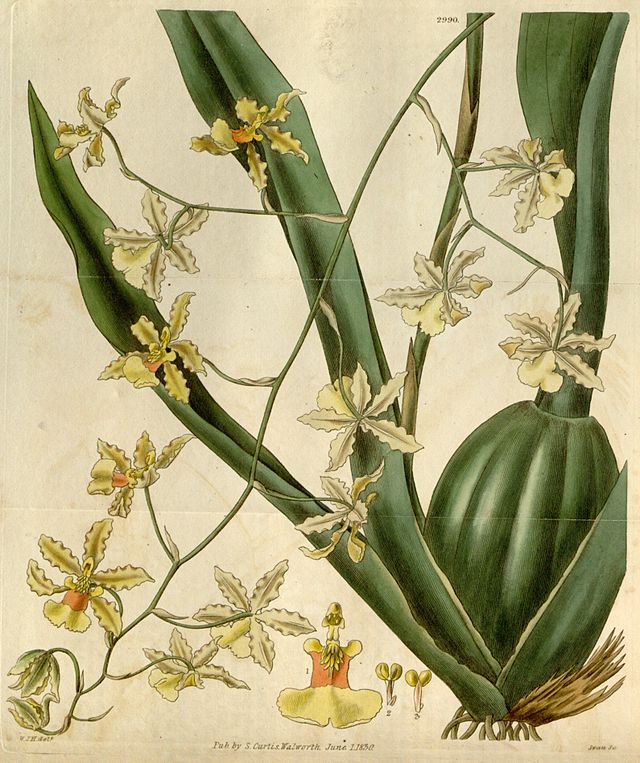
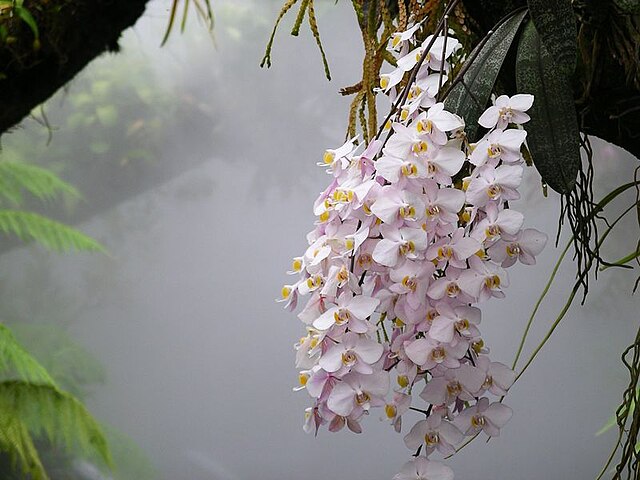
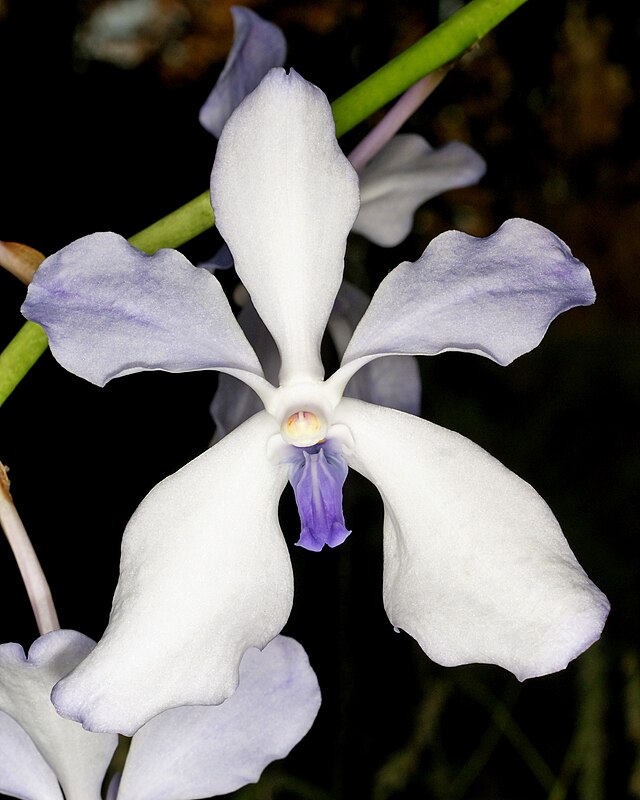
When growing orchids, the first thing that often puzzles people is that they don't use soil. Unlike typical plants, orchids require a specialized material called "potting media." How you choose this potting media alone can significantly affect the health of the roots, the frequency of watering, and the overall growth rate of the plant. In this article, we will explain the characteristics and proper use of three representative types of potting media—sphagnum moss, bark, and pumice—in a way that's easy for beginners to understand.
Why Do Orchids Use "Potting Media"?
Most orchids are "epiphytes." In nature, rather than living in soil, they attach firmly to tree trunks or rocky surfaces, absorbing moisture and rainwater from the air. The state where roots are constantly exposed to air is their natural form, and materials like regular potting soil that retain water will cause roots to suffocate and rot easily.
Orchid roots, as epiphytes, have developed a tissue structure called the "velamen layer"—a white, spongy tissue. This layer rapidly absorbs moisture and nutrients, while also preventing water evaporation during dry periods. It is crucial that potting media maintains a balance between aeration and water retention without hindering the function of this velamen layer.
Additionally, potting media recreates the environment of the plant's original habitat. Species from hot, humid tropical rainforests and species from regions with dry seasons require completely different amounts of moisture. Understanding the characteristics of the species and selecting potting media accordingly is the foundation of long-term plant care.
Sphagnum Moss: Characteristics and Usage
Sphagnum moss is one of the most widely used orchid potting media. The dried material is rehydrated, gently squeezed, and then used to wrap around the roots.
Advantages
- High water retention: Once saturated, it maintains moisture for long periods, reducing watering frequency
- Antibacterial and antimicrobial properties: The natural antimicrobial compounds in sphagnum moss help prevent root rot
- Excellent plant stability: The tightly encasing roots make it ideal for managing small plants or those with weakened roots
Disadvantages
- Reduced drainage from degradation: With continued use, the fibers break down and become compacted, worsening drainage. Replacement is recommended every 2-3 years
- Prone to excess moisture: Overwatering can cause waterlogging and root rot
Suitable Orchid Types
Phalaenopsis (moth orchids), Paphiopedilum (lady's slipper orchids), Masdevallia, and other species that prefer high humidity and cool temperatures are well-suited. It's also effective for species with fine roots that are sensitive to dryness.
Usage Tips
The key is not to pack the sphagnum moss too tightly, but rather to arrange it so there are adequate gaps around the roots. When combined with unglazed clay pots, excess moisture can evaporate more easily from the sides, preventing waterlogging.
Bark: Characteristics and Usage
Bark is a chipped material made from the bark of pines, Douglas firs, and other trees, which is then dried. It excels in aeration and drainage, and is widely used by orchid enthusiasts worldwide.
Advantages
- Superior aeration and drainage: Water dries quickly after watering, significantly reducing the risk of root rot
- Long-term usability: Decomposes more slowly than sphagnum moss, and many varieties can be used for 3-5 years without replacement
- Promotes natural root growth: The numerous air spaces create an environment where thick, healthy roots develop easily
Disadvantages
- Low water retention: It dries quickly, requiring more frequent watering
- Difficult establishment after repotting: Fresh bark has water-repellent properties, so initially it needs to be thoroughly watered several times to wet the material
Suitable Orchid Types
Cattleya, Dendrobium, Oncidium, and other species that prefer aeration and require distinct wet/dry cycles are ideal.
Usage Tips
Choose bark size based on your plant's size. Fine-grade bark is suitable for seedlings and species with delicate roots, while medium-grade works well for plants of standard size. Plastic pots are ideal for bark, and transparent pots make it easy to check root condition from the sides.
Pumice and Volcanic Stone: Characteristics and Usage
Pumice and volcanic stone are inorganic materials chosen when maximum aeration is desired. While often used as pot drainage material, they can also be used independently.
Advantages
- Exceptionally high aeration: As an inorganic material, there is no organic decomposition, making root rot extremely unlikely
- Virtually indefinite use: Never degrades, so replacement is not needed over long periods, offering excellent cost-effectiveness
- Excellent plant stability: Its weight keeps tall plants from tipping over
Disadvantages
- Low water retention: Dries quickly, requiring increased watering and liquid fertilizer application
- Contains no nutrients: As an inorganic material, fertilizer management becomes more critical
Suitable Orchid Types
Cattleya (lithophytic species), Vanda (bareroot management), Cymbidium, and other species that prioritize root aeration are well-suited. Experienced growers who prefer drier management also choose this option.
Potting Media Combination Techniques
Rather than using a single material, combining multiple materials allows each to compensate for the weaknesses of the others.
- Sphagnum moss + bark blend: Balanced water retention and aeration—a versatile type that's beginner-friendly and works with a wide range of species
- Bark + pumice blend: Effective for maximizing drainage. Ideal for serious management of Cattleyas and Dendrobiums
- Two-layer structure (pumice at bottom, sphagnum moss on top): Prevents waterlogging at the pot base while reducing drying at the surface—a balanced approach popular for home orchid cultivation
The optimal media varies depending on your growing environment (room humidity, temperature, and light exposure). It's important to start with basic materials, observe your plant's condition, and adjust as needed.
GrowerDirect's Peace of Mind and Safety
Since the appropriate potting media varies greatly depending on the orchid species, beginners often wonder "which one should I choose?" At GrowerDirect, since you can purchase orchids directly from growers, you can ask growers directly about the type of potting media and care methods before purchasing.
Professional growers are intimately familiar with the potting media best suited to the species they grow, and many sellers provide cultivation advice as part of their after-purchase support. There's also the reassurance that the potting media is already installed when it arrives, so you can begin growing immediately.
As you gain experience with orchid cultivation, you can experiment with changing the media or trying custom blends that suit your environment. First, find your ideal orchid on GrowerDirect and begin your journey into life with orchids.