How Are Hybrid Orchid Names Decided? The Mechanism of the RHS International Registration System
The names of hybrid orchid grex are centrally managed by the Royal Horticultural Society (RHS) as an international registration authority. This article explains the difference between grex names and cultivar names, the history of Sander's List, and the registration process.
Key Takeaways
The names of hybrid orchid grex are centrally managed by the Royal Horticultural Society (RHS) as an international registration authority. This article explains the difference between grex names and cultivar names, the history of Sander's List, and the registration process.
Related Species
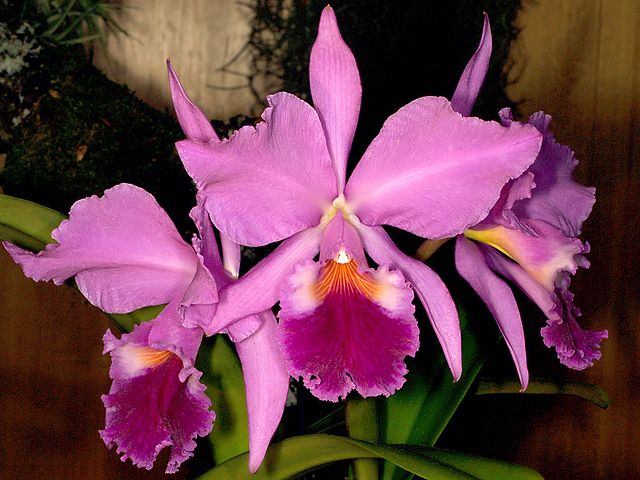
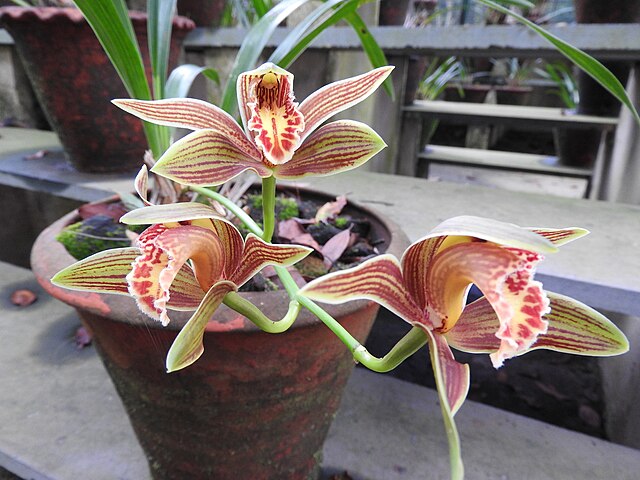
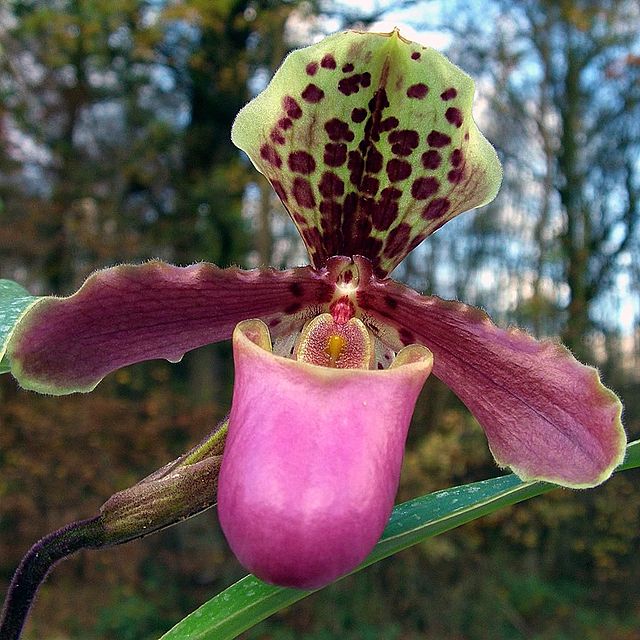
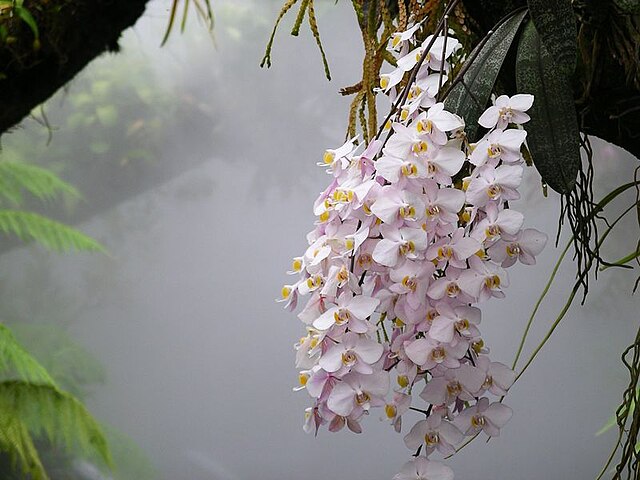
On labels of hybrid orchids commonly sold in the market, you may often see hybrid names like "○○ × △△" or cultivar names like "'○○'." In fact, these names are not freely assigned by breeders, but are based on a system where the Royal Horticultural Society (RHS) serves as an international registration authority that centrally manages them. The RHS serves as an International Cultivar Registration Authority (ICRA) for hybrid orchids and continues to record the names of new hybrids created worldwide. In this column, we will organize and explain how the "grex name" and "cultivar name" that you see when purchasing or researching orchids are determined and registered.
What Is a Grex Name—A Hybrid Name as a Collective Term
The first key concept to understand when learning about hybrid orchid names is "grex." A grex is a collective name given to the entire progeny resulting from crossing two specific parent plants—in other words, all the seedlings (offspring grown from seed) produced from the same parental cross. For example, if a new grex name is assigned to a Cattleya hybrid, all the plants resulting from that cross will share the same grex name. In other words, a grex name does not refer to an individual plant, but rather to "the bloodline and combination of that cross"—thinking of it this way makes it easier to understand.
On the other hand, when an outstanding individual plant is selected from a grex—one with superior flower form, color, size, and other qualities—and is propagated as an identical clone through division or micropropagation, a separate "cultivar name (clone name)" is assigned to identify that specific plant. By international convention, cultivar names are written in single quotation marks and are typically placed after the grex name.
The differences between grex names and cultivar names can be summarized as follows:
| Name | What It Refers To | Notation Rules |
|---|---|---|
| Grex name | All seedlings resulting from a cross between two specific parents. Refers to the "genetic blueprint" of the cross | A collective name shared by all plants from that cross |
| Cultivar name (Clone name) | An individual plant selected from a grex | Enclosed in single quotation marks and written after the grex name |
By remembering that a grex name refers to the "genetic blueprint" of a cross while a cultivar name refers to an individual plant selected from that grex, you will find it easier to understand orchid label notation.
From Sander's List to Today's RHS Registration
The practice of registering hybrid orchids actually has a long history. Originally, Sander's, a British horticultural company, compiled a registry called "Sander's List of Orchid Hybrids" by collecting and organizing records of hybrid orchids being created around the world. The first edition of this list was published in 1946, and it continued to be widely referenced as the authoritative source for hybrid orchid registration. From 1961 onward, the RHS formally took over this registration work and continues to manage hybrid orchid registration to the present day. Today, this is published as the online database "International Orchid Register," which allows anyone to search through the vast records of hybrids registered by breeders worldwide. However, since detailed points such as the precise history, dates, and scope of registration covered at that time cannot be fully detailed in this column summary, we recommend consulting the official RHS International Orchid Register directly if you need accurate information.
Who Registers, and How
When a breeder creates a new orchid hybrid, they assign a name to the cross and submit a registration application to the RHS. The specific process is as follows:
- The breeder assigns a name (grex name) to the new hybrid and submits a registration application to the RHS
- Through the online registration system provided by the RHS (International Orchid Register), the breeder submits information about the parents of the cross (the pollen parent and seed parent) and the desired new grex name
- The RHS checks whether the proposed name duplicates any already-registered hybrid names and whether it conforms to the established naming conventions
- If there are no issues, the name is officially added to the database
This system prevents the chaos that could result from different names being assigned to the same cross in different parts of the world, or conversely, the same name being applied to completely different crosses. In actively bred genera such as Paphiopedilum and Cymbidium, new hybrids are registered daily, and the International Orchid Register continues to be updated.
Knowing the Registration System Changes How You Read Labels
Knowing about this registration system changes how you read orchid names on labels. A grex name indicates which cross a plant comes from, and when a cultivar name in single quotation marks is also listed, it means that plant represents a particularly selected line within that grex. Even in widely cultivated genera like Phalaenopsis, if you trace the lineage of the crosses, you can see that today's varieties exist as a result of these accumulated international registrations. When selecting an orchid, if you take time to study the name on the label, you may come to appreciate how that single plant represents the continuation of a history of crosses and registrations by breeders around the world. On GrowerDirect, you can purchase orchids grown by growers from across the country online, and we plan to continue introducing the background of such crosses and naming in future columns.