Annual Maintenance Cost Guide for Succulents | Costs for Potting Mix, Pots, Fertilizer, and Shade Cloth
Guide to annual maintenance costs for succulents. Learn about the costs for potting mix, pots, fertilizer, pesticides, shade cloth, and grow lights, plus how to enjoy them on a budget.
Key Takeaways
Guide to annual maintenance costs for succulents. Learn about the costs for potting mix, pots, fertilizer, pesticides, shade cloth, and grow lights, plus how to enjoy them on a budget.
Related Species
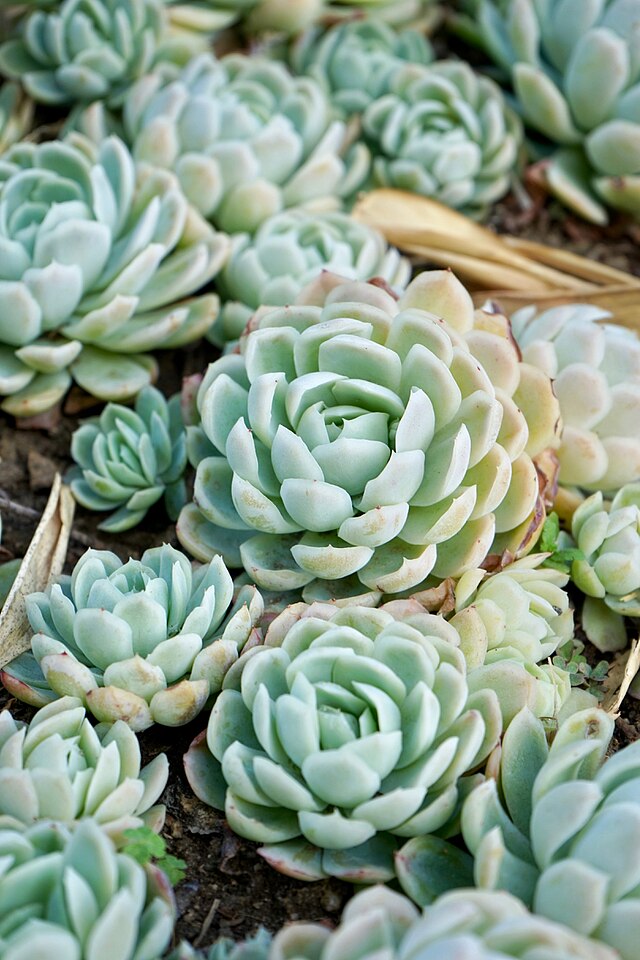
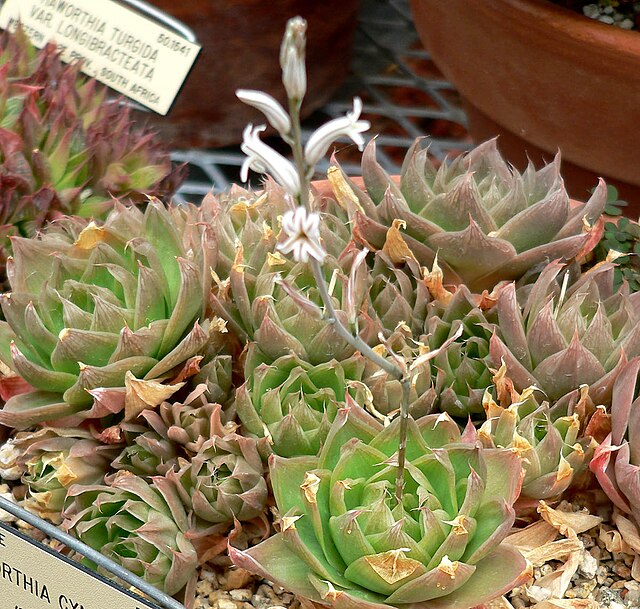
Succulents are known for their hardiness—some say they'll grow even if you forget to water them—making them a hobby well-suited to beginners. However, as your collection grows, the costs for potting mix, pots, and maintenance supplies add up quickly. Many gardeners have said, "Before I knew it, I'd spent more than I expected."
This article walks you through the specific costs involved in growing succulents, from initial startup expenses to annual maintenance fees. We'll also share tips for keeping costs down, so please use this as a reference.
Estimated Initial Costs to Get Started
When starting with succulents, here are the essential items you'll want to gather and their approximate costs.
| Item | Estimated Cost |
|---|---|
| Succulents (3–5 plants) | ¥1,000–5,000 |
| Pots (plastic or terracotta) | ¥100–500 per plant |
| Succulent potting mix | ¥500–1,500 |
| Pot drainage stone | ¥300–500 |
| Slow-release fertilizer | ¥300–800 |
| Watering can / pipette | ¥300–500 |
| Total (approximate) | ¥2,500–8,800 |
The cost of plants varies greatly depending on the species. Common echeveria and sedum available at garden centers and home improvement stores typically cost ¥100–500 per plant, while rare species like haworthia or imported varieties can run ¥1,000–10,000 or more per plant. If you're buying online, reading Tips to Avoid Mistakes When Buying Succulents Online beforehand can help reduce the risk of wasted spending due to gaps between photos and reality.
If you're managing your plants indoors with LED grow lights, add an extra ¥3,000–15,000 for lighting equipment. If you can grow them on a sunny balcony or windowsill, you can skip this cost entirely.
Monthly Running Costs
One of the great appeals of succulents is their low monthly running costs.
- Watering water: Tap water is fine, so essentially free
- Electricity (for indoor LED cultivation): Approximately ¥200–500 per month
- Pesticides and insecticides for pest prevention: Approximately ¥50–200 per month
- Monthly total (estimate): Approximately ¥50–700
Watering is minimal—just once or twice a week in spring and fall, and only a few times per month in summer and winter—so water costs are negligible. Even if you're using LED grow lights indoors, typical plant grow lights (around 20–40W) will cost only a few hundred yen per month in electricity.
For pest management, inspecting the roots and soil at repotting and catching pests early reduces the number of pesticide applications. Check the label for a product registered for the target pest (on ornamental flowers and foliage plants, GF Ortran granules are applied by scattering at the plant base; mixing them into the potting soil is not on the label).
Source: MAFF Pesticide Registration Database (GF Ortran Granules)
Regular Costs Throughout the Year
Let's organize the costs you'll incur throughout the year, including seasonal maintenance and consumable replacements.
| Item | Estimated Cost | Frequency |
|---|---|---|
| Potting mix for repotting | ¥500–2,000 | Once per year |
| Pot replacement/additions | ¥500–3,000 | As needed |
| Slow-release fertilizer | ¥300–800 | 1–2 times per year |
| Insecticide (Ortran, etc.) | ¥500–1,000 | 2–3 times per year |
| Shade cloth (summer) | ¥500–2,000 | Once per 2–3 years |
| New plant purchases | ¥1,000–10,000 | As desired |
About Summer Shade Protection
Most succulents are sensitive to intense direct sunlight, so shade cloth is needed during the hottest summer months. Shade cloths with 30–50% shade rates are standard; while price varies by size, buying a large sheet and cutting it to fit can significantly reduce the per-section cost.
When to Repot
To prevent root-bound conditions, repotting once every 1–2 years is recommended. Refreshing the potting mix at this time also resets the fertilizer effectiveness and helps maintain plant health. For detailed steps, see Complete Guide to Repotting Succulents, which covers the best timing and root handling methods.
Annual Total Costs by Scale
Annual maintenance costs vary significantly depending on how many plants you're growing.
| Scale | Annual Maintenance Cost (estimate) |
|---|---|
| Small (5–10 plants) | Approx. ¥3,000–10,000 |
| Medium (20–50 plants) | Approx. ¥8,000–25,000 |
| Collector (100+ plants) | Approx. ¥20,000–80,000 |
At collector scale, you may also incur costs for shelving and racks, as well as greenhouse or simple poly-tunnel setups (¥5,000–30,000). However, these items are durable and can be used for years to decades after purchase, so the amortized annual cost is not as high.
Tips for Keeping Costs Down
Here are key ways to cut costs on succulent care.
Mix Your Own Potting Soil
Pre-mixed succulent potting soil is convenient but expensive. Buying red volcanic soil (small grain), pumice soil, and perlite separately from a garden center and mixing them yourself can cut costs in half. A basic mix ratio is approximately 3 parts red volcanic soil : 3 parts pumice soil : 4 parts perlite.
Use Plastic Pots as Your Main Containers
Ceramic and terracotta pots look great but can cost several times more than plastic. For airflow and drainage, terracotta pots are ideal; for cost, slotted plastic pots are best. You can also use ceramic pots selectively in display areas for impact.
Propagate Plants Through Leaf Cuttings and Stem Cuttings
Succulents are easy to propagate through leaf cuttings (where a single leaf grows new shoots) or stem cuttings (where you cut and root a stem segment). Once you've found a variety you love, you can expand your collection without buying more plants, saving money in the long run. For detailed steps, see Succulent Propagation Guide.
Buy Shade Cloth in Bulk and Cut to Size
Buying one large sheet of shade cloth and cutting it to fit your growing space is much more economical than purchasing multiple pre-packaged smaller pieces.
Get Your Succulents Safely and with Confidence from GrowerDirect
If you want to get quality plants at a reasonable price, we recommend using GrowerDirect, where you can buy directly from growers.
You can find rare varieties that are difficult to find in retail stores, as well as plants that have been carefully tended and kept in excellent condition, all at direct-grower prices. By cutting out the middleman, you get fair pricing and a service that's invaluable for collectors who want to buy their desired varieties at reasonable prices with confidence.
Another major benefit is being able to ask growers directly about care techniques and management tips when you make a purchase. This provides a reassuring environment where even beginners can confidently start their succulent hobby. Manage your annual costs wisely while enjoying your own unique collection.